Dog Breeds: 5 Amazing Types of Canine Companions for Every Lifestyle

Table of Contents
Dog breeds showcase an astonishing spectrum of physical traits, temperaments, and histories, reflecting millennia of evolution and human-canine partnership. From the ancient hounds that graced pharaohs’ tombs to the beloved companions in modern Indian homes, dogs have adapted to countless environments and roles. This article delves into the fascinating world of dog breeds , exploring those with historical ties to Egypt, the striking allure of blue eyes, the endearing charm of floppy ears, and the unique canine landscape of India. Every category of dog breeds tells a remarkable story of adaptation and companionship.
Dog Breeds: Echoes from Ancient Egypt and Modern Companions
The history of dog breeds is deeply intertwined with human civilization, and few regions offer a richer tapestry of ancient canine heritage than Egypt. Ancient Egypt revered dogs, depicting them in hieroglyphs and art, and burying them with their owners. These early canines were often sighthounds, prized for their hunting prowess and elegant appearance. While some dog breeds are directly linked to ancient Egypt, others are believed to be modern descendants or have a strong historical presence in the region. These ancient dog breeds offer a glimpse into our shared history.
Ancient Egyptian Dog Breeds
Among the most iconic dog breeds with connections to ancient Egypt are the Saluki and the Pharaoh Hound.
- Saluki: Often referred to as the “Royal Dog of Egypt,” the Saluki is one of the oldest domesticated dog breeds , with archaeological evidence suggesting its presence as far back as 7000 B.C. These graceful sighthounds were highly valued by pharaohs and royalty, used for hunting gazelle and other fast-moving game across the deserts of Persia and Egypt. Salukis possess a striking, statuesque physique characterized by a long, narrow head, deep chest, and long, feathered tail. They are known for their gentle, calm, and dignified demeanor, often being reserved with strangers but deeply devoted to their families. Their soft, silky coats can come in various colors, including white, cream, red, and grizzle and tan.
- Pharaoh Hound: Despite its name, the Pharaoh Hound is the national dog of Malta, not Egypt, but its appearance strongly resembles the dogs depicted in ancient Egyptian art, leading to its historical association. Records of dogs resembling the Pharaoh Hound date back to 3000 B.C.E. These elegant yet rugged sighthounds were bred for coursing small game, particularly rabbits, over challenging terrain. Pharaoh Hounds are known for their striking amber-colored eyes, blending with their coat, and large, erect, mobile ears. They are alert, intelligent, friendly, and affectionate, often described as playful companions that are patient and gentle with children. A unique characteristic is their “blush,” a reddening of the ears and nose when happy or excited. Pharaoh Hounds are typically moderate in size, with males standing 22-25 inches and females 21-24 inches.
- Basenji: While not exclusively Egyptian, the Basenji has strong ancestral ties to Central Africa and is often associated with ancient Egyptian depictions of small, erect-eared dogs. Known as the “barkless dog,” Basenjis have a unique yodel-like sound. They are intelligent, curious, and independent, with a short, fine coat and a tightly curled tail.
Common Dog Breeds in Modern Egypt
Today, the dog population in Egypt is diverse, with a mix of indigenous street dogs and popular international dog breeds . While specific statistics on the most common dog breeds in modern Egyptian households can be fluid, general observations and pet ownership trends suggest several popular choices:
- Baladi Dog: This term broadly refers to the indigenous street dogs of Egypt, similar to pariah dogs found in other parts of the world. They are highly adaptable, resilient, and intelligent, varying in appearance but typically medium-sized with short coats.
- German Shepherd: Globally popular, German Shepherds are also well-represented in Egypt due to their intelligence, trainability, and protective nature, often used as guard dogs or family companions.
- Labrador Retriever: Known for their friendly and gentle temperament, Labradors are popular family pets worldwide, including in Egypt.
- Pit Bulls and Rottweilers: These dog breeds are sometimes seen, often owned for their protective qualities, though their presence can be controversial in many regions.
Dog Breeds with Mesmerizing Blue Eyes
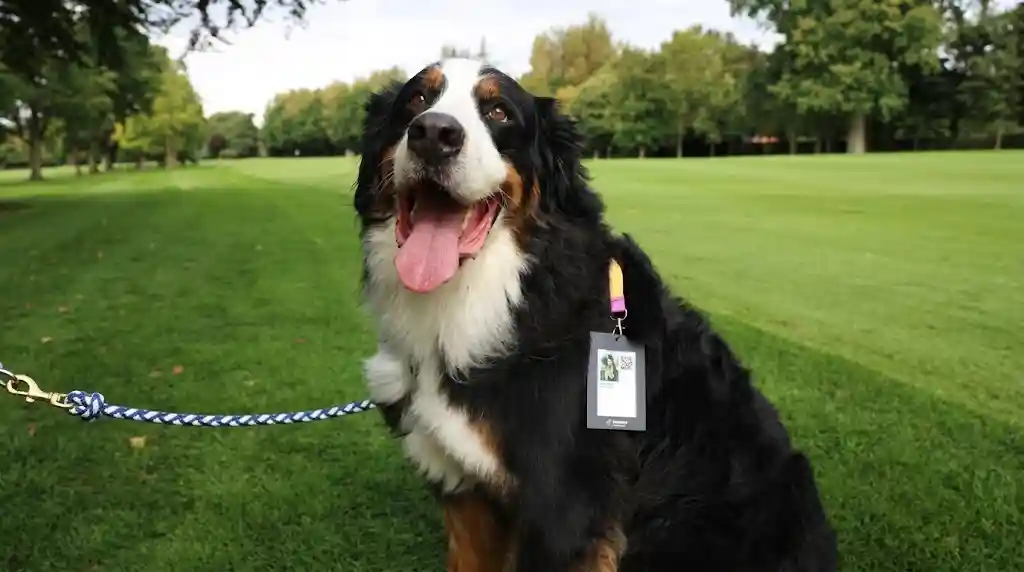
Blue eyes in dogs are a captivating genetic trait that adds to their unique charm. While relatively uncommon across all dog breeds , several are particularly known for this striking eye color, ranging from piercing icy blues to marbled variations. The blue eye color is often due to a lack of pigment in the iris, which causes light to scatter, creating the blue appearance, similar to how the sky appears blue. These dog breeds are truly unforgettable.
- Siberian Husky: Perhaps the most iconic blue-eyed breed, a significant percentage of Siberian Huskies possess stunning blue eyes, with some studies indicating around 40% of all Siberian Huskies have them. Their blue eyes are often attributed to a specific genetic mutation near the ALX4 gene that affects pigment distribution in the iris, and this mutation is different from what causes blue eyes in humans or most other dog breeds . Huskies can have two blue eyes, one blue and one brown (heterochromia), or even eyes split into two colors, all of which are considered acceptable. Despite common myths, blue eyes in Huskies are not linked to albinism or any specific health problems, and they have normal vision.
- Australian Shepherd: Australian Shepherds are renowned for their wide variety of eye colors, and blue is a common and highly desired trait. They frequently exhibit heterochromia, meaning they can have two different colored eyes (one blue, one brown, amber, hazel, or green) or even multiple colors within a single eye. The blue eyes in Aussies are due to genetic factors influencing pigmentation, specifically less melanin in the eye. Blue eyes are particularly common in merle-coated Australian Shepherds.
- Weimaraner: Weimaraners are born with impressive blue eyes, which, along with their unique tiger-stripe pattern (that fades after a few days), give them a distinctive puppy appearance. However, as they mature, their eye color typically changes to amber, gray, or blue-gray by about six months of age, which is the breed standard. This transformation is due to the gradual production of melanin in the iris.
- Border Collie: While not as common as in Huskies or Australian Shepherds, blue eyes can occur in Border Collies, particularly in those with merle coats. Their intense gaze, combined with blue eyes, can be particularly striking.
- Dalmatian: Blue eyes can appear in Dalmatians, especially in those with extensive white markings around their eyes. However, blue eyes in Dalmatians can sometimes be associated with a higher incidence of deafness, a concern that responsible breeders actively work to minimize.
- Alaskan Klee Kai: A smaller companion breed that resembles the Siberian Husky, the Alaskan Klee Kai also carries the same genetic mutation for blue eyes found in its larger cousin.
Dog Breeds Defined by Their Distinctive Floppy Ears
Floppy ears, also known as pendulous ears, are a charming characteristic that sets many dog breeds apart. This trait is often associated with a more domesticated appearance and can contribute significantly to a dog’s overall expression and appeal. The variety in floppy ear shapes and sizes is vast, from long, luxurious folds to medium-length, soft triangles. These dog breeds are loved for their endearing expressions.
- Basset Hound: Famous for their exceptionally long, velvety floppy ears that nearly touch the ground, Basset Hounds use these ears to help gather scents while tracking. Their distinctive ears are a hallmark of the breed, contributing to their unique, somewhat melancholic, yet endearing expression.
- Beagle: Beagles possess long, rounded, low-set floppy ears that frame their expressive faces. These ears, like those of the Basset Hound, play a crucial role in their scent-tracking abilities, sweeping scents towards their noses. Their friendly and curious nature is often enhanced by their soft, pendulous ears.
- Cocker Spaniel: Both American and English Cocker Spaniels are known for their long, luxurious, feathered floppy ears that hang close to their heads. These beautiful ears require regular grooming to prevent tangles and infections, but they are an undeniable part of the breed’s classic charm.
- Golden Retriever: One of the most beloved family dogs, Golden Retrievers have medium-length, soft floppy ears that sit relatively high on their heads and hang down to the cheek. Their ears complement their gentle and intelligent expression, contributing to their overall warm and approachable appearance.
- Dachshund: These small, long-bodied dogs come in three coat types, but all share the characteristic long, pendulous ears that hang close to their cheeks. Their ears contribute to their alert yet playful demeanor.
- Labrador Retriever: Similar to Golden Retrievers, Labradors also have medium-sized floppy ears that lie close to their head. These ears contribute to their friendly, eager-to-please expression and are a defining feature of this popular family companion.
- Basset Fauve de Bretagne: This lesser-known French hound breed sports rough, wiry coats and medium-length, folded ears that are well-furred. They have a cheerful and enthusiastic demeanor, perfectly complemented by their expressive ears.
- Bloodhound: Renowned for their extraordinary sense of smell, Bloodhounds possess arguably the longest and most heavily wrinkled floppy ears of any breed. These extensive ears, along with loose skin around their face, effectively funnel scents to their powerful noses, aiding in their legendary tracking abilities.
| Breed Category | Key Characteristic | Examples of Breeds | Typical Temperament |
|---|---|---|---|
| Egyptian Heritage | Ancient lineage, sighthound traits | Saluki, Pharaoh Hound, Basenji | Dignified, independent, loyal, alert |
| Blue Eyes | Lack of iris pigment causing blue hue | Siberian Husky, Australian Shepherd, Weimaraner (puppies) | Varies greatly by breed; often energetic or intelligent |
| Floppy Ears | Pendulous ear structure | Basset Hound, Beagle, Golden Retriever, Cocker Spaniel | Often friendly, scent-driven, gentle |
| Indian Native Breeds | Indigenous to the Indian subcontinent | Indian Pariah Dog, Mudhol Hound, Rajapalayam, Gaddi Kutta | Hardy, intelligent, protective, adaptable |
Dog Breeds: Native Treasures and Popular Choices in India

India is home to a fascinating array of indigenous dog breeds , many of which are ancient and uniquely adapted to the subcontinent’s diverse climates and terrains. Alongside these native treasures, a number of international dog breeds have also gained immense popularity among Indian pet owners. These Indian dog breeds are a source of national pride.
Native Indian Dog Breeds
India’s native dog breeds are often characterized by their hardiness, intelligence, and strong guarding instincts, having evolved over centuries with minimal human intervention.
- Indian Pariah Dog (Indie Dog/Desi Kutta): This landrace dog is arguably the most common and ancient dog type native to the Indian subcontinent. They are medium-sized, with a wedge-shaped head, erect ears, and a curved tail. Indian Pariah Dogs are known for being very alert, social, intelligent, and easily trainable, making them excellent guard dogs and police dogs. They are robust, vigilant, and generally experience fewer hereditary health problems due to their natural evolution. They form strong bonds with their families and are good with children when properly socialized.
- Mudhol Hound (Caravan Hound): Originating from Karnataka, the Mudhol Hound is a sighthound revered for its speed, stamina, and hunting prowess. These elegant dogs are lean, muscular, and possess a keen sight, traditionally used for hunting hare, deer, and even boar. They are fiercely loyal and protective of their families, though they can be reserved with strangers.
- Rampur Hound: Hailing from the Rampur region of Uttar Pradesh, the Rampur Hound is another powerful sighthound, originally bred by Nawab Ahmed Ali Khan Bahadur by crossing Afghan Hounds with English Greyhounds for hunting large game like wild boar and jackals. They are known for their exceptional speed and stamina, with a sleek, muscular build and a short, flat coat. Rampur Hounds are protective and loyal, often forming a strong bond with a single master, and can be reserved with strangers.
- Rajapalayam: An ancient and rare sighthound from Tamil Nadu, the Rajapalayam is predominantly pure white with a distinctive pink nose and pale skin. These dogs are known for their long, straight legs, deep chest, and an unusual gait often compared to that of a thoroughbred horse. They are extremely loyal and protective of their owners, often described as “one-man dogs,” and can be aloof or aggressive towards strangers and other animals if not socialized early.
- Gaddi Kutta (Indian Leopard Hound/Himalayan Sheepdog): Native to the Himalayan regions of India (Himachal, Jammu, and Uttarakhand), the Gaddi Kutta is a large, sturdy mastiff-type dog bred by the Gaddi tribes to protect livestock from wild animals like leopards. They are known for their intelligence, courage, and loyalty, making excellent watchdogs and guardians. Gaddi Kuttas are large, heavy-boned dogs with medium or long hair, adapted to cold climates. They are territorial and can be aggressive towards strangers and other dogs if not properly socialized.
Popular Foreign Dog Breeds in India
Beyond its native dog breeds , India has embraced numerous international dog breeds , with several consistently topping popularity charts due to their temperament, adaptability, and perceived status.
- Labrador Retriever: Consistently ranked as India’s most popular dog breed, Labradors are cherished for their friendly, easy-going, and highly trainable nature. They are excellent with children and adapt well to family environments, thriving on regular exercise and being part of daily activities. Their shorter coat compared to Golden Retrievers makes them slightly more manageable in Indian weather.
- Golden Retriever: Another immensely popular choice, Golden Retrievers are loved for their cheerful personalities, gentle nature, and high intelligence. They are considered ideal family companions, patient and understanding, though their thick double coats require regular grooming, especially in warmer climates.
- German Shepherd: Their distinctive wolf-like appearance, intelligence, and strong protective instincts make German Shepherds a perennial favorite for families seeking a loyal guardian. They require consistent training and socialization.
- Beagle: Small to medium-sized, Beagles are known for their curious, affectionate, and playful personalities. They are good with children and their manageable size makes them suitable for apartment living if they receive adequate exercise to satisfy their energetic and scent-driven nature.
- Pug: These charming, small dogs with their wrinkled faces and expressive eyes have a dedicated following in India. Pugs are known for their affectionate, docile, and comical nature, making them excellent companions for apartment dwellers due to their low exercise needs.
- Rottweiler: Valued for their powerful build and protective nature, Rottweilers are popular as guard dogs and family protectors. They are loyal and affectionate with their families but require experienced owners and extensive socialization.
- Indian Spitz: Often mistaken for Pomeranians, the Indian Spitz is a robust and intelligent breed well-adapted to the Indian climate. They are energetic, alert, and make good watchdogs, fitting well into various household sizes.
The popularity of dog breeds in India often reflects a balance between a dog’s suitability for the local climate, their temperament for family life, and their ability to serve as effective companions or guardians. For more insights into dog breeds and their unique traits, consider consulting Wikipedia’s comprehensive overview of dog breeds. For more foundational training advice that can help build trust, you might find our guide on easy commands every puppy should learn very useful. To ensure you’re using the best products, see our recommendations for the best dog shampoo for itchy skin .
Conclusion: Celebrating Canine Diversity
The world of dog breeds is incredibly vast and diverse, each breed telling a unique story of adaptation, purpose, and companionship. From the ancient and noble sighthounds of Egypt to the striking blue-eyed Huskies and the endearing floppy-eared Beagles, and the resilient native dog breeds of India alongside their popular international counterparts, dogs continue to enrich human lives in countless ways. Understanding these distinct characteristics and historical contexts allows us to appreciate the profound bond between humans and their canine friends, a bond that has evolved and strengthened across continents and civilizations. Every one of these dog breeds has a unique story to tell. If you’re just starting out, our dog grooming checklist for first-time owners is a great resource to ensure you have everything you need. You may also find our comprehensive dog grooming tips a comprehensive guide helpful for additional information. For more information on skin conditions, our article on dog allergy understanding and managing provides comprehensive information. You can also explore dog grooming near me finding the perfect for more options. If your dog is excessively itchy, check out our article on why is my dog itching so much for more insights. You can also learn more about dog skin infection a comprehensive guide for deeper understanding of skin health. For more help finding professional services, our guide on pet groomers near me can help you find the right support.
