Dog Ear Infection: 10 Essential Causes, Symptoms & Proven Treatments
Table of Contents
A dog ear infection, medically known as otitis, is one of the most prevalent health issues affecting canines, causing significant discomfort and distress for our beloved pets. It is a common reason for veterinary visits and, if left unaddressed, can lead to chronic pain, hearing loss, and even more severe complications. Understanding the intricacies of dog ear infections, from their underlying causes to effective treatment and preventive measures, is crucial for every dog owner. This comprehensive guide aims to equip you with the knowledge needed to identify, manage, and prevent these often-recurrent conditions, ensuring your furry companion remains happy and healthy.
What is a Dog Ear Infection?
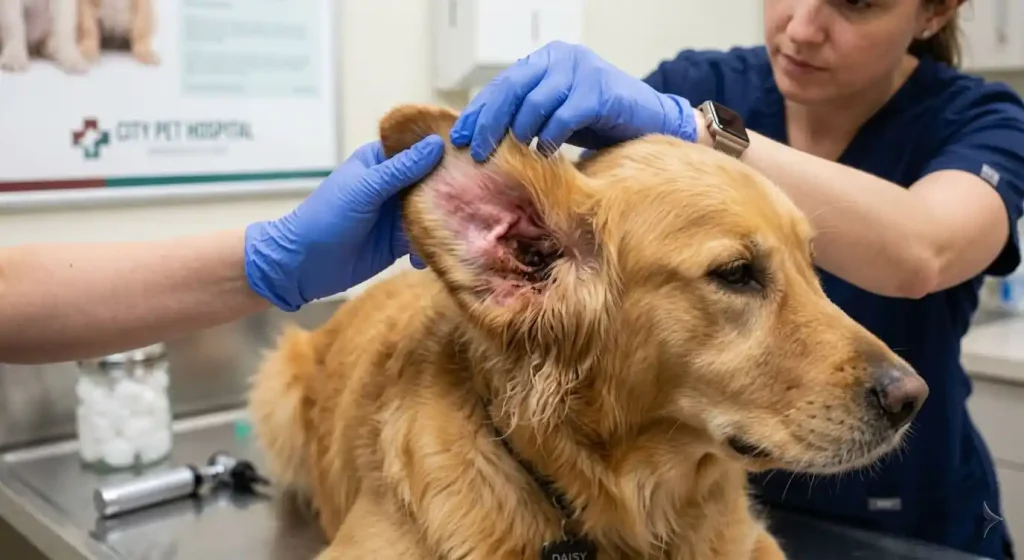
A dog ear infection, or otitis, refers to inflammation or infection of the ear canal. The unique L-shaped structure of a dog’s ear canal makes it particularly susceptible to trapping moisture, debris, and wax, creating an ideal environment for the proliferation of infectious agents like bacteria and yeast. While commonly referring to inflammation of the outer ear canal (otitis externa), ear infections can affect different parts of the ear, classified based on their location within the ear’s anatomy.
- Otitis Externa: This is the most common type of ear infection, involving inflammation of the external ear canal and the pinna (ear flap). It is often the starting point for more severe infections. The external ear is exposed to the outside world, making it more vulnerable.
- Otitis Media: This refers to inflammation of the middle ear, located behind the eardrum. Otitis media often develops as a progression from chronic otitis externa, as pus and infection can spread from the external canal. It can also result from foreign objects rupturing the eardrum or, rarely, through bloodstream infection.
- Otitis Interna: The most severe and least common type, otitis interna involves inflammation of the inner ear structures responsible for hearing and balance. It typically arises from untreated otitis media and can lead to serious neurological issues, including permanent hearing loss, loss of balance, and even brain involvement.
Understanding these distinctions is vital because the treatment approach and potential complications vary significantly depending on the type and severity of the infection. Early detection and intervention are paramount to prevent the progression of otitis externa to more profound and debilitating forms of ear disease.
Common Causes of Dog Ear Infections
Ear infections in dogs are rarely caused by a single factor; more often, they are the result of a combination of predisposing conditions, primary causes, and perpetuating factors. Identifying the root cause is essential for effective treatment and, crucially, for preventing recurrence.
The primary culprits behind dog ear infections often involve the overgrowth of microorganisms that are naturally present in small numbers in a healthy ear canal. These include:
- Bacteria: The most frequent cause of ear infections, with common strains including Staphylococcus and Pseudomonas. These bacteria thrive in warm, moist environments.
- Yeast: Malassezia pachydermatis is a common yeast found in dog ears that can overgrow when conditions are favorable, leading to itchy, red, and odorous infections.
- Ear Mites: These tiny parasites, more common in puppies, cause intense itching, inflammation, and can lead to secondary bacterial or fungal infections.
Beyond microorganisms, several other factors can predispose a dog to ear infections or act as primary triggers:
- Allergies: Both environmental allergens (pollen, dust mites) and food allergies are significant causes of chronic ear inflammation, making dogs more susceptible to recurrent infections. Allergic otitis might present with inflammation even without an active infection.
- Excess Moisture: Water trapped in the ear canal after swimming, bathing, or in humid climates creates a moist, warm environment perfect for bacterial and yeast growth. Breeds with floppy ears are at higher risk due to reduced airflow.
- Foreign Bodies: Objects like grass seeds, foxtails, dirt, or other plant material can become lodged in the ear canal, causing irritation, trauma, and subsequent infection.
- Anatomical Factors: Certain breeds are predisposed due to their ear structure. Dogs with long, floppy ears (e.g., Cocker Spaniels, Basset Hounds, Golden Retrievers) have less air circulation, increasing humidity. Dogs with excessive hair in the ear canal (e.g., Poodles) can also experience reduced airflow and wax buildup.
- Underlying Health Issues: Systemic conditions like hypothyroidism, autoimmune diseases, or even tumors/polyps within the ear canal can contribute to chronic or recurrent ear infections.
Understanding these diverse causes highlights why a thorough veterinary examination is critical for an accurate diagnosis and a targeted treatment plan.
Recognizing the Symptoms of an Ear Infection in Your Dog
Early recognition of symptoms is key to prompt and effective treatment of dog ear infections. Dogs often display noticeable signs of discomfort when experiencing an ear infection. Owners should be vigilant and attentive to any changes in their dog’s behavior or physical appearance related to their ears.
Common signs of an ear infection include:
- Frequent Head Shaking or Tilting: This is one of the most common and obvious signs, as the dog tries to dislodge debris or relieve discomfort.
- Excessive Scratching or Pawing at the Ears: Dogs will often use their paws to scratch at the affected ear, sometimes causing self-inflicted wounds around the ear.
- Redness and Swelling: The skin inside the ear flap and ear canal may appear red, inflamed, and swollen.
- Foul Odor: A strong, unpleasant smell emanating from the ear is a clear indicator of an infection, often associated with yeast or bacterial overgrowth.
- Discharge: Visible discharge from the ear canal can vary in color and consistency, including brown, yellow, or bloody discharge. Dark, waxy discharge is often associated with yeast or ear mites, while yellow or bloody discharge may indicate bacterial infection.
- Sensitivity or Pain: Your dog may yelp, pull away, or become aggressive when you try to touch their ears or head. They might also resist petting or be uncomfortable when chewing.
- Crusting or Scabbing: Crusts or scabs may form on the ear flap or just inside the ear canal due to scratching and inflammation.
- Hair Loss Around the Ear: Persistent scratching can lead to hair loss in the affected area.
- Changes in Balance or Hearing: In more severe cases, especially with middle or inner ear infections, dogs may show signs such as loss of balance, walking in circles, unusual eye movements (nystagmus), or even hearing loss.
- Lethargy or Behavioral Changes: Chronic pain and discomfort can affect a dog’s overall demeanor, leading to reduced activity levels or a change in personality.
If you observe any of these symptoms, particularly a combination of them, it is crucial to schedule a veterinary appointment promptly. Delaying treatment can allow the infection to worsen and potentially spread, leading to more complex and difficult-to-treat conditions.
Diagnosis of Canine Ear Infections
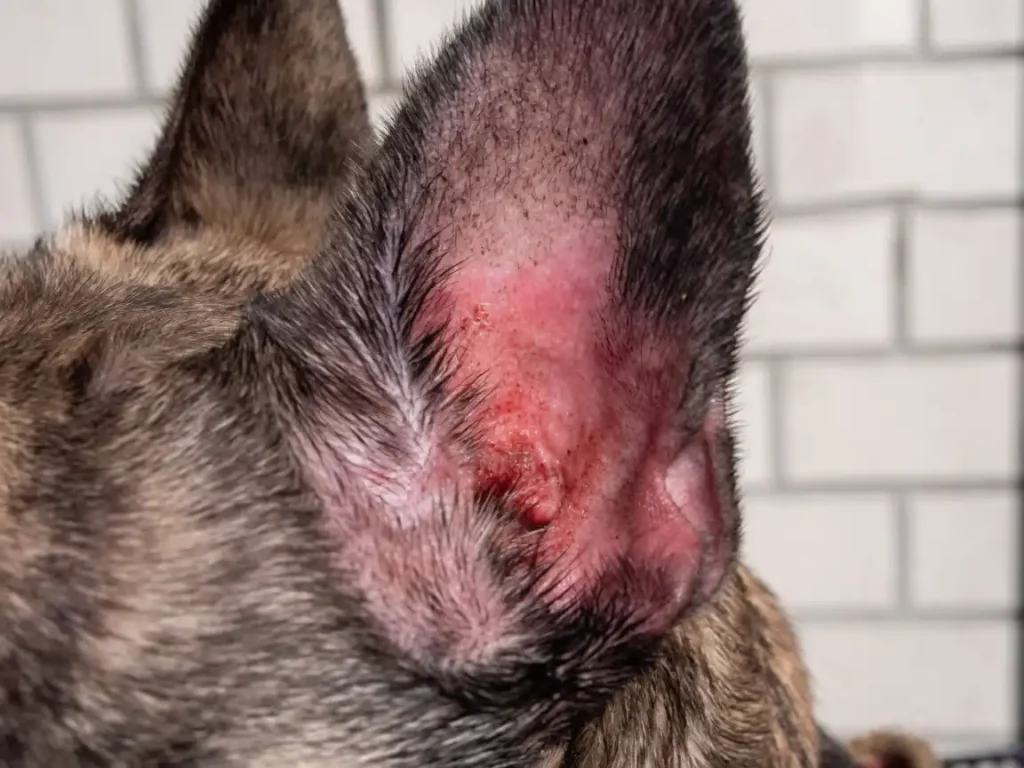
Accurate diagnosis is the cornerstone of effective treatment for dog ear infections. A veterinarian will conduct a thorough examination and may use several diagnostic tools to identify the type of infection, its underlying cause, and the extent of the problem. This comprehensive approach ensures that the treatment targets the specific pathogens and contributing factors.
The diagnostic process typically involves:
- Medical History (Anamnesis): The vet will ask detailed questions about your Dog Ear Infection symptoms, their duration, any previous ear infections, bathing habits, swimming frequency, diet, allergies, and general health history. This information helps piece together potential predisposing factors.
- Physical Examination: A general physical exam is performed, followed by a specific examination of the ears. The vet will look for external signs like redness, swelling, discharge, odor, and pain response when manipulating the ear.
- Otoscopic Examination: Using an otoscope, a specialized instrument with a light and magnifying lens, the veterinarian will carefully examine the horizontal and vertical ear canals and the eardrum (tympanic membrane). This helps assess the extent of inflammation, presence of foreign bodies, tumors, polyps, or damage to the eardrum.
- Ear Cytology: This is a critical diagnostic step. A sample of the discharge or debris from the ear canal is collected using a cotton swab, stained, and examined under a microscope. Cytology allows the vet to identify the presence of bacteria (rods or cocci), yeast (typically Malassezia), and ear mites, determining the type of infection.
- Culture and Sensitivity Testing: For chronic, recurrent, or severe infections, especially those resistant to initial treatments, a culture and sensitivity test may be performed. This involves sending an ear swab to a laboratory to grow the specific bacteria present and then test which antibiotics are most effective against them. This is particularly useful for difficult-to-treat bacteria like Pseudomonas.
- Allergy Testing: If allergies are suspected as an underlying cause, the veterinarian may recommend allergy testing (blood tests or intradermal skin tests) or a food elimination diet trial to identify specific allergens.
- Advanced Imaging: In cases of suspected middle or inner ear infections (otitis media or interna), or when an intact eardrum prevents thorough examination, advanced imaging techniques like X-rays, Computed Tomography (CT) scans, or Magnetic Resonance Imaging (MRI) may be necessary. These can reveal fluid buildup, changes in bone structure, or tumors within the deeper ear structures.
An accurate diagnosis guides the veterinarian in prescribing the most appropriate and effective treatment plan, which is crucial for resolving the current infection and preventing future occurrences.
| Type of Ear Infection | Location Affected | Common Causes | Typical Symptoms | Potential Complications (if untreated) |
|---|---|---|---|---|
| Otitis Externa | External ear canal and pinna | Bacteria, yeast, ear mites, allergies, moisture, foreign bodies, anatomical factors | Head shaking, scratching, redness, odor, discharge, pain, swelling | Chronic pain, canal narrowing, progression to middle ear infection |
| Otitis Media | Middle ear (behind eardrum) | Extension of otitis externa, foreign body rupture of eardrum, systemic infection | Recurrent otitis externa, pain with opening mouth, facial nerve paralysis, decreased hearing, head/neck pain, head tilt | Otitis interna, permanent nerve damage, deafness |
| Otitis Interna | Inner ear (hearing and balance structures) | Progression of otitis media | Severe head tilt, loss of balance, spontaneous eye movements (nystagmus), coordination problems, deafness | Permanent hearing loss, irreversible balance issues, neurological damage, brain infection |
Effective Treatment Options for Dog Ear Infections
Once a thorough diagnosis has been made, the veterinarian will formulate a treatment plan tailored to the specific type of infection, its severity, and any underlying causes. Adhering strictly to the vet’s instructions is paramount for a successful outcome and to prevent recurrence or antibiotic resistance.
Treatment typically involves a combination of the following approaches:
- Professional Ear Cleaning: Before applying any medication, the veterinarian will thoroughly clean your Dog Ear Infection canal to remove wax, debris, discharge, and infectious agents. This step is crucial as it allows topical medications to penetrate the affected tissues effectively. The vet uses specialized solutions and equipment to ensure a deep and safe cleaning.
- Topical Medications: For most cases of otitis externa, topical ear drops or ointments are prescribed. These medications are applied directly into the ear canal and often contain a combination of active ingredients:
- Antibiotics: To combat bacterial infections (e.g., gentamicin, polymyxin B, enrofloxacin).Antifungals: To treat yeast infections (e.g., clotrimazole, terbinafine). The FDA recently approved DuOtic for yeast-only otitis externa, providing an antibiotic-free option for such cases.Corticosteroids (Anti-inflammatories): To reduce inflammation, swelling, and pain, providing relief for the Dog Ear Infection
- and facilitating better medication penetration.
- Oral Medications: In more severe cases, chronic infections, or when otitis media or interna is suspected, oral medications may be prescribed.
- Oral Antibiotics: For widespread bacterial infections or those affecting the middle/inner ear. These might be prescribed for several weeks or even months.
- Oral Antifungals: For systemic yeast infections or those resistant to topical treatments.
- Oral Anti-inflammatories/Pain Relief: To manage significant pain and reduce inflammation throughout the ear structures, making the Dog Ear Infection more comfortable during recovery.
- Ear Mite Treatment: If ear mites are identified, specific miticides will be prescribed, usually as topical drops, to eliminate the parasites.
- Addressing Underlying Causes: Treating the infection itself is often not enough. The veterinarian will also focus on managing any underlying conditions, such as:
- Allergy Management: This may involve dietary changes, environmental allergen control, antihistamines, or specific allergy medications.
- Foreign Body Removal: If a foreign object is present, it will be carefully removed, sometimes requiring sedation.
- Hormonal Therapy: If conditions like hypothyroidism are diagnosed, appropriate medication will be prescribed.
- Surgery: In rare, severe, chronic cases where medical treatment has failed, or if tumors are blocking the ear canal, surgery may be considered. Procedures can include total ear canal ablation (TECA) to remove the diseased ear canal. This is typically a last resort due to its invasiveness.
It is crucial not to stop treatment prematurely, even if symptoms seem to improve, as this can lead to a relapse and development of drug resistance. Follow-up appointments are often necessary to ensure the infection has fully cleared. For more in-depth information on ear disorders in animals, you can consult authoritative veterinary resources such as the Merck Veterinary Manual.
Home Care and Management of Dog Ear Infections
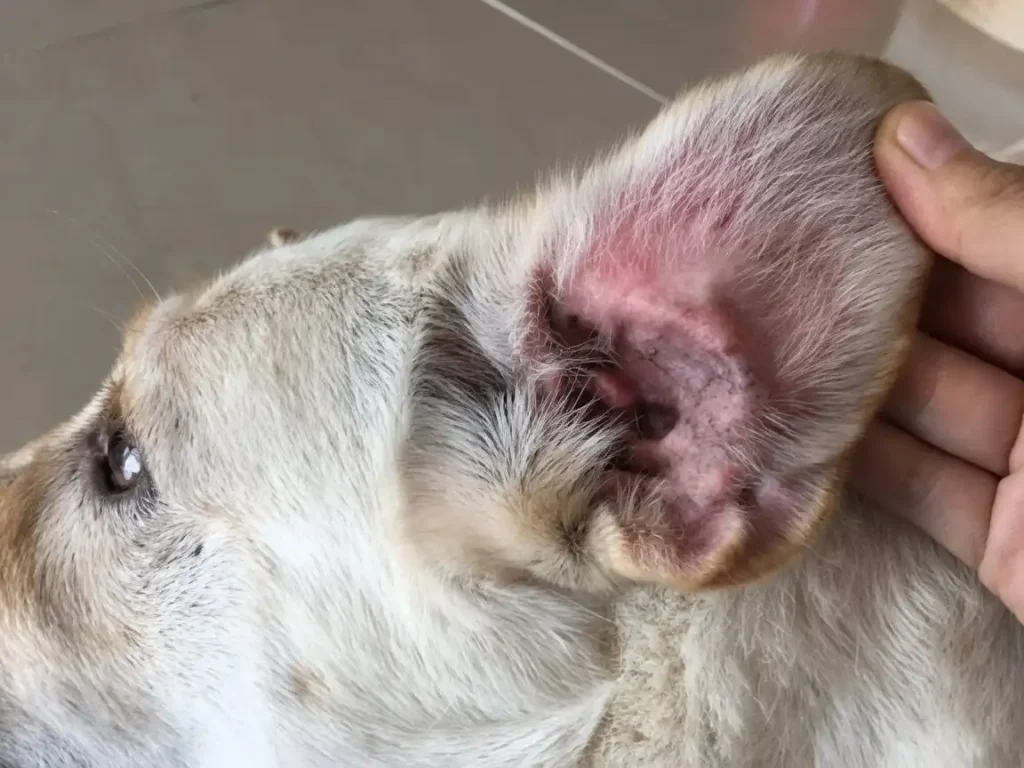
While professional veterinary care is essential for diagnosing and treating dog ear infections, appropriate home care plays a vital role in supporting recovery and preventing recurrence. Your veterinarian will provide specific instructions for at-home management.
Key aspects of home care include:
- Administering Medications: Carefully follow your veterinarian’s instructions for applying prescribed ear drops or ointments. Ensure you administer the correct dosage at the specified frequency. Gently lift the ear flap, apply the medication into the ear canal, and gently massage the base of the ear to help distribute it. Do not insert the tip of the bottle into the ear, and clean the tip if it touches the ear to prevent contamination.
- Monitoring Symptoms: Observe your Dog Ear Infection closely for any improvement or worsening of symptoms. Note if the redness, odor, discharge, or pain are decreasing. Report any concerns or lack of improvement to your vet.
- Keeping Ears Dry: It is crucial to prevent additional moisture from entering the ear canal during the treatment period. Avoid bathing your dog or allowing them to swim until the infection has resolved and your vet gives approval. If bathing is necessary, use cotton balls in the ears (removed immediately afterward) to minimize water entry.
- Preventing Self-Trauma: If your dog is excessively scratching or pawing at their ears, they might need an Elizabethan collar (e-collar or “cone”) to prevent further irritation or injury, which could impede healing.
- Positive Reinforcement: Make ear cleaning and medication administration as positive an experience as possible with treats and praise. This helps reduce anxiety for both you and your Dog Ear Infection .
Never use over-the-counter remedies or unapproved home solutions like hydrogen peroxide or vinegar without consulting your veterinarian, as these can irritate already inflamed ears and worsen the condition.
Preventing Future Dog Ear Infections
Preventing ear infections is often easier and less stressful than treating them. For Dog Ear Infection prone to recurrent ear issues, a proactive and consistent prevention strategy is essential. This involves regular maintenance and addressing predisposing factors.
Key preventive measures include:
- Regular Ear Checks: Make it a habit to inspect your Dog Ear Infection weekly, or even daily for breeds prone to infections. Look for any signs of redness, swelling, discharge, or an unusual odor. Early detection of minor irritations can prevent full-blown infections.
- Routine Ear Cleaning with Vet-Approved Cleansers: Regular cleaning helps remove wax, debris, and excess moisture, reducing the likelihood of microbial overgrowth.
- Use a veterinarian-approved ear cleaning solution designed for Dog Ear Infection . These are formulated to gently break down wax and debris without irritating the delicate ear tissues.
- Follow your vet’s recommendation on cleaning frequency, which may vary from weekly to bi-weekly, depending on your dog’s predisposition.
- Gently wipe the outer ear and the visible portion of the ear canal with a soft cotton ball or gauze.
- Avoid cotton swabs (Q-tips) deep inside the ear canal, as they can push debris further in, potentially damage the eardrum, or cause trauma to the sensitive ear canal lining.
- Keep Ears Dry: This is especially critical for dogs who swim frequently or are bathed often, and for breeds with floppy ears.
- Thoroughly dry your dog’s ears after swimming or bathing using a soft towel or cotton ball.
- Consider using an ear-drying solution recommended by your vet after water exposure.
- Diet and Allergy Management: Since allergies are a major cause of recurrent ear infections, managing them is vital.
- Ensure your Dog Ear Infection has a balanced, nutrient-rich diet.
- If food allergies are suspected, work with your vet on an elimination diet.
- For environmental allergies, discuss management strategies with your vet, which may include medication or immunotherapy.
- Grooming: For dogs with long hair, especially those with hair growing inside the ear canal, regular trimming can improve airflow and reduce moisture retention. However, consult with your vet or groomer about the best approach, as excessive plucking of ear hair can sometimes cause irritation.
- Routine Veterinary Check-ups: Regular vet visits allow for professional examination of your Dog Ear Infection, helping to catch and address potential issues before they escalate.
By integrating these preventive practices into your Dog Ear Infection routine, you can significantly reduce the risk of ear infections and contribute to their overall ear health and well-being.
When to See a Veterinarian
While some mild irritations might resolve on their own, it is almost always best to consult a veterinarian if you suspect your dog has an ear infection. Most ear infections will not go away without proper veterinary care and can worsen, becoming chronic or leading to hearing loss and other complications.
You should schedule an appointment with your vet immediately if you notice any of the following signs:
- Persistent head shaking or scratching at the ears.
- Any foul odor emanating from the ear.
- Visible discharge (yellow, brown, black, or bloody) from the ear.
- Redness, swelling, or heat in or around the ear.
- Your Dog Ear Infection shows pain or sensitivity when their ears are touched.
- Your dDog Ear Infection g is tilting their head, showing loss of balance, or having difficulty walking.
- Symptoms do not improve within 2-3 days of home care or prescribed mild treatments.
- The infection recurs shortly after a previous treatment.
Early detection and prompt veterinary intervention are crucial to ensure a quick resolution, minimize your Dog Ear Infection discomfort, and prevent the infection from progressing to a more serious or chronic condition.
Conclusion
Dog ear infections are a common and often challenging ailment for pet owners, but with a clear understanding of their causes, symptoms, and the importance of timely intervention, they are largely manageable and preventable. From the most common otitis externa to the more severe middle and inner ear infections, each type demands a thorough diagnostic approach and a targeted treatment strategy. Microorganisms like bacteria and yeast, alongside predisposing factors such as allergies, excessive moisture, and ear anatomy, frequently contribute to these painful conditions.
Recognizing early signs like head shaking, scratching, discharge, or odor can significantly impact the success of treatment. A veterinarian’s expertise in cytology and other diagnostics ensures that the underlying cause is identified, leading to the selection of appropriate topical or oral medications. Furthermore, diligent home care, including careful medication administration and keeping ears dry, is vital for a smooth recovery. More importantly, establishing a proactive prevention routine—involving regular ear checks, proper cleaning with vet-approved solutions, managing allergies, and prompt veterinary visits at the first sign of trouble—can dramatically reduce the incidence of future ear infections. By staying informed and working closely with your veterinarian, you can help safeguard your Dog Ear Infection, ensuring they live a comfortable and joyful life free from persistent ear discomfort.