Dog Vomiting: 10 Essential Causes, Treatments & Prevention Tips
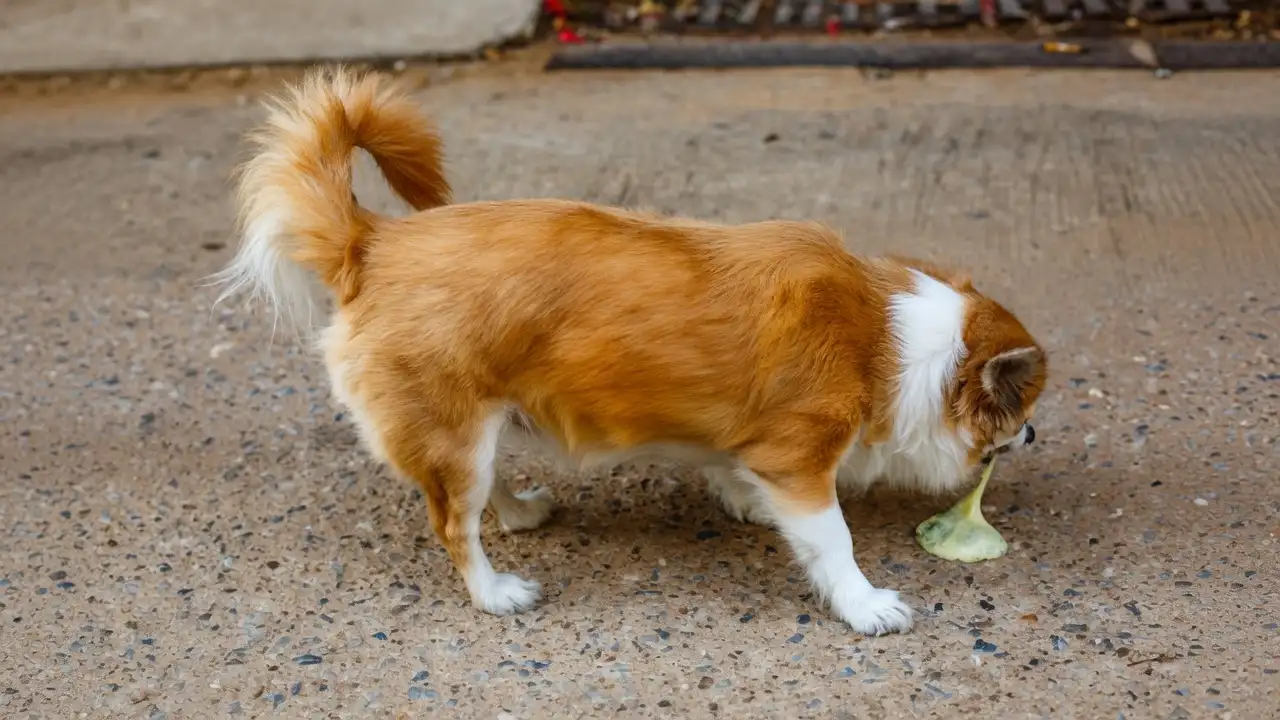
Table of Contents
Dog vomiting is a common occurrence that most pet owners will encounter at some point in their dog’s life. While an occasional bout of vomiting may be harmless, often indicating nothing more than a minor stomach upset, it can also be a red flag for more serious underlying health issues. Understanding the potential causes, recognizing when veterinary attention is necessary, and knowing how to provide appropriate care can make a significant difference in your dog’s well-being and recovery. This comprehensive guide will delve into the various reasons why dogs vomit, from simple dietary indiscretions to complex medical conditions, offering insights into diagnosis, treatment, and preventive measures.
Common Causes of Dog Vomiting
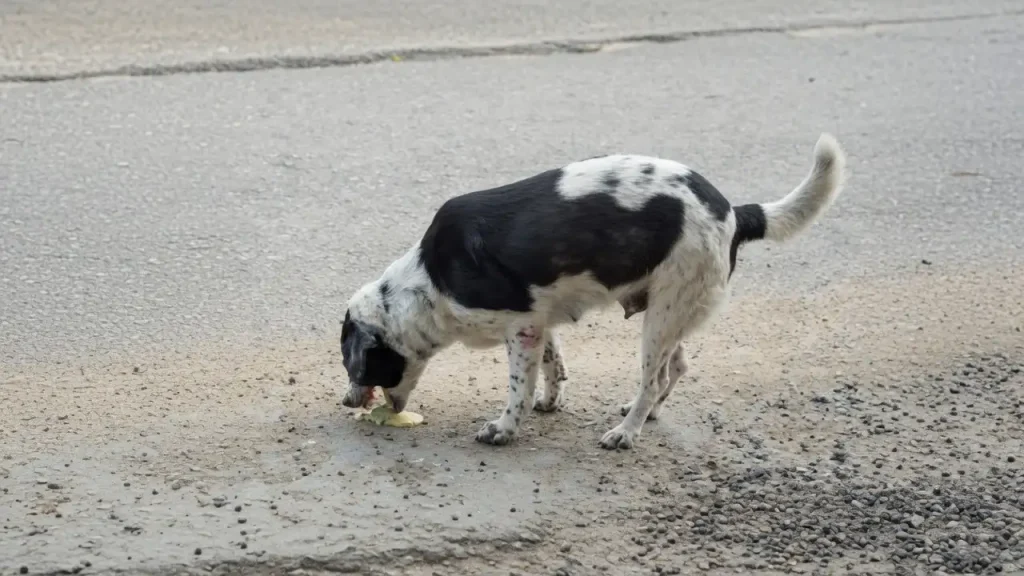
Many factors can lead to a dog throwing up, ranging from mild and self-limiting issues to those requiring prompt veterinary intervention. Identifying the specific cause can be challenging without professional assessment, but understanding the common culprits can help owners gauge the severity of the situation.
Dietary Indiscretion
One of the most frequent reasons for dog vomiting is dietary indiscretion, often described as a dog eating something that simply doesn’t agree with its stomach. This can include raiding the garbage, consuming spoiled food, eating human table scraps, or ingesting non-food items like toys, socks, or even dirt. The sudden introduction of new foods or an abrupt change in diet can also upset a dog’s digestive system, leading to vomiting.
Food Intolerances and Allergies
Just like humans, dogs can suffer from food allergies or sensitivities. These reactions occur when a dog’s immune system overreacts to certain ingredients, most commonly proteins such as beef, chicken, or dairy, but also grains or additives in commercial pet food. Symptoms of food allergies often extend beyond vomiting and can include diarrhea, itchy skin, and ear infections. Differentiating between food intolerance (a digestive issue) and a true food allergy (an immune response) typically requires veterinary guidance and possibly an elimination diet trial.
Infections (Bacterial, Viral, Parasitic)
Various infections can trigger vomiting in dogs. Bacterial infections, often leading to gastroenteritis (inflammation of the stomach and intestines), can cause acute vomiting and diarrhea. Viral infections, such as parvovirus or distemper, are particularly dangerous, especially in puppies, and can cause severe vomiting, diarrhea (often bloody), lethargy, and dehydration. Parasites like roundworms, hookworms, or giardia can also irritate the digestive tract and lead to vomiting, sometimes accompanied by diarrhea. Regular deworming and vaccinations are crucial preventive measures against many of these infectious causes.
Foreign Body Obstruction
A curious dog may swallow an object that gets lodged in its digestive tract, causing an obstruction. Common foreign bodies include toys, bones, fabric items, or rocks. These obstructions are serious emergencies that prevent the normal passage of food and waste, leading to symptoms like persistent vomiting, loss of appetite, abdominal pain, and lethargy. If not addressed promptly, foreign body obstructions can lead to life-threatening complications such as dehydration, peritonitis, or sepsis, often requiring surgical removal.
Motion Sickness and Medication Side Effects
Some dogs experience motion sickness when traveling, leading to vomiting due to the disorienting movement. While usually not a serious health concern, it can be distressing for both the dog and owner. Additionally, certain medications can have vomiting as a side effect. If your dog starts vomiting after being given a new medication, it’s important to consult your veterinarian to determine if it’s a known side effect or if the medication needs to be adjusted.
Serious Underlying Medical Conditions Leading to Vomiting
While some instances of dog vomiting are benign, others can signal severe underlying medical conditions that demand immediate veterinary attention. Recognizing these serious causes is critical for prompt diagnosis and effective treatment.
Pancreatitis
Pancreatitis, the inflammation of the pancreas, is a serious condition that frequently causes vomiting in dogs. The pancreas plays a vital role in digestion and blood sugar regulation. When inflamed, it can cause severe abdominal pain, lethargy, loss of appetite, and repeated vomiting. Pancreatitis can be acute (sudden onset) or chronic (recurrent) and is often linked to fatty meals or dietary indiscretion.
Kidney and Liver Disease
Both kidney and liver diseases can manifest with vomiting as a prominent symptom. When kidneys fail, toxins accumulate in the bloodstream, leading to nausea and vomiting as the body attempts to expel them. Symptoms of kidney failure often include increased thirst and urination, lethargy, and a poor appetite. Similarly, liver disease can impair the body’s detoxification processes, causing a range of symptoms including vomiting, loss of appetite, jaundice (yellowing of skin/eyes), and lethargy. These are serious conditions that require ongoing veterinary management.
Gastric Dilatation-Volvulus (Bloat)
Gastric Dilatation-Volvulus, commonly known as bloat or GDV, is a life-threatening emergency primarily affecting large, deep-chested dog breeds. In GDV, the stomach fills with gas and twists upon itself, cutting off blood supply and trapping gas and food. This condition causes extreme pain, a distended abdomen, unproductive retching (trying to vomit but nothing comes up), weakness, and collapse. GDV progresses rapidly and requires immediate emergency surgery to save the dog’s life.
Cancer
Unfortunately, cancer can also be a cause of chronic or recurrent vomiting in dogs, particularly if tumors are located in the gastrointestinal tract or if the disease affects other organ systems. The vomiting may be accompanied by other concerning signs such as weight loss, lethargy, and a decreased appetite. Diagnosis typically involves a range of tests, including imaging and biopsies.
When to See a Veterinarian: Identifying Red Flags
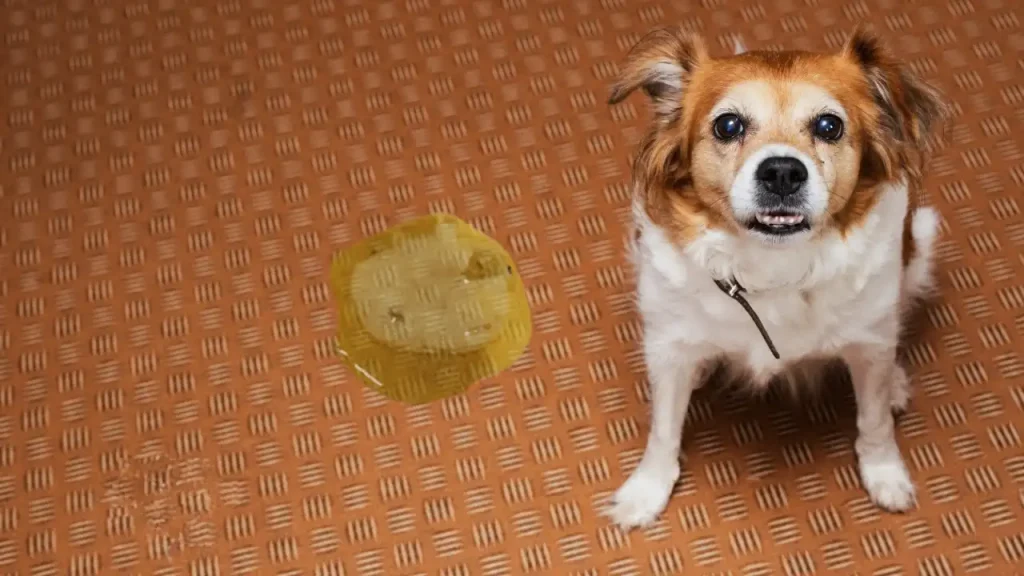
While some instances of vomiting might resolve on their own with careful home care, certain signs indicate that immediate veterinary attention is crucial. Recognizing these “red flags” can be life-saving.
Frequency and Duration
Occasional, isolated vomiting in an otherwise healthy and active dog may not be an immediate cause for alarm. However, if your dog vomits multiple times in a day, if the vomiting is severe, or if it persists for more than 24 hours, it’s time to contact your veterinarian. Chronic vomiting, defined as repeated episodes over weeks or months, almost always points to an underlying medical condition and warrants a vet visit.
Associated Symptoms
Pay close attention to any other symptoms accompanying the vomiting. Seek immediate veterinary care if vomiting is combined with any of the following: lethargy or weakness, severe diarrhea, loss of appetite or refusal to drink water, signs of pain (such as a hunched posture or whimpering), a distended or painful abdomen, fever, or noticeable weight loss. These combined symptoms suggest a more serious issue at play.
Type of Vomit
The appearance of the vomit can also provide clues about the underlying cause. While bile (yellowish, foamy liquid) is common when the stomach is empty, certain types of vomit are particularly concerning:
- Blood in vomit: Fresh red blood or digested, coffee-ground-like material indicates bleeding in the gastrointestinal tract and is a serious emergency.
- Foreign objects: If you see parts of toys, fabric, or other non-food items, it suggests a potential obstruction.
- Foul-smelling vomit: Can sometimes indicate a blockage or severe infection.
- Projectile vomiting: Especially if it’s forceful and occurs repeatedly, can be a sign of a serious issue.
If you observe any of these red flags, do not hesitate to contact your veterinarian or an emergency veterinary clinic immediately.
Here is a summary of symptoms and common causes:
| Symptom Cluster | Potential Common Causes | Severity Indicator | Action Required |
|---|---|---|---|
| Occasional vomit, Dog Vomiting otherwise normal, active | Dietary indiscretion, eating too fast, motion sickness | Mild | Monitor at home, withhold food briefly, offer bland diet |
| Repeated vomiting (>3 times/day or >24 hrs), lethargy, decreased appetite | Gastroenteritis (bacterial/viral), food intolerance, parasites, mild pancreatitis | Moderate to Serious | Consult veterinarian within 24 hours |
| Vomiting with blood (fresh or coffee grounds), severe abdominal pain, distended abdomen, unproductive retching, collapse, severe dehydration | Foreign body obstruction, GDV (bloat), severe pancreatitis, kidney/liver failure, severe infections, poisoning | Emergency | IMMEDIATE EMERGENCY VETERINARY CARE |
| Chronic/recurrent vomiting (over weeks/months), weight loss, fatigue | Chronic pancreatitis, kidney/liver disease, inflammatory bowel disease, cancer | Serious (Ongoing) | Veterinary examination and diagnostics |
First Aid and Home Care for Dog Vomiting
For mild, infrequent vomiting in an otherwise healthy dog, certain home care measures can help soothe their digestive system and promote recovery. However, these steps should only be attempted if your Dog Vomiting is alert, not exhibiting any red flag symptoms, and has not vomited more than a couple of times.
Withholding Food and Water
The first step in managing mild vomiting is to give your dog’s digestive system a rest. Withhold all food for 8-12 hours for adult dogs (shorter for puppies, small breeds, and senior Dog Vomiting to prevent low blood sugar). While food should be withheld, access to water should be carefully managed. Do not allow your Dog Vomiting to gulp large amounts of water, as this can trigger further vomiting. Instead, offer small, frequent sips of fresh water every 15-30 minutes, or provide ice cubes for them to lick. Electrolyte solutions designed for pets can also help restore hydration.
Gradual Reintroduction of Bland Food
Once your dog has gone several hours without vomiting (typically 6-12 hours), you can begin to reintroduce food very slowly, starting with a bland, easily digestible diet. A common recommendation is plain, boiled, skinless, boneless chicken breast mixed with plain white rice, in a ratio of about two parts rice to one part chicken. Other bland options include lean ground beef or turkey with rice, or plain canned pumpkin (without added sugar or spices).
Start with a very small portion (e.g., a teaspoon for small dogs, a tablespoon for larger Dog Vomiting ) every few hours. If this is tolerated, gradually increase the portion size and frequency over the next 24-48 hours. Avoid adding any seasonings, oils, or spices to the bland diet.
Ensuring Proper Hydration
Maintaining hydration is crucial, especially after vomiting, as fluid loss can quickly lead to dehydration. Continue to offer small, frequent sips of water or ice cubes. If your Dog Vomiting is reluctant to drink, you can try offering bone broth (ensure it’s low in sodium and free of onions/garlic) or small amounts of a pet-safe electrolyte solution. Monitor your Dog Vomiting for signs of dehydration, such as sunken eyes, dry gums, and lethargy. If these signs appear, veterinary intervention is necessary.
Veterinary Diagnosis and Treatment
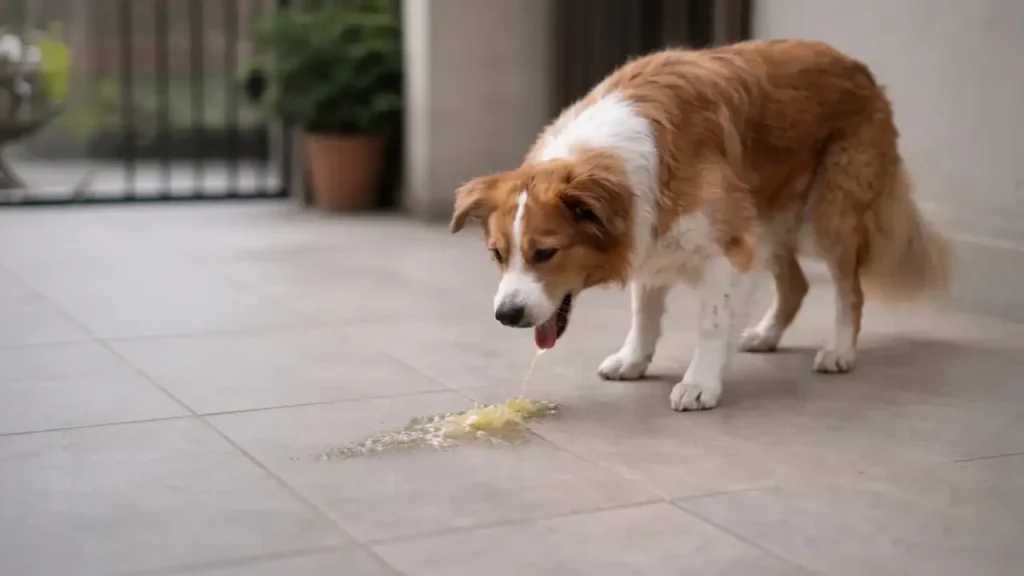
When home care isn’t sufficient or if red flag symptoms are present, a veterinarian will conduct a thorough examination to determine the underlying cause of your dog’s vomiting.
Diagnostic Tests
To pinpoint the cause of vomiting, your veterinarian may recommend several diagnostic tests:
- Physical Examination and History: The vet will perform a complete physical exam, including palpating the abdomen, and ask detailed questions about your dog’s symptoms, diet, recent activities, and any potential exposure to toxins or foreign objects.
- Blood Tests: A complete blood count (CBC) and biochemistry profile can reveal signs of infection, inflammation, dehydration, electrolyte imbalances, and evaluate organ function (kidneys, liver, pancreas).
- Fecal Tests: To check for intestinal parasites that could be causing gastrointestinal upset.
- Imaging (X-rays and Ultrasound): Abdominal X-rays can help identify foreign bodies, signs of obstruction, or abnormalities in organ size and shape. An ultrasound provides more detailed images of internal organs, allowing for the assessment of inflammation, tumors, or other structural problems.
- Endoscopy or Exploratory Surgery: In some complex cases, an endoscope (a flexible tube with a camera) may be used to visualize the digestive tract or collect biopsies. If a foreign body obstruction is confirmed or strongly suspected, exploratory surgery might be necessary for removal and examination of the affected intestines.
Treatment Approaches
Treatment for dog vomiting is highly dependent on the diagnosed cause.
- Supportive Care: For many conditions, supportive care is crucial. This often includes intravenous (IV) fluids to correct dehydration and electrolyte imbalances, especially if the Dog Vomiting cannot keep water down.
- Anti-nausea Medications (Antiemetics): Medications like maropitant (Cerenia) or metoclopramide (Reglan) can be prescribed to help control vomiting and make the Dog Vomiting more comfortable.
- Specific Medications: Depending on the diagnosis, antibiotics may be given for bacterial infections, dewormers for parasites, or medications to manage conditions like pancreatitis or kidney disease.
- Dietary Management: Beyond the initial bland diet, a veterinarian might recommend a prescription gastrointestinal diet formulated for digestive health, or a hydrolyzed/novel protein diet for food allergies. The transition back to a regular diet should always be gradual.
- Surgery: As mentioned, surgical intervention is necessary for conditions like foreign body obstructions or GDV.
It is paramount to follow your veterinarian’s treatment plan precisely and report any changes in your Dog Vomiting condition. Untreated or improperly managed vomiting can lead to severe complications. For more in-depth information regarding various canine health issues, including digestive problems, resources like Wikipedia’s comprehensive dog health articles can offer a broad overview, though specific medical advice should always come from a qualified veterinarian.
Preventing Dog Vomiting
While not all causes of vomiting can be entirely prevented, many instances can be avoided by adopting proactive measures related to diet, environment, and regular veterinary care.
Dietary Management
Proper dietary practices are fundamental in preventing digestive upsets that lead to vomiting.
- Consistent Diet: Maintain a consistent, high-quality dog food diet. Avoid frequent or sudden changes in your Dog Vomiting food, as abrupt shifts can upset their stomach. If a diet change is necessary, introduce the new food gradually over several days by mixing it with the old food.
- Avoid Table Scraps and Human Foods: Many human foods are too rich, fatty, or even toxic for Dog Vomiting and can easily cause vomiting. Stick to Dog Vomiting -specific treats and foods.
- Monitor Eating Habits: If your Dog Vomiting eats too quickly, they might ingest excess air, leading to vomiting. Consider using slow-feeder bowls or puzzle feeders to encourage slower eating.
- Identify and Avoid Allergens: If your Dog Vomiting has known food allergies or sensitivities, strictly avoid the trigger ingredients. Work with your vet to find a suitable hypoallergenic diet.
Environmental Control
Dogs are naturally curious and often explore with their mouths, making them susceptible to ingesting harmful substances or objects.
- Secure Garbage and Toxins: Keep garbage cans inaccessible and ensure all household cleaners, medications, pesticides, and other toxic substances are stored safely out of reach.
- Supervise Outdoor Activities: Monitor your Dog Vomiting during walks and outdoor play to prevent them from eating foreign objects like rocks, sticks, or unknown plants. Certain plants can be toxic if ingested.
- Dog-Proof Your Home: Ensure small items, children’s toys, socks, underwear, and other chewable objects are kept off the floor and out of your Dog Vomiting reach, especially for puppies and indiscriminate chewers.
Regular Vet Check-ups
Preventative veterinary care plays a crucial role in maintaining your Dog Vomiting overall health and catching potential issues before they become severe.
- Wellness Exams: Schedule regular wellness exams with your veterinarian. These check-ups allow your vet to identify and address potential health problems early, before they escalate to symptoms like chronic vomiting.
- Vaccinations and Parasite Prevention: Keep your Dog Vomiting up-to-date on all recommended vaccinations (e.g., parvovirus, distemper) and parasite prevention treatments. These protect against many infectious causes of vomiting and other serious illnesses.
- Discuss Concerns: Use vet visits to discuss any changes in your dog’s behavior, appetite, or digestive patterns, even if they seem minor.
Conclusion
Dog vomiting is a multifaceted issue, ranging from a transient upset stomach to a symptom of a critical medical emergency. While minor episodes can often be managed at home with temporary fasting and a bland diet, it is imperative for pet owners to remain vigilant for “red flag” symptoms such as frequent vomiting, blood in vomit, lethargy, severe pain, or a distended abdomen. These signs demand immediate veterinary attention, as prompt diagnosis and treatment can be life-saving for conditions like foreign body obstruction, pancreatitis, or bloat. Proactive measures, including maintaining a consistent and appropriate diet, securing potential toxins and foreign objects in the home and yard, and adhering to a schedule of regular veterinary check-ups and preventative care, are your best defenses in safeguarding your Dog Vomiting digestive health. By understanding the causes, recognizing the warning signs, and working closely with your veterinarian, you can ensure your beloved canine companion receives the best possible care and enjoys a healthy, happy life.