Dog Grooming: 10 Ultimate Tips for a Happy and Healthy Pet
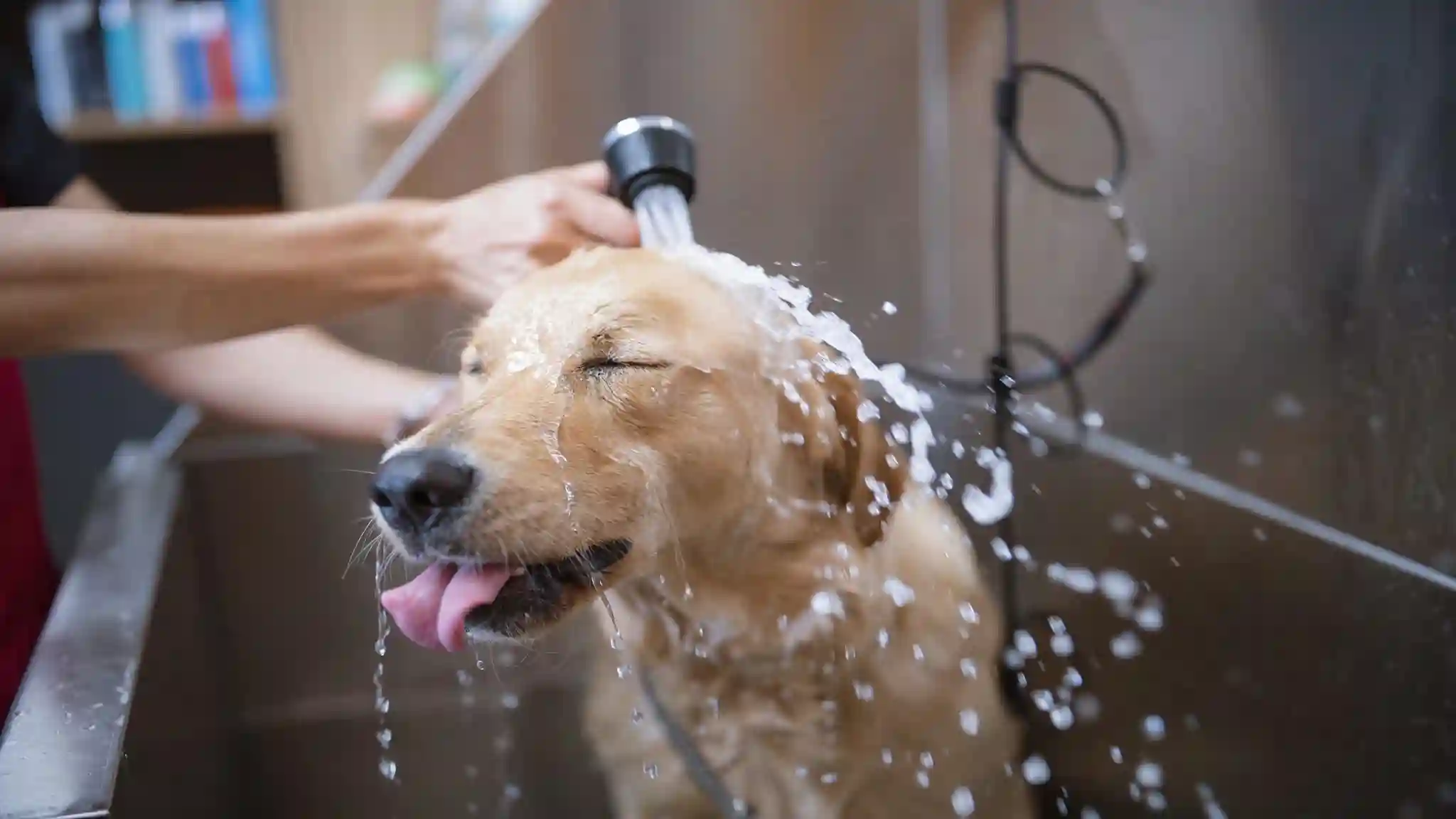
Table of Contents
Dog grooming tips are essential for every pet owner, offering a comprehensive approach to maintaining your canine companion’s health, hygiene, and overall happiness. Regular grooming is more than just making your dog look good; it’s a preventative health measure that can help detect potential issues early, from skin infections and parasites to dental problems and painful matting. Neglecting grooming can lead to a myriad of discomforts and health complications for your beloved pet, making it a non-negotiable part of responsible dog ownership. This ultimate guide will delve into various aspects of dog grooming, providing practical advice and techniques to ensure your furry friend stays in top condition, feels comfortable, and looks their best.
Why Dog Grooming is Essential for Your Pet’s Well-being
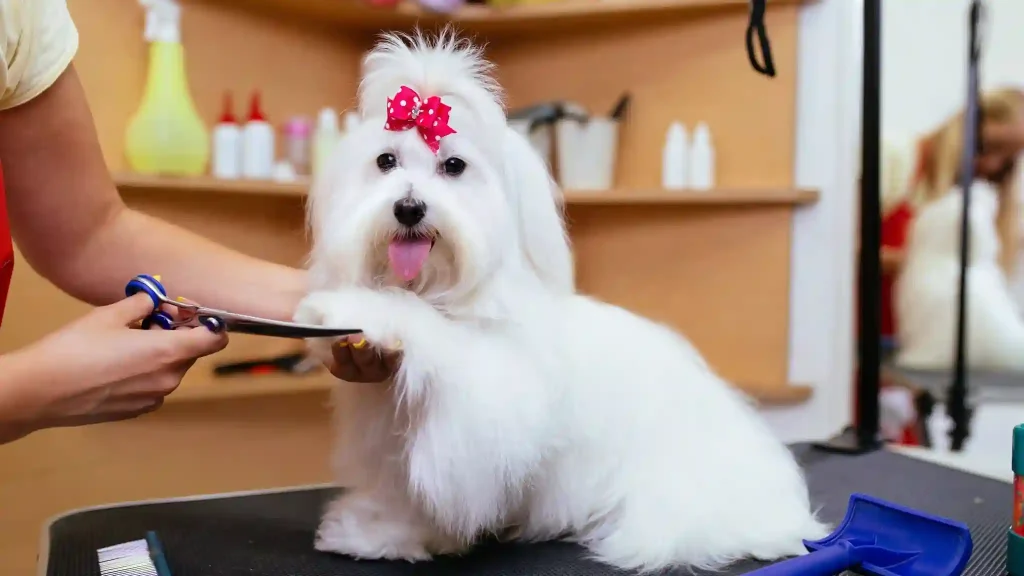
Regular dog grooming is not merely about aesthetics; it is a fundamental pillar of preventative health care that contributes significantly to your dog’s overall well-being. Firstly, grooming sessions provide an invaluable opportunity for early detection of potential health concerns. While brushing, bathing, or trimming nails, owners can closely examine their dog’s skin for lumps, bumps, rashes, parasites like fleas or ticks, and any unusual lesions that might indicate underlying health problems. Identifying these issues early can lead to more effective and less invasive treatments, saving both discomfort for your pet and significant veterinary costs. For instance, a persistent scratch might point to allergies or a skin infection, while a new lump could require veterinary assessment to rule out more serious conditions.
Beyond early detection, grooming plays a crucial role in maintaining your dog’s physical comfort and hygiene. Matting, particularly prevalent in dogs with longer or curly coats, can be incredibly painful. These tangled clumps of fur pull on the skin, restrict movement, and can hide skin infections and parasites. Regular brushing prevents matting, allowing air to circulate and keeping the coat healthy. Similarly, overgrown nails can cause significant discomfort, alter a dog’s gait, and lead to paw injuries or even skeletal problems over time. Proper nail trimming ensures your dog can walk, run, and play without pain or impediment. Furthermore, consistent bathing and brushing remove dirt, debris, loose fur, and allergens from your dog’s coat, reducing unpleasant odors and promoting a healthier skin barrier. This not only keeps your home cleaner but also minimizes environmental allergens for family members who might have sensitivities. Finally, grooming can be a wonderful bonding experience, strengthening the relationship between you and your pet through gentle touch and positive interaction, making the process less stressful and more enjoyable for both of you.
Understanding Your Dog’s Coat Type: A Foundation for Effective Grooming
Effective dog grooming begins with a thorough understanding of your dog’s specific coat type, as different coats require distinct care routines and tools. There is no one-size-fits-all approach to grooming; what works wonders for a short-haired breed could be detrimental to a long-haired or double-coated dog. Generally, dog coats can be categorized into several main types, each presenting unique grooming challenges and needs.
- Short, Smooth Coats: Breeds like Beagles, Boxers, and Greyhounds typically have short, smooth coats that lie close to the body. These coats are relatively low-maintenance, requiring weekly brushing with a rubber curry brush or a shedding blade to remove loose hair and stimulate skin oils. Regular bathing, perhaps once a month or as needed, is usually sufficient.
- Double Coats: Many breeds, including Huskies, German Shepherds, and Golden Retrievers, possess a double coat consisting of a soft, dense undercoat for insulation and a coarser outer coat for protection. These dogs are heavy seasonal shedders and require frequent brushing, often daily during shedding seasons, with an undercoat rake and a slicker brush. Professional deshedding treatments can also be highly beneficial to prevent matting and reduce shedding in the home. Neglecting the undercoat can lead to severe matting close to the skin, which can be very painful.
- Long, Silky Coats: Breeds such as Shih Tzus, Yorkshire Terriers, and Afghan Hounds have luxurious long, silky coats that demand daily attention. These coats are prone to tangling and matting and require regular brushing with a pin brush and comb to keep them free of knots. Daily brushing is often necessary, along with frequent bathing and conditioning to maintain the coat’s health and sheen.
- Wire-Haired Coats: Terriers like the Airedale and West Highland White Terrier feature a coarse, wiry outer coat over a softer undercoat. These coats need regular brushing with a slicker brush and comb, but also require “hand stripping” or professional grooming to remove dead hair and maintain the coat’s texture and color. Clipping a wire coat can soften its texture and alter its color.
- Curly/Wavy Coats: Poodles, Bichon Frises, and Portuguese Water Dogs have curly or wavy coats that shed minimally but are highly prone to matting if not brushed regularly. These coats require daily brushing with a slicker brush and comb, along with professional grooming every 4-8 weeks for clipping and shaping.
Understanding these distinctions is crucial for selecting the correct grooming tools and establishing a routine that supports your dog’s specific coat health. Using the wrong brush or neglecting the specific needs of a coat type can lead to discomfort for your dog and make grooming an unpleasant experience for both of you.
Bathing Your Dog Effectively: More Than Just a Splash
Bathing your dog is a fundamental part of a comprehensive grooming routine, not only for cleanliness but also for skin and coat health. However, a proper bath involves more than simply getting your dog wet and applying shampoo. It requires preparation, a systematic process, and careful drying to ensure your dog is truly clean, comfortable, and free from potential skin issues.
Pre-Bath Preparation: Setting the Stage for Success
Before you even think about turning on the water, thorough preparation is key to a smooth and stress-free bathing experience. Firstly, gather all your supplies within easy reach: dog-specific shampoo and conditioner, several clean towels (including a large absorbent one), a brush or comb, cotton balls for ear protection, and perhaps a non-slip mat for the tub. Never use human shampoo on dogs, as it can irritate their skin due to differing pH levels. Next, and crucially, give your dog a thorough brush-out. This step is non-negotiable, especially for dogs with medium to long coats. Brushing before a bath helps to remove loose hair, dirt, and, most importantly, any mats. Wetting matted fur will only make the tangles tighter and more difficult, if not impossible, to remove without resorting to cutting. Place cotton balls gently in your dog’s ears to prevent water from entering the ear canal, which can lead to ear infections. Finally, have plenty of treats on hand to reward good behavior throughout the process.
The Bathing Process: Gentle Cleansing for a Healthy Coat
Once prepared, lead your dog to the bathing area. A bathtub, a walk-in shower, or a dedicated utility sink works well. Begin by thoroughly wetting your dog’s coat with lukewarm water. Ensure the water temperature is comfortable—not too hot and not too cold—and always test it with your hand first. Start from the neck and work your way down to the tail, making sure the water penetrates even the densest undercoat. Be careful to avoid getting water directly in their eyes or ears. Apply the dog shampoo, starting from the neck and moving towards the tail and legs. Lather gently, massaging the shampoo into the coat and down to the skin. Pay close attention to areas that tend to get dirtier, such as the paws, belly, and around the tail. For dogs with skin conditions, your vet might recommend a medicated shampoo, which often requires a specific contact time before rinsing. Always follow the product instructions carefully. The most critical step in bathing is rinsing. Rinse your dog thoroughly, even more thoroughly than you think is necessary. Any shampoo residue left on the skin or coat can cause irritation, dryness, and flakiness, potentially leading to skin problems. Continue rinsing until the water runs clear and you can no longer feel any slickness on the coat. If using conditioner, apply it after rinsing the shampoo, let it sit for the recommended time, and then rinse again just as thoroughly.
Drying Your Dog: Preventing Skin Issues and Matting
Proper drying is just as important as the bath itself. Start by gently squeezing excess water from your Dog Grooming coat with your hands. Then, use absorbent towels to pat and rub your dog dry. Avoid vigorous rubbing, especially for dogs with long or curly hair, as this can create tangles and mats. For most dogs, air drying is sufficient, but if you have a dog with a thick double coat or very long hair, a low-heat, pet-specific blow dryer can significantly speed up the process and help prevent skin issues. If using a human blow dryer, ensure it is set to a cool or low-heat setting to avoid burning your Dog Grooming skin. While blow-drying, continuously brush the coat to help untangle any knots and ensure the fur dries evenly. This is particularly important for breeds prone to matting. Make sure your dog is completely dry before allowing them back outside, especially in cold weather, to prevent chilling or the development of “hot spots” (moist dermatitis) caused by dampness trapped against the skin. Once dry, give your Dog Grooming a final brush-through to ensure their coat is smooth, tangle-free, and looking its best.
| Grooming Task | Recommended Frequency (General) | Notes |
|---|---|---|
| Brushing | Daily to 2-3 times per week | Depends heavily on coat type; long, curly, and double coats need more frequent attention. |
| Bathing | Every 4-8 weeks or as needed | Over-bathing can strip natural oils; use Dog Grooming-specific shampoo. |
| Nail Trimming | Every 2-4 weeks | Listen for clicking on hard floors; trim before nails become too long. |
| Ear Cleaning | Weekly to monthly | Check ears regularly for redness, odor, or excessive wax. |
| Teeth Brushing | Daily to 3 times per week | Use Dog Grooming-specific toothpaste and brush; critical for dental health. |
| Eye Cleaning | Daily or as needed | Wipe away discharge, especially for brachycephalic breeds. |
Brushing Techniques for Different Coats: Detangling and Deshedding
Brushing is arguably the most frequent and one of the most vital aspects of dog grooming, offering benefits that extend beyond just a tidy appearance. Regular brushing helps to remove loose hair, dirt, and debris, preventing mats and tangles, distributing natural skin oils for a healthy, shiny coat, and stimulating circulation. The technique and tools you use will depend significantly on your Dog Grooming coat type.
- For Short, Smooth Coats (e.g., Labrador, Beagle): Use a rubber curry brush or a shedding blade. A curry brush is excellent for stimulating the skin and removing dead hair, while a shedding blade can effectively remove loose hair, especially during shedding seasons. Brush in the direction of hair growth, applying light pressure.
- For Long, Silky Coats (e.g., Yorkshire Terrier, Afghan Hound): These coats require daily attention to prevent matting. Start with a pin brush, gently working through the coat to remove tangles. Follow up with a metal comb to ensure all knots are gone, paying special attention to areas behind the ears, under the legs, and on the tail. A technique called “line brushing,” where you part the hair and brush in sections from the skin outwards, is highly effective for these coats.
- For Double Coats (e.g., German Shepherd, Husky): These coats shed heavily, especially seasonally, and require dedicated tools. An undercoat rake is essential for reaching through the topcoat to pull out loose undercoat without damaging the guard hairs. Follow with a slicker brush to remove any remaining loose fur and smooth the topcoat. During shedding season, daily brushing with these tools is crucial to prevent matting and reduce the amount of fur around your home.
- For Wire-Haired Coats (e.g., Terriers): A slicker brush and metal comb are used for daily grooming. These coats also often benefit from hand stripping, a technique where dead hair is plucked by hand (or with a stripping knife) rather than cut. This maintains the coat’s wiry texture and vibrant color. If not stripped, clipping will soften the texture over time.
- For Curly/Wavy Coats (e.g., Poodle, Bichon Frise): These coats don’t shed much but mat easily. Regular brushing with a slicker brush is vital, often daily, followed by a comb to check for tangles. Always brush gently, working through small sections, and ensure you reach down to the skin to prevent mats from forming at the base of the hair shaft.
Regardless of coat type, always introduce brushing positively with treats and praise, especially for puppies, to make it an enjoyable routine for your Dog Grooming. Consistency is key to maintaining a healthy, tangle-free coat.
Nail Trimming: A Crucial Step for Comfort and Health
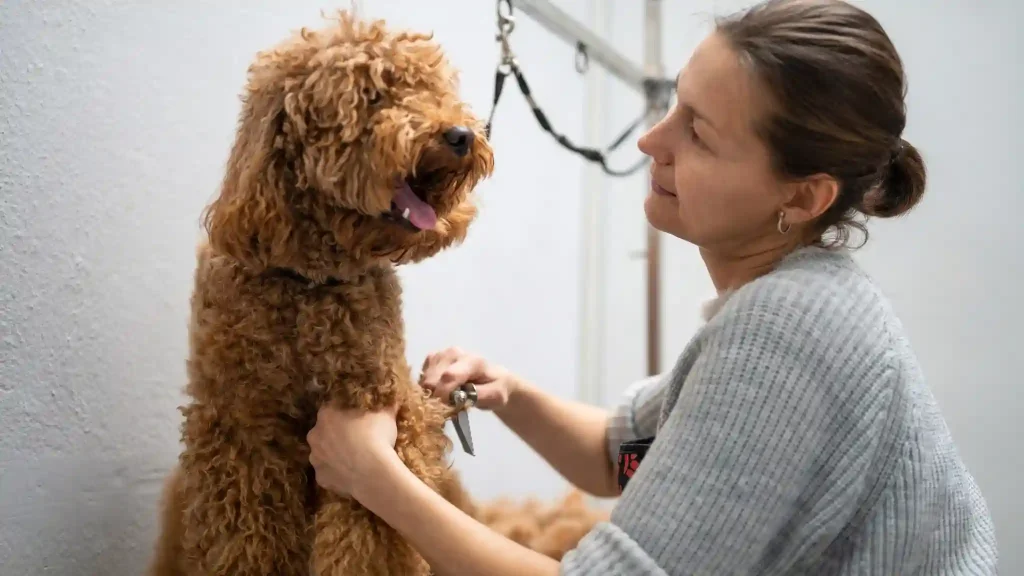
Nail trimming is often one of the most dreaded grooming tasks for both pet owners and their Dog Grooming, yet it is absolutely critical for your dog’s comfort, health, and overall well-being. Overgrown nails can lead to a host of problems, impacting not only your dog’s paws but also their posture and skeletal alignment. When nails become too long, they can curl under and grow into the paw pads, causing excruciating pain, infection, and making walking extremely difficult. Furthermore, long nails force a Dog Grooming toes upwards when they stand, altering their natural gait and putting undue stress on their joints, hips, and spine over time.
There are two main types of nail trimmers available: the scissor-style (often preferred for smaller Dog Grooming) and the guillotine-style (common for larger breeds). For those uncomfortable with clippers, a Dremel tool or a pet-specific nail grinder can be an excellent alternative, gradually filing down the nails. Whichever tool you choose, ensure it is sharp to provide a clean cut and prevent splitting the nail.
The key to successful nail trimming is to trim only the tip of the nail, avoiding the “quick”—a sensitive area within the nail that contains blood vessels and nerves. In clear or white nails, the quick appears as a pinkish area. In dark nails, it’s much harder to see, making it advisable to trim small amounts frequently. If you accidentally cut the quick, it will bleed and be painful for your dog. Having styptic powder (or cornstarch as an emergency alternative) on hand is always a good idea to quickly stop any bleeding. To desensitize your Dog Grooming to nail trimming, start by simply handling their paws regularly from a young age, associating it with positive reinforcement. When trimming, do it in a quiet, calm environment. Hold your dog securely, extend the paw, and firmly hold a toe. Trim the tip of the nail at a slight angle, just beyond the quick. If using a grinder, aim for a smooth, rounded edge. Consistency is vital; aim to trim nails every 2-4 weeks, or whenever you hear them clicking on hard floors. Regular, short sessions are far less stressful for your Dog Grooming than infrequent, prolonged struggles.
Ear Cleaning and Dental Care: Overlooked but Vital Grooming Aspects
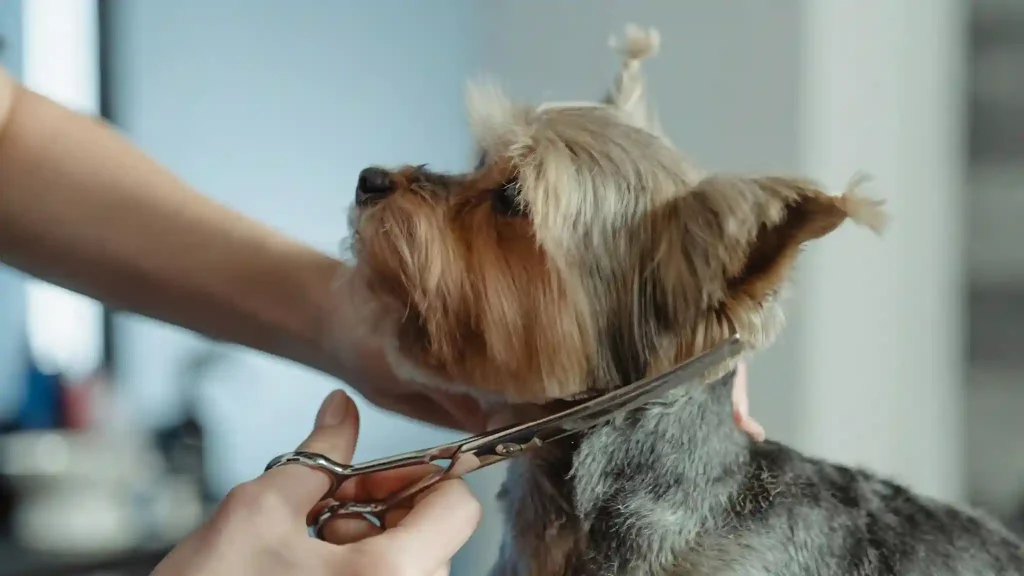
While brushing and bathing are often top of mind for dog grooming, ear cleaning and dental care are equally, if not more, critical for your Dog Grooming long-term health. These areas are frequently overlooked, but neglecting them can lead to painful infections and serious systemic health issues.
Ear Cleaning: Preventing Infections
A dog’s ears, especially those with floppy or hairy ears, provide a warm, moist environment that is a breeding ground for bacteria and yeast, leading to uncomfortable and often recurrent ear infections. Regular ear checks and cleaning are essential preventative measures. Examine your Dog Grooming ears weekly for any signs of redness, swelling, discharge (especially dark or waxy), or an unpleasant odor. Also, watch for behaviors such as head shaking, pawing at the ears, or rubbing their head against furniture, which can indicate discomfort or pain. To clean your dog’s ears, use a vet-approved ear cleaning solution and cotton balls or gauze pads. Never use cotton swabs, as they can push debris further into the ear canal or damage the eardrum. Gently lift your dog’s ear flap and apply a small amount of the cleaning solution into the ear canal. Massage the base of the ear for about 30 seconds to help break up any wax or debris. Allow your Dog Grooming to shake their head; this helps to dislodge loosened material. Then, use a clean cotton ball or gauze pad to gently wipe away any visible dirt or excess solution from the outer ear and the folds of the ear flap. Do not insert anything deeply into the ear canal. If you notice persistent redness, strong odor, excessive discharge, or if your dog shows signs of pain, consult your veterinarian immediately, as these are signs of an active infection that requires medical treatment.
Dental Care: A Cornerstone of Overall Health
Dental hygiene in Dog is often the most neglected aspect of grooming, yet it profoundly impacts their overall health and longevity. Just like humans, dogs can develop plaque and tartar buildup, leading to gingivitis, periodontal disease, and painful tooth loss. The bacteria associated with severe dental disease can also enter the bloodstream and affect vital organs such as the heart, kidneys, and liver, leading to serious systemic health problems.
The gold standard for canine dental care is daily tooth brushing. Use a soft-bristled toothbrush designed for dogs or a finger brush, along with enzymatic Dog toothpaste (never human toothpaste, which contains ingredients toxic to dogs). Introduce brushing gradually, making it a positive experience with praise and treats. Focus on the outer surfaces of the teeth, where plaque tends to accumulate most. While daily brushing is ideal, even brushing three times a week can make a significant difference. In addition to brushing, dental chews and toys designed to reduce plaque can be beneficial, but they are generally supplemental and not a replacement for brushing. Regular professional dental cleanings under anesthesia, performed by a veterinarian, are also crucial, especially as Dog age. During these cleanings, the vet can thoroughly scale away tartar, polish teeth, and address any extractions or other dental issues. For more detailed information on canine dental health, you can refer to resources like Wikipedia’s article on dog dental care. Prioritizing dental care will significantly improve your Dog Grooming quality of life and potentially extend their lifespan.
Professional Grooming vs. Home Grooming: Finding the Right Balance
Deciding whether to groom your Dog at home or rely on professional groomers is a common dilemma for many pet owners. Both approaches have distinct advantages and disadvantages, and often, the most effective strategy involves a combination of both to ensure your Dog receives comprehensive care tailored to their needs.
Home Grooming:
- Pros:
- Cost-Effective: Doing it yourself can save a significant amount of money over time, especially for breeds requiring frequent grooming.
- Bonding: Grooming sessions can be a wonderful opportunity to strengthen your bond with your Dog through gentle touch and positive interaction.
- Convenience: You can groom your Dog on your own schedule, in the comfort of your home, without the need for appointments or travel.
- Early Detection: Regular home grooming allows you to become intimately familiar with your Dog Grooming body, making it easier to spot new lumps, bumps, or skin issues.
- Cons:
- Time-Consuming: Proper grooming, especially for certain coat types, can be very time-consuming and labor-intensive.
- Skill and Equipment: Achieving professional results requires specific skills, knowledge, and a range of specialized tools, which can be an upfront investment. Incorrect techniques can cause discomfort or injury to your Dog.
- Stress for Pet: Some Dog Grooming may be less cooperative during home grooming, potentially turning the experience into a stressful ordeal for both owner and pet.
- Limited Services: Certain services, like intricate styling, breed-specific cuts, or anal gland expression, are often best left to professionals.
Professional Grooming:
- Pros:
- Expertise and Skill: Professional groomers possess the knowledge and experience to handle all coat types and temperaments, delivering high-quality, breed-specific cuts and styles.
- Specialized Equipment: Grooming salons have industrial-grade equipment, such as high-velocity dryers and specialized tubs, which can make the process more efficient and effective.
- Comprehensive Services: Professionals offer a full range of services, including de-shedding treatments, intricate styling, and often supplementary services like teeth brushing or anal gland expression.
- Safety: Experienced groomers know how to handle difficult Dog Grooming safely and are skilled in preventing injuries during sensitive procedures like nail trims or ear cleaning.
- Time-Saving: Outsourcing grooming frees up your time, allowing you to focus on other aspects of pet care or personal commitments.
- Cons:
- Cost: Professional grooming can be expensive, especially for larger breeds or those requiring frequent appointments.
- Stress for Pet: Some Dog Grooming may find the unfamiliar environment, sounds, and handling by strangers stressful, leading to anxiety or fear.
- Scheduling: You are tied to the groomer’s availability and appointment schedule.
For most Dog owners, a balanced approach is often the most practical and beneficial. You can perform routine tasks like daily brushing, quick wipe-downs, and regular ear checks at home. For more complex procedures like detailed haircuts, thorough deshedding, or nail trims for difficult dogs, professional grooming every few weeks or months can fill the gaps. This hybrid approach allows you to save money, maintain a strong bond with your pet through daily care, and still ensure your Dog receives the specialized attention and expert services that only a professional groomer can provide, ultimately contributing to a happier, healthier, and well-groomed companion.
Conclusion
Dog grooming tips, when consistently applied, form the bedrock of responsible pet ownership, extending far beyond mere aesthetics to encompass your Dog Grooming fundamental health and happiness. As we’ve explored, a diligent grooming routine—encompassing regular brushing tailored to coat type, effective bathing and drying, meticulous nail trimming, and vital ear and dental care—serves as a powerful preventative measure against a myriad of potential health issues. From the early detection of skin conditions and parasites to preventing painful matting and serious dental diseases, each grooming task contributes significantly to your Dog Grooming physical comfort and overall well-being. Whether you choose to undertake all grooming tasks at home, rely entirely on the expertise of a professional, or, as is often most effective, blend both approaches, the key lies in consistency and attentiveness. By understanding your Dog Grooming unique needs and committing to a regular grooming schedule, you not only ensure they look their best but also foster a deeper bond, enhance their quality of life, and contribute to their longevity. Investing time and effort into your dog’s grooming is an investment in their health, comfort, and the enduring joy they bring into your life.