Dog Grooming: 10 Best Checklist Tips for First Time Owners
Table of Contents
Dog grooming, for first-time owners, can often seem like a daunting task, filled with uncertainty about the right tools, techniques, and frequency. However, integrating a consistent grooming routine into your pet’s life from an early age is not just about aesthetics; it’s a fundamental aspect of their overall health and well-being. Regular grooming helps maintain healthy skin and coat, prevents painful mats, allows for early detection of potential health issues, and strengthens the bond between you and your furry companion. This comprehensive guide aims to equip new dog owners with a practical dog grooming checklist, offering clear, actionable advice to make the process manageable and enjoyable for both you and your canine friend. By understanding the basics and committing to a routine, you can ensure your dog stays happy, healthy, and looking their best.
Understanding Your Dog’s Unique Grooming Needs
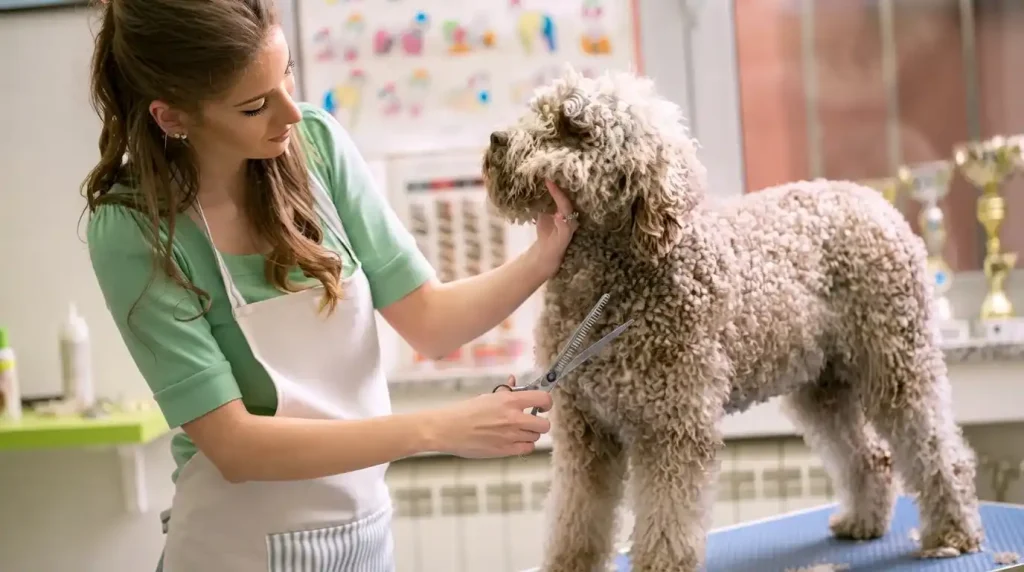
Before diving into the specifics of grooming, it’s crucial for first-time owners to understand that not all dogs have the same grooming requirements. A Labrador Retriever, for instance, will have very different needs from a Poodle or a Basset Hound. The primary factors influencing your dog’s grooming schedule and necessary tools are their breed, coat type, and lifestyle. Breeds with long, flowing coats, like Afghan Hounds or Shih Tzus, will require daily brushing to prevent tangles and mats, while short-haired breeds, such as Beagles, might only need brushing once or twice a week to remove loose fur and stimulate skin oils.
Consider your dog’s coat type: is it smooth, wiry, curly, or double-coated? Each type demands specific care. Double-coated breeds, like Huskies or German Shepherds, shed profusely, especially seasonally, and benefit from specialized rakes and de-shedding tools to remove loose undercoat without damaging the topcoat. Curly-coated breeds, such as Poodles or Bichon Frises, require regular clipping in addition to brushing to prevent their hair from growing too long and matting. Wiry-coated dogs, like Terriers, often benefit from hand-stripping to maintain the texture and color of their coat. Understanding these nuances will guide your tool selection and the frequency of each grooming activity, setting the foundation for an effective and beneficial routine. A dog that spends a lot of time outdoors might also need more frequent baths or paw care than an indoor-only pet. Researching your specific breed’s grooming standards or consulting with your veterinarian or a professional groomer can provide invaluable insights tailored to your dog’s individual needs.
Essential Grooming Tools for a First-Time Owner
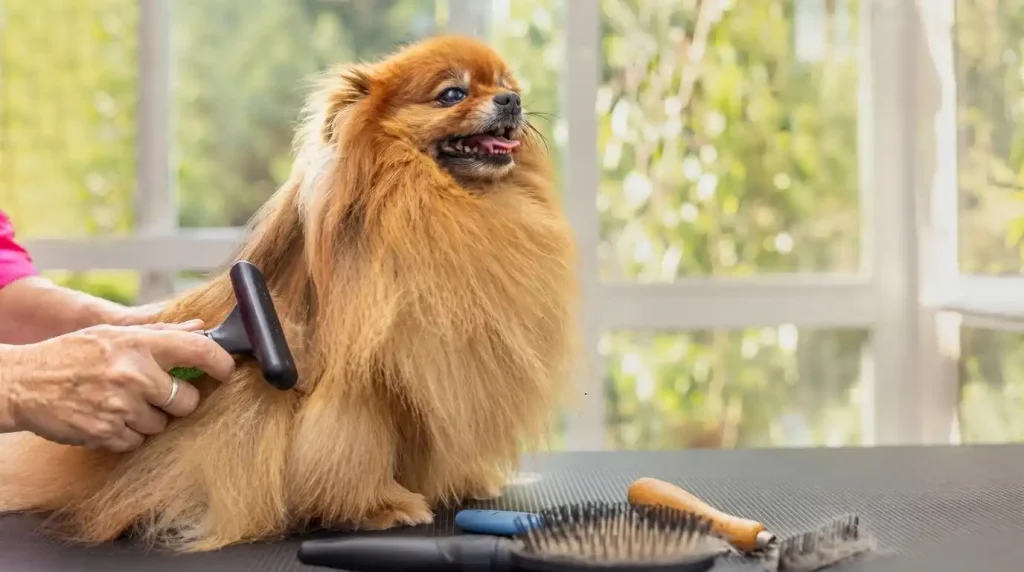
Equipping yourself with the right tools is the first step toward successful home grooming. Walking into a pet store can be overwhelming with the array of options, but a few key items form the foundation of any comprehensive grooming kit. For brushing, you’ll likely need a combination of brushes. A slicker brush is excellent for removing loose hair and small mats, especially for medium to long-haired breeds, while a pin brush is gentler and works well for longer coats to detangle without pulling. For short-haired dogs, a rubber curry brush or grooming mitt can effectively remove loose fur and provide a gentle massage.
Shampoos and conditioners specifically formulated for dogs are non-negotiable; human products can irritate their skin due to different pH levels. Look for tearless formulas for puppies or sensitive skin varieties if your dog shows signs of irritation. Nail care is vital, and you’ll need either guillotine-style clippers, scissor-style clippers, or a nail grinder. The choice often comes down to personal preference and your dog’s comfort level. Don’t forget styptic powder, a crucial item to stop bleeding quickly if you accidentally cut the quick. Ear cleaning solution and cotton balls (never cotton swabs) are essential for maintaining ear hygiene, particularly for dogs with floppy ears prone to infections. Finally, a dog-specific toothbrush and toothpaste are critical for dental health, preventing tartar buildup and gum disease. Investing in quality tools from the outset will make the grooming process smoother and more effective, ensuring your dog’s comfort and health in the long run.
Additional items that can greatly assist a first-time owner include high-quality, absorbent towels, and a non-slip mat for the tub or grooming surface. For those looking to make grooming even easier, especially with larger or more active dogs, a grooming table with a restraint arm can provide a stable and elevated surface, reducing back strain for the owner and keeping the dog secure. These tables are particularly useful for detailed work like trimming around the paws or face. Remember, the goal is to create a positive and safe environment, and having the right equipment contributes significantly to achieving this.
| Grooming Task | Recommended Tools | Frequency (General Guideline) |
|---|---|---|
| Brushing | Slicker brush, pin brush, curry brush, de-shedding tool (e.g., rake) | Daily to 2-3 times a week, depending on coat type |
| Bathing | Dog-specific shampoo & conditioner, absorbent towels, non-slip mat | Every 3-4 weeks, or as needed |
| Nail Trimming | Guillotine or scissor clippers, nail grinder, styptic powder | Every 2-4 weeks, or when nails touch the ground |
| Ear Cleaning | Dog ear cleaning solution, cotton balls (not swabs) | Weekly to monthly, or as needed for floppy-eared dogs |
| Dental Care | Dog toothbrush, dog toothpaste | Daily or every other day |
| Eye Care | Soft damp cloth, dog-specific eye wipes/solution | As needed to remove discharge |
A Step-by-Step Dog Grooming Routine for Beginners
Establishing a consistent routine is key to making Dog Grooming a stress-free experience for your dog. Start slow and keep initial sessions short, gradually increasing duration as your dog becomes more comfortable. The first step in any grooming session should always be a thorough brushing. This helps to remove loose hair, dirt, and prevents mats before bathing, which can tighten tangles and make them harder to remove. Use the appropriate brush for your dog’s coat, working gently and methodically through sections. Pay extra attention to areas prone to matting, such as behind the ears, armpits, and under the tail.
Once brushed, it’s time for bathing. Before getting your dog wet, place cotton balls loosely in their ears to prevent water from entering the ear canal, which can lead to infections. Use lukewarm water and a dog-specific shampoo, working it into a lather from neck to tail, being careful to avoid the eyes and inside the ears. Rinse thoroughly until all shampoo residue is gone, as leftover product can cause skin irritation. Follow up with a dog conditioner if your dog has a longer or dry coat, rinsing again. After the bath, gently squeeze excess water from their fur and towel-dry. For dogs with thick coats, a low-heat hairdryer specifically designed for pets can speed up drying and help fluff out their fur, but always keep it moving to prevent skin burns. Ensure your dog is completely dry to prevent skin issues like hot spots.
Next comes nail trimming, which can be intimidating for many first-time owners. It’s vital to get your dog accustomed to having their paws handled early on. Trim only the very tip of the nail, avoiding the quick – the pink part of the nail that contains blood vessels and nerves. If you have a dog with dark nails, trim in small increments until you see a small gray or black dot in the center, indicating you’re close to the quick. Using a grinder can also be a gentler alternative for some dogs. After nails, move to ear cleaning. Apply a veterinarian-approved ear cleaning solution into the ear canal, gently massage the base of the ear for 20-30 seconds, then use a cotton ball to wipe away any discharge or debris from the visible parts of the ear. Never insert anything into the ear canal itself. Finally, address dental care. Daily brushing with dog toothpaste significantly reduces plaque and tartar buildup, contributing to overall health. Introduce the toothbrush and paste slowly, making it a positive experience with rewards. Consistent practice of these steps will make Dog Grooming a routine part of your dog’s life.
Dealing with Common Dog Grooming Challenges
Even with the best intentions and tools, first-time owners are likely to encounter some common Dog Grooming challenges. One of the most frequent issues is matting, especially in dogs with longer or curly coats. Mats are tightly tangled clumps of fur that can be painful, pull on the skin, and even restrict blood flow. Prevention is always better than cure, which means consistent daily or every-other-day brushing is crucial. If you do encounter a mat, try to gently tease it apart with your fingers or a wide-toothed comb, working from the outside in. For stubborn mats, a mat splitter or a blunt-nosed scissor can be used, but extreme caution is advised to avoid cutting the skin underneath. If mats are severe or close to the skin, it’s often safer to consult a professional groomer to avoid injury. Attempting to bathe a matted dog can tighten the mats, making them even harder to remove and causing more discomfort.
Another common concern is shedding. All dogs shed to some extent, but some breeds are notorious for it. While you can’t stop shedding entirely, you can manage it effectively with the right tools. De-shedding tools, like specialized rakes or brushes designed to reach the undercoat, can significantly reduce the amount of loose hair around your home. Regular brushing also stimulates the natural oils in your dog’s skin, promoting a healthier coat that may shed less. Seasonal shedding, often referred to as “blowing coat,” will require more frequent and intensive de-shedding sessions. Many dogs also develop a fear or aversion to grooming, especially nail trimming or bathing. This often stems from negative past experiences or a lack of early exposure. Patience and positive reinforcement are your best allies. Introduce Dog Grooming tools slowly, allowing your dog to sniff and investigate them. Pair each Dog Grooming step with high-value treats and praise. Keep sessions short and stop before your dog gets overly stressed. For example, during nail trims, trim one or two nails, then reward, rather than trying to do all four paws at once. If your dog exhibits extreme anxiety or aggression during grooming, seeking guidance from a professional trainer or veterinary behaviorist can provide strategies to overcome these challenges and ensure a safe and positive experience for everyone involved.
Knowing When to Seek Professional Dog Grooming Help

While home grooming is a rewarding and important part of dog ownership, there are certain situations where enlisting the expertise of a professional groomer is not only beneficial but often necessary. First and foremost, if your dog has developed severe matting that you cannot safely or comfortably remove yourself, a professional groomer has the specialized tools and experience to tackle it without injuring your pet. Attempting to cut out tight mats with regular scissors at home can easily lead to accidental nicks or cuts to the skin, which can be both painful and lead to infections. Professional groomers are trained to assess the extent of matting and determine the safest course of action, which may involve a complete shave-down to relieve the dog’s discomfort. It’s important to remember that this is for the dog’s well-being and not a judgment on your Dog Grooming efforts.
Secondly, certain breeds require specific haircuts that are difficult or impossible to achieve without professional training and specialized equipment. Poodles, Bichon Frises, some Terriers, and many other breeds benefit from breed-specific clips that maintain their coat health and appearance. A professional groomer understands coat types, growth patterns, and breed standards, ensuring your dog looks their best and their coat remains healthy. Additionally, if you find yourself struggling with aspects like nail trimming because your dog is particularly fearful or uncooperative, a professional groomer can often handle these tasks more efficiently and safely, sometimes even using specific techniques to calm anxious dogs. They also have access to high-velocity dryers and professional bathing tubs that can make the process quicker and more effective, especially for large breeds. For more information on responsible pet ownership and health, resources like the American Veterinary Medical Association (AVMA) website offer a wealth of knowledge on pet care and well-being. Lastly, a professional groomer might identify underlying skin conditions, parasites, or lumps during their routine work that you might have missed. They act as an extra pair of eyes, sometimes spotting health issues that warrant a visit to the veterinarian. Partnering with a professional groomer for periodic full-service grooms, even if you do regular maintenance at home, can be a valuable investment in your dog’s health and happiness.
Building a Positive Dog Grooming Experience
The foundation of a successful and stress-free Dog Grooming routine lies in creating a positive association for your dog from a young age. For first-time owners, this means introducing Dog Grooming gradually and making every interaction as pleasant as possible. Start by simply handling your puppy’s paws, ears, and mouth regularly, even if you’re not actively Dog Grooming them. Pair these touches with gentle praise and high-value treats, teaching them that being handled is a good thing. This desensitization process is crucial and will pay dividends when it comes to actual nail trims or teeth brushing.
When you begin introducing grooming tools, let your dog sniff them and reward their curiosity. Turn on clippers or grinders nearby without touching your dog, allowing them to get used to the sound. Gradually move the tools closer, always rewarding calm behavior. Keep initial Dog Grooming sessions very short, perhaps just a quick brush or one nail trim, and immediately end with a play session or a special treat. The goal is to finish before your dog becomes anxious or stressed. Consistency is also vital; regular, short Dog Grooming sessions are far more effective than infrequent, long, and stressful ones. Use a calm and reassuring voice throughout the process, and if your dog shows signs of stress (lip licking, yawning, tail tucked, trying to escape), take a break. Never force your dog or punish them during Dog Grooming , as this can create lasting negative associations. Instead, try again later when both of you are calm. If you find your dog is particularly anxious or reactive, consider enrolling in puppy classes or consulting with a professional dog trainer who specializes in cooperative care. With patience, positive reinforcement, and a consistent approach, you can transform Dog Grooming from a chore into a bonding experience that contributes significantly to your dog’s overall well-being and happiness.
Conclusion
Embarking on the journey of dog ownership is incredibly rewarding, and understanding the importance of regular Dog Grooming is a cornerstone of responsible pet care. For first-time owners, the prospect of Dog Grooming might seem overwhelming, but by following a clear checklist, understanding your dog’s specific needs, and approaching the task with patience and positive reinforcement, it quickly becomes a manageable and even enjoyable part of your routine. Equipping yourself with the right tools, establishing a consistent step-by-step process, and knowing when to seek professional assistance will not only keep your dog looking great but, more importantly, contribute significantly to their health, comfort, and happiness. Remember, Dog Grooming is more than just maintaining appearances; it’s an opportunity to strengthen your bond, monitor your pet’s health, and ensure they live a full, vibrant life by your side.