9 Best Breeds for Dogs Grooming Needs: Easy Maltese Grooming Guide at Home

Table of Contents
Best breeds for dogs in apartment living with grooming needs are a significant consideration for urban dwellers looking to add a canine companion to their lives. The compact nature of apartment living necessitates careful selection of a dog breed that can thrive in smaller spaces, exhibiting a calm demeanor, manageable energy levels, and, crucially, a temperament that is considerate of neighbors. Beyond personality and size, the grooming requirements of a dog are paramount, especially in an enclosed environment where shedding, dander, and odors can become more noticeable. This comprehensive guide delves into the characteristics that define an ideal apartment dog, explores several top breeds, and provides an in-depth Maltese grooming guide for owners seeking to maintain their furry friend’s health and appearance from the comfort of their home. Finding the best breeds for dogs in apartments requires careful research.
Best Breeds for Dogs: What Makes a Breed Suitable?
Choosing a dog for apartment living involves more than just selecting a small breed. While size is often the first consideration, it’s merely one of several factors that contribute to a dog’s suitability for urban environments. An ideal apartment dog possesses a combination of traits that allow them to live harmoniously in close quarters with their human companions and neighbors alike. The best breeds for dogs in apartments share these traits.
- Size and Space: Naturally, smaller breeds often fare better in apartments as they physically require less space to move around comfortably. However, some larger breeds with surprisingly calm dispositions, such as Greyhounds, can also adapt well to apartment life, as long as their moderate exercise needs are met.
- Energy Levels and Exercise Needs: High-energy dogs that require extensive daily exercise may struggle in an apartment setting, even if they are small. Breeds with low to moderate energy levels that are content with daily walks and indoor play are typically better suited.
- Barking Tendencies: Excessive barking can quickly lead to neighbor complaints and stress for both the dog and owner. Breeds known for their quiet nature or minimal barking are highly desirable for apartment dwellers. Basenjis, for instance, are famously nicknamed “barkless dogs,” although they can make other unique vocalizations like yodeling.
- Trainability and Adaptability: A dog that is easily trained and can adapt to a routine is crucial. Apartment life often means navigating shared spaces, elevators, and encountering new people and pets regularly. A dog that can handle these situations calmly is an asset. For foundational training advice that can help build trust, you might find our guide on easy commands every puppy should learn very useful.
- Temperament: A calm, affectionate, and easy-going temperament is key. Dogs that are prone to separation anxiety or destructive behaviors when left alone might find apartment living particularly challenging. For related tips on managing behavior, you might also want to read our piece on how to stop excessive dog barking .
Top Apartment-Friendly Dog Breeds and Their General Grooming Requirements
Many breeds can thrive in apartments, provided their specific needs are met. Here are some of the most popular choices, along with a brief overview of their general grooming requirements. These are among the best breeds for dogs in apartments.
- French Bulldog: Known for their charming personalities and distinctive “bat ears,” French Bulldogs are excellent apartment dogs due to their low energy levels and minimal barking. They require relatively little grooming; a weekly brush with a rubber mitt or deshedding tool helps manage their short coats and minimize shedding. Regular cleaning of their facial folds is essential to prevent skin irritation.
- Cavalier King Charles Spaniel: These affectionate and gentle dogs are perfectly suited for apartment life. They are known for their quiet demeanor and love for companionship. Their silky, medium-length coat requires regular brushing, ideally several times a week, to prevent tangles and mats. Occasional baths and ear cleaning are also necessary.
- Pug: Pugs are playful, charming, and generally quiet dogs that adapt well to small spaces. Their short, smooth coats are relatively easy to maintain, requiring weekly brushing to remove loose hair. Like French Bulldogs, their facial wrinkles need regular cleaning to prevent infections.
- Shih Tzu: Originally bred as lap companions, Shih Tzus are small, friendly, and thrive on human interaction, making them ideal for apartments. Their long, flowing double coat is their most distinctive feature. This breed requires daily brushing and combing to prevent severe matting. Many owners opt for a “puppy cut” to simplify grooming.
- Bichon Frise: These cheerful, fluffy white dogs are known for their playful nature and adaptability. They are considered low-shedding, which is a plus for apartment living. However, their soft, curly double coat demands daily brushing to prevent mats from forming. Professional grooming every 4-6 weeks is often recommended to maintain their distinctive look.
- Dachshund: Dachshunds, whether smooth, long-haired, or wire-haired, are compact and generally low-energy indoors, making them good apartment dwellers if their barking tendencies are managed. Grooming needs vary by coat type: smooth coats need minimal brushing, long-haired Dachshunds require regular brushing to prevent tangles, and wire-haired varieties need occasional stripping.
- Yorkshire Terrier: Yorkies are small, lively, and adaptable dogs that can happily live in apartments. Their fine, silky, human-like hair is prone to tangling and matting. Daily brushing is crucial, and many owners choose a shorter “puppy cut” to reduce grooming time. Regular professional grooming is also common. These are wonderful best breeds for dogs in smaller homes.
The Importance of Regular Grooming for Urban Canines
For dogs living in apartments, consistent grooming is not merely about aesthetics; it’s a critical component of their overall health and well-being. Regular grooming helps in several key areas. To ensure you’re using the best products, see our recommendations for the best dog shampoo for itchy skin .
- Health Benefits: Brushing removes loose fur, dirt, and debris, preventing skin irritations and allowing for early detection of fleas, ticks, or skin issues. Proper nail care prevents pain and gait problems, while ear cleaning reduces the risk of infections, which can be common in drop-eared breeds. Dental hygiene is also vital to prevent painful dental diseases. For a more detailed approach, you can read our complete guide on dog dental care at home .
- Preventing Matting and Tangles: Breeds with longer or curly coats, like the Maltese, are highly susceptible to matting. Mats are not only uncomfortable but can also pull on the skin, causing pain, restricting movement, and leading to skin infections if left untreated.
- Managing Shedding and Allergens: Even low-shedding breeds release dander and some hair. Regular brushing helps to capture loose hair before it spreads throughout the apartment, reducing allergens and keeping the living space cleaner. If your dog is excessively itchy, check out our article on why is my dog itching so much for more insights.
- Bonding Experience: Grooming sessions can be a wonderful opportunity for owners to bond with their pets, fostering trust and strengthening their relationship. For more information on skin conditions, our article on dog allergy understanding and managing provides comprehensive information.
To further illustrate the diverse needs of apartment-friendly breeds, consider the following comparison:
| Breed | Approx. Size (Weight) | Temperament | Grooming Frequency | Shedding Level | Barking Tendency |
|---|---|---|---|---|---|
| French Bulldog | 16-28 lbs | Playful, adaptable, calm | Low (weekly brushing) | Low to Moderate | Low |
| Cavalier King Charles Spaniel | 13-18 lbs | Affectionate, gentle, quiet | Moderate (several times a week) | Moderate | Low |
| Pug | 14-18 lbs | Charming, easy-going, quiet | Low (weekly brushing) | Moderate to High | Low |
| Shih Tzu | 9-16 lbs | Outgoing, friendly, companionable | High (daily brushing, professional often) | Low | Moderate |
| Maltese | Under 7 lbs | Gentle, playful, devoted | High (daily brushing, regular bathing) | Very Low | Moderate |
| Dachshund | 16-32 lbs (standard) | Curious, lively, devoted | Low to Moderate (coat type dependent) | Low to Moderate | Moderate to High |
| Yorkshire Terrier | Under 7 lbs | Spirited, confident, energetic | High (daily brushing, professional often) | Very Low | Moderate |
The Maltese: An Ideal Apartment Companion with Specific Grooming Needs
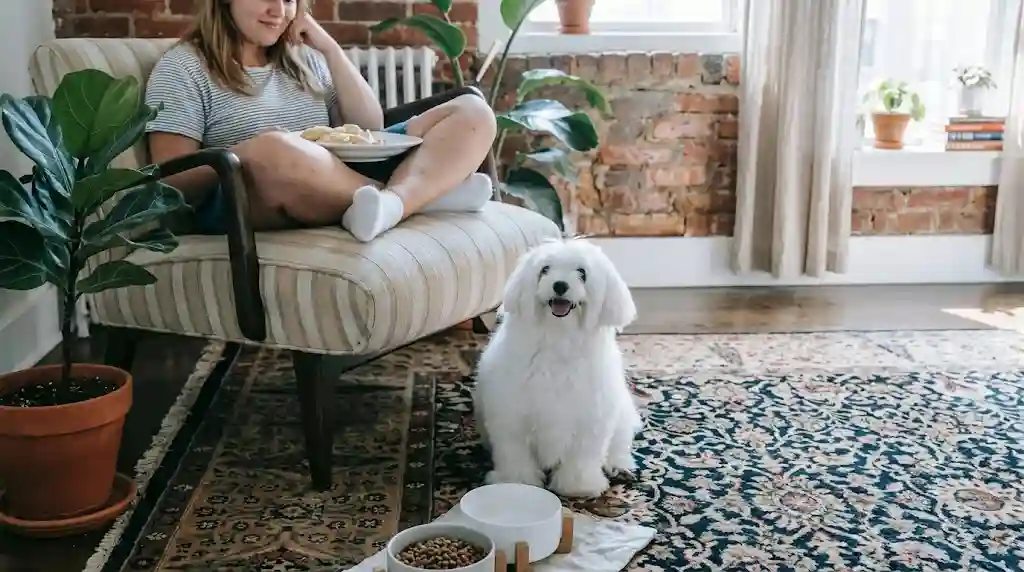
The Maltese stands out as a quintessential apartment dog, perfectly embodying many of the desired traits for urban living. Weighing typically less than seven pounds, they are undeniably small, requiring minimal physical space. Their gentle and playful demeanor makes them wonderful companions, and they thrive on human companionship, often content to cuddle on the couch. The Maltese is truly one of the best breeds for dogs in apartments.
What truly sets the Maltese apart, particularly for apartment dwellers, is their unique coat. Maltese dogs have hair, not fur, and lack an undercoat. This means they are considered very low-shedding, which significantly reduces the amount of hair and dander in an apartment, making them a popular choice for individuals with allergies. The Maltese is often cited as one of the best breeds for dogs for allergy sufferers.
However, this exquisite, long, silky white coat, which can reach floor length if properly maintained, comes with a trade-off: it is high-maintenance. The fine texture of their hair makes it highly prone to tangling and matting. Without consistent care, a Maltese’s beautiful coat can quickly become a matted mess, leading to discomfort and potential skin problems for the dog. Therefore, understanding and committing to a rigorous grooming routine is non-negotiable for Maltese owners. For those considering this delightful breed, a thorough understanding of their grooming needs, including how to groom a Maltese at home, is essential to ensure a happy and healthy life for their beloved pet. The Maltese is indeed one of the best breeds for dogs for those willing to commit to grooming.
Comprehensive Maltese Grooming Guide at Home
Grooming your Maltese at home might seem daunting, but with the right tools, techniques, and a consistent schedule, it becomes a rewarding bonding experience.
Daily Brushing: This is the most crucial step in Maltese grooming. Their long, fine coat tangles easily.
- Tools: A pin brush and a metal comb are essential. Some sources advise avoiding slicker brushes for fine coats, while others suggest them, so choose a soft slicker brush if used.
- Technique: Always use a detangling spray or a diluted coat conditioner before brushing to prevent breakage and static. Brush in sections, starting from the ends and working your way towards the roots. For longer coats, comb first to check for tangles, then brush. Pay special attention to areas prone to matting, such as behind the ears, under the legs, and around the collar.
- Frequency: Daily brushing is recommended for long coats. For shorter puppy cuts or moderate hair styles, every 2-3 days may suffice.
Bathing: Regular baths are necessary to keep their white coat pristine.
- Frequency: Most Maltese should be bathed every 2-3 weeks, or as needed, depending on their activity level. Overbathing can lead to dry skin.
- Products: Use a high-quality, mild shampoo specifically formulated for white dogs and a conditioner for long-haired breeds.
- Process: Thoroughly brush your Maltese before bathing to remove any mats, as water will tighten them. Wet the coat gently with lukewarm water, apply shampoo, and rinse thoroughly. Follow with conditioner, ensuring all residue is rinsed out to prevent skin irritation.
- Drying Techniques: Never let a Maltese air dry completely, as this can lead to tangles and dullness. Wrap your dog in a soft towel to absorb excess water, then use a low-heat blow dryer while continuously brushing the coat. Dry in sections to prevent matting.
Eye Care: Maltese are prone to reddish-brown tear stains due to their pure white coat.
- Cleaning: Gently wipe the eye area 2-3 times daily with a damp cloth or pet-safe eye wipes to remove moisture and prevent staining. Keeping the area dry is key.
- Trimming: Keep the hair around the eyes trimmed short or in a topknot to prevent irritation and staining.
- Veterinary Consultation: If tear staining is excessive or persistent, consult your vet as it could indicate allergies or underlying health issues.
Ear Cleaning: Regular ear care prevents infections, especially in drop-eared breeds.
- Frequency: Check ears weekly and clean them approximately every 4 weeks.
- Process: Remove excessive hair from the ear canal to allow air circulation (this can be done gently by hand with ear powder or by a groomer). Clean the inner surface of the ear with cotton balls dampened with a veterinarian-approved ear cleaner, mineral oil, or hydrogen peroxide. Never use Q-tips, as they can push debris further in. Look for signs of infection like redness, odor, or sensitivity.
Nail Trimming: Long nails can be uncomfortable and affect your dog’s gait.
- Frequency: Trim or file nails every 3-6 weeks, depending on growth.
- Technique: Use dog-specific nail clippers or a grinder. Be careful not to cut into the quick (the pink part containing blood vessels), which is painful and causes bleeding. If unsure, ask a vet or professional groomer for a demonstration.
Dental Care: Maltese are prone to dental diseases.
- Frequency: Ideally, brush teeth once daily using a dog-specific toothbrush and veterinarian-approved toothpaste.
- Supplements: Dental chews and water additives can supplement brushing but are not substitutes.
Essential Grooming Tools for Your Maltese
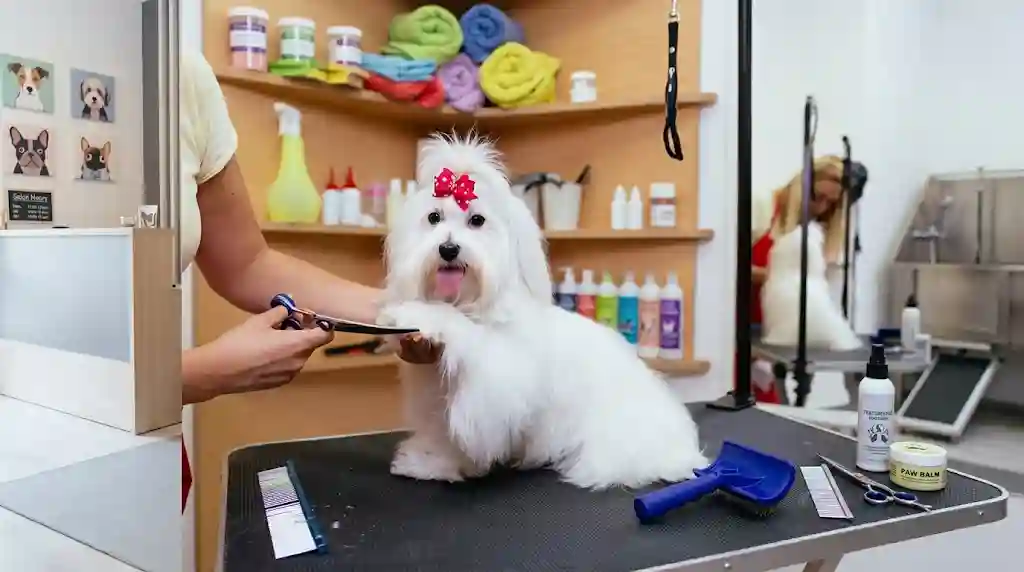
Having the right tools makes the grooming process much smoother for both you and your Maltese:
- Pin Brush & Metal Comb: For daily detangling and smoothing the coat.
- Detangling Spray/Coat Conditioner: To aid brushing and prevent hair breakage.
- Dog-Specific Shampoo and Conditioner: Formulated for sensitive skin and white, long coats.
- Low-Heat Blow Dryer: Essential for proper drying after baths.
- Pet-Safe Eye Wipes & Ear Cleaner: For maintaining facial and ear hygiene.
- Nail Clippers or Grinder: For regular nail maintenance.
- Dog Toothbrush & Toothpaste: For daily dental hygiene.
- Small, Blunt-Nosed Scissors or Thinning Shears: For trimming hair around the eyes, paws, and sanitary areas.
- Cotton Balls: For ear cleaning.
While home grooming covers most needs, professional grooming every 4-6 weeks is often recommended to maintain specialized cuts, thoroughly check for health concerns, and ensure a complete routine, especially for shaping the coat. For more help finding professional services, our guide on pet groomers near me can help you find the right support. For more information on the Maltese breed’s history and characteristics, you can consult Wikipedia’s entry on the Maltese dog. You can also learn more about dog skin infection a comprehensive guide for deeper understanding of skin health.
Conclusion
The best breeds for dogs in apartment living are those that combine a suitable size and temperament with manageable energy levels and a minimal barking tendency. The Maltese, with its affectionate nature and compact size, is an exemplary choice for apartment dwellers, offering immense companionship and joy. However, embracing a Maltese means committing to its distinctive and demanding grooming needs. The Maltese is undoubtedly one of the best breeds for dogs for those who can meet its grooming requirements.
By understanding the importance of daily brushing, regular bathing, meticulous eye and ear care, and consistent dental and nail maintenance, owners can ensure their Maltese not only looks stunning but also remains healthy and comfortable. Equipping yourself with the right grooming tools and establishing a routine will transform what might seem like a chore into a cherished bonding experience. With dedication and love, your apartment-dwelling Maltese will thrive, embodying the perfect blend of elegance and devotion. When searching for the best breeds for dogs in apartments, always consider the grooming commitment. If you’re just starting out, our dog grooming checklist for first-time owners is a great resource to ensure you have everything you need. You may also find our comprehensive dog grooming tips a comprehensive guide helpful for additional information. You can also explore dog grooming near me finding the perfect for more options.
