7 Labradoodle Coat Types and Grooming Differences: Best Breeds for People With Allergies
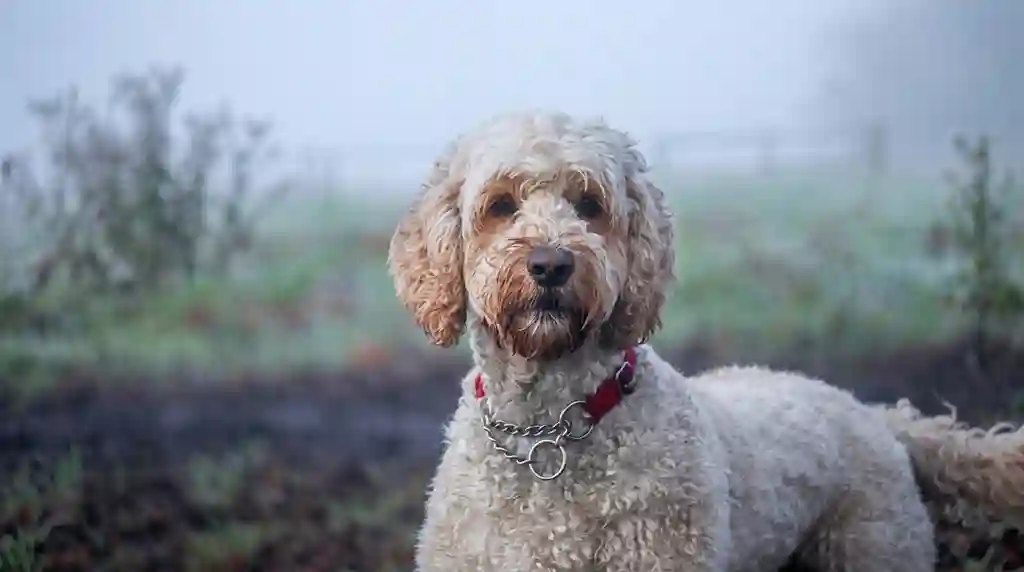
Table of Contents
Labradoodle coat types are a primary consideration for anyone interested in this popular designer breed, especially those with allergies. Developed in Australia in the late 1980s, the Labradoodle was originally bred to be a guide dog for a woman with a visual impairment and a husband with allergies. The breed, a cross between a Labrador Retriever and a Standard Poodle, quickly gained recognition for its charming personality, intelligence, and often low-shedding coats. However, the term “Labradoodle” encompasses a wide range of Labradoodle coat textures and shedding potentials, making it crucial for prospective owners to understand these variations. The genetic lottery involved in crossbreeding means that not all Labradoodles inherit the desirable low-shedding Labradoodle coat of the Poodle, leading to significant differences in grooming requirements and suitability for allergy sufferers. Understanding these distinctions is paramount for ensuring a happy home for both the dog and its human companions, particularly when dealing with sensitivities to pet dander. This comprehensive guide will delve into the various Labradoodle coat types, their specific grooming needs, and broader considerations for individuals seeking a canine companion that minimizes allergic reactions. Every Labradoodle coat is unique and requires specific care.
The Wool Coat: Characteristics and Care
The Labradoodle coat known as wool is often the most sought-after type, particularly by individuals with allergies, due to its resemblance to the Poodle’s characteristic coat. This Labradoodle coat type is typically dense, thick, and curly, feeling much like a lamb’s wool, hence its name. It can range from tight, spiraling curls to looser, open curls, but always retains a soft, springy texture. A key characteristic of the wool Labradoodle coat is its minimal shedding, which significantly reduces the amount of dander released into the environment. This attribute makes it a prime candidate for those sensitive to pet allergens. According to the American Kennel Club, the Poodle’s low-shedding coat is a major factor in the Labradoodle’s popularity.
Despite its allergy-friendly nature, the wool Labradoodle coat demands diligent and consistent grooming. Its dense, curly structure is highly prone to matting and tangling, especially in areas of friction like behind the ears, armpits, and around the collar. Without proper care, mats can quickly become severe, leading to skin irritation, infections, and discomfort for the dog. Owners of wool-coated Labradoodles should commit to daily or at least every-other-day brushing using a slicker brush and a long-toothed metal comb to reach the undercoat. Regular professional grooming every 6-8 weeks is also essential, where the Labradoodle coat can be thoroughly washed, dried, and trimmed to a manageable length. Maintaining a shorter “puppy cut” can often simplify home grooming routines and help prevent matting. Special attention should be paid during seasonal changes when the Labradoodle coat might be more prone to tangles.
The Fleece Coat: Texture and Maintenance
The fleece Labradoodle coat is arguably the most common and often the most desirable type, striking a balance between the Poodle’s wool and the softer textures of a Labrador’s coat. It is characterized by its soft, wavy, or spiraling texture that feels similar to cashmere or angora. This Labradoodle coat is incredibly soft to the touch, drapes elegantly, and often has a lovely sheen. It typically sheds minimally, making it another excellent option for individuals with mild to moderate allergies. The waves can be loose or tighter, giving the dog a shaggy, endearing appearance. This Labradoodle coat type is often considered the perfect middle ground.
Grooming a fleece Labradoodle coat requires regular attention, though perhaps slightly less intensive than a wool coat. While less prone to extreme matting than the wool Labradoodle coat , the fleece coat can still develop tangles, especially if it’s kept long or if the dog spends a lot of time outdoors. Weekly brushing, ideally 2-3 times a week, with a slicker brush and a comb is usually sufficient to keep the Labradoodle coat free of mats and maintain its soft texture. Just like with wool coats, it’s important to brush all the way down to the skin to prevent mats from forming at the base of the hair. Professional grooming every 8-10 weeks is recommended to trim the Labradoodle coat , clean ears, and clip nails, ensuring the dog remains comfortable and well-maintained. Owners might find that varying the length of the Labradoodle coat throughout the year, keeping it shorter in summer and longer in winter, can help manage grooming demands.
The Hair Coat: Understanding its Nuances
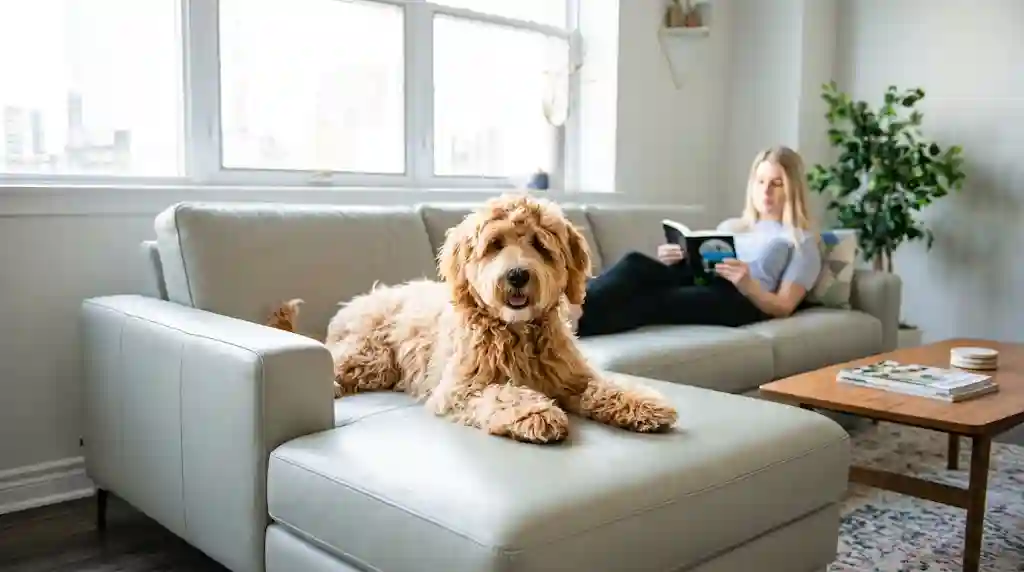
The hair Labradoodle coat , sometimes referred to as a “flat coat” or “Lab-like coat,” is the least desired among allergy sufferers and typically the heaviest shedding Labradoodle coat type. This Labradoodle coat largely inherits the characteristics of the Labrador Retriever, meaning it can be straight, wavy, or slightly coarse, and will shed. It usually lacks the soft, luxurious feel of the wool or fleece coats and may have a distinct “doggy” odor that is less common in the other two types. For individuals with pet allergies, a Labradoodle with a hair Labradoodle coat is generally not a suitable choice, as it will likely produce and shed significant amounts of dander, triggering allergic reactions.
Grooming for a hair Labradoodle coat is generally simpler than for wool or fleece, but still necessary. While it doesn’t typically mat, regular brushing (1-2 times a week) is crucial to remove loose hair and minimize shedding around the house. A rubber curry brush or a shedding blade can be very effective in managing the shedding of a hair Labradoodle coat . Bathing can help reduce loose hair, but it’s important not to over-bathe, as this can strip natural oils from the skin and coat. Professional grooming may not be as frequent for hair-coated Labradoodles, often limited to nail trims and perhaps a tidying up of the Labradoodle coat if it grows too long, though they typically do not require extensive styling like the other coat types. Understanding that this Labradoodle coat type is essentially a Labrador coat is key to managing expectations for grooming and allergy potential.
Grooming Differences Across Labradoodle Coat Types
The distinct Labradoodle coat types necessitate varied grooming approaches to keep them healthy, comfortable, and aesthetically pleasing. The primary goal across all types is to prevent matting, reduce shedding (where applicable), and maintain skin health. To ensure you’re using the best products, see our recommendations for the best dog shampoo for itchy skin .
Brushing Frequency and Tools:
- Wool Coat: Requires daily or every-other-day brushing. Essential tools include a high-quality slicker brush (pin brushes are also useful) and a metal comb with both wide and narrow teeth to get through the dense curls and check for tangles close to the skin. A de-matting tool might be necessary for stubborn knots.
- Fleece Coat: Needs brushing 2-3 times a week. A slicker brush and a metal comb are still key, with a focus on areas prone to tangles. The softer texture might allow for slightly less aggressive brushing than a wool Labradoodle coat .
- Hair Coat: Benefits from weekly brushing, possibly more during shedding seasons. A rubber curry brush, a shedding blade, or a deshedding tool like a Furminator can effectively remove loose undercoat and minimize shedding. A standard brush can also be used for general tidying.
Bathing Routines:
- All Labradoodles benefit from regular bathing to keep their Labradoodle coat clean and skin healthy. For wool and fleece coats, bathing every 4-6 weeks is generally sufficient, using a high-quality dog shampoo and conditioner to prevent dryness and aid in detangling. Thorough drying with a force dryer after bathing is crucial to prevent matting and skin issues.
- Hair-coated Labradoodles can be bathed as needed, typically every 6-8 weeks, though some owners might opt for more frequent baths to reduce dander and loose hair.
Professional Grooming:
- Wool and Fleece Coats: Professional grooming is highly recommended every 6-10 weeks. This allows for thorough cleaning, drying, de-matting, and professional trimming to maintain a manageable Labradoodle coat length and prevent severe matting. Many owners choose a “teddy bear cut” or “puppy clip” to keep the coat shorter and easier to maintain between visits. For more help finding professional services, our guide on pet groomers near me can help you find the right support.
- Hair Coat: Professional grooming is less about Labradoodle coat styling and more about general maintenance like nail trims, ear cleaning, and occasional deshedding treatments. It might be sought every 10-12 weeks or less frequently, depending on the individual dog and owner preference.
Ear, Eye, and Nail Care:
- All Labradoodle coat types require regular ear cleaning, especially since their floppy ears can trap moisture and lead to infections.
- Eyes should be checked for discharge and kept clean.
- Nails should be trimmed every 3-4 weeks to prevent overgrowth, which can cause discomfort and gait problems. For a more detailed approach, you can read our complete guide on dog dental care at home .
The Hypoallergenic Myth and Labradoodles
The term “hypoallergenic” is frequently associated with Labradoodles, often leading to misconceptions. It’s crucial to understand that no dog breed is 100% hypoallergenic. All dogs produce dander, which is microscopic flakes of skin that shed along with hair, saliva, and urine, and it is these proteins in dander, saliva, and urine that trigger allergic reactions in sensitive individuals. The concept of a “hypoallergenic” dog refers to breeds that typically shed less hair and therefore release less dander into the environment, making them potentially more tolerable for allergy sufferers.
Labradoodles were indeed originally bred with the intent of creating a guide dog suitable for people with allergies. Their Poodle lineage, known for its non-shedding Labradoodle coat , was a key factor. However, as discussed, Labradoodle genetics are variable. Those with wool or fleece coats tend to shed significantly less than those with hair coats, making them a better choice for many allergy sufferers. However, even a wool-coated Labradoodle can still cause reactions in highly sensitive individuals. The amount of dander a dog produces can also vary from one individual dog to another, even within the same litter and Labradoodle coat type. Factors such as diet, skin health, and overall grooming can also influence dander production. Therefore, before bringing a Labradoodle home, especially if allergies are a concern, it is highly recommended to spend time with the specific puppy or adult dog to assess potential reactions. A visit to the breeder, spending extended time playing with the dogs, and even bringing a piece of their bedding home for a “trial run” can help determine compatibility. For more detailed information on pet allergies and their management, consult reputable sources like Wikipedia’s article on pet allergies. If your dog is excessively itchy, check out our article on why is my dog itching so much for more insights.
| Labradoodle Coat Type | Texture Description | Shedding Level | Grooming Frequency | Allergy Suitability |
|---|---|---|---|---|
| Wool Coat | Dense, thick, tightly curled, lamb-like feel. | Very Low | Daily to every other day brushing; Professional groom every 6-8 weeks. | Best for severe allergy sufferers, but not 100% guaranteed. |
| Fleece Coat | Soft, wavy to spiraling, cashmere/angora-like feel. | Low | 2-3 times a week brushing; Professional groom every 8-10 weeks. | Good for mild to moderate allergy sufferers. |
| Hair Coat | Straight, wavy, or slightly coarse, similar to a Labrador. | Moderate to High | Weekly brushing (more during shedding seasons); Less frequent professional grooming. | Generally not suitable for allergy sufferers. |
Beyond the Labradoodle: Best Dog Breeds for People with Allergies
While Labradoodles with specific Labradoodle coat types can be a good option for allergy sufferers, many other breeds are often recommended due to their consistently low-shedding characteristics. These breeds often have hair that grows continuously, similar to human hair, and either doesn’t shed or sheds very minimally, trapping dander within the coat rather than releasing it into the environment. For more information on skin conditions, our article on dog allergy understanding and managing provides comprehensive information.
Here are some of the most popular and consistently allergy-friendly breeds:
- Poodles (Standard, Miniature, Toy): As one of the parent breeds of the Labradoodle, Poodles are renowned for their curly, non-shedding coats. They are highly intelligent, easily trainable, and come in three sizes to suit various living situations. Their Labradoodle coat -like hair, while low-shedding, requires regular professional grooming and daily brushing to prevent matting.
- Bichon Frise: These small, cheerful dogs boast a soft, curly, white coat that is virtually non-shedding. They are known for their playful and affectionate nature. Bichons require regular brushing and professional grooming to maintain their fluffy appearance and prevent mats.
- Shih Tzu: With their long, flowing double coat, Shih Tzus shed very little. Their hair needs daily brushing to prevent tangles and often requires professional trimming to keep it manageable. They are charming, outgoing, and make excellent companion dogs.
- Portuguese Water Dog: A robust and active breed, the Portuguese Water Dog has a single, wavy or curly coat that is non-shedding. They are intelligent, energetic, and require regular exercise. Their coat needs frequent brushing and professional grooming to keep it healthy and mat-free.
- Soft Coated Wheaten Terrier: Known for their silky, wavy, “wheaten” colored coat, these terriers are playful and devoted. Their coat is low-shedding but requires consistent brushing and occasional trimming to prevent matting.
- Schnauzers (Miniature, Standard, Giant): All three sizes of Schnauzers have wiry, low-shedding coats that are suitable for many allergy sufferers. They are intelligent, spirited, and protective dogs. Their coats require regular brushing and hand-stripping or clipping to maintain their texture.
- Maltese: These tiny, elegant dogs have long, silky white hair that is non-shedding. They are gentle and affectionate. Their luxurious coat requires daily brushing to prevent tangles and regular trimming.
It is important to remember that even with these breeds, individual reactions can vary, and spending time with a specific dog is always the best way to determine suitability. Potential owners should also consider the dog’s temperament, exercise needs, and overall care requirements when making a choice. For instance, a highly active breed might not suit a sedentary lifestyle, regardless of its hypoallergenic qualities. Researching a breed’s general health, lifespan, and common issues is also a vital step in responsible pet ownership. For foundational training advice that can help build trust, you might find our guide on easy commands every puppy should learn very useful.
Factors to Consider When Choosing an Allergy-Friendly Dog
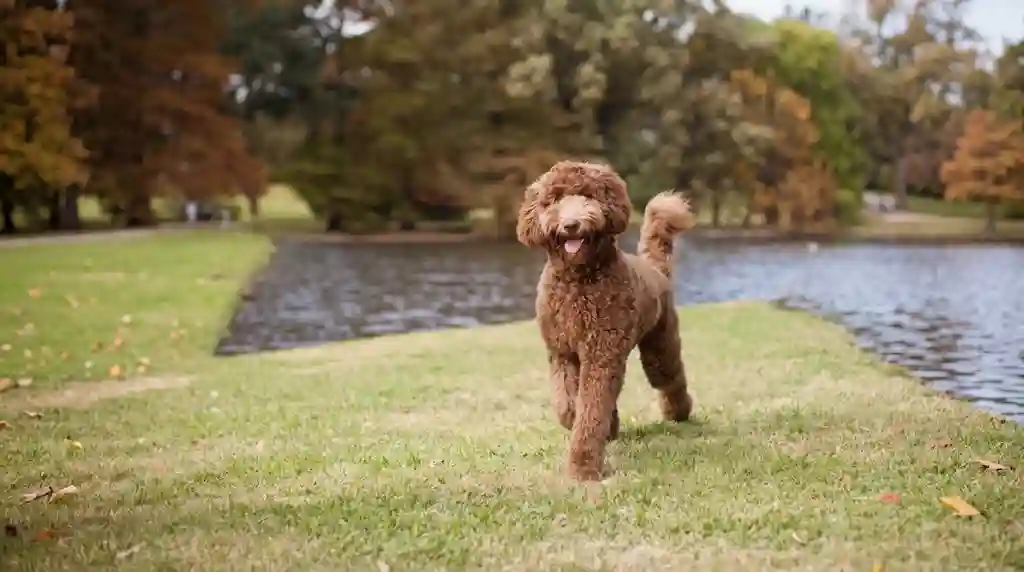
Choosing a dog when you or a family member has allergies involves more than just selecting a “hypoallergenic” breed. Several critical factors can influence the success of bringing a dog into an allergy-prone home.
- Individual Dog Variability: Even within low-shedding breeds, individual dogs can produce varying levels of allergens. Some individuals might react to one Poodle but not another. This emphasizes the importance of spending time with a specific dog before adoption.
- Breeder Reputation and Practices: A reputable breeder will be transparent about their dogs’ lineage, health, and Labradoodle coat types. They should allow prospective owners to visit their kennels and interact with the puppies and parent dogs to assess allergic reactions. Be wary of breeders who make exaggerated claims about 100% hypoallergenic dogs.
- Early Exposure and Socialization: For some allergy sufferers, gradual exposure to a dog from a young age can sometimes help build tolerance. However, this is not a guaranteed solution and should only be considered under medical guidance. Early socialization of the puppy is crucial for its behavioral development, regardless of allergy concerns.
- Home Environment Modifications: Creating an allergy-friendly home environment is as important as choosing the right dog. This includes using HEPA air purifiers, vacuuming frequently with a HEPA filter vacuum, washing pet bedding regularly, and establishing “dog-free zones” in the house, particularly bedrooms. Hard flooring is preferable to carpets, which can trap dander.
- Grooming Regimen: Regardless of the Labradoodle coat type or breed, consistent grooming is vital for managing allergens. Regular bathing, brushing, and professional grooming appointments can significantly reduce the amount of dander and loose hair in the home.
- Allergy Severity and Medical Consultation: For severe allergy sufferers, consulting an allergist is paramount. They can provide personalized advice, conduct allergy tests, and discuss treatment options. In some cases, medication or allergy shots might be necessary to manage symptoms even with a low-shedding dog. It’s crucial to prioritize human health and comfort.
- Lifestyle Compatibility: Beyond allergies, consider if the dog’s energy level, size, and temperament align with your lifestyle. An active family might thrive with a Portuguese Water Dog, while a quieter household might prefer a Bichon Frise or Maltese.
Comprehensive Grooming Techniques for Allergy Sufferers
Effective grooming is not just about keeping a dog looking good; for allergy sufferers, it’s a critical component of managing their symptoms. A consistent and thorough grooming routine, combined with environmental controls, can make a significant difference. These techniques apply regardless of Labradoodle coat type.
- Frequent Brushing: Brush your dog several times a week, or even daily for wool and fleece coats, preferably outdoors or in a well-ventilated area. This helps to remove loose hair and dander before it can disperse throughout the home. Use appropriate brushes for the Labradoodle coat type (slicker, comb, deshedding tool). Consider wearing a mask if you are highly sensitive during brushing.
- Regular Bathing: Bathe your dog every 2-4 weeks using a gentle, hypoallergenic dog shampoo. Regular bathing helps to wash away dander and allergens from the coat. Ensure the dog is thoroughly rinsed to prevent skin irritation and completely dried to avoid skin issues, especially for dense-coated breeds.
- Professional Grooming: Schedule regular appointments with a professional groomer, typically every 6-10 weeks for low-shedding breeds like Labradoodles with wool or fleece coats. A professional groomer has the tools and expertise to thoroughly clean, de-shed (if applicable), and trim the coat, significantly reducing the allergen load.
- Washing Pet Bedding: Regularly wash your dog’s bedding, blankets, and any soft toys they frequently interact with. Use hot water to effectively kill dust mites and remove dander. This should be done at least weekly.
- Cleaning Grooming Tools: Keep all grooming tools clean. Brushes and combs should be cleaned after each use to remove trapped hair and dander, preventing re-depositing it on the dog or in the environment.
- Consider a Force Dryer: After baths, a high-velocity force dryer can help remove loose undercoat and dander more effectively than towel drying alone, particularly for double-coated or dense-coated breeds, even those considered low-shedding.
- Diet and Skin Health: A healthy diet contributes to a healthy coat and skin, which in turn can reduce excessive shedding and dander production. Consult your vet about appropriate nutrition and supplements, such as omega-3 fatty acids, for coat health.
Implementing these grooming techniques, coupled with environmental controls such as HEPA filters and regular cleaning of your living space, can create a much more comfortable environment for allergy sufferers cohabiting with a canine friend. For additional strategies on managing pet dander in your home, consider exploring resources on effective pet dander management techniques and improving indoor air quality. You can also learn more about dog skin infection a comprehensive guide for deeper understanding of skin health.
Conclusion
Choosing a Labradoodle, or any dog, when allergies are a concern requires careful consideration and thorough research. Labradoodle coat types vary significantly, with wool and fleece coats generally being more allergy-friendly due to their minimal shedding. However, the “hypoallergenic” label is not a guarantee, as all dogs produce dander that can trigger allergic reactions. Understanding the grooming differences associated with each Labradoodle coat type is essential for maintaining your Labradoodle’s health and comfort, as well as managing allergens in your home. Beyond Labradoodles, many other breeds are known for their low-shedding characteristics and can be excellent companions for allergy sufferers. Ultimately, a combination of selecting an appropriate breed and individual dog, maintaining a rigorous grooming schedule, modifying the home environment, and consulting with medical professionals will provide the best chance for a harmonious and sniffle-free relationship with your beloved canine companion. Responsible pet ownership means prioritizing the well-being of both the pet and its human family members. If you’re just starting out, our dog grooming checklist for first-time owners is a great resource to ensure you have everything you need. You may also find our comprehensive dog grooming tips a comprehensive guide helpful for additional information. For related tips on managing behavior, you might also want to read our piece on how to stop excessive dog barking . You can also explore dog grooming near me finding the perfect for more options.
