7 Easy Ways to Groom a Cat That Hates Brushing & Find the Best Deshedding Brush for Long-Haired Cats
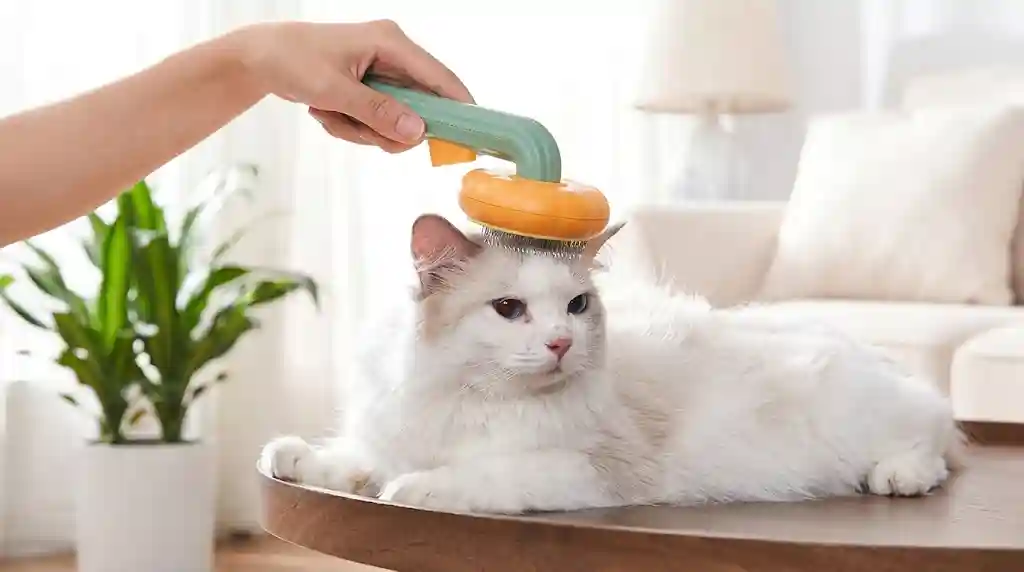
Table of Contents
Grooming a cat that hates brushing, particularly a long-haired feline, can feel like an impossible task. Many cat owners find themselves battling a hissing, scratching, or fleeing furball at the mere sight of a brush. However, regular grooming is not just about aesthetics; it’s a vital part of your cat ‘s health and well-being. This comprehensive guide will equip you with the strategies to gently groom even the most resistant cat and help you select the best deshedding brush for your long-haired companion. Every cat deserves a stress-free grooming experience.
Why Grooming is Crucial for All Cats, Especially Long-Haired Breeds
While cat s are renowned for their meticulous self-grooming habits, they often need human assistance to maintain optimal coat health. Regular brushing offers numerous health benefits, including removing dead or tangled fur, improving skin circulation, and preventing painful mats from forming. For long-haired cat s, these benefits are even more pronounced. Without consistent grooming, their luxurious locks can quickly become a tangled mess, leading to several problems. According to the ASPCA, regular grooming is essential for all cat s, especially long-haired breeds.
One of the primary concerns for long-haired cat s is matting. Mats are dense clumps of fur that form close to the skin, often in sensitive areas like behind the ears, in the armpits, and along the back of the legs. These mats can be incredibly painful, pulling on the skin and potentially leading to skin infections if left untreated. Regular brushing is the most effective way to prevent matting in any cat .
Beyond preventing mats, grooming significantly reduces shedding. Cat s swallow a considerable amount of loose hair during self-grooming, which can lead to the formation of hairballs. Daily brushing helps to capture this loose fur before your cat ingests it, thereby minimizing hairballs. Reduced shedding also means less cat hair around your home, a bonus for both you and your feline friend.
Furthermore, grooming sessions provide an excellent opportunity to bond with your cat and to conduct a health check. During brushing, you can inspect their skin for any unusual lumps, bumps, parasites like fleas and ticks, or areas of sensitivity that might indicate an underlying health issue. This proactive approach can lead to early detection and treatment of potential problems. Every cat benefits from this regular inspection.
Understanding Your Cat’s Brushing Aversion
A cat ‘s reluctance or outright hatred of brushing rarely occurs without reason. Several factors can contribute to a negative association with grooming. According to PetMD, understanding the root cause is the first step to solving the problem.
- Past Negative Experiences: If a cat has experienced painful brushing sessions in the past, perhaps due to rough handling or attempts to yank out large mats, they will naturally develop a fear of the brush. This can lead to fear aggression when grooming tools appear.
- Physical Discomfort or Pain: Hard brushes or improper brushing techniques can pull at the skin, causing discomfort or pain. This is especially true if their fur is already tangled or matted. Certain sensitive areas, like the belly, back, or tail, are often disliked by cat s when touched. If a cat consistently reacts aggressively to touch in a specific area, it could indicate underlying pain that requires veterinary attention.
- Overstimulation: Many cat s have a limited tolerance for touch. Going beyond that limit can lead to overstimulation, causing them to hiss, swat, or bite as a way of communicating they’ve had enough.
- Feeling Trapped or Restrained: Cat s value their independence and control. Feeling confined or overly restrained during grooming can quickly escalate stress and aggression.
- Unfamiliarity with Tools: Some cat s may simply be wary of the brush itself, needing time to get used to the object before accepting it as part of a routine.
Creating a Positive Grooming Environment and Routine
The key to successfully grooming a brush-averse cat is patience, positive reinforcement, and a gradual approach. The goal is to make grooming a predictable, gentle, and even pleasant experience. When you cat er to your cat ‘s comfort, grooming becomes easier.
- Choose the Right Time and Place: Select a quiet, calm environment where your cat feels safe and relaxed. Avoid noisy areas or times when your cat is playful or overstimulated. Brushing when your cat is sleepy or relaxed, perhaps on your lap or a favorite spot on the rug, can be effective.
- Start Small and Short: Initially, your goal is cooperation, not perfection. Keep grooming sessions very short, even just a few seconds to a minute at first. Gradually increase the duration as your cat becomes more comfortable.
- Introduce the Brush Positively: Allow your cat to sniff and rub against the brush to help them get used to it. Place the brush nearby without using it, and reward your cat for staying calm.
- Positive Reinforcement is Key: Cat s respond best to positive reinforcement. Offer a favorite treat, gentle petting, or verbal praise immediately after any calm interaction with the brush or a successful stroke. The reward must be given within 3 seconds of the desired behavior for your cat to make the association. Always end the session on a positive note, even if it means stopping after just a few strokes.
- “Touch Training” Before Brushing: Begin by petting your cat in areas they already tolerate, such as the cheek, shoulder, or upper back. You can also use grooming mitts or rubber brushes that feel more like being stroked than brushed to start.
- Avoid Force and Punishment: Never force your cat or punish them for resistance. This will only increase fear and aggression, making future grooming attempts even harder. If your cat shows signs of discomfort or aggression (tail swishing, skin twitching, flattened ears, freezing, growling, dilated pupils), stop immediately and calmly put the brush down.
Gentle Techniques for Brush-Averse Cats
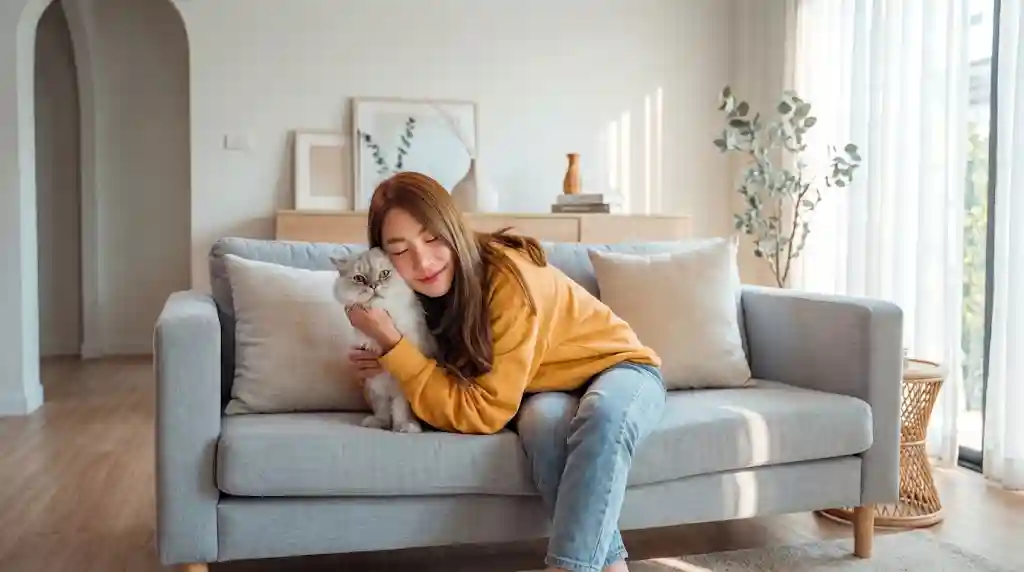
Once your cat is more accepting of the brush, subtle techniques can further ease the grooming process:
- Start with Preferred Areas: Begin brushing gently in areas your cat typically enjoys being petted, such as their back, around the base of the tail, or under the chin.
- Gradually Expand Areas: If your cat is comfortable, slowly move to more sensitive areas like the stomach, legs, and head, but always watch for signs of discomfort.
- Gentle Strokes, Light Pressure: Use light, gentle strokes. If you encounter a tangle, do not pull or tug. This can cause pain and instantly revert any progress you’ve made.
- Towel Wrap Method: For extremely fidgety or moderately aggressive cat s, the “towel wrap” or “burrito wrap” method can provide a sense of security and limit movement, making grooming safer for both of you. Lay a towel on a flat surface, place your cat on it, and gently wrap the towel snugly around them. You can then expose small sections for grooming.
- Consider Professional Help: If your cat is highly aggressive, severely matted, or if you’re struggling to make progress, a professional cat groomer or a veterinary professional may be the best option. They have specialized training and tools to handle difficult cat s with minimal stress. In extreme cases, sedation might be considered as the kindest way to address severe matting that causes pain. For more help finding professional services, our guide on pet groomers near me can help you find the right support.
Best Deshedding Brushes for Long-Haired Cats
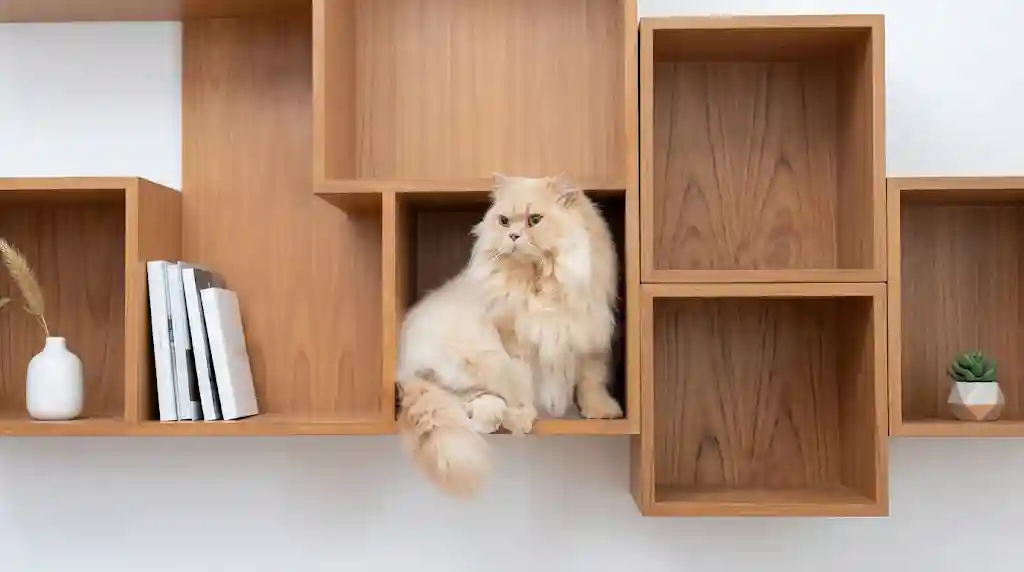
Choosing the right tool is paramount, especially for long-haired cat s prone to shedding and matting. The ideal brush should effectively remove loose hair and tangles without causing discomfort. Here are some of the best types of deshedding brushes and tools for long-haired cat s:
| Brush Type | Description & Best Use | Benefits for Long-Haired Cats | Considerations |
|---|---|---|---|
| Slicker Brush | Features fine, short wires or angled bent-wire bristles packed closely together on a flat surface. Ideal for removing loose hair, dirt, and dander from medium to long coats. | Penetrates dense undercoats to remove loose fur effectively without scratching the skin if used gently. Good for daily detangling and smoothing the topcoat. | Should not be the only brush for very thick, long fur as it may not detangle all the way to the skin. |
| Undercoat Rake / Deshedding Tool | Designed with longer, wider-spaced teeth, often curved, to reach deep into the undercoat and remove loose hair without damaging the topcoat. Examples include the Andis Deshedding Tool or Maxpower Planet Rake. | Extremely effective at removing significant amounts of shedding undercoat, preventing mats and hairballs. Can dislodge mats with minimal pulling. | Should be used carefully to avoid irritating the skin. Typically used once a month or every other month for dense coats. |
| Pin Brush | Features widely spaced, usually rubber-tipped pins. Excellent for detangling longer coats and reaching the undercoat. | Detangles fur down to the skin, preventing hidden mats. Can be used for desensitization before moving to other brushes. | May not be as effective for removing large amounts of loose hair compared to a slicker or deshedding tool. |
| Grooming Gloves / Rubber Brushes | Gloves with rubber nubs or standalone rubber brushes. These feel like petting and are gentle on the skin. | Excellent for cat s that hate traditional brushes, as it mimics stroking. Removes loose hair from the topcoat and stimulates circulation. Good for daily use and sensitive cat s. | Less effective for deep deshedding or removing stubborn tangles compared to other tools. |
| Dematting Comb / Tool | Specifically designed with sharp, curved tines or blades to cut through and break up severe mats and tangles. Examples include the Well & Good Prostyle Dual-Sided Shedding Rake or GoPets 2-in-1 Dematting Comb. | Essential for safely tackling existing mats that cannot be brushed out. | Requires extreme caution and proper technique to avoid injuring the cat . Should only be used on mats and not for general brushing. Never use scissors to cut out mats as it risks cutting the skin. |
When choosing a brush, consider your cat ‘s specific coat type (e.g., fine and silky vs. dense and woolly) and their temperament. Some popular and highly-rated brushes for long-haired cat s include the Hertzko Self Cleaning Slicker Brush (praised for its gentle, effective bristles and easy cleanup) and the Andis Pet Deshedding Tool (effective for removing excess and compacted fur). The Aumuca Cat Brush is also noted for its 2-in-1 deshedding and dematting design with rounded teeth that are gentle on the skin. For general daily grooming, a combination brush like the Hartz Groomer’s Best Combo Brush, which features both metal pins and bristles, can be a versatile option for both short and long-haired coats.
For further insights into selecting grooming tools and understanding coat care, you might find valuable information from reputable animal health resources. For instance, the PetMD guide on cat grooming offers a good overview of why grooming is necessary and how to approach it.
Dealing with Mats and Tangles
Mats are a serious issue and should be addressed promptly. If you discover mats in your long-haired cat ‘s fur, especially close to the skin, it’s crucial to handle them with extreme care:
- Do NOT Pull or Tug: Attempting to brush out tight mats can be incredibly painful and make your cat even more resistant to future grooming.
- Use Dematting Tools Carefully: If the mats are mild and not too tight, a dematting comb or rake might help break them up gently. Always work slowly and use caution to avoid cutting the skin.
- Never Use Scissors: Cutting out mats with scissors is highly dangerous and can easily result in severe cuts to your cat ‘s skin, which is very thin and loose.
- Professional Intervention: For severe or numerous mats, the safest and kindest approach is to seek professional help from a veterinarian or a certified professional groomer. They have the expertise, specialized tools, and often sedatives if necessary, to remove mats safely and with minimal stress to your cat . Sometimes, a “lion cut” (shaving most of the fur) might be recommended for aggressive cat s with extensive matting, though this can be distressing and may require sedation.
- Preventative Measures: The best defense against mats is prevention through regular brushing. Consistent grooming removes loose hair before it has a chance to tangle and form mats at the skin level.
For more information on skin conditions that can affect your cat , our article on dog skin infection a comprehensive guide provides comprehensive information (principles apply to cat s too). If your cat is excessively itchy, check out our article on why is my dog itching so much for more insights (principles apply to cat s too). To ensure you’re using the best products for your cat , see our recommendations for the best dog shampoo for itchy skin (always check with your vet before using dog products on cat s).
Conclusion
Grooming a cat that hates brushing requires a significant investment of time, patience, and understanding. By approaching grooming with empathy, utilizing positive reinforcement, and choosing the right tools, you can transform a stressful experience into a bonding opportunity. For long-haired cat s, selecting an effective deshedding brush, such as a slicker brush, undercoat rake, or a specialized dematting tool, is crucial for maintaining a healthy, tangle-free coat and preventing painful mats. Remember to start small, be gentle, and always prioritize your cat ‘s comfort and well-being. Regular, consistent grooming not only keeps your feline friend looking their best but also contributes significantly to their overall health and happiness. Every cat deserves this level of care. If you’re just starting out, our dog grooming checklist for first-time owners is a great resource to ensure you have everything you need (principles apply to cat s too). You may also find our comprehensive dog grooming tips a comprehensive guide helpful for additional information. For related tips on managing behavior, you might also want to read our piece on how to stop excessive dog barking (principles apply to cat s too). For foundational training advice that can help build trust, you might find our guide on easy commands every puppy should learn very useful (principles apply to cat s too). For more information on skin conditions, our article on dog allergy understanding and managing provides comprehensive information (principles apply to cat s too).
