7 Tips to Trim Cat Nails Without Stress & Stop Overgrooming One Spot
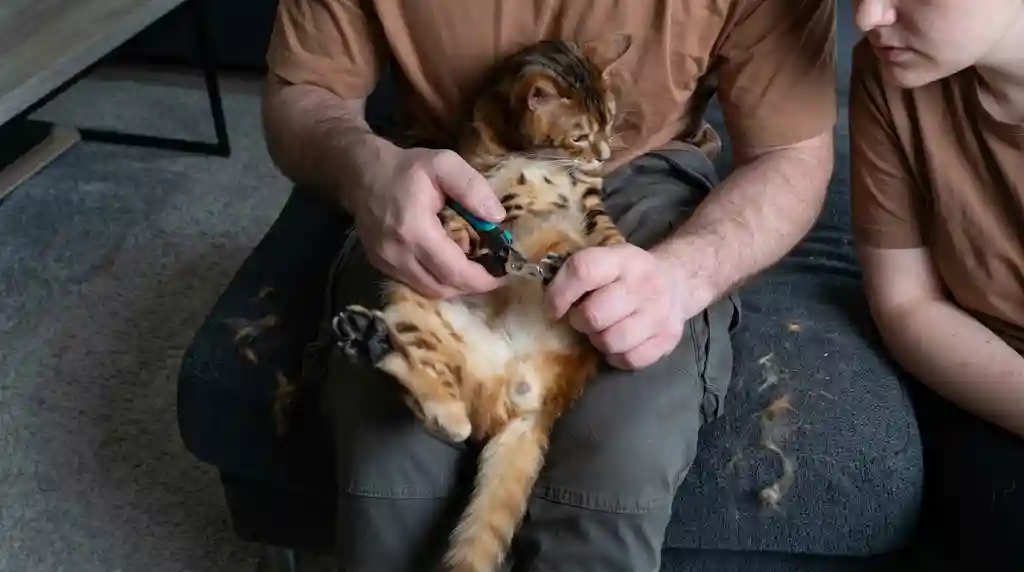
Table of Contents
How to trim cat nails without stress and understanding why your cat might be overgrooming a specific spot are two crucial aspects of responsible feline ownership that significantly contribute to your pet’s overall health and well-being. While both can seem daunting, approaching these tasks with patience, knowledge, and the right techniques can transform potentially stressful situations into manageable, even positive, interactions. Cats, by nature, are creatures of habit and can be sensitive to new experiences or changes in their environment. This article delves into practical, stress-reducing methods for maintaining your cat’s nail health and explores the complex reasons behind excessive grooming, offering insights to help you identify, understand, and address these behaviors effectively. Learning how to trim cat nails is an essential skill for every cat owner.
Stress-Free Cat Nail Trimming: A Gentle Approach
Regular nail trimming is essential for a cat’s health, preventing painful ingrown claws, snagging, and potential injury to both the cat and its human companions. However, many cat owners dread this task due to their feline’s resistance. The key to stress-free trimming lies in preparation, understanding cat anatomy, and employing positive reinforcement techniques. When you trim cat nails regularly, you prevent a host of painful problems. According to the ASPCA, regular nail trimming is an important part of your cat’s grooming routine.
Understanding Cat Nail Anatomy: The Quick Explained
Before attempting to trim cat nails , it’s vital to understand the structure of their claws, particularly the “quick.” The quick is a sensitive part of the nail that contains blood vessels and nerve endings. Cutting into the quick can cause pain and bleeding, creating a negative association with nail trimming for your cat. Understanding this anatomy is essential before you trim cat nails .
Identifying the Quick: In cats with light-colored or clear nails, the quick is typically visible as a pinkish triangular area at the base of the nail. The clear portion of the nail in front of the quick does not contain nerves or blood vessels, making it safe to trim. When you trim cat nails with clear nails, this pink area guides you.
Dark Nails: For cats with dark nails where the quick is not easily visible, it’s safer to trim only the very tip of the nail to avoid cutting too short. You can also look for where the underside of the nail transitions from straight to a downward “hook.” If you’re unsure, only trim cat nails at the very tip.
Preparing for a Positive Trimming Experience
Setting the stage for a calm nail trimming session begins long before you even pick up the clippers. The goal is to make the experience as positive and non-threatening as possible. Proper preparation makes it easier to trim cat nails successfully.
Gather the Right Tools: Invest in sharp, cat-specific nail clippers (guillotine or scissors-type are common). Dull clippers can cause discomfort. Have plenty of high-value treats, such as canned cat food, tuna, or special lickable treats, readily available. A small flashlight can also be helpful for better visibility of the quick, especially in darker nails. Styptic powder should be on hand in case you accidentally cut into the quick and need to stop bleeding. Having the right tools makes it easier to trim cat nails safely.
Choose the Right Time and Place: Select a quiet, comfortable room free from distractions. Many cats are more relaxed and even sleepy after a meal or during a quiet cuddling session. Soft lighting can also contribute to a calmer environment. Choosing the right moment is crucial when you trim cat nails .
Gradual Acclimation and Paw Handling: Introduce the clippers gradually. Let your cat sniff them and leave them out where they can be seen. Practice handling your cat’s paws regularly, even when not trimming nails. Gently touch one paw for a few seconds, then reward your cat with a treat and praise. Gradually increase the duration of paw handling and begin gently pressing the paw pads to extend the claws. This desensitization process can take several days or weeks, depending on your cat’s temperament. Paw handling practice is essential before you trim cat nails .
Positive Association: Place the clippers near your cat’s food bowl during meals or position treats around them so your cat associates the clippers with positive experiences. This positive association makes it easier to trim cat nails later.
Step-by-Step Guide to Stress-Free Nail Trimming
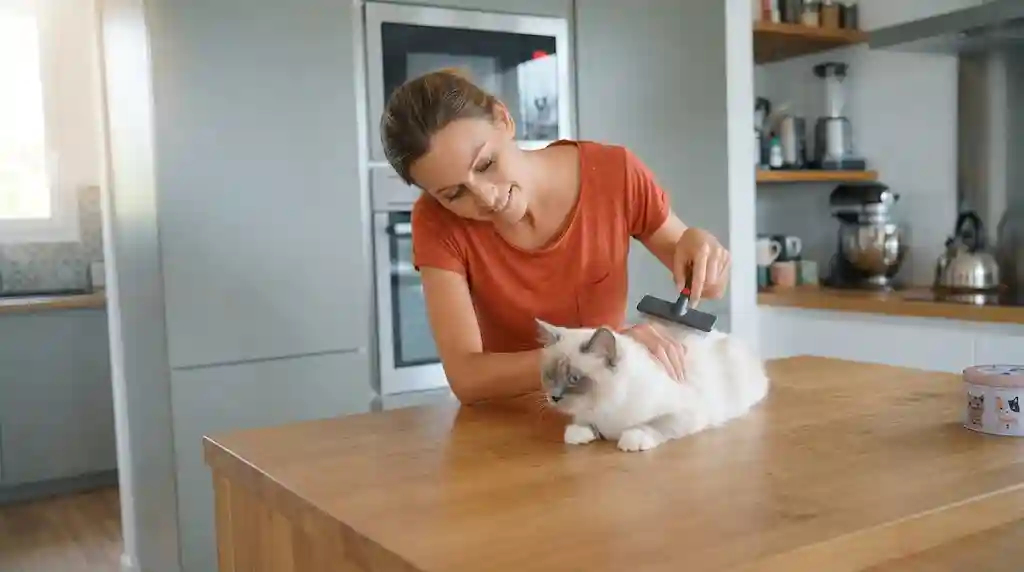
Once your cat is comfortable with paw handling and the sight of the clippers, you can begin the actual trimming process. Here’s how to trim cat nails effectively.
- Position Your Cat: Find a comfortable position. Some cats prefer to sit on your lap facing away from you, while others might be calmer wrapped in a towel (a “purrito” style) to limit movement and provide a sense of security. If possible, having a second person to help hold and distract with treats can make the process significantly easier. Comfortable positioning is key when you trim cat nails .
- Extend the Claw: Gently grasp one paw and lightly squeeze the top and bottom of the toe, just behind the nail, to extend the claw completely. You need to extend the claw fully to trim cat nails safely.
- Identify the Quick: Carefully examine the nail to locate the quick. For clear nails, identify the pink area. For dark nails, err on the side of caution and trim only the very tip. Always identify the quick before you trim cat nails .
- Make the Cut: Position the clipper perpendicular to the nail, ensuring the cutting blade is closest to you. Trim only the clear, sharp tip of the nail, approximately 2 millimeters from the quick. If you’re unsure, it’s always better to cut less. You can always trim more later. When you trim cat nails , always err on the side of caution.
- Reward Immediately: As soon as you make a successful cut, immediately offer a treat and praise. This positive reinforcement is crucial for building a positive association. Rewarding your cat every time you trim cat nails builds trust.
- Take Breaks: Don’t try to trim all nails in one sitting, especially when starting. Trim one or two nails, then give your cat a break and praise. You can gradually increase the number of nails trimmed per session as your cat becomes more comfortable. Taking breaks when you trim cat nails prevents stress.
What if You Cut the Quick? If you accidentally cut the quick, your cat may yelp, pull away, or bleed. Don’t panic. Apply styptic powder or cornstarch to the bleeding nail with gentle pressure until the bleeding stops. Remain calm and reassure your cat. While it’s painful, it’s not the end of the world. Accidents can happen even when you trim cat nails carefully.
Making it a Positive Experience: Reinforcement and Patience
- High-Value Treats: Always use treats that your cat absolutely loves. Lickable treats, tuna, or small pieces of cooked chicken can be highly motivating. Treats are essential every time you trim cat nails .
- Verbal Praise and Petting: Combine treats with gentle verbal praise and petting (if your cat enjoys it) to reinforce calm behavior.
- Short, Frequent Sessions: Rather than infrequent, long, and stressful sessions, opt for more frequent, very short sessions. Even just handling paws and giving treats, or clipping one nail, is a step in the right direction. Frequent short sessions are the best way to trim cat nails without stress.
- Professional Help: If you continue to struggle, don’t hesitate to seek assistance from a professional groomer or your veterinarian. They can often demonstrate proper techniques and help desensitize your cat to the process. For more help finding professional services, our guide on pet groomers near me can help you find the right support. Sometimes a professional needs to trim cat nails when home attempts fail.
Why Is My Cat Overgrooming One Spot? Decoding Feline Behavior
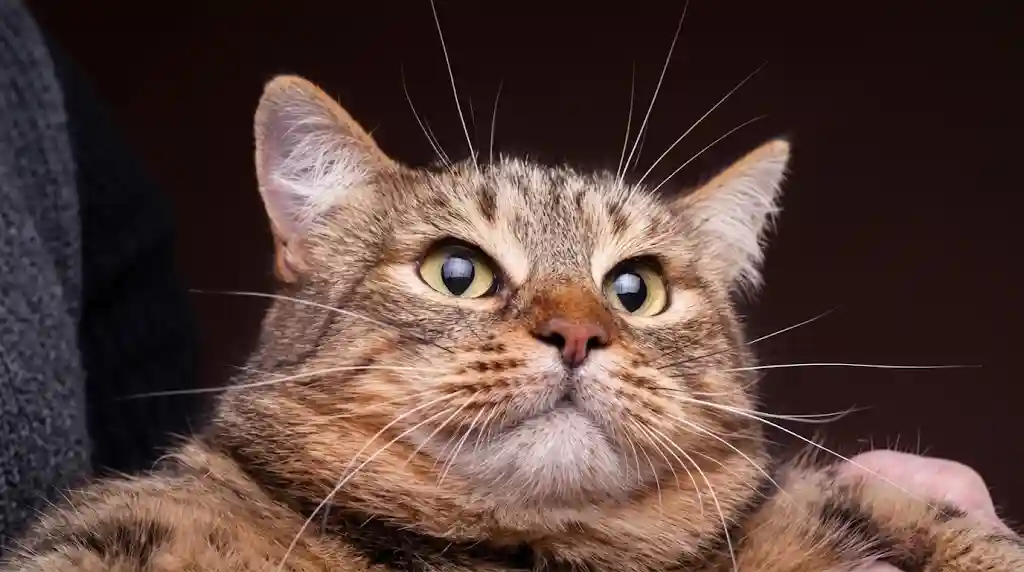
Overgrooming, also known as psychogenic alopecia or excessive grooming, is a common behavioral issue in cats where they groom themselves to the point of causing hair loss or skin damage. When a cat focuses its grooming on one specific spot, it’s often a sign of an underlying issue that needs investigation. Understanding why your cat might be overgrooming one spot is crucial for their health.
Recognizing the Signs of Excessive Grooming
- Bald Patches or Thinning Fur: The most obvious sign is visible hair loss, bald spots, or thinning fur, often appearing on the abdomen, legs, flank, or chest.
- “Barbered” Fur: This refers to fur that appears shortened or cut, rather than entirely bald, due to excessive licking or chewing.
- Skin Irritation: The skin in the affected area may be red, scaly, crusty, moist, sore, or have scabs or wounds.
- Increased Licking, Chewing, or Biting: You might observe your cat repeatedly and intensely licking, chewing, or biting a specific spot, sometimes to the point of interrupting other activities like eating or sleeping.
- More Hairballs: An increase in hairballs, especially in conjunction with coat changes, can indicate excessive ingestion of fur from overgrooming.
- Symmetrical Patterns: Often, overgrooming can lead to symmetrical bald patches on either side of the body.
Medical Causes of Overgrooming
Many medical conditions can cause a cat to overgroom one spot. Ruling these out with a veterinarian is essential.
- Allergies:
- Flea Allergy Dermatitis (FAD): Even a single flea bite can trigger intense itching in allergic cats, leading to excessive grooming, often at the base of the tail. According to PetMD, flea allergy dermatitis is one of the most common causes of overgrooming in cats.
- Food Allergies: Reactions to certain ingredients in their diet can cause generalized itchiness or skin irritation, prompting overgrooming.
- Environmental Allergies (Atopy): Pollens, dust mites, or molds can cause allergic reactions and skin irritation.
- Parasites: External parasites like fleas, mites (e.g., ear mites), and ticks cause intense itching and discomfort.
- Infections:
- Bacterial or Fungal Infections (e.g., Ringworm): These can cause skin irritation, itching, and inflammation, leading to excessive licking.
- Pain or Discomfort: Cats often lick at areas of pain or discomfort as a coping mechanism. This can include:
- Urinary Tract Infections (UTIs): Can cause excessive licking of the lower belly or genital area due to irritation.
- Arthritis or Musculoskeletal Pain: If a cat has pain in a joint or muscle, they may repeatedly lick that specific area. For example, back pain may lead to overgrooming on the back.
- Wounds or Injuries: Even minor wounds, bruises, or underlying skin issues can cause a cat to focus their grooming on that spot.
- Anal Sac Impaction: Can cause excessive grooming around the anus.
- Inflammation: Conditions like eosinophilic granuloma complex can cause skin lesions that cats will lick excessively.
- Hyperthyroidism: While less common as a direct cause, some systemic illnesses, including hyperthyroidism, can lead to changes in coat condition and sometimes secondary overgrooming.
Behavioral Causes of Overgrooming (Psychogenic Alopecia)
When medical causes have been ruled out, overgrooming may be behavioral, often referred to as psychogenic alopecia. This is a stress-related condition.
- Changes in Environment or Routine: Cats thrive on routine and stability. Stressors can include moving to a new house, new furniture, a new family member (human or pet), or a significant change in the owner’s schedule. Stress can lead a cat to overgroom one spot.
- Boredom and Lack of Stimulation: Indoor cats, especially those left alone for long periods, may overgroom out of boredom if they lack sufficient mental and physical enrichment. Licking can provide a form of self-stimulation.
- Conflict or Frustration: Tension with other pets in the household, competition for resources (food, litter boxes, resting spots), or a lack of safe hiding places can contribute to stress.
- Owner’s Stress: Cats are highly observant and can sometimes mirror or be affected by their owner’s stress levels.
- Compulsive Disorder: In rare cases, psychogenic alopecia can become a true compulsive disorder, where the cat performs the behavior even when no obvious stressor is present. Oriental breeds like Siamese are sometimes more susceptible.
When to Seek Veterinary Attention for Overgrooming
- Prompt Diagnosis is Key: A veterinarian will perform a thorough physical examination and may recommend diagnostic tests such as skin scrapings, fungal cultures, blood tests (to check for allergies or conditions like hyperthyroidism), or a food trial. Ruling out medical conditions is the critical first step, as many medical issues mimic behavioral overgrooming. If your cat is excessively itchy, check out our article on why is my dog itching so much for more insights (principles apply to cats too).
- Treatment Options: Treatment will depend entirely on the underlying cause. If it’s medical, your vet might prescribe antibiotics for infections, anti-inflammatory drugs for allergies, year-round flea and tick prevention, or pain management. For behavioral causes, the vet may suggest environmental enrichment, behavioral modification, pheromone diffusers, or, in some cases, anti-anxiety medication. For more information on skin conditions, our article on dog allergy understanding and managing provides comprehensive information (principles apply to cats too). To ensure you’re using the best products for your cat, see our recommendations for the best dog shampoo for itchy skin (always check with your vet before using dog products on cats).
Conclusion: A Happier, Healthier Cat
Mastering how to trim cat nails without stress and understanding why your cat might be overgrooming one spot are essential skills for every cat owner. With patience, positive reinforcement, and a gentle approach, you can make nail trimming a manageable, even positive, experience. Similarly, by recognizing the signs of overgrooming and investigating both medical and behavioral causes, you can address the root of the problem and help your feline friend live a happier, healthier life. Always remember that your veterinarian is your best resource for any health concerns. With the right knowledge and care, you can ensure your cat remains comfortable and content. If you’re just starting out, our dog grooming checklist for first-time owners is a great resource to ensure you have everything you need (principles apply to cats too). You may also find our comprehensive dog grooming tips a comprehensive guide helpful for additional information. For related tips on managing behavior, you might also want to read our piece on how to stop excessive dog barking (principles apply to cats too). You can also learn more about dog skin infection a comprehensive guide for deeper understanding of skin health (principles apply to cats too).
