How to Trimming Hair Between Dog Paw Pads: 7 Safe Grooming Tips
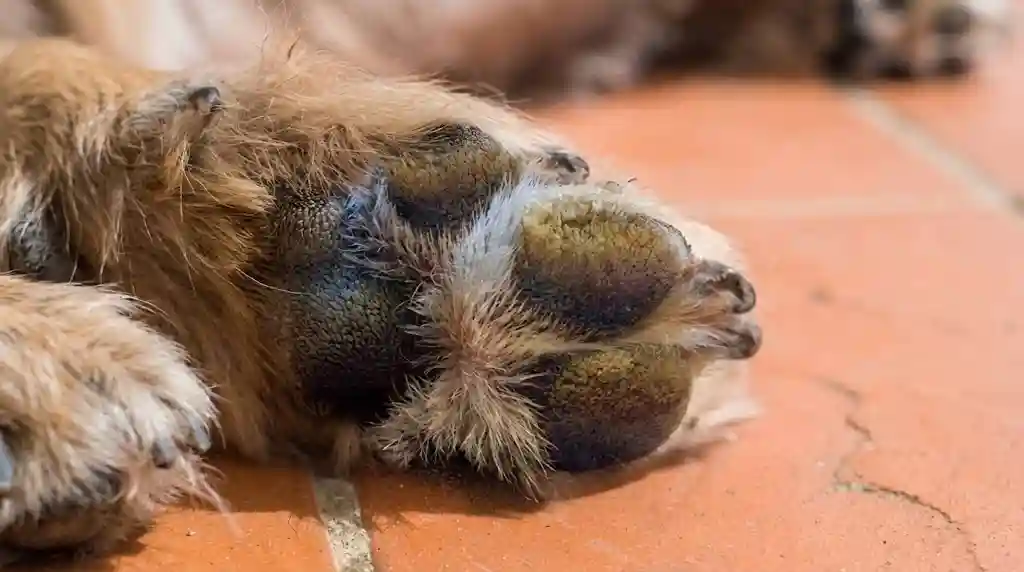
Table of Contents
Trimming the hair between dog paw pads is a fundamental grooming practice that directly impacts a dog’s comfort, safety, and health. While often overlooked, the fur on the underside of a dog’s paw can grow long enough to cover the leathery pads, which naturally provide grip and sensation. Neglecting this simple task can transform a dog’s agile movement into a slippery, uncomfortable experience, akin to a human trying to walk with bunched-up socks inside their shoes. From preventing painful matting to improving mobility, understanding and implementing regular paw pad trims is crucial for any responsible dog owner. This article delves into the “how-to,” providing detailed instructions and expert tips to ensure your furry friend’s paws remain in optimal condition.
Why Trimming Paw Pad Hair is Essential for Your Dog’s Well-being
The importance of regularly trimming the hair between a dog’s paw pads cannot be overstated. This seemingly minor grooming task plays a significant role in preventing a range of health and safety issues, enhancing your dog’s quality of life. Understanding these benefits can motivate owners to incorporate paw pad trims into their regular grooming routine.
Enhancing Mobility and Preventing Slips
One of the primary reasons to trim paw pad hair is to maintain and enhance your dog’s mobility and traction. When the fur between the paw pads grows too long, it can act like a slick layer, significantly reducing your dog’s grip on smooth surfaces such as tile, hardwood floors, or laminate. This lack of traction can lead to frequent slipping and sliding, increasing the risk of injuries, especially in energetic young dogs or older dogs with arthritis or hip dysplasia. For senior dogs, such slips can be particularly dangerous, potentially leading to painful joint strains or even severe falls. Trimming the hair back to be flush with the paw pads helps restore natural stability, allowing the pads to make direct contact with the ground and provide the necessary grip for confident movement.
Promoting Hygiene and Preventing Infections
Overgrown paw hair is a magnet for dirt, debris, and moisture. During walks, long fur can easily collect mud, dust, burrs, grass seeds, and even chemicals from outdoor environments. This trapped debris not only gets tracked into your home but can also lead to painful irritation and skin issues if not removed promptly. More dangerously, grass seeds and other sharp foreign objects can work their way into the delicate skin between the toes, potentially causing painful abscesses.
Furthermore, excessive fur traps moisture, creating a warm, humid environment between the toes that is an ideal breeding ground for bacteria and yeast. This combination of warmth, moisture, and trapped dirt can result in painful bacterial or fungal infections, hot spots, and obsessive paw licking. Regular trimming minimizes the accumulation of such elements, keeping the paws cleaner, drier, and significantly reducing the risk of skin infections or allergic reactions. For more on skin infections, see this guide on dog skin infections. If your dog is licking or itching excessively, this guide on why your dog is itching so much may help.
Preventing Matting and Discomfort
The hair between your dog’s paw pads, especially in breeds with long or curly fur, can easily become matted and tangled. Mats are not just unsightly; they pull painfully on the skin, causing constant irritation and discomfort. Severely matted fur can restrict blood circulation and even lead to open sores or infections beneath the mat. Over time, these mats can become so tight they resemble a pelt, making walking agonizing for your dog. Regular trimming prevents this painful matting, allowing for better airflow and reducing the likelihood of painful pulling with every step.
Early Detection of Health Issues
Routine paw pad grooming also serves as an excellent opportunity for owners to inspect their dog’s paws closely. By regularly handling and trimming their paws, you can detect minor issues before they escalate into major problems. This includes checking for cuts, cracks, swelling, redness, embedded foreign objects (like thorns or splinters), or any signs of irritation or tenderness. Early detection allows for timely intervention, preventing discomfort and more serious health complications.
Gathering the Right Tools for a Safe and Effective Trim
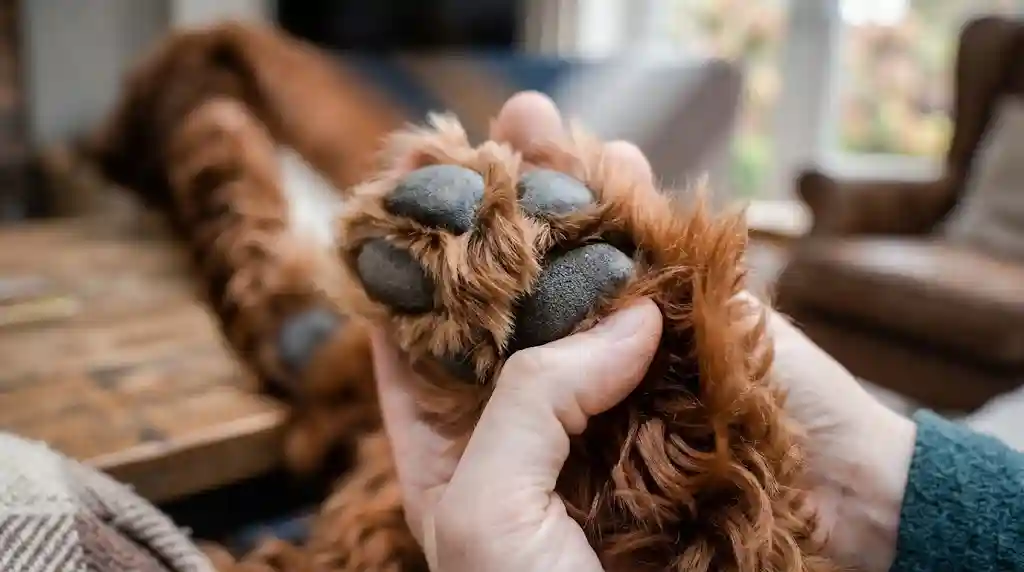
Having the correct tools is paramount for a safe, efficient, and stress-free paw pad trim. Using inappropriate or dull tools can increase the risk of injury to your dog and make the process more difficult for both of you. Investing in quality grooming equipment designed specifically for pets is highly recommended.
- Electric Pet Clippers or Mini Trimmers: These are generally considered the safest and most efficient tools for trimming paw pad hair, especially for beginners. Electric trimmers glide safely over the leathery pads without cutting the skin as easily as scissors might.
- Blade Sizes: For paw pads, blades typically range from #10 to #40. A #10 blade leaves hair slightly longer and offers a safer buffer for beginners (about 1.6mm). #15 or #30 blades are used by experienced groomers for a tighter trim. A #40 blade cuts very close to the skin and should be used with extreme care to avoid clipper burn. Quiet, low-noise mini-clippers are particularly beneficial for anxious or noise-sensitive dogs, reducing stress during the grooming process.
- Blunt-Nosed Grooming Scissors: While clippers are preferred, round-tipped grooming scissors can be used for light detail work, shaping the perimeter of the paw, or for dogs sensitive to clipper noise. Always choose scissors with rounded, blunt safety tips to minimize the risk of accidental nicks. Ensure they are short and sharp for precise work.
- Grooming Comb or Slicker Brush: A small, soft-bristled comb or slicker brush is essential for brushing the hair upward and outward from between the pads before trimming. This helps to lift the hair, making it easier to see what needs to be cut and preventing accidental snips of skin. A quality grooming glove for shedding dogs can also be useful for this step.
- Styptic Powder: This is a crucial safety precaution to have on hand. In the event of an accidental nick, styptic powder can quickly stop the bleeding. If styptic powder is unavailable, plain cornstarch can serve as an emergency alternative.
- High-Value Treats: Positive reinforcement is key. Keeping a supply of your dog’s favorite high-value treats will help create a positive association with the grooming experience, making future trims much easier.
- Clean Towel: Essential for drying paws thoroughly before trimming and for immediate cleanup if needed. Working on clean, dry paws is vital for both safety and the longevity of your clipper blades.
Preparing Your Dog for a Stress-Free Grooming Experience
Successful paw pad trimming often hinges on your dog’s comfort and cooperation. Rushing the process or forcing a dog can lead to negative associations, making future grooming sessions a battle. Patience and positive reinforcement are your best allies. Here’s how to prepare your dog for a stress-free experience:
Desensitization and Positive Association
- Start Early: If possible, begin handling your dog’s paws regularly from puppyhood. This helps them become accustomed to having their feet touched and examined.
- Gentle Handling: Spend a few minutes each day gently touching their paws, playing with their toes, and rewarding them with treats and praise. Make paw-touching a positive, routine experience. Gradually work your way from less sensitive areas (like the shoulder) to the paw.
- Introduce Tools Slowly: Let your dog see and sniff the clippers or scissors before you start. Turn on the clippers briefly so they can get used to the sound and vibration without being touched by them. Reward them for calm behavior around the tools. For anxious dogs, this guide on dog grooming tips for anxious dogs can be very helpful.
Timing and Environment
- Choose the Right Time: Schedule grooming sessions when your dog is relaxed and calm. A good time is usually after a walk or a meal, when their energy levels are lower, rather than right after playtime.
- Create a Calm Environment: Choose a quiet, familiar spot where your dog feels secure. Minimize distractions. A non-slip mat on the grooming surface can also help your dog feel more stable.
- Keep Sessions Short: Especially when starting, aim for very short sessions, even just trimming one paw or a few toes at a time. The goal is to end on a positive note before your dog becomes stressed.
Ensuring Clean and Dry Paws
Always work on clean, dry paws. Wet hair is elastic and difficult to cut evenly, and dirty fur can quickly dull your clipper blades. If your dog’s paws are muddy or dirty, wash them with a gentle dog shampoo and dry them completely. A blow-dryer on a cool setting can help fluff the fur, making it easier to see and trim. For effective drying methods, see this guide on the best drying technique for long-haired dogs.
Step-by-Step Guide: The Paw Pad Trimming Process
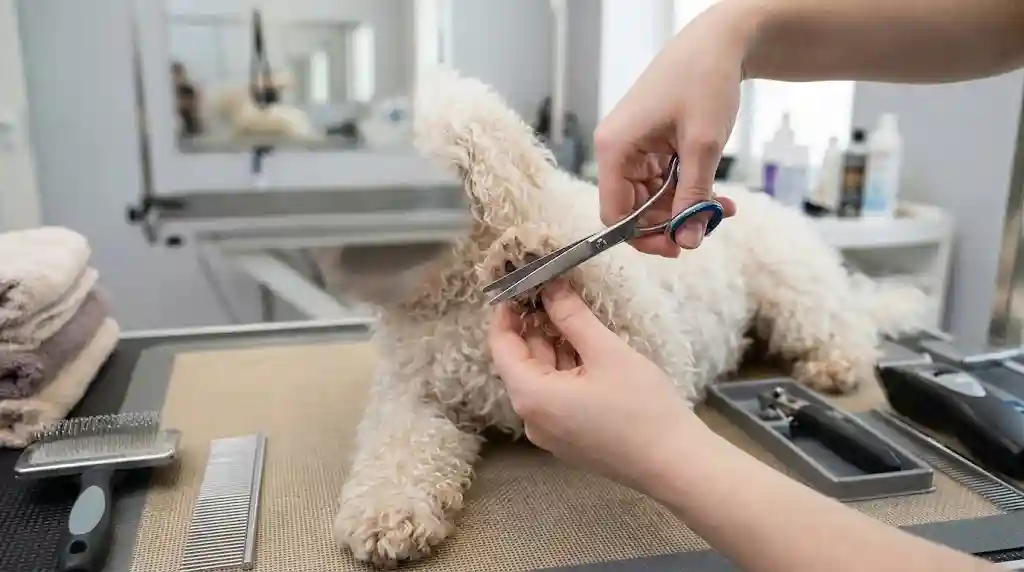
Once your dog is prepared and you have all your tools, you can begin the trimming process. Remember to work slowly, patiently, and prioritize your dog’s comfort and safety above all else.
- Settle Your Dog: Have your dog sit or lie down in your chosen grooming spot. Offer a treat to help them relax. If they are standing, you can gently lift a back foot away from their body and angle it towards you. Holding the leg close to their body helps stabilize the joint and prevents sudden pulling motions.
- Inspect the Paw: Before bringing any tools near the paw, carefully inspect the pad for any burrs, cracked pads, redness, cuts, or other abnormalities hiding under the fur. This check is crucial for catching potential injuries early.
- Comb the Hair Upward and Outward: Using your grooming comb or slicker brush, comb the hair between the paw pads upward and outward. This will lift the excess fur, making it stand on end, so you can clearly see what needs to be trimmed.
- The Trimming Motion (Clippers): For electric clippers, place the flat of the clipper blade flush against the large central paw pad. Using a gentle, scooping motion, glide the clippers from the center pad outward toward the toes. The goal is to trim the fur flush with the pad, or slightly shorter, allowing the pad surface to contact the floor. Gently use your thumb to spread the toe pads apart, exposing the narrow crevices. Lightly scoop out the excess hair, always keeping the blade parallel to the pads to avoid nicking the thin skin between the toes. Avoid digging in or applying heavy pressure. For small breeds, puppies, or very tight crevices, a battery-operated mini trimmer with a narrow blade can offer exceptional precision and safety.
- The Trimming Motion (Scissors): If using blunt-nosed grooming scissors, hold the blades parallel to the skin at all times. Never point the tips of the scissors down into the paw. Slide the closed scissors flat against the pad, open them slightly, and take small, careful snips. Trim the hair so it sits perfectly flush with the leathery pads. Work slowly and use your free hand to gently spread the paw pads apart, away from the hair you are trimming.
- Define the Rear Edge (Optional but Recommended): For a neat, professional finish, you can run the clippers (or scissors) in a clean line along the rear edge of the large paw pad. This helps to delineate the pad clearly.
- Check Your Work: After trimming, release the paw and allow your dog to stand normally. Check your work from a few angles to ensure the hair is even with or slightly shorter than the paw pads. The key is to allow the pads to regain full contact with the ground.
- Reward and Praise: Immediately reward your dog with a high-value treat and verbal praise for their cooperation. This positive reinforcement is crucial for building a good association with grooming.
| Mistake | Why It’s Harmful | How to Avoid It |
|---|---|---|
| Using regular household scissors or dull tools | Household scissors often have pointed tips, increasing the risk of stabbing delicate skin. Dull tools pull hair, causing pain and anxiety, and can lead to uneven cuts or nicks. | Invest in dedicated pet grooming clippers (mini trimmers) or blunt-nosed, round-tipped grooming scissors. Ensure all tools are sharp and well-maintained. |
| Cutting towards the paw pads or too deep | The skin between a dog’s toes is very thin and sensitive. Cutting directly into the pad or too deeply into the crevices can easily cause painful nicks or cuts. | Always cut away from the pad and keep blades parallel to the skin. Use a scooping motion, lifting hair away from the skin. The goal is to trim flush with the pad, not to clear the area out completely. |
| Forcing the dog to comply | Muscling through a trim when your dog is stressed or pulling away can create a strong negative association with grooming, making future sessions much harder and potentially leading to fear aggression. | Work in short sessions. If your dog shows signs of stress (flinching, freezing, pulling away), stop and try again later. Focus on positive reinforcement, patience, and desensitization. |
| Trimming dirty or wet paws | Dirty fur can quickly dull clipper blades and harbor bacteria. Wet hair is more elastic and harder to cut cleanly and evenly, increasing the risk of uneven cuts or pulling. | Always ensure your dog’s paws are clean and thoroughly dry before beginning the trim. |
| Ignoring nail length | Long nails can push the paw pads out of alignment, affecting gait and causing discomfort or pain. They can also grow into the paw pads, leading to severe infections. | Trim your dog’s nails regularly before trimming paw hair. Maintaining proper nail length is a crucial part of overall paw health. |
| Not having styptic powder on hand | Accidents can happen even with careful grooming. Not having styptic powder means bleeding may be prolonged, causing more distress to both you and your dog. | Always keep styptic powder (or cornstarch) readily accessible before starting any paw grooming. |
| Using human shampoos or lotions on paws | Human products may contain ingredients harmful to dogs or can disrupt their skin’s natural pH balance, leading to irritation or softening the pads too much, making them prone to tearing. | Use dog-specific shampoos, conditioners, and paw balms. Opt for organic coconut oil or a dog-specific paw balm for moisturizing. |
Post-Trimming Care and Ongoing Maintenance
Once you’ve successfully trimmed your dog’s paw pad hair, the care doesn’t stop there. Proper aftercare and consistent maintenance are key to ensuring their paws remain healthy and comfortable between grooming sessions.
Immediate Aftercare
After trimming, take a moment to thoroughly inspect your dog’s paws again. Check for any signs of redness, irritation, or minor nicks. If you notice any small cuts, apply styptic powder with firm, direct pressure until the bleeding stops. If bleeding continues for more than a few minutes or if the cut appears significant, contact your veterinarian.
Moisturizing Paw Pads
Just like human skin, a dog’s paw pads can become dry, cracked, or irritated, especially after exposure to various surfaces or weather conditions. Applying a small amount of dog-specific paw balm or organic coconut oil can help soothe the skin and lock in moisture. Gently massage it into the pads, paying special attention to any dry areas. Avoid using human lotions, as they may contain ingredients harmful to dogs or can soften the pads excessively, making them more susceptible to injury.
Regular Inspection and Cleaning
Make a routine of inspecting your dog’s paws regularly, ideally after every walk, especially in winter or after hikes. Look for any foreign objects, cuts, cracks, or signs of irritation. Clean their paws with a soft, damp cloth to remove dirt, mud, or chemicals, then dry them thoroughly, particularly between the toes. This prevents moisture-related issues and helps keep your home cleaner. For a complete grooming routine, see this dog grooming checklist for first-time owners.
Establishing a Grooming Schedule
The frequency of paw pad trimming depends on your dog’s breed, coat type, and activity level. Long-haired and double-coated breeds, spaniels, and some terriers tend to grow paw fur faster and require more frequent attention. Active dogs may also need more frequent trims to prevent debris accumulation and maintain traction. Generally, most long-haired dogs benefit from regular trimming, with some needing it every few weeks to once a month. Adjust your schedule based on your dog’s individual needs rather than a fixed calendar. Consistent, routine grooming is more effective and less stressful than letting the hair get severely overgrown. For a detailed grooming routine, see this grooming schedule by coat type. If your dog has a double coat, this guide on how to groom a double-coated dog at home is also helpful.
When to Seek Professional Help
While trimming paw pad hair at home is a manageable task for many owners, there are times when professional assistance is advisable. If your dog is particularly anxious, aggressive, or uncooperative during grooming, a professional groomer or veterinary technician can safely handle the task. Professionals have specialized equipment and experience with various dog temperaments. Additionally, if you notice severe matting, persistent limping, excessive licking, swelling, raw spots, or any other concerning symptoms, it’s best to consult your veterinarian, as these could indicate underlying health issues requiring medical attention. If you need help finding a groomer, this guide to the best local grooming services near you can point you in the right direction. For more information on professional grooming practices, you can refer to the American Kennel Club (AKC), which provides a broad overview of techniques and standards.
Conclusion
Trimming the hair between your dog’s paw pads is a simple yet crucial component of responsible pet ownership. It goes far beyond aesthetics, directly impacting your dog’s mobility, hygiene, and overall comfort. By preventing painful matting, improving traction, and reducing the risk of infections, you contribute significantly to their physical well-being. Equipping yourself with the right tools, approaching the task with patience and positive reinforcement, and following a consistent grooming schedule will make the process safe and stress-free for both you and your beloved companion. Regular paw care allows you to maintain a cleaner home and, more importantly, ensures your dog can move through life with confidence, comfort, and healthy, happy paws. For a complete overview of canine nutrition and health, see this ultimate pet nutrition guide. And if your dog has a sensitive stomach, this guide to the best dry dog food for sensitive stomachs can help.