Dog Snowballs Between Toes: Proven Ways to Prevent Painful Ice Buildup 2026
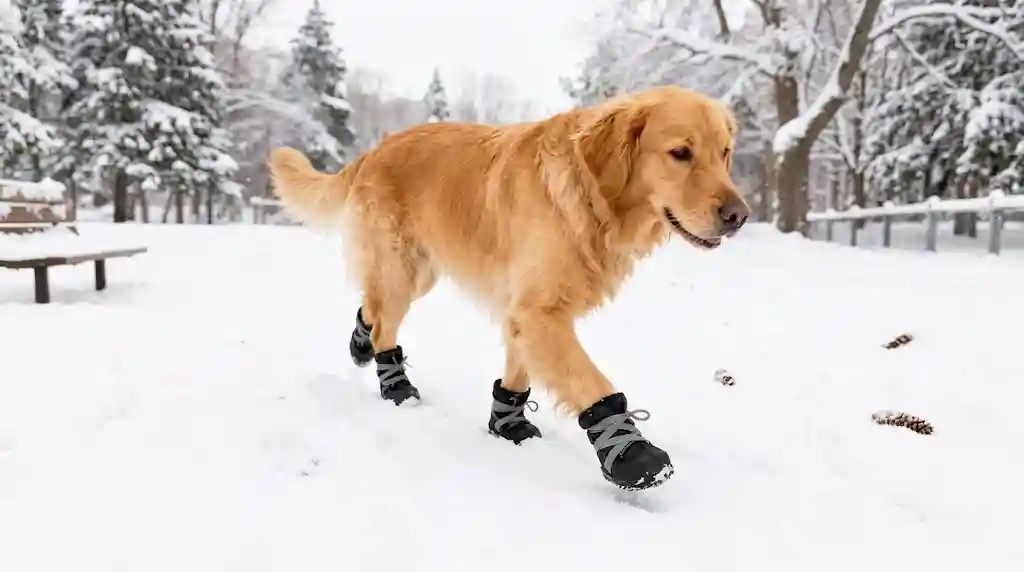
Table of Contents
Dog snowballs between toes are a common and often painful nuisance for many canine companions during winter months, transforming joyful romps in the snow into a limping, paw-licking ordeal. These icy clumps form when snow crystals get caught in the fur between a dog’s paw pads, melt slightly from body heat, and then refreeze, creating a hard, uncomfortable ice ball that attracts more snow with each step. Understanding why these snowballs form and, more importantly, how to prevent them, is crucial for ensuring your dog’s comfort and safety throughout the snowy season.
Understanding the Problem: Why Dog Snowballs Form
The formation of snowballs in a dog’s paws is a straightforward process driven by a combination of factors. Primarily, the fur between the paw pads acts like Velcro, catching snow as the dog walks. The natural warmth of the paw then melts a thin layer of this trapped snow, which quickly refreezes into ice around the hair. This initial layer of ice provides a perfect anchor for more snow to accumulate, packing into a hard ball with every subsequent step.
The type of snow plays a significant role in how readily these icy formations develop. Wet, sticky snow, particularly when temperatures hover around the freezing point (roughly 28°F to 34°F or -2°C to 1°C), is far more problematic than cold, powdery snow. This is because wet snow adheres to itself much better, allowing clumps to grow rapidly and solidify into painful ice balls that can spread the toes, pull on the hair, and even rub the skin raw. Dogs with longer, finer, or woolly fur, as well as those with significant undercoats or feathering on their legs, chest, and belly, are especially susceptible because their fur provides more surface area for snow crystals to cling to. Movement further compacts the snow, exacerbating the problem.
The Dangers of Snowballs in Paws
While seemingly innocuous, snowballs between a dog’s toes can lead to a range of uncomfortable and potentially harmful issues. The most immediate impact is discomfort and pain. As the ice balls grow, they stretch the dog’s toes apart, pulling on the sensitive fur and skin, which can cause significant irritation. Dogs may exhibit signs of distress such as high-stepping, limping, frequently stopping to chew or lick their paws, or even outright refusing to walk.
Beyond immediate discomfort, prolonged exposure to these ice balls can result in more serious health problems. The constant pulling and rubbing can lead to abrasions, cuts, or even bleeding on the paw pads and between the toes. These open wounds are then susceptible to infection, especially when exposed to harsh winter elements like road salt, de-icing chemicals, and other environmental irritants. The cold itself, combined with dampness, can also contribute to cracked paw pads, dryness, and in severe cases, frostbite. Dogs may also try to bite and lick their paws excessively in an attempt to remove the ice, which can worsen irritation and potentially lead to ingestion of harmful de-icing substances. Therefore, preventing snowballs is not just about comfort, but about safeguarding your dog’s overall paw health and well-being during winter. For more on skin infections, see this guide on dog skin infections.
Essential Grooming for Winter Paw Protection
Proactive grooming is one of the most effective strategies for preventing snowballs from forming between your dog’s toes. By addressing the primary cause—excess fur—you can significantly reduce the areas where snow can cling and accumulate.
Trimming Paw Hair
The most crucial step in winter paw grooming is to keep the hair between your dog’s paw pads neatly trimmed. This creates less surface area for snow to attach to, making it harder for ice balls to form. Experts recommend trimming the fur so it is level with the paw pads, rather than cutting it down to the skin between the toes. Small, cordless clippers or round-tipped scissors are ideal for this task. If your dog is fidgety or you are uncomfortable performing this yourself, a professional groomer can do it quickly and safely. It’s important to remember that this specific paw-focused trim is distinct from trimming the rest of the winter coat, which provides essential insulation for your dog’s body. Breeds like Golden Retrievers, Border Collies, Shelties, Bouviers, and Newfoundland dogs, which typically have hairy feet, particularly benefit from this practice. If you own a Golden Retriever, see this comprehensive guide to Golden Retrievers for more breed-specific care tips.
Nail Maintenance
Regular nail trimming is another often-overlooked aspect of winter paw care. Long nails can reduce your dog’s ability to grip icy surfaces, increasing the risk of slips and injuries. Moreover, the space underneath long nails can become another trap for snow and ice to accumulate, contributing to snowball formation. Keeping nails trimmed year-round improves walking stability and helps prevent additional areas for snow to cling.
Post-Walk Paw Care
Even with preventative trimming, it’s vital to inspect and clean your dog’s paws after every winter walk. Wiping their paws with a warm, damp towel immediately upon returning indoors helps remove any lingering snow, ice, or potentially harmful de-icing chemicals and salt. This also prevents your dog from licking off and ingesting these substances. Thoroughly drying the paws, especially between the toes, is essential, as damp fur going back out into the cold is how new ice balls can start. This consistent post-walk routine helps maintain overall paw health and prevents minor irritations from escalating into painful problems. For a complete grooming routine, see this dog grooming checklist for first-time owners.
Protective Gear: Boots and Balms
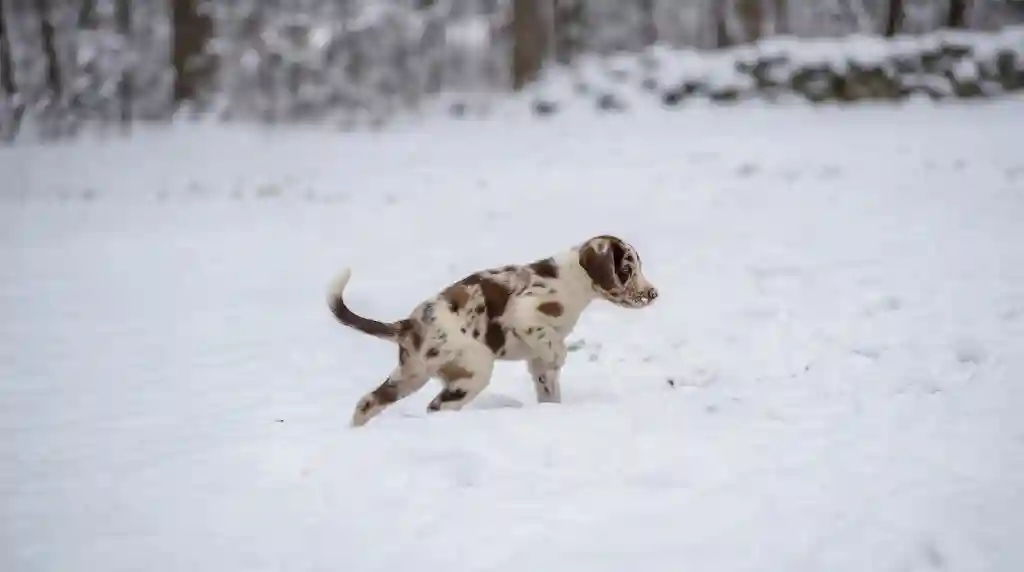
Beyond grooming, using protective gear such as dog boots and paw balms offers an additional layer of defense against snowballs and other winter hazards. These tools create a barrier between your dog’s sensitive paw pads and the harsh winter environment.
Dog Boots
Dog booties are among the most effective ways to prevent snow and ice buildup between toes and shield paws from cold temperatures, ice, and abrasive substances like rock salt and de-icing chemicals. They act as a physical barrier, keeping snow from sticking to the fur and protecting the pads from irritation, dryness, and potential chemical burns. For deep snow and powder, certain winter-specific boots with high coverage designs are particularly recommended to reduce snowball formation.
While not all dogs immediately take to wearing boots, a short adjustment and training period can significantly improve acceptance. It’s crucial to select properly fitted booties that stay secure without pinching or rubbing and do not create “snow pockets”. Boots with non-slip soles also offer added traction on icy surfaces, preventing slips and falls. Examples of highly-rated winter boots include the Ruffwear Polar Trex for year-round use and Canada Pooch Soft Shield Boots for frigid temperatures due to their waterproof exteriors and fleece lining.
Paw Balms and Waxes
For dogs that resist boots or for shorter outings, paw balms and waxes are an excellent alternative. These products create a protective, waxy barrier on the paw pads and between the toes, making the surface slicker so snow is less likely to cling and form ice balls. Balms also help to moisturize and protect paw pads from drying, cracking, and irritation caused by cold weather and de-icing agents.
Musher’s Secret is a popular and highly recommended paw wax, originally developed for sled dogs, known for its ability to protect paws from snow, ice, salt, and abrasive surfaces while also moisturizing. Other effective options include PawZ MAXWAX, which provides a wax-based barrier, and even natural alternatives like a thin layer of coconut oil or petroleum jelly, which can repel snow and are generally safe if licked in small amounts. It’s best to apply balm before each walk, working it into the pads and between the toes. For longer excursions, reapplication may be necessary as it can wear off.
| Prevention Method | Primary Benefit | Best For | Considerations |
|---|---|---|---|
| Trimming Paw Hair | Reduces surface area for snow to cling. | All dogs, especially long-haired breeds. | Requires careful use of clippers/scissors; professional grooming is an option. |
| Paw Balms/Waxes | Creates a slick, protective barrier. | All dogs, good for short walks or boot-averse dogs. | Needs reapplication for long walks; some dogs may lick it off. |
| Dog Boots | Physical barrier against snow, ice, salt, and chemicals. | All dogs, essential for long walks or harsh conditions. | Requires adjustment period and proper fitting; not all dogs tolerate them. |
| Post-Walk Cleaning | Removes snow, ice, salt, and checks for injury. | All dogs, after every winter walk. | Crucial for hygiene and early detection of issues. |
| Shortening Walk Duration | Limits exposure to cold and snow. | Puppies, senior dogs, small dogs, thin-coated dogs. | Balance with exercise needs; consider indoor alternatives. |
Immediate Relief: Removing Existing Snowballs
Despite the best preventative measures, snowballs can sometimes still form. When this happens, it’s crucial to remove them safely and gently to avoid causing further pain or injury to your dog.
Gentle Melting is Key
The cardinal rule for removing snowballs from your dog’s paws or fur is: never pull or cut them out. Pulling can painfully yank out hair, and cutting near the skin of a moving or painful paw carries a significant risk of accidental injury. Instead, the goal is to gently melt and loosen the ice.
The most recommended method involves using lukewarm water. You can hold a cloth soaked in lukewarm water around the clump, or for severe cases, dip the dog’s paw into a bowl of lukewarm water until the ice loosens and lets go. The American Kennel Club specifically recommends this warm, damp towel method to gently melt and loosen the ice. Ensure the water is comfortably warm, not hot, to avoid cold injury to the skin.
Alternative Methods for Removal
If your dog tolerates it, a blow dryer on the lowest, cool setting can also be used to melt snow clumps. Hold the dryer about a foot away from the paw and move it around slowly to prevent startling or burning your dog. Some owners also find a kitchen whisk surprisingly effective for gently detangling snow and ice from fur without pulling, especially for snow caught higher up on the legs. A full bath with lukewarm water can be a last resort for very matted fur, but soaking just the paws can often suffice.
Post-Removal Care
Once the snowballs are removed, thoroughly dry the paw and the spaces between the toes to prevent new ice balls from forming, as damp fur is a breeding ground for them. After drying, inspect the paw pads for any redness, cuts, cracks, or signs of irritation. If you notice persistent limping, pain, bleeding, swelling, or suspected cold injury, it is important to seek veterinary advice promptly.
Winter Dog Walking Best Practices
Beyond direct paw protection, adjusting your winter walking habits can significantly contribute to preventing snowballs and ensuring your dog’s overall safety and comfort in cold conditions.
Choosing Safe Routes
When planning your winter walks, try to stick to cleared sidewalks and pathways, and avoid areas with deep snow, especially those that might hide sharp ice or chemical residues. Road salt and de-icing chemicals are particularly irritating to paw pads and can cause dryness, cracks, or even chemical burns. If walking in salted areas is unavoidable, be extra diligent with post-walk paw cleaning. Some dogs are more susceptible than others, so understanding your dog’s individual tolerance is important.
Monitoring Outdoor Time and Conditions
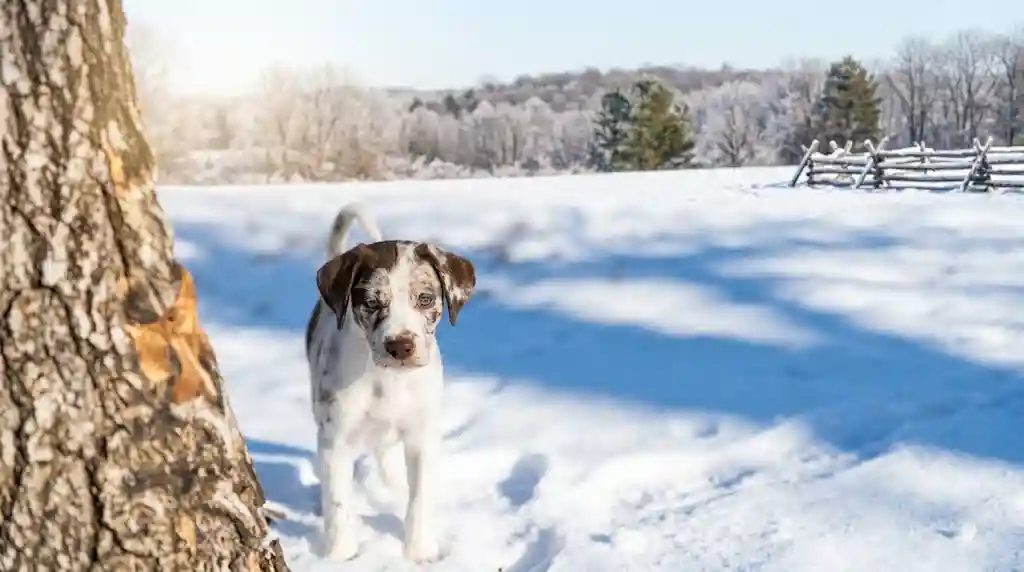
The duration of winter walks should be adjusted based on the temperature, wind, and type of snow. When it’s very cold, windy, or wet, several shorter outings are often kinder than one long one. Watch your dog closely for signs of discomfort, such as repeatedly lifting a paw, limping, stopping, or licking at their feet, which indicate their paws are too cold or irritated, and it’s time to head back inside. Puppies, senior dogs, small dogs, and breeds with thin coats are generally more susceptible to cold and should have their outdoor time limited.
Hydration and Nutrition
Even in cold weather, proper hydration is crucial. Dogs still need plenty of water in winter, as cold, dry air can contribute to dehydration, which in turn can affect skin and paw pad health. Ensuring your dog has access to fresh water and a balanced diet helps maintain their overall health, supporting their skin and coat integrity throughout the winter season. For a complete nutrition overview, see this ultimate pet nutrition guide.
For additional information on winter dog safety and paw care, reputable sources like the American Veterinary Medical Association (AVMA) offer valuable guidance. For instance, you can refer to resources on responsible pet ownership during cold weather, which often detail broader safety considerations beyond just paw care.
Breeds More Prone to Snowball Issues
While any dog can develop snowballs, certain breeds are predisposed to this problem due to their coat type and paw structure. Understanding these predispositions can help owners of these breeds implement more rigorous preventative measures.
Long-Haired and Feathered Breeds
Dogs with long, fine, or woolly fur are the most susceptible to snowball formation. Breeds with extensive feathering on their legs, chest, and belly, such as Golden Retrievers, Border Collies, Setters, Newfoundlands, and Australian Shepherds, often pick up large snow clumps not just between their toes, but also on their legs and bellies. The long strands of hair provide ample surface area for snow crystals to cling to, which then melt and refreeze into stubborn ice balls. Regular grooming and trimming of this “slipper feet” fur is especially critical for these breeds. For Poodle owners, this comprehensive guide to Poodles offers valuable breed-specific care tips.
Breeds with Lots of Undercoat
Breeds with dense undercoats, like Siberian Huskies, Alaskan Malamutes, and Samoyeds, while well-adapted to cold, can still experience snow accumulation if the fur between their toes is not managed. Although their outer coats are often weather-resistant, the softer undercoat between the pads can trap snow and lead to ice ball formation. For proper care of these coats, see this guide on how to groom a double-coated dog at home.
Breeds with Webbed Toes
Some breeds, particularly those developed for water retrieval or swimming, have webbed toes (e.g., Portuguese Water Dogs, Newfoundlands, Chesapeake Bay Retrievers). While webbed feet are advantageous for propulsion in water, the extra skin and fur between the toes can create more pockets for snow to become trapped and form ice balls, potentially stretching the toes apart and causing discomfort.
Less Prone Breeds
Conversely, dogs with short, smooth fur or very harsh, weather-resistant topcoats tend to have fewer problems with snowballs. Breeds like Doberman Pinschers, Greyhounds, and many terriers have fur that allows snow crystals to find fewer “points of attack” and slide off more easily. However, even these dogs can benefit from paw protection if exposed to extreme cold or deep, wet snow.
Conclusion
Preventing dog snowballs between toes is a vital aspect of responsible pet ownership during winter. These icy nuisances can quickly turn an enjoyable snowy outing into a painful experience, leading to discomfort, limping, and potentially serious paw injuries such as cuts, cracks, and even frostbite. By understanding the mechanics of snowball formation—where warm paws meet wet, clinging snow and fur—owners can implement effective preventative strategies.
The most impactful methods involve a multi-faceted approach. Essential grooming, particularly keeping the fur between paw pads trimmed level with the pads and maintaining healthy nails, significantly reduces the areas where snow can adhere. Complementing this with protective gear like well-fitting dog boots or a generous application of paw balms such as Musher’s Secret creates a crucial barrier against snow, ice, and harsh de-icing chemicals. Furthermore, adopting smart winter walking practices, such as choosing cleared routes and monitoring your dog for signs of discomfort, contributes to their overall safety. Should snowballs form, gentle removal using lukewarm water and careful post-walk inspection and drying are paramount to prevent further irritation or injury. By consistently applying these preventative measures, dog owners can ensure their furry friends remain comfortable, happy, and healthy, enjoying all the wonders of winter without the painful interruption of snowballs between their toes. For a complete grooming routine, see this grooming schedule by coat type. For drying techniques after a wet winter walk, this guide on the best drying technique for long-haired dogs is helpful. And for dogs with sensitive stomachs, see this guide to the best dry dog food for sensitive stomachs. If your dog suffers from allergies or itching, this guide on dog allergies may be useful. And for professional grooming help, this guide to the best local grooming services near you can point you in the right direction.