Dog Used to Wearing Boots: 7 Easy Tips for a Stress-Free Start
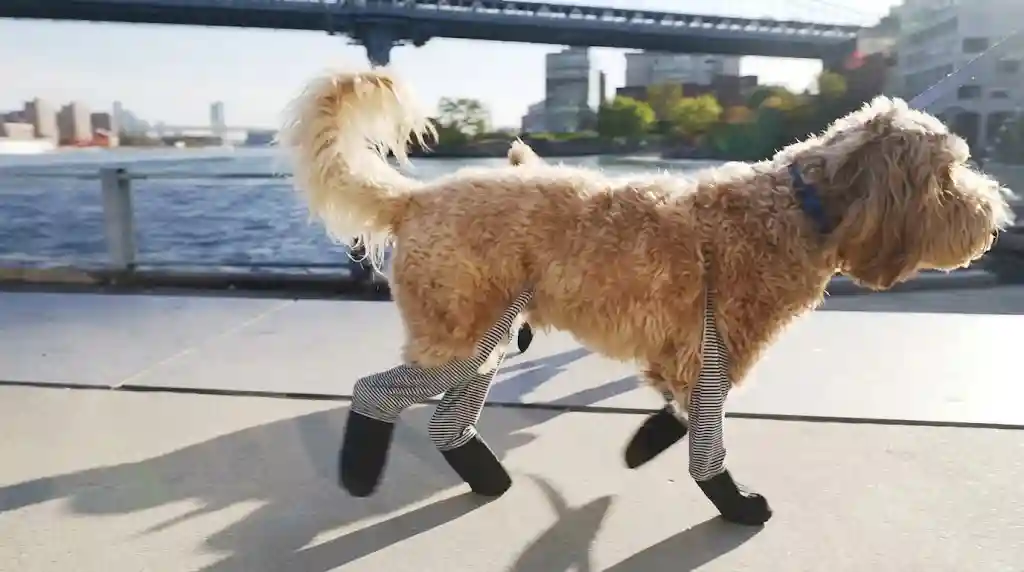
Table of Contents
How to get a dog used to wearing boots is a common challenge for many pet owners, yet it’s a skill that can significantly enhance a dog’s safety and comfort in various environments. While the sight of a dog doing a “funny walk” in new footwear might be amusing, the underlying purpose of dog boots is deeply practical. From protecting delicate paw pads from extreme temperatures and harsh surfaces to aiding in recovery from injuries, dog boots are far more than a fashion statement. This comprehensive guide will walk you through the process of acclimating your canine companion to wearing boots, ensuring a positive and stress-free experience for both of you.
Why Dog Used to Wearing Boots: Understanding the Benefits
Many dog owners ponder the necessity of dog boots, assuming their canine companions’ paw pads are inherently tough enough for any terrain. While a dog’s paw pads do offer some natural protection, they are not impervious to all hazards. Dog boots serve a crucial role in safeguarding paws against a multitude of environmental factors, thereby promoting your dog’s overall health and well-being.
One of the primary reasons for investing in dog boots is injury prevention. Harsh surfaces such as icy sidewalks, jagged rocks, thorns, broken glass, or rough trails can cause cuts, abrasions, and even cracks on paw pads. Boots provide a robust protective barrier, shielding paws from potential harm. This is particularly vital for adventurous dogs who frequently explore varied terrains, as extended exposure can lead to raw and sore pads.
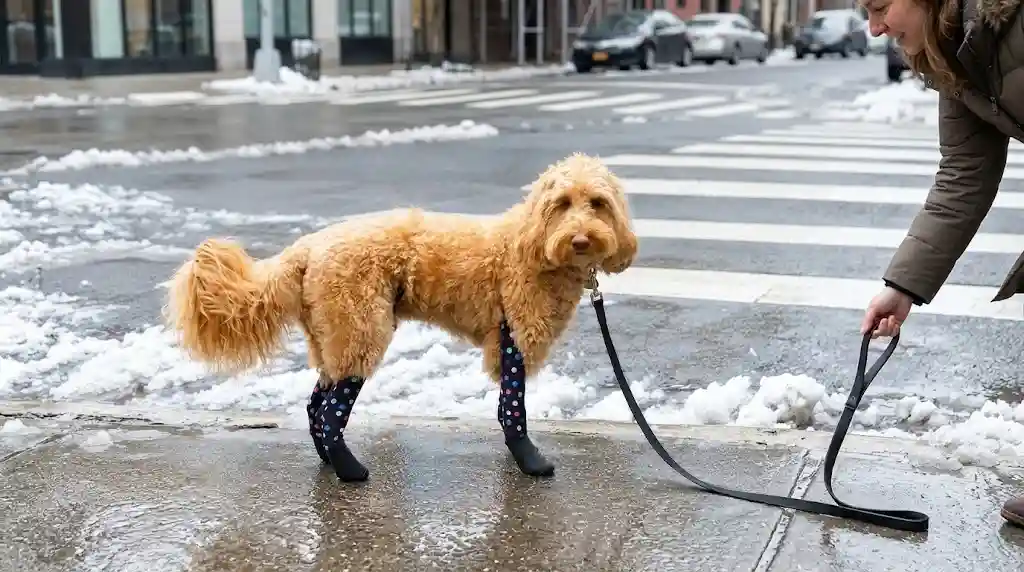
Beyond physical injuries, boots offer critical protection against extreme temperatures. In winter, cold weather conditions can be particularly brutal, leading to frostbite if moisture freezes between paw pads. De-icing salts and other chemicals commonly used on roads and sidewalks can irritate, burn, or even be toxic if ingested when a dog licks their paws. Conversely, during scorching summers, surfaces like asphalt and concrete can reach temperatures high enough to cause severe burns to paw pads. A simple test for hot pavement is to place your own hand on the surface for a few seconds; if it’s too hot for you, it’s too hot for your dog. Boots insulate paws from both extreme heat and cold, preventing burns and frostbite.
Dog boots also play a significant role in maintaining traction and improving mobility. Slippery surfaces like ice, snow, or polished indoor floors can pose a challenge, especially for older dogs or those with mobility issues like arthritis or hip dysplasia. Boots with non-slip soles can provide the extra grip needed to prevent slips and falls, allowing dogs to move with greater confidence and stability.
Furthermore, boots help in keeping paws clean and reducing grooming needs. They prevent mud, dirt, snow, and ice from accumulating between toes and paw pads, which can reduce the risk of infection or fungus. This means less mess tracked into your home or car after outdoor adventures. For dogs with allergies to pollen or certain grasses, boots can also minimize contact with irritants, thereby preventing skin irritation. For more on skin issues, see this guide on dog skin infections.
Finally, dog boots are invaluable for recovery and injury management. If a dog has a paw injury, surgical wound, or bandage, boots can keep the affected area clean and dry, preventing bacterial infections and promoting faster healing. Many veterinarians recommend boots for these situations. For a comprehensive understanding of dog paw health and care, you can refer to the American Kennel Club (AKC), which elaborates on their anatomy and importance.
Choosing the Right Boots: Fit, Material, and Purpose
The success of getting your dog used to boots heavily relies on selecting the right pair. An ill-fitting boot can cause discomfort, cut off circulation, or easily fall off, making the training process frustrating for both you and your dog.
Understanding Proper Sizing
Proper sizing is paramount. Just like human shoes, a snug but not overly tight fit is crucial for comfort and security. To accurately measure your dog’s paws:
- Have your dog stand on a flat surface, placing one paw on a piece of paper.
- While their paw is bearing full weight (this ensures accurate measurement, as paw pads spread when weight is applied), trace around it.
- Measure the width at the widest part of the paw and the length from the tip of the longest toe to the back of the paw pad.
- Compare these measurements with the manufacturer’s sizing chart. Note that sizes can vary between brands and even different models within the same brand.
It’s often recommended to measure both front and back paws separately, as they can differ in size. Ensure your dog’s nails are trimmed before measuring to get the most accurate fit. Puppies’ paws grow quickly, so re-measure periodically if you’re training a young dog.
Material and Features
The material and features of the boots should align with their intended purpose.
- For winter conditions (snow, ice, cold): Look for insulated, waterproof, or water-resistant materials with robust, textured soles to provide warmth and enhanced traction on slippery surfaces.
- For hot pavement: Breathable, lightweight materials are essential to protect against burns while allowing paws to breathe and prevent overheating (dogs sweat through their paw pads).
- For rough terrain (hiking): Durable materials with thick, molded rubber soles offer excellent protection against sharp objects and provide good grip.
- For indoor traction/mobility assistance: Soft, flexible boots with non-slip grip can help senior dogs or those with neurological conditions on slick floors.
Other important features include:
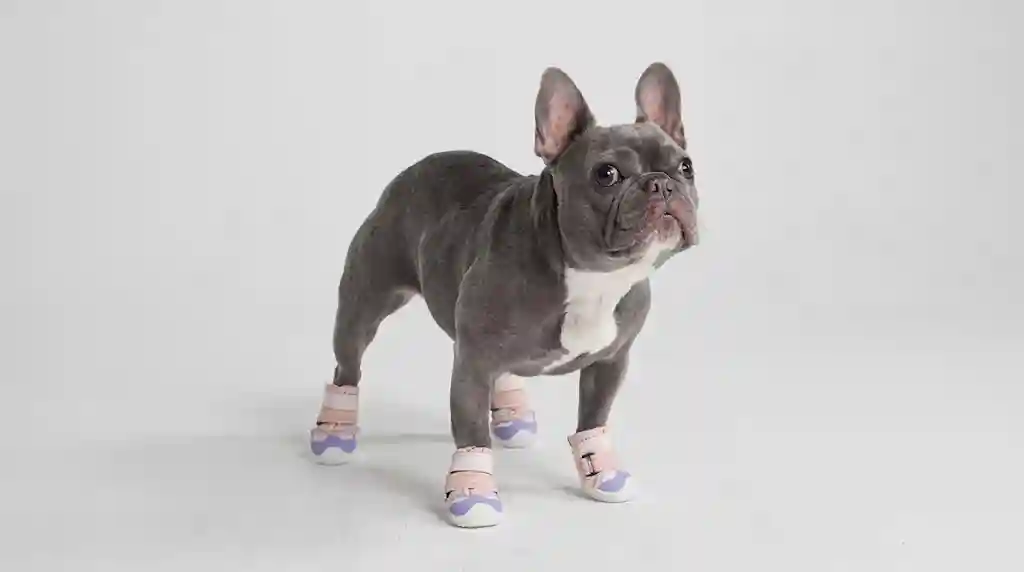
- Secure fastening: Velcro straps are common and allow for adjustable, snug fit, preventing boots from slipping off. Some designs, like suspender-style boots, offer even greater security.
- Flexibility: The boot should allow for natural paw movement and flexion. Rigid boots can be uncomfortable and hinder natural gait.
- Reflective strips: Beneficial for low-light conditions, increasing visibility during walks.
Consider your dog’s paw shape and breed as well. Some breeds have narrower or wider paws, requiring boots designed to accommodate these differences. For Poodle owners, this comprehensive guide to Poodles offers valuable breed-specific care tips. Ultimately, the right boots are those that fit well, provide the necessary protection for the activity, and are comfortable for your dog to wear. If boots twist or fall off, or your dog limps, the fit is likely incorrect.
The Preparation Phase: Handling Paws and Positive Associations
Before even attempting to put boots on your dog, a crucial preparatory phase is required. This involves creating positive associations with the boots and desensitizing your dog to paw handling, which can be a sensitive area for many canines. Skipping these steps can lead to resistance and make the entire training process more challenging.
Familiarization with the Boots
The first step is to introduce the boots themselves in a calm, positive, and non-pressured environment. Allow your dog to sniff, investigate, and generally get familiar with the new objects. You can place the boots on the floor near their toys or bed, letting them explore at their own pace.
- Positive Reinforcement: Every time your dog shows curiosity towards the boots (sniffing, looking at them, gently nudging them), offer high-value treats and praise. This helps create a positive association, teaching them that boots mean good things (treats!).
- No Pressure: Do not force any interaction. The goal is to build comfort, not fear or anxiety.
- Short Sessions: Keep these initial interactions very brief, just a few minutes at a time, to avoid overwhelming your dog.
Desensitizing Paw Handling
Many dogs are sensitive about their paws being touched. If your dog is not comfortable with you handling their feet, this needs to be addressed before boot training can begin. You want them to view paw handling as a normal and pleasant experience.
- Gentle Touch: Start by gently touching your dog’s legs, gradually moving down towards their paws.
- Treat and Praise: As you touch their paws, provide treats and verbal praise. Make it a positive, rewarding experience.
- Gradual Progression: Slowly increase the duration and intensity of paw handling. Progress to holding their paw, gently spreading their toes, and mimicking the motion of putting on a boot.
- Consistency: Practice paw handling regularly, even when not training with boots, to maintain their comfort level.
By establishing a strong foundation of positive associations with the boots and comfortable paw handling, you’ll significantly increase the likelihood of a smooth and successful boot training journey.
Gradual Acclimation: Step-by-Step Training
Once your dog is comfortable with the boots’ presence and tolerates paw handling, it’s time to begin the actual process of wearing them. Patience and a step-by-step approach are crucial, as rushing can create negative associations. Most dogs will walk “funny” at first, lifting their paws high or trying to shake them off; this is a normal reaction to an unfamiliar sensation.
The key is to keep sessions short, positive, and full of rewards.
| Training Step | Action | Key Tip for Success |
|---|---|---|
| 1. One Boot at a Time | Start by gently putting just one boot on a single paw for a few seconds. Immediately remove it. | Reward heavily with high-value treats and praise the moment the boot is on and then again when it’s off. This creates a strong positive loop. |
| 2. Increase Duration & Add More Boots | Gradually increase the time the single boot stays on (e.g., 10 seconds, then 30 seconds, then a minute). Once comfortable, add a second boot, typically on a front paw. | Continue consistent positive reinforcement. Keep sessions brief (5-10 minutes) and end on a positive note. |
| 3. Indoor Practice with All Four Boots | Once your dog tolerates two boots, gradually introduce all four. Let them walk around the house for short periods. | Distract your dog with toys or short training commands to encourage movement and take their mind off the boots. Reward steps taken. |
| 4. Short Outdoor Ventures | When your dog is comfortable indoors, take short walks (5-10 minutes) in a familiar, low-distraction outdoor area like your backyard or a quiet park. | Maintain a positive attitude, use high-value treats, and praise calm walking. Gradually increase the duration and distance of walks. |
Tips for Smooth Progression:
- Positive Reinforcement is Key: Always use treats, praise, and gentle encouragement. This builds a positive association with the boots. Avoid scolding or forcing your dog, as this can create fear and make them resistant.
- Keep Sessions Short and Sweet: Start with just a few minutes per session and gradually extend the time as your dog becomes more comfortable. It’s better to have several short, positive sessions than one long, frustrating one.
- Distraction Works: If your dog tries to chew or paw at the boots, redirect their attention with a toy, a command, or by encouraging movement. Often, once they start moving, they forget about the boots. For anxious dogs, this guide on dog grooming tips for anxious dogs can be very helpful.
- Monitor Body Language: Pay close attention to your dog’s cues. If they show signs of distress, anxiety, or extreme discomfort, remove the boots and take a step back in your training.
- Consistency: Regular practice, even for short periods daily, helps reinforce the training and makes boots a normal part of their routine.
Troubleshooting Common Challenges: What to Do When Your Dog Resists
It’s normal for dogs to resist wearing boots initially. Their paws are highly sensitive, filled with proprioceptive receptors that provide information about their body’s position. Covering them can feel unnatural and disorienting, leading to strange gaits or attempts to remove the boots. However, with patience and the right approach, most dogs can overcome this resistance.
Common Reactions and Solutions:
- The “Funny Walk” or High Kicks: This is perhaps the most common reaction, as dogs adjust to the unfamiliar sensation. Solution: Ignore the funny walk and continue to encourage movement with treats and praise. Distract them with a leash walk, toys, or commands. The more they move, the quicker they’ll acclimate.
- Freezing or Refusing to Move: Some dogs will simply stand still, unsure how to proceed. Solution: Gently encourage movement with a leash, call them to you with an excited voice, or use a favorite toy. Keep the environment low-stress and rewarding for any attempt to move.
- Chewing or Biting at the Boots: This often indicates irritation or anxiety. Solution: Immediately redirect their attention with a treat or toy. If it persists, remove the boots, check the fit for any pinching or rubbing, and try again later with a shorter session. Ensure dew claws are protected, potentially with liner socks.
- Boots Slipping Off or Twisting: This is almost always a fit issue. Solution: Re-measure your dog’s paws and consult the sizing chart again. Ensure the straps are snug but not tight. Consider a different boot style if the current one consistently fails to stay on.
- General Anxiety or Distress: Signs include excessive panting, drooling, tail tucked, or trying to hide. Solution: Immediately remove the boots. You’ve gone too fast. Revert to earlier, less intrusive steps (e.g., just sniffing the boots, or one boot for a few seconds). Ensure all interactions are positive, brief, and pressure-free.
Key Troubleshooting Principles:
- Check the Fit RELIGIOUSLY: An uncomfortable boot is the number one reason for resistance. It should be snug, but allow full paw flexion.
- Patience is a Virtue: Some dogs will adjust in a few sessions, others may take weeks. Do not rush the process.
- End on a Positive Note: Always try to end each training session when your dog has had a small success, leaving them with a good feeling about the boots.
- Observe and Adjust: Every dog is an individual. What works for one might not work for another. Be flexible and adjust your training methods based on your dog’s reactions.
If your dog truly refuses boots after consistent, patient effort and proper fitting, alternative paw protection like paw wax or balms can be considered for less extreme conditions.
Making Boots a Routine: Consistency and Reinforcement
Once your dog has successfully transitioned from indoor practice to comfortable outdoor walks in their boots, the next step is to integrate boot-wearing seamlessly into your regular routine. Consistency is paramount in reinforcing the learned behavior and ensuring that wearing boots remains a positive, unremarkable part of their day.
Establishing a Consistent Schedule:
Dogs thrive on routine. By making boot-wearing a predictable part of specific activities, you help your dog understand what to expect.
- Associate with Activities: Put boots on before specific activities that require them, such as daily walks in inclement weather, hikes on rough trails, or trips to areas with hot pavement. This creates a clear association: “Boots mean we’re going for an adventure!”
- Avoid Intermittent Use (Initially): In the early stages of making boots a routine, try to use them for all relevant outings, rather than sometimes using them and sometimes not. This prevents confusion and resistance.
- Prep Time: Build a few extra minutes into your routine for putting on the boots. Avoid rushing, as this can create stress and make your dog wary. A calm, methodical approach reinforces the calm acceptance of the boots.
Continued Positive Reinforcement:
Even after your dog is accustomed to boots, it’s beneficial to continue using positive reinforcement to maintain their comfort and willingness.
- Reward Good Behavior: Continue to offer treats and praise when your dog calmly allows you to put the boots on, walks naturally in them, or ignores them during an outing. This keeps the association strong and positive.
- Engaging Walks: Make walks exciting and rewarding. Explore new areas, bring favorite toys, or incorporate short play sessions. This distraction helps your dog focus on the fun rather than the boots on their feet.
- Verbal Cues: You can introduce a verbal cue like “boots on” before putting them on. Over time, your dog will associate this phrase with the upcoming activity and the positive experience.
Post-Wear Care:
After each use, ensure proper care of both the boots and your dog’s paws.
- Check Paws: Always inspect your dog’s paws after removing the boots for any signs of rubbing, irritation, or soreness. This is especially important for areas like the dew claws. If your dog has allergies or skin issues, this guide on dog allergies may be helpful.
- Clean Boots: Clean the boots according to the manufacturer’s instructions to ensure they remain hygienic and functional.
- Allow Paws to Breathe: While boots offer protection, it’s important not to leave them on for excessively long periods, particularly in warm weather, as dogs sweat through their paw pads.
By integrating boots into a consistent and positive routine, you transform them from a novel, potentially uncomfortable item into a normal and accepted part of your dog’s life, allowing them to enjoy their adventures safely and comfortably. For a complete grooming routine, see this dog grooming checklist for first-time owners.
When to Use Dog Boots: Practical Applications
Understanding the scenarios where dog boots are most beneficial helps ensure your canine companion receives optimal protection and comfort. While not every dog needs boots for every outing, certain conditions and activities make them a valuable, and often essential, accessory.
Extreme Weather Conditions:
- Hot Pavement: During summer, asphalt and concrete can reach temperatures that can burn a dog’s paw pads in seconds. Boots provide a critical barrier against hot surfaces, allowing for safer walks.
- Cold, Snow, and Ice: In winter, boots protect against frostbite, jagged ice shards that can cause cuts, and painful accumulation of ice and snow between paw pads. They also shield paws from harsh de-icing salts and chemicals.
- Temperature Guidelines: While individual tolerance varies, general guidelines suggest considering boots for moderate to long walks between 20°F to 32°F (around -6°C to 0°C), and as often as possible below 20°F (below -6°C). For hot pavement, if it’s too hot for your bare hand, it’s too hot for their paws.
Rough and Hazardous Terrains:
- Hiking and Trails: For dogs accompanying owners on hikes, especially over rocky, uneven, or thorny terrain, boots prevent cuts, abrasions, and general wear and tear on paw pads.
- Urban Environments: City streets can harbor hidden dangers like broken glass, sharp debris, and chemicals. Boots offer a protective layer against these unseen hazards.
Medical and Mobility Support:
- Paw Injuries or Wounds: Boots are invaluable for protecting injured paws, keeping bandages clean and dry, and preventing dogs from licking or chewing at healing wounds, which can lead to infection.
- Mobility Issues: For elderly dogs or those with conditions like arthritis, hip dysplasia, or neurological problems that cause “knuckling” (dragging paws), non-slip boots can provide essential traction on slippery floors and prevent scraping injuries.
- Allergies: Dogs with contact allergies to certain grasses or pollens can benefit from boots to reduce exposure during walks, minimizing skin irritation.
Keeping Paws Clean:
- Mud and Dirt: Boots can keep paws clean in muddy conditions, reducing the amount of dirt and debris tracked into your home or vehicle.
By being mindful of these practical applications, you can ensure your dog’s paws are protected precisely when they need it most, enhancing their safety and enjoyment of outdoor activities year-round. For drying your dog’s paws after a wet walk, this guide on the best drying technique for long-haired dogs is useful. And for dogs with sensitive stomachs, see this guide to the best dry dog food for sensitive stomachs.
Conclusion
Getting a dog used to wearing boots is a process that demands patience, consistency, and an understanding of your dog’s individual needs. From recognizing the crucial benefits of paw protection against extreme weather and hazardous terrains to meticulously choosing the right fit and material, each step contributes to a successful outcome. The core of this training lies in positive reinforcement, gradual acclimation, and creating an environment where boots are associated with rewarding experiences. While the initial “funny walk” is a common and often amusing sight, steadfast dedication to short, positive training sessions, coupled with diligent troubleshooting, will help your dog comfortably accept their new footwear. Ultimately, equipping your dog with boots, when appropriate, is an act of responsible pet ownership, safeguarding their paw health and enabling them to explore the world safely and comfortably by your side. For a complete overview of canine nutrition, see this ultimate pet nutrition guide. For professional grooming help, this guide to the best local grooming services near you can point you in the right direction. If your dog has a double coat, this guide on how to groom a double-coated dog at home is also helpful. And for puppies, this guide to the best puppy food for large breed puppies is a valuable resource.