Dog Boots Keep Falling Off? 9 Proven Tips for a Snug and Secure Fit
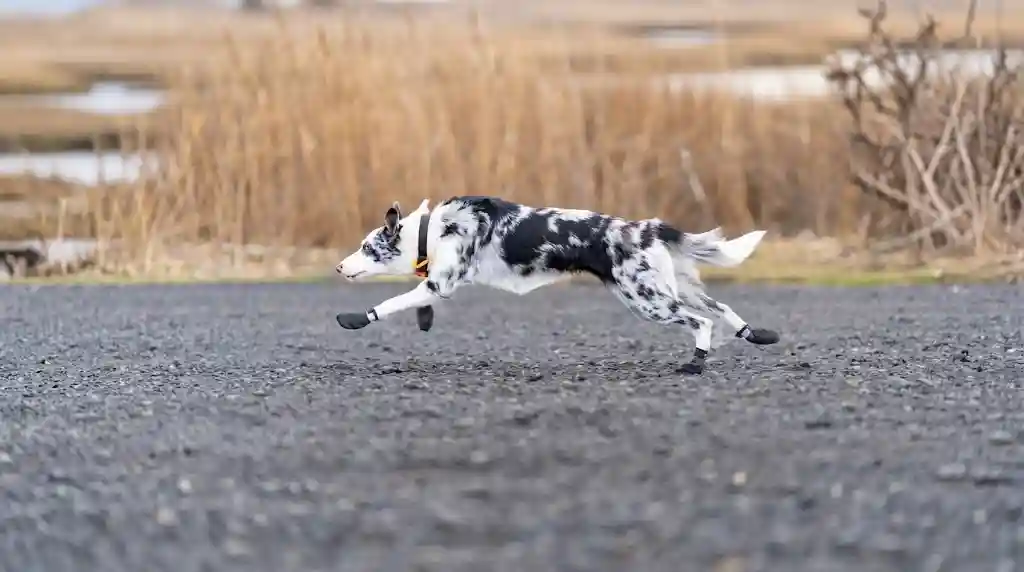
Table of Contents
Dog boots keep falling off, a frustration many pet parents experience when trying to protect their furry companions’ paws from harsh elements, hot pavement, rough terrain, or injury. This common problem often leads owners to question the effectiveness of dog footwear, but the real issue usually lies not with the concept of boots, but with improper fitting, unsuitable boot design, or a lack of training and maintenance. Understanding the underlying reasons why dog boots slip off and implementing effective solutions can ensure your dog’s paws remain protected and comfortable during all their adventures.
Understanding Why Dog Boots Fall Off
The primary reason dog boots fail to stay on isn’t simply loose straps, but a combination of factors related to boot design, fit, and your dog’s natural movement. Many boots emphasize strap tightness, yet this rarely addresses the root cause of slippage.
Incorrect Sizing: The Foundation of Failure
One of the most critical factors is incorrect sizing. A boot that is too loose will inevitably slip, twist, or fall off, making it difficult for your dog to walk. Conversely, boots that are too tight can cause discomfort, reduced circulation, numbness, and even frostbite, leading your dog to try and remove them. It’s crucial to recognize that dog paws are not one-size-fits-all; they vary significantly in length, width, and shape, even between front and back paws of the same dog. Measuring while your dog is sitting or lying down can lead to inaccurate measurements, as a paw spreads out when bearing weight.
Improper Fastening: More Than Just Tightening Straps
While straps are essential for securing boots, their placement and adjustment are key. Over-tightening straps around the ankle area can restrict circulation and cause irritation, prompting your dog to resist wearing them or try to kick them off. Many traditional boots rely heavily on ankle tightness, which alone cannot prevent the boot shaft from collapsing or twisting during movement.
Material and Design Flaws: When Boots Aren’t Built to Last
The construction and materials of dog boots play a significant role in their ability to stay on. Boots with a soft, collapsible shaft (the upper tube of the boot) are prone to failing in motion, as they cannot resist the forces of ground friction, leg swing, and movement deformation. If the boot shaft can be easily flattened by hand, it’s likely to collapse and slip off during activity. Poor quality materials can also lead to premature wear and tear, compromising the boot’s fit and protective capabilities. Lightweight materials, flexible segmented soles, and balanced weight distribution are vital for boots to stay on, especially for active dogs.
Dog’s Gait and Activity Level: The Physics of Paw Protection
A dog’s natural gait and activity level contribute to boots falling off. During running or fast walking, dogs perform a forward “kick” motion. If the boot is too heavy or rigid, it experiences forward inertia that the strap alone cannot counteract, causing it to fly off. Additionally, the anatomical differences between front and rear paws, and the way a dog’s leg narrows above the paw, can create slippage points if boots aren’t designed with these nuances in mind. Slippery surfaces like wet, icy, or muddy ground can also make even well-fitting boots twist or come off more easily.
Measuring Your Dog’s Paws for the Perfect Fit
Accurate paw measurement is the cornerstone of preventing dog boots from falling off. Neglecting this step often leads to buying ill-fitting boots that cause discomfort or simply don’t stay on.
- Trim Nails First: Before measuring, ensure your dog’s nails are trimmed. Long nails can skew measurements and prevent a secure fit. For a complete grooming routine, see this dog grooming checklist for first-time owners.
- Stand and Bear Weight: Have your dog stand on a flat, firm surface, with their full weight distributed on the paw you’re measuring. This ensures the paw is splayed out naturally, providing the most accurate width and length. Measuring while sitting or lifting the paw will result in smaller, incorrect measurements.
- Trace the Paw: Place a blank piece of paper under your dog’s paw. Gently hold the opposite paw to ensure the entire weight is on the paw being measured. Draw lines at the top, bottom, and widest sides of the paw. Be sure to include the toenails in your outline.
- Measure Length and Width: Use a ruler or tape measure to find the length (from the tip of the longest nail to the back of the paw pad) and width (across the widest part) from your tracing.
- Measure All Four Paws: Critically, measure both front and back paws separately. It is very common for front paws to be wider or larger than back paws, as they often bear more weight. Many dogs have smaller back paws, and a boot sized for the front may be loose at the back.
- Check Manufacturer’s Size Chart: Always compare your measurements to the specific size chart provided by the boot manufacturer. Sizes can vary significantly between brands and even different models within the same brand.
- Consider Paw Circumference and Leg Height: Some brands also recommend measuring paw circumference, wrist circumference, and wrist height for a truly custom fit.
If your dog falls between sizes, consider sizing up only if the boot has a robust fastening system and good structure. Otherwise, sizing down might be safer if the material offers some flexibility.
Choosing the Right Boot Style and Features
The market offers a wide array of dog boots, each with different features designed for various purposes and activity levels. Selecting the appropriate style and construction is vital for boots to stay on and provide effective protection.
| Feature | Importance for Staying On | Considerations |
|---|---|---|
| Secure Fasteners | Multiple Velcro straps or elastic cinch closures are often more effective than single straps, providing better security around the narrowest part of the leg. | Ensure straps sit above the paw, just below the carpal pad, for optimal retention without restricting paw movement. |
| Shaft Structure | Boots with semi-rigid or internally reinforced shafts prevent collapsing, which is a major cause of slippage. | A shaft that is too soft will fold inward under pressure, allowing the boot to slip off. |
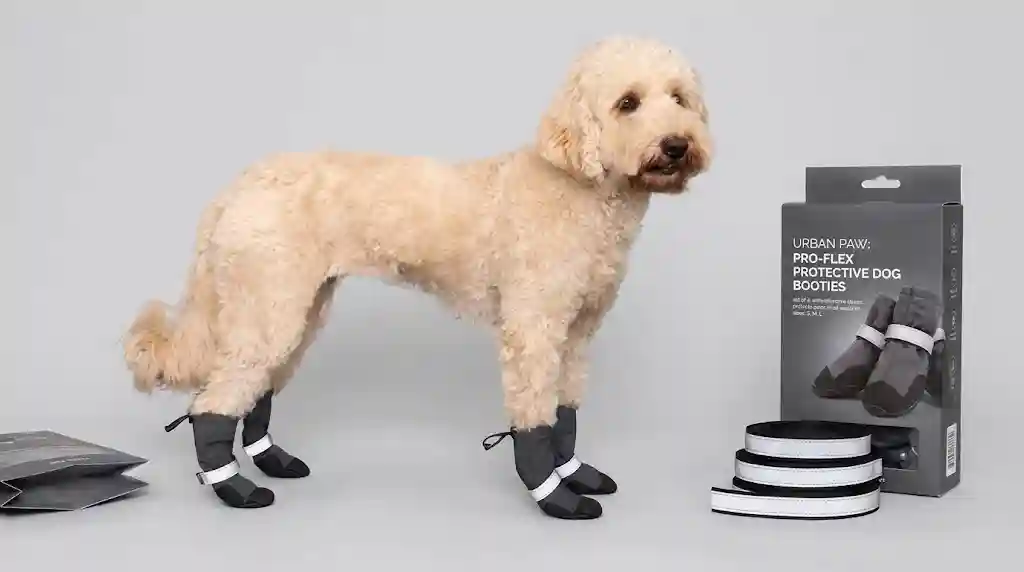
| Anatomical Design | Boots designed with curved shafts and reinforced rear structures better accommodate canine leg anatomy, reducing empty space and slippage. | Some boots, like those with a connected system (e.g., suspender boots), are specifically designed to stay on by suspending over the dog’s back. |
| Material & Breathability | Durable, yet flexible and breathable materials (e.g., polyester, SBR, natural latex) contribute to comfort and a snug fit without overheating. | Avoid full rubber or PVC uppers that trap heat and moisture, leading to discomfort and potential skin issues. |
| Sole Flexibility & Traction | Soles should be flexible enough to allow natural paw movement and flex where the paw bends. Non-slip, textured rubber soles provide essential grip. | Rigid or heavy soles can contribute to boots flying off due to inertia during activity. |
| Dewclaw Protection | Ensure the boot design does not chafe or irritate the dewclaw. Some boots have slits or soft areas to accommodate them comfortably. | Proper fit should ideally include the dewclaw within the boot without causing discomfort. |
Mastering the Art of Securing Dog Boots
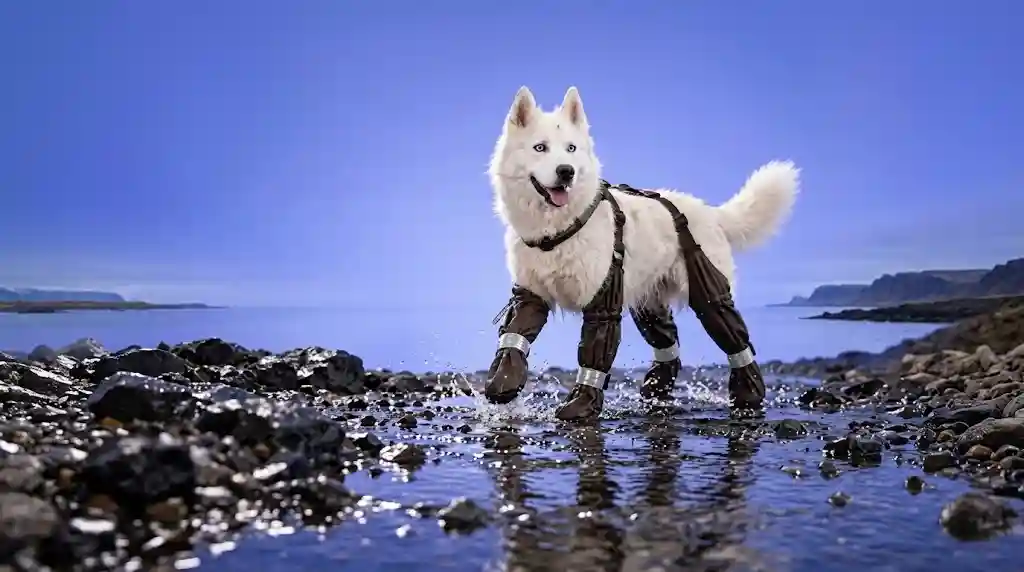
Even with perfectly sized boots, knowing how to properly put them on and secure them is paramount to keeping them in place. This involves a combination of correct technique and understanding your dog’s anatomy.
Strap Adjustment Techniques
The common advice to “tighten the straps more” is often misleading and can be counterproductive. Instead, focus on strategic placement and a firm, yet comfortable, cinch.
- Open Straps Fully: Always open the fastening straps completely before attempting to put the boot on. This prevents toes from catching and allows the paw to slide in easily.
- Seat the Paw Fully: Gently guide your dog’s paw deep into the boot, ensuring the toes are fully forward and not curled under. The paw should be fully seated, with no gaps at the toe.
- Position the Strap Correctly: The strap should be positioned above the paw pad but below the carpal pad (the stopper pad on the back of the leg) – this is the dog’s “ankle” area. Securing it around the narrowest part of the leg, just above the wrist or hock, helps keep the boot in place without squeezing the paw itself.
- Cinch Firmly, Not Tightly: Pull the Velcro straps firmly. The goal is a snug fit, not a constricting one. You should be able to fit a fingertip under the strap, but not much more. If the strap leaves deep marks, it’s too tight. If you can easily rotate the boot with your hand, it’s too loose. Avoid fastening the strap over thick fur; smooth the fur down to secure the boot against the leg.
- The “Roll Up” Method: For some boots, especially those made of fleece, rolling the fabric above the strap can create a tighter, more secure fit, similar to rolling up jeans. Then, wrap the Velcro snugly around this rolled section.
- The 15-Minute Re-tighten Rule: After a few minutes of walking, especially when breaking in new boots, stop and re-check the strap tension and fit. Boots can shift as your dog moves and the material settles.
Using Additional Securing Methods
If boots continue to slip despite proper fitting and fastening, consider these supplementary techniques:
- Dog Socks: Wearing dog socks underneath boots can improve comfort, help with fit by taking up excess space, protect dewclaws, and provide a wicking layer between the paw and boot. For drying paws after a wet walk, this guide on the best drying technique for long-haired dogs is useful.
- Vet Wrap or Medical Tape: A strip of self-adhesive vet wrap or cloth medical tape can be wrapped around your dog’s ankle before putting the boot on to provide extra grip, or around the top of the boot after it’s on for additional security.
- Consider Connected Boot Systems: Innovative designs, like those with a connected suspender system, link all four boots together, preventing them from falling off individually. These are particularly useful for highly active dogs or those prone to losing traditional boots.
Training Your Dog to Wear Boots Comfortably
Even perfectly fitted and secured boots won’t stay on if your dog is uncomfortable or actively tries to remove them. Acclimating your dog to wearing boots requires patience, positive reinforcement, and a gradual approach.
- Introduce Slowly: Don’t force boots onto your dog immediately. Allow them to sniff, investigate, and get familiar with the boots at their own pace. Reward any curiosity with treats and praise. This builds positive associations.
- Handle Paws Regularly: Before introducing boots, ensure your dog is comfortable with you handling their paws. Gently squeeze, touch between toes, and touch nails. This normalizes the sensation.
- Start with One Boot: Begin by putting just one boot on a single paw for a very short duration (a few seconds) and then remove it. Immediately reward with high-value treats and praise.
- Gradually Increase Time and Number: As your dog tolerates one boot, gradually increase the wearing time (e.g., 10 seconds, then 30, then a minute). Once comfortable, try two front paws, then all four. Keep sessions short, fun, and positive.
- Practice Indoors First: Start training in a familiar, quiet area indoors where there are fewer distractions. Encourage your dog to walk a few steps, rewarding calm behavior. Indoor practice helps them get used to the feeling before facing outdoor challenges. For anxious dogs, this guide on dog grooming tips for anxious dogs can be very helpful.
- Short Outdoor Walks: Once comfortable indoors, take very short outdoor walks (5-10 minutes) in the boots. Continue with treats and praise, distracting them if they try to remove the boots. Gradually increase the duration and distance of walks.
- Stay Positive and Patient: Dogs may initially walk strangely or perform “high kicks.” This is normal and will lessen with time and repeated wear. Never scold or force your dog. End sessions on a positive note. Consistent verbal cues can also help your dog understand what’s happening.
For more detailed guidance on dog behavior and training, you can consult resources like the American Kennel Club (AKC), which provides a comprehensive overview of various methods and principles.
Maintenance and When to Replace Boots
Regular maintenance and knowing when to replace dog boots are essential for their continued effectiveness and to prevent them from falling off due to wear.
- Inspect Regularly: Before each use, check the boots for any signs of wear, such as thin, cracked, or peeling soles, torn fabric, or damaged straps.
- Clean Thoroughly: Keep boots clean from dirt and debris. Dirt can affect the fit and the integrity of fastening mechanisms like Velcro.
- Check for Rough Seams or Debris: Inspect the inside of the boots for any rough seams, foreign objects, or moisture that could cause discomfort or rubbing.
- Assess Wear Patterns: Pay attention to how your dog’s boots are wearing. If one paw’s boot consistently slips, or if you notice excessive rubbing, it might indicate a persistent fit issue or an underlying gait problem.
- Replace Worn-Out Boots: Worn-out boots lose their protective qualities and structural integrity, making them more prone to slipping off and less effective at protecting paws. Replace them when they show significant signs of deterioration.
If your dog has skin issues or allergies that affect their paws, this guide on dog allergies may be helpful. For paw pad injuries and skin infections, see this guide on dog skin infections. For excessive paw licking or itching, this guide on why your dog is itching so much may provide insight. And if your dog is a puppy, this guide to the best puppy food for large breed puppies is a valuable resource for overall health. For dogs with sensitive stomachs, this guide to the best dry dog food for sensitive stomachs can help.
Conclusion
Preventing dog boots from falling off is a solvable challenge that significantly enhances your dog’s safety and comfort. It moves beyond simply tightening straps and delves into a holistic approach involving meticulous measurement, informed boot selection, precise fastening techniques, patient training, and diligent maintenance. By understanding why boots slip – often due to anatomical mismatches, structural instability, or movement dynamics – and applying these comprehensive strategies, you can ensure your dog’s paws are reliably protected from the rigors of any environment. A secure, well-fitting boot not only stays on but also allows your dog to move naturally and confidently, making outdoor adventures enjoyable for both of you. For a complete overview of canine nutrition and health, see this ultimate pet nutrition guide. For professional grooming help, this guide to the best local grooming services near you can point you in the right direction. If your dog has a double coat, this guide on how to groom a double-coated dog at home is also helpful.