Treat Cracked Dog Paw Pads: 3 Safe Home Remedies for Fast Relief
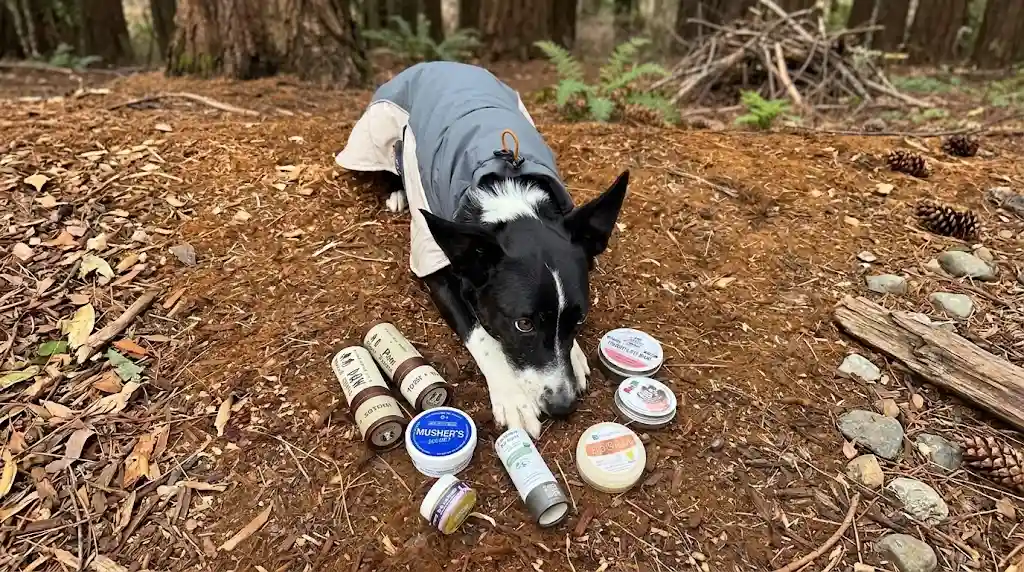
Table of Contents
How to treat cracked dog paw pads at home is a common concern for many dog owners, as healthy paws are crucial for a dog’s overall well-being and mobility. A dog’s paw pads are intricate structures, designed to absorb shock, provide traction, and protect the bones and joints from impact and harsh surfaces. Despite their toughness, these pads are not immune to damage and can become dry, rough, and cracked due to various environmental factors, underlying health issues, or simply daily wear and tear. While some cracking might be superficial and a normal part of their active lives, deeper cracks can be incredibly painful, lead to limping, bleeding, and even infections, necessitating prompt and careful attention. This comprehensive guide will explore the causes and symptoms of cracked paw pads, outline effective at-home treatment methods, discuss essential supplies, and detail preventive measures to ensure your canine companion’s paws remain healthy and comfortable.
Understanding Cracked Treat Cracked Dog Paw: Causes and Symptoms
Cracked dog paw pads can arise from a multitude of factors, making it essential for owners to understand the potential culprits behind their furry friend’s discomfort. Identifying the cause is often the first step towards effective treatment and prevention.
Common Causes of Cracked Paw Pads:
- Environmental Exposure: Extreme weather conditions are among the most frequent causes. Hot pavement during summer can dry out and even burn paw pad tissue, while cold winter air, snow, ice, and harsh de-icing chemicals (like road salt) can strip moisture, leading to dryness and cracking. Rough terrain, such as gravel, rocky trails, or abrasive surfaces, also contributes to wear and tear and can physically abrade the pad surface. For more on winter paw hazards, see this guide on dog skin infections.
- Lack of Moisture/Dry Air: Low humidity, both outdoors and indoors (especially with heating systems in winter), continuously pulls moisture from paw pads, causing them to lose their natural suppleness and crack over time.
- Allergies and Nutritional Deficiencies: Some dogs may develop cracked paw pads due to allergies, which can cause itchy skin and lead to excessive licking and chewing, exacerbating the problem. This guide on dog allergies provides more detail. Nutritional imbalances, such as zinc deficiency, can also manifest as cracked paws, along with other symptoms like hair loss and skin lesions. For a complete nutrition overview, see this ultimate pet nutrition guide.
- Underlying Health Conditions: Cracked paws can sometimes be a symptom of more serious underlying health issues. These include autoimmune diseases (like pemphigus foliaceus), thyroid disorders (hypothyroidism), Cushing’s disease, and liver disease. Hyperkeratosis, an abnormal overgrowth of keratin, is a common cause of thickened, dry, and cracked paw pads, particularly in senior dogs and certain breeds.
- Chemical Irritants: Walking on surfaces treated with harsh chemicals, such as cleaning products, pesticides, or lawn fertilizers, can irritate and damage paw pads.
- Excessive Licking: While often a symptom, excessive licking can also worsen paw pad issues. Dogs lick their paws to soothe discomfort, but constant licking can introduce bacteria, delay healing, and further irritate the skin. If your dog is itching excessively, this guide on why your dog is itching so much may help.
Recognizing the Symptoms:
Catching paw problems early is crucial to prevent minor discomfort from escalating into serious issues. Regularly inspecting your dog’s paws helps in early detection. Key symptoms to look for include:
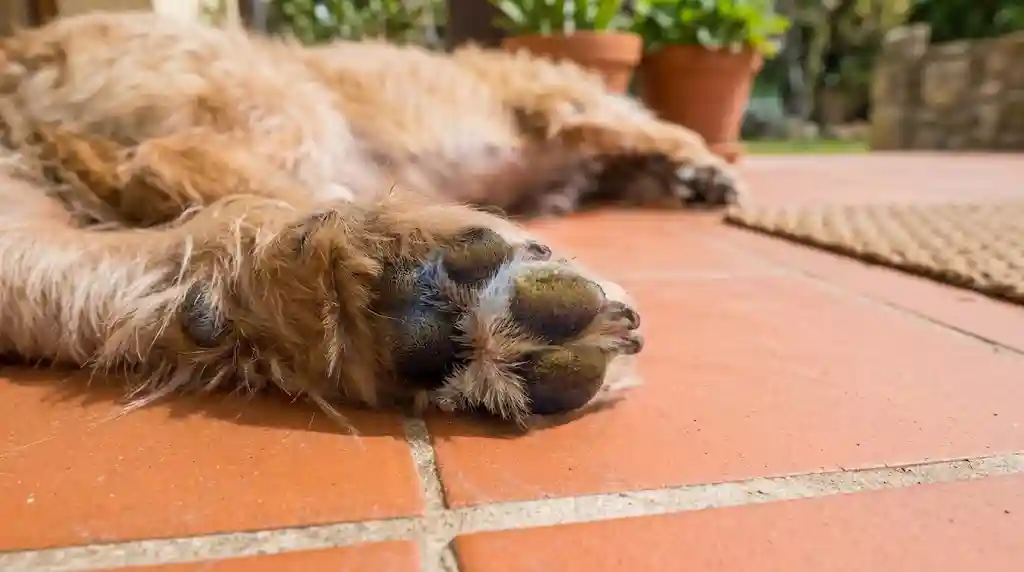
- Visible Cracks or Fissures: These can range from minor surface cracks to deep splits that may expose underlying sensitive tissue. Sometimes, there’s a spiderweb of smaller cracks or a thickened overgrowth of hard paw pad tissue.
- Redness, Inflammation, or Swelling: The paw pads or the tissue between the toes may appear red, swollen, or tender.
- Limping or Favoring a Paw: If the cracks are painful, your dog might limp, hold a paw up, walk more slowly, or show reluctance to walk on certain surfaces. In severe cases, they might refuse to put weight on the affected paw.
- Excessive Licking, Chewing, or Biting of Paws: This is a common indicator of pain, itchiness, or irritation.
- Bleeding or Discoloration: Deep cracks can reach blood vessels, leading to bleeding. Discoloration on the pad surface can also be a sign of damage.
- Rough, Flaky, or Peeling Texture: Healthy paw pads are firm and slightly textured. If they feel sandpaper-rough, flaky, or show peeling skin, it indicates a loss of moisture barrier and an early stage of cracking.
- Sensitivity to Touch: Your dog may pull away or flinch if you gently press on the paw, indicating pain.
- Behavioral Changes: Pain from cracked paws can lead to lethargy, changes in appetite, or general irritability.
Immediate First Aid for Minor Cracks
For minor, superficial cracks that are not bleeding heavily or showing signs of infection, immediate first aid at home can help prevent the situation from worsening and promote healing.
- Gentle Cleaning: Begin by gently cleaning your dog’s paw pads with warm water and a mild, pet-safe antibacterial soap. A soft cloth or washrag can be used to remove dirt, debris, salt, or any chemicals. Ensure you clean thoroughly between the toes as well.
- Thorough Drying: After cleaning, meticulously pat the paw pads dry. Moisture trapped in cracks or between toes can hinder healing and create an environment for bacterial growth.
- Inspect for Foreign Objects: Carefully examine the paw pad for any embedded foreign objects like small stones, glass shards, thorns, or other irritants. If you can easily remove a superficial object with tweezers, do so gently. If an object is deeply embedded, or you suspect it might be, do not attempt to remove it yourself; consult your veterinarian.
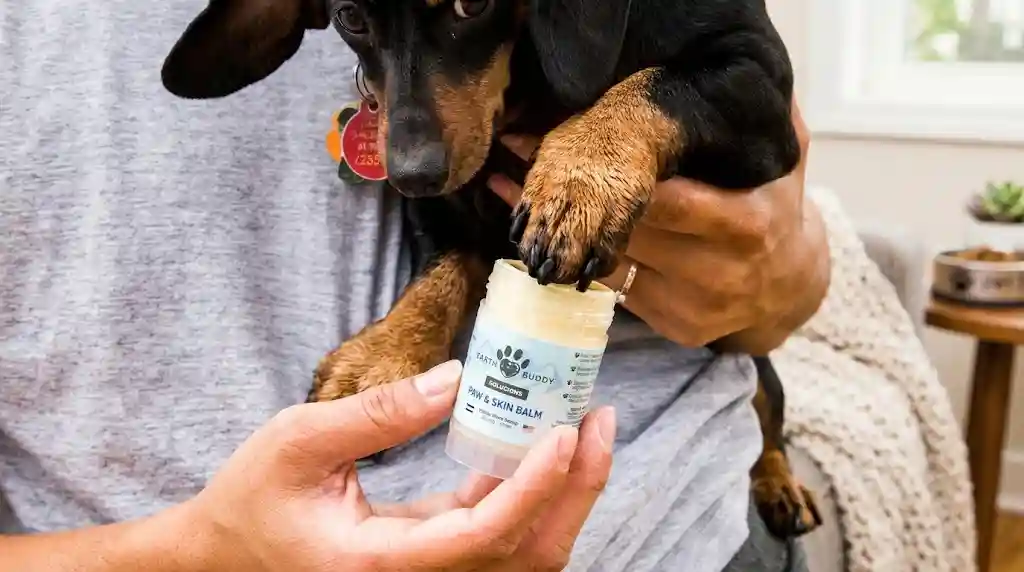
- Apply a Protective Balm: Once clean and dry, apply a veterinarian-approved paw balm, butter, or wax product specifically designed for dogs. These products create a protective barrier, moisturize the pads, and aid in healing. Look for ingredients like beeswax, lanolin, shea butter, or coconut oil. Gently massage a thin layer into the paw pads.
- Prevent Licking: It’s crucial to prevent your dog from immediately licking off the balm or petroleum jelly, as ingestion can cause stomach upset, and it prevents the product from working. Distract your dog with a treat, toy, or short walk immediately after application, or consider using a dog cone (E-collar) or a protective paw boot/sock for a short period to allow the balm to absorb.
Regular inspection and prompt action for minor cracks can significantly improve your dog’s comfort and prevent more severe complications.
Essential Supplies for At-Home Paw Care
To effectively treat and prevent cracked paw pads at home, having a dedicated set of supplies is invaluable. These items will enable you to provide consistent care and respond quickly to any emerging issues.
- Dog Paw Balms, Waxes, and Moisturizers: These are the cornerstone of paw care. Look for products specifically formulated for dogs, containing natural, lick-safe ingredients like beeswax, shea butter, lanolin, coconut oil, or calendula. Quality paw balms help hydrate, soothe, protect, and form a barrier against irritants. Some popular and vet-recommended options include Musher’s Secret (for protection), Natural Dog Company Paw Soother (for healing cracked pads), and Dermoscent BIO BALM (for severely crusty or hyperkeratotic pads).
- Antiseptic Wipes or Mild Antibacterial Soap: Pet-friendly antiseptic wipes or a gentle antibacterial soap are essential for cleaning paws and preventing infection, especially after walks or if a minor crack is present.
- Soft Cloths or Washrags: For gentle cleaning and drying of paw pads.
- Protective Dog Boots or Socks: These are excellent for shielding sensitive or healing paw pads from harsh environments (hot pavement, ice, salt, rough terrain) and preventing excessive licking of topical treatments. Ensure they fit properly to avoid discomfort.
- Epsom Salts: For minor irritations or swelling, a diluted Epsom salt soak can be soothing and help draw out impurities, though always consult a vet if you are unsure or if cracks are deep.
- Petroleum Jelly (Vaseline) or Aquaphor: While not as effective as specialized paw balms for severe cracks, these can offer a temporary protective barrier and some moisture in a pinch. However, large ingestion can cause GI upset, so prevent licking.
- Paw Hair Trimmers/Scissors (Blunt-Nosed): Keeping the hair between paw pads trimmed helps prevent matting, accumulation of debris, and the formation of painful ice balls in winter. For a complete grooming routine, see this dog grooming checklist for first-time owners.
- Dog Cone (E-collar): If your dog is persistently licking at their paws and preventing healing, an E-collar can be a temporary solution to allow balms and treatments to work effectively.
Step-by-Step Home Treatment Techniques
Once you have your supplies, a consistent routine is key to successfully treating cracked paw pads at home. Here’s a detailed approach:
1. Thoroughly Clean the Paws
After each walk, especially during extreme weather or on rough surfaces, clean your dog’s paws. Use warm water and a mild, pet-safe antibacterial soap or grooming wipes. Pay close attention to the crevices between the toes and around the pads to remove any trapped dirt, salt, chemicals, or allergens. Rinse well and then pat the paws completely dry with a soft towel. Trapped moisture can exacerbate cracking and lead to bacterial or fungal issues.
2. Apply Moisturizers and Balms Consistently
This is the most critical step for healing and prevention. Apply a thin layer of a high-quality, lick-safe paw balm or wax to your dog’s pads. Gently massage it in to ensure absorption. For dry or rough paws, regular application (1-2 times daily, or as directed by the product) can significantly improve moisture and suppleness. For cracked paws, apply a healing balm more frequently, perhaps 2-3 times a day. Evening application, especially before bed, is often recommended as it allows the product to soak in overnight with less chance of being licked off. Choose products with beneficial ingredients like beeswax (for barrier protection), lanolin (deeply hydrating), shea butter (long-lasting moisture), coconut oil (moisturizing, anti-inflammatory, antibacterial), and calendula (calms irritation, supports healing).
3. Protect the Paws
Protection is vital, especially when paws are healing or exposed to harsh elements. When venturing out on hot pavement, icy sidewalks, rough terrain, or areas treated with chemicals, protective dog boots are highly effective. They shield the paws from injury and further irritation. For indoor use, especially after applying balm, socks can prevent licking and mess. Before walks, applying a protective paw wax (like Musher’s Secret) can form a breathable barrier against salt, ice, sand, and hot ground.
| Treatment Step | Purpose | Recommended Products/Actions |
|---|---|---|
| Clean Paws | Remove debris, irritants, prevent infection | Warm water, pet-safe antibacterial soap, soft cloth, grooming wipes |
| Dry Thoroughly | Prevent moisture-related issues | Soft towel, ensure no moisture between toes |
| Apply Balm/Moisturizer | Hydrate, soothe, heal cracks, protect | Lick-safe paw balm (e.g., Natural Dog Company Paw Soother, Dermoscent BIO BALM), petroleum jelly (temporary) |
| Protect Paws | Shield from elements, prevent licking | Dog boots/socks, protective paw wax (e.g., Musher’s Secret), E-collar |
| Trim Paw Hair | Prevent matting, debris accumulation | Blunt-nosed scissors or trimmers |
| Epsom Salt Soaks | Soothe minor irritation, reduce swelling | Warm water, small amount of Epsom salts (supervised) |
4. Soothing Soaks (for minor irritation)
For paws with minor irritation or dryness (but no open, bleeding wounds), a warm, shallow Epsom salt bath can be soothing. The salts can help reduce inflammation and draw out minor impurities. Use a small amount of Epsom salts dissolved in warm water and allow your dog to soak their paws for 5-10 minutes. Always supervise carefully to prevent ingestion, and rinse the paws thoroughly with clean water afterward, then dry completely. Oatmeal baths can also ease irritated skin, but should not be done too frequently to avoid stripping natural oils.
5. Regular Monitoring and Grooming
Make it a habit to check your dog’s paws daily, especially after walks. Look for any new cracks, redness, swelling, tenderness, or foreign objects. Regularly trim the hair between your dog’s paw pads. This prevents matting, which can trap dirt, moisture, and lead to irritation or cracked skin. It also helps prevent ice balls from forming in winter. If your dog has a double coat, this guide on how to groom a double-coated dog at home offers additional coat care tips. For drying your dog’s paws after a wet walk, this guide on the best drying technique for long-haired dogs is very useful.
Preventive Measures to Keep Paw Pads Healthy
Preventing cracked paw pads is always easier than treating them. Integrating preventive measures into your dog’s routine can significantly reduce the risk of future issues.
1. Regular Moisturizing and Protection
Even when paws appear healthy, regular application of a paw balm or wax can help maintain their moisture and flexibility. Apply before and after outdoor activities, especially in extreme weather conditions. Products like Musher’s Secret are designed for year-round protection against heat, cold, salt, and rough ground. Consider using dog boots or wax-based balms during walks on hot pavement, icy/salted surfaces, or rough terrain to create a physical barrier.
2. Mindful Walking Practices
Limit walks on extremely hot asphalt or pavement in summer, choosing cooler times of the day (early morning or late evening) or walking on grass or shaded areas. In winter, minimize exposure to ice, snow, and de-icing chemicals. If your dog is new to rough terrain, gradually introduce them to it, starting with shorter walks to allow their paw pads to toughen up naturally. Always rinse your dog’s paws with warm water after walks, particularly in winter, to remove any salt, chemicals, or allergens that can irritate or dry out the pads.
3. Proper Nutrition and Hydration
Ensure your dog receives a balanced diet rich in essential nutrients. Deficiencies in certain vitamins (like Vitamin A) or minerals (like zinc) can affect skin and paw pad health. Supplementing your dog’s diet with Omega-3 and Omega-6 fatty acids (found in fish oil) can promote healthy skin and coat, which includes the paw pads. Consult your vet before adding supplements. For dogs with sensitive stomachs, this guide to the best dry dog food for sensitive stomachs can help. Ensure your dog always has access to fresh water to maintain overall hydration, which contributes to skin and paw pad health.
4. Regular Grooming and Inspection
Keep the hair between your dog’s paw pads trimmed short to prevent matting and the accumulation of debris. Make a habit of visually inspecting and gently feeling your dog’s paw pads daily. This allows you to catch any signs of dryness, redness, or minor cracks before they become severe. For anxious dogs during grooming, this guide on dog grooming tips for anxious dogs can be very helpful.
5. Maintain Indoor Humidity
Especially in dry climates or during winter when indoor heating can reduce humidity, consider using a humidifier. Increasing indoor humidity can help prevent your dog’s skin, including their paw pads, from drying out. According to the American Kennel Club (AKC), “The paw is characterised by thin, pigmented, keratinised, hairless epidermis covering subcutaneous collagenous and adipose tissue, which make up the pads. These pads act as a cushion for the load-bearing limbs of the animal.” Understanding the intricate structure and function of these pads highlights why consistent care and protection are so vital.
When to Consult a Veterinarian
While many cases of cracked dog paw pads can be managed effectively at home, it’s crucial to know when veterinary intervention is necessary. Ignoring severe symptoms or persistent problems can lead to more serious health complications.
You should consult your veterinarian as soon as possible if you observe any of the following signs:
- Deep or Worsening Cracks: If the cracks are deep, gaping, or appear to be getting worse despite consistent home care, professional treatment is needed.
- Bleeding Paws: Any active bleeding from the paw pads indicates a significant injury that requires immediate veterinary attention.
- Signs of Infection: Look for pus, foul odor, severe redness, warmth, or swelling around the paw pads. These are classic indicators of infection that will likely require antibiotics or other medicated treatments.
- Severe Pain or Lameness: If your dog is limping significantly, refusing to put weight on a paw, vocalizing in pain, or showing extreme sensitivity to touch, the cracks are causing considerable discomfort and warrant a vet visit.
- Persistent Licking or Chewing: If your dog continues to excessively lick, chew, or bite at their paws for several days, even after home treatment, it might signal an underlying issue that needs professional diagnosis.
- Cracks Accompanied by Other Symptoms: If cracked paw pads are part of a broader set of symptoms, such as skin problems in other areas of the body, lethargy, changes in thirst or urination, or loss of appetite, it could point to an underlying systemic disease that requires veterinary investigation. If your dog has diarrhea, see this comprehensive guide on dog diarrhea.
- Non-Healing Wounds: If superficial cracks do not show signs of healing after 7-10 days of consistent home treatment, it’s time to seek veterinary advice.
- Thickened, Crusty Pads (Hyperkeratosis): While often manageable, severe cases of hyperkeratosis may require professional diagnosis and specific treatments to soften the thickened keratin.
A veterinarian can accurately diagnose the cause of the cracked paws, rule out serious underlying medical conditions, and provide appropriate treatment, which might include prescribed medications (antibiotics, anti-inflammatories), bandages, or specific therapeutic balms. Early veterinary consultation for severe cases can prevent prolonged pain and more complex treatment down the line. For puppies, this guide to the best puppy food for large breed puppies is a valuable resource for overall health. And for excessive barking, this guide on how to stop excessive dog barking may be useful.
Conclusion
Cracked dog paw pads are a common ailment that can range from minor discomfort to significant pain for our canine companions. Understanding the various causes, from environmental stressors like hot pavement and winter elements to underlying health conditions and nutritional deficiencies, is the first step towards effective management. While many superficial cracks can be successfully treated at home with diligent care, recognizing the signs that necessitate a veterinary visit is equally important.
By implementing a consistent routine of gentle cleaning, thorough drying, and regular application of high-quality, lick-safe paw balms, you can significantly aid in the healing process and maintain your dog’s paw health. Protective measures, such as using dog boots or paw waxes during walks, being mindful of extreme temperatures and surfaces, and ensuring a balanced diet rich in essential fatty acids, are crucial for prevention. Regular grooming, including trimming paw hair, and daily inspections will help catch issues early.
Ultimately, healthy paws are fundamental to your dog’s mobility and quality of life. By being a vigilant and proactive pet owner, you can ensure your dog’s paws remain supple, strong, and ready for all their adventures, keeping them happy, comfortable, and active for years to come.