Dog Diarrhea: 11 Essential Facts Every Concerned Pet Owner Must Know
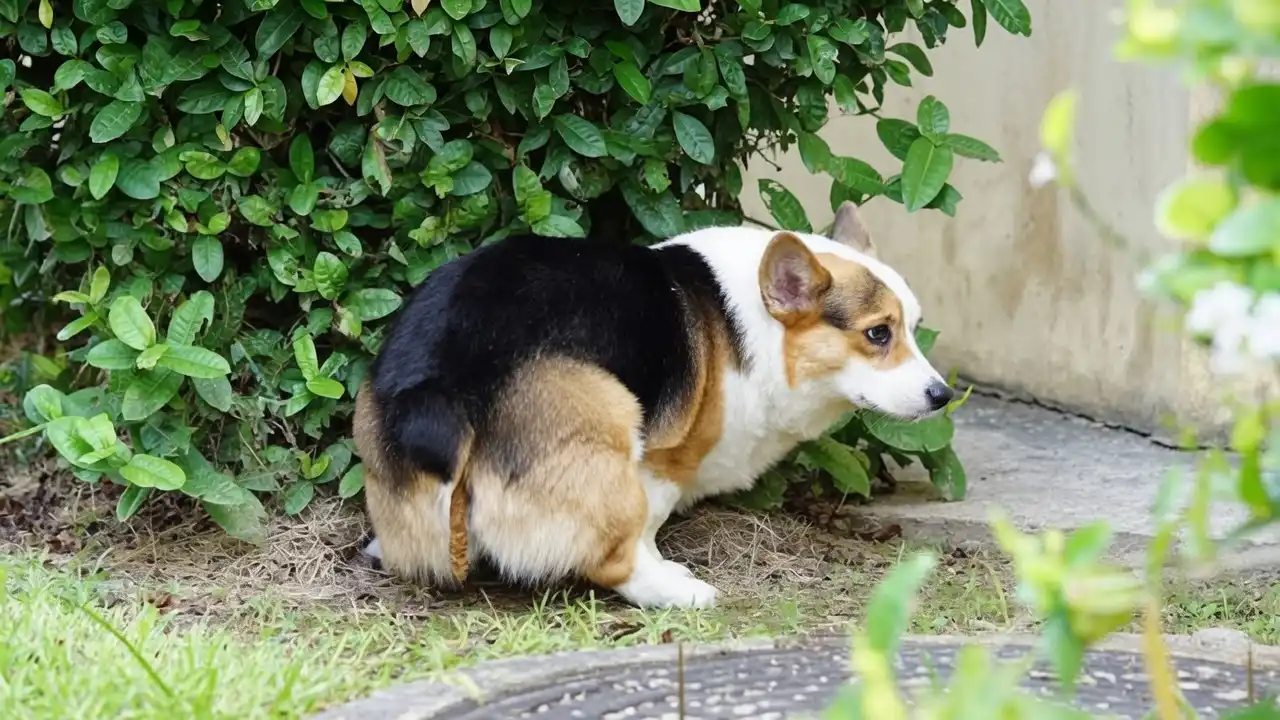
Table of Contents
Dog Diarrhea is a common and often distressing condition for both dogs and their owners, characterized by loose, watery stools and an increased frequency of bowel movements. This digestive upset can range from a mild, self-limiting issue to a symptom of a serious underlying health problem, making it crucial for pet owners to understand its causes, symptoms, and appropriate responses. While occasional bouts of loose stool might not be a cause for immediate alarm, persistent or severe diarrhea warrants prompt veterinary attention to prevent dehydration and address potential health risks. This comprehensive guide aims to equip dog owners with the knowledge needed to manage and prevent dog diarrhea effectively, ensuring the well-being of their beloved companions. Understanding when to act and when to consult a professional can make a significant difference in your dog’s recovery and overall health.
Common Causes of Diarrhea in Dogs
Diarrhea in dogs can stem from a wide array of factors, some benign and others quite serious. Identifying the potential cause is the first step towards effective treatment. Understanding these common culprits can help pet owners provide better care and communicate essential information to their veterinarian.
- Dietary Indiscretion: This is perhaps the most frequent cause, often referred to as “garbage gut.” Dogs are naturally curious and opportunistic eaters, meaning they might consume spoiled food, table scraps, foreign objects, or even plants that upset their digestive system. A sudden change in diet or treats can also trigger diarrhea, as the dog’s gastrointestinal (GI) tract needs time to adjust to new ingredients.
- Food Allergies or Intolerances: Just like humans, some dogs can have adverse reactions to specific ingredients in their food, leading to inflammation and diarrhea. This often requires careful dietary management under veterinary guidance.
- Internal Parasites: Common intestinal parasites such as roundworms, hookworms, whipworms, Coccidia, and Giardia can irritate the digestive tract and cause diarrhea, especially in puppies or dogs with compromised immune systems. Regular fecal exams are crucial for detection and treatment.
- Bacterial Infections: Pathogenic bacteria like Salmonella or E. coli can lead to significant gastrointestinal upset and severe diarrhea. These infections often require antibiotic treatment.
- Viral Infections: Highly contagious and often life-threatening viruses such as Parvovirus, Distemper, and Coronavirus are notorious for causing severe, sometimes bloody, diarrhea, particularly in unvaccinated puppies.
- Stress or Anxiety: Emotional distress, such as moving to a new home, boarding, changes in routine, or separation anxiety, can manifest as gastrointestinal upset, including diarrhea. This is sometimes termed “stress colitis.”
- Ingestion of Toxins or Foreign Objects: Swallowing poisonous substances or indigestible items like toys, bones, or fabric can lead to severe GI irritation, obstruction, and diarrhea. This is often an emergency situation.
- Medications: Certain medications, especially antibiotics and non-steroidal anti-inflammatory drugs (NSAIDs), can disrupt the gut microbiome and cause diarrhea as a side effect.
- Underlying Medical Conditions: Chronic diarrhea can be a symptom of more serious health issues, including Inflammatory Bowel Disease (IBD), pancreatitis, kidney or liver disease, Addison’s disease, or even intestinal cancer. These conditions require thorough diagnosis and ongoing management by a veterinarian.
Recognizing the Symptoms of Canine Diarrhea
While loose stools are the primary symptom of diarrhea, recognizing accompanying signs and the characteristics of the stool itself can provide vital clues about its severity and underlying cause. Observing these details can help you determine the urgency of veterinary care and assist your vet in diagnosis.
- Frequency of Defecation: An obvious increase in how often your Dog Diarrhea needs to go outside or has accidents indoors.
- Consistency of Stool: Ranging from soft and unformed to completely liquid or watery.
- Color and Appearance:
- Brown/Yellow/Green: Common colors, but significant changes can indicate issues.
- Red Streaks (Hematochezia): Bright red blood usually indicates bleeding in the lower digestive tract or colon.
- Black/Tarry Stool (Melena): Dark, sticky, tar-like stools suggest bleeding higher in the digestive tract, where blood has been partially digested. This is a serious sign.
- Mucus: Slimy or jelly-like coating on the stool can indicate inflammation in the colon.
- Foul Odor: An unusually strong or offensive smell can sometimes accompany bacterial infections or dietary issues.
- Associated Symptoms: Diarrhea often doesn’t occur in isolation. Watch for these accompanying signs that may indicate a more serious condition:
- Vomiting: Can lead to rapid dehydration and indicates more severe GI upset.
- Lethargy or Weakness: A decrease in energy levels, reluctance to move, or unusual quietness.
- Loss of Appetite (Anorexia): Refusal to eat or drink.
- Fever: An elevated body temperature (normal is up to 102.5°F or 39.2°C).
- Abdominal Pain: Signs may include hunching, restlessness, whining, or a distended abdomen.
- Dehydration: Sunken eyes, dry nose, dry or sticky gums, and decreased skin elasticity (skin tent).
- Weight Loss: A sign of chronic or severe underlying issues.
- Straining to Defecate: Even with watery stool, straining can indicate irritation or a partial blockage.
When to Seek Veterinary Attention Immediately

While some mild cases of diarrhea can resolve with home care, knowing when to contact a veterinarian is critical for your Dog Diarrhea health. Delaying professional care for severe symptoms can lead to serious complications, including life-threatening dehydration and systemic illness.
| Symptom/Condition | Urgency Level | Reason for Concern |
|---|---|---|
| Diarrhea lasting over 24-48 hours | High | Risk of dehydration and potential for underlying issues |
| Severe, watery, or profuse diarrhea | High | Rapid fluid and electrolyte loss |
| Diarrhea with vomiting | Emergency | Greatly increased risk of dehydration and organ strain |
| Black, tarry stools (Melena) | Emergency | Indicates bleeding in the upper GI tract |
| Bright red blood in stool (Hematochezia) | Emergency | Sign of bleeding in the lower GI tract, potentially severe |
| Lethargy, weakness, or collapse | Emergency | Indicates significant illness, pain, or systemic involvement |
| Loss of appetite for more than 24 hours | High | Can lead to weakness and worsen recovery |
| Signs of abdominal pain (hunching, restlessness) | Emergency | May indicate pancreatitis, obstruction, or other severe conditions |
| Fever (above 102.5°F or 39.2°C) | High | Sign of infection or inflammation |
| Signs of dehydration (dry gums, sunken eyes) | Emergency | Requires immediate fluid therapy to prevent organ damage |
| Puppies, senior dogs, or immunocompromised dogs | High/Emergency | More vulnerable to complications from diarrhea |
| Known ingestion of toxins or foreign objects | Emergency | Requires immediate intervention |
If you observe any of these concerning signs, do not hesitate to contact your veterinarian or an emergency veterinary clinic immediately. Describe your Dog Diarrhea symptoms accurately to help the vet provide the best advice and determine if an emergency visit is necessary.
Diagnosing Dog Diarrhea: What to Expect at the Vet
When you bring your dog to the veterinarian for diarrhea, the diagnostic process aims to pinpoint the underlying cause to initiate the most effective treatment. The vet will gather a comprehensive history and perform a thorough examination.
- Medical History and Physical Examination: Your veterinarian will ask detailed questions about the onset, duration, frequency, and appearance of the diarrhea, as well as any other symptoms (vomiting, lethargy, appetite changes). They will also inquire about recent diet changes, exposure to new environments, toxin ingestion, and vaccination history. A physical exam will assess your dog’s overall condition, hydration status, abdominal pain, and vital signs.
- Fecal Examination: A fresh stool sample is often requested to check for intestinal parasites (worms, Giardia, Coccidia) and bacterial imbalances. Bringing a sample with you to the appointment can save time.
- Blood Tests: A complete blood count (CBC) and chemistry panel can provide insights into your dog’s general health, detect inflammation, infection, dehydration, and assess organ function (kidneys, liver, pancreas). Conditions like pancreatitis or Addison’s disease can be revealed through bloodwork.
- Imaging (X-rays, Ultrasound): If a foreign body, obstruction, or other internal abnormality is suspected, X-rays or an abdominal ultrasound may be performed to visualize the gastrointestinal tract and surrounding organs.
- Dietary Trials: For chronic diarrhea, a veterinarian might recommend a prescription hypoallergenic or easily digestible diet to rule out food allergies or intolerances.
- Endoscopy or Biopsy: In persistent or complex cases, an endoscopy (inserting a camera into the GI tract) or biopsy of intestinal tissue may be necessary to diagnose conditions like inflammatory bowel disease or certain types of cancer.
Effective Treatment Options for Canine Diarrhea
Treatment for dog diarrhea is highly dependent on the underlying cause and severity. Your veterinarian will tailor a plan based on the diagnostic findings. It’s crucial to follow their instructions carefully and avoid giving human medications without consultation, as many can be toxic to dogs.
- Fasting: For mild, acute diarrhea in otherwise healthy adult dogs, a short 12-24 hour fast (with constant access to fresh water) can help the GI tract rest and recover. Puppies should generally not be fasted for extended periods due to their susceptibility to low blood sugar.
- Bland Diet: After a fast, or for very mild cases, a bland, easily digestible diet is often recommended for a few days. Common options include plain boiled chicken (skinless, boneless) and white rice, or boiled lean ground beef and rice. Plain canned pumpkin (not pie filling) can also be added for its soluble fiber content, which helps bind stool. Gradually reintroduce your Dog Diarrhea regular food once stools have firmed up.
- Probiotics: Veterinarian-recommended probiotics can help restore the balance of beneficial bacteria in the gut, which can be disrupted by diarrhea or antibiotic use.
- Anti-Diarrheal Medications: In some cases, your vet may prescribe specific anti-diarrheal medications to help reduce the frequency and urgency of bowel movements. These should only be used under veterinary guidance.
- Fluid Therapy: For dehydrated Dog Diarrhea , subcutaneous (under the skin) or intravenous (IV) fluid therapy may be administered to replenish lost fluids and electrolytes.
- Deworming: If parasites are detected or strongly suspected, appropriate deworming medications will be prescribed.
- Antibiotics: Bacterial infections causing diarrhea may require a course of antibiotics. However, antibiotics are not always necessary and can sometimes worsen diarrhea by disrupting the gut microbiome, so they should only be used when indicated.
- Addressing Underlying Conditions: For chronic diarrhea caused by conditions like IBD, pancreatitis, or organ disease, long-term management strategies, including specialized diets, medications, and lifestyle adjustments, will be necessary. For more detailed information on specific canine health conditions, resources such as Wikipedia offer extensive background. For example, you can learn more about canine parvovirus here on Wikipedia.
Preventing Diarrhea: Best Practices for Dog Owners
While not all cases of dog diarrhea can be prevented, many can be avoided by implementing good management practices and being vigilant about your dog’s diet and environment.
- Consistent, High-Quality Diet: Feed a high-quality, balanced Dog Diarrhea food appropriate for your dog’s age, size, and activity level. Avoid frequent changes in food brands or flavors.
- Slow Diet Transitions: If you need to change your Dog Diarrhea food, do so gradually over 7-10 days. Mix increasing amounts of the new food with decreasing amounts of the old food to allow their digestive system to adapt.
- Prevent Scavenging: Keep your Dog Diarrhea from eating garbage, spoiled food, or unfamiliar items during walks or in the yard. Secure trash cans and supervise outdoor activities.
- Regular Deworming and Vaccinations: Follow your veterinarian’s recommendations for routine deworming and vaccinations, especially for common viral diseases like parvovirus, which can cause severe diarrhea.
- Stress Reduction: Provide a stable and predictable routine for your Dog Diarrhea. Minimize exposure to stressful situations when possible, and consider calming techniques or products for anxious dogs.
- Fresh Water: Always ensure your Dog Diarrhea has access to fresh, clean water to maintain hydration, which is crucial for overall digestive health.
- Avoid Table Scraps and Rich Treats: Many human foods are too rich or difficult for Dog Diarrhea to digest and can trigger diarrhea. Stick to dog-specific treats in moderation.
- Regular Veterinary Check-ups: Routine visits allow your vet to monitor your Dog Diarrhea health, detect potential issues early, and provide personalized preventive advice.
Conclusion Dog Diarrhea
Dog diarrhea, while a common ailment, is a symptom that requires careful attention from pet owners. From mild, self-limiting episodes caused by dietary indiscretion to serious indicators of underlying diseases like parvovirus or pancreatitis, the range of potential causes is vast. Recognizing the signs, understanding when home remedies are appropriate, and, most importantly, knowing when to seek immediate veterinary care are paramount for your Dog Diarrhea well-being. Vigilance for symptoms like persistent vomiting, lethargy, abdominal pain, or the presence of blood in the stool should always prompt a visit to the veterinarian. By providing a consistent, high-quality diet, preventing access to harmful substances, and adhering to recommended vaccination and deworming schedules, pet owners can significantly reduce the incidence of diarrhea. Ultimately, a proactive approach combined with prompt professional intervention ensures that your furry companion receives the care they need to recover quickly and maintain a healthy, happy life.