Dog Constipation: Causes, Symptoms, Treatment, and Prevention
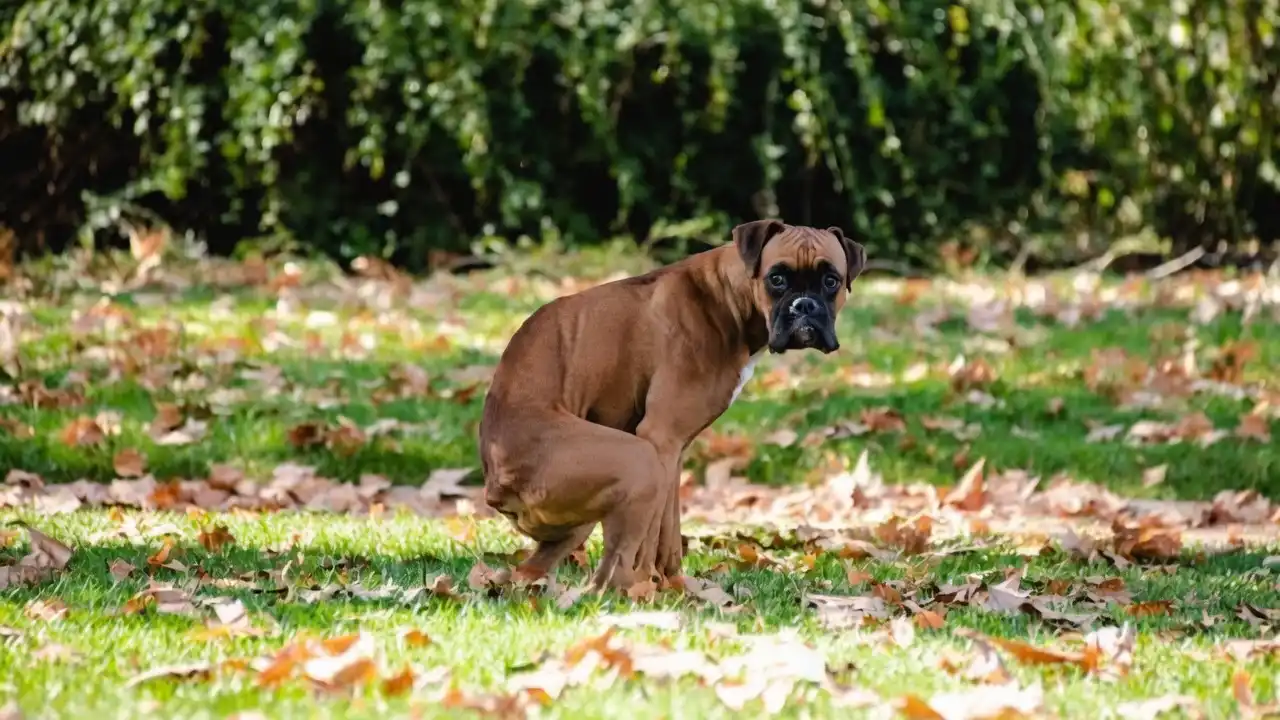
Table of Contents
Dog constipation is a common yet distressing condition where a dog experiences infrequent or difficult bowel movements. It occurs when feces accumulate in the colon, and a significant amount of water is absorbed, making the stool dry, hard, and challenging to pass. While often temporary and easily treatable, it can sometimes indicate more serious underlying health issues and can be quite uncomfortable for your canine companion. Understanding the signs, causes, and appropriate actions is crucial for every responsible pet owner to ensure their dog’s well-being.
What is Dog Constipation?
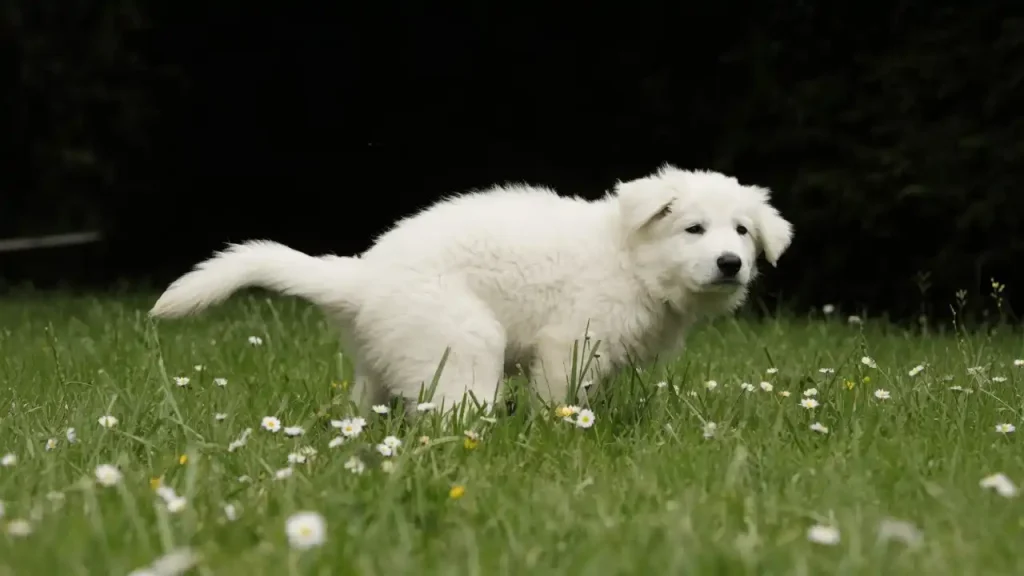
to is characterized by the infrequent passage of stool or significant difficulty in defecating. Normally, most dogs have at least one bowel movement per day, and often more, depending on their diet and activity level. When a dog is constipated, their colon absorbs too much water from the fecal matter, leading to dry, hard, and sometimes pebble-like stools that are painful or impossible to pass. This condition can range from mild and occasional to chronic and severe, potentially progressing to obstipation, where the stool becomes so impacted that the dog cannot defecate at all, even with straining. Untreated obstipation can lead to serious complications, including megacolon, a condition where the colon becomes enlarged and ineffective at moving stool. Because of the potential for increased severity and discomfort if left untreated, dog constipation can sometimes be considered a medical emergency.
Common Causes of Dog Constipation
Constipation in dogs can stem from a variety of factors, ranging from simple dietary imbalances to more complex medical conditions. Identifying the root cause is essential for effective treatment and prevention.
Dietary and Hydration Factors
- Insufficient Water Intake: Dehydration is a primary cause of constipation. When a dog doesn’t drink enough water, the body tries to conserve fluids by absorbing more water from the feces in the colon, leading to dry, hard stools.
- Lack of Fiber: Dietary fiber is crucial for healthy digestion and regular bowel movements. Both too little or, paradoxically, too much fiber can contribute to constipation. A low-quality diet lacking adequate fiber can lead to stool that is difficult to pass.
- Dietary Indiscretion: Dogs are curious creatures and often ingest non-food items like pieces of toys, gravel, dirt, bones, plants, or fabric. These foreign bodies can cause intestinal blockages, making defecation impossible.
- Sudden Diet Changes: An abrupt change in a dog’s diet can upset their digestive system and lead to constipation.
Medical Conditions and Medications
- Orthopedic Issues: Conditions like arthritis or spinal problems can make it painful or difficult for dogs to get into the proper squatting position to defecate, leading to reluctance and eventual constipation.
- Enlarged Prostate Gland: In older male dogs, an enlarged prostate can press on the colon, obstructing the passage of stool.
- Anal Gland Issues: Blocked, impacted, or abscessed anal glands can cause pain and discomfort during defecation, leading a dog to withhold stool.
- Neurological Disorders: Certain neurological conditions can affect the nerves controlling bowel movements, disrupting normal function.
- Hypothyroidism and Other Endocrine Diseases: Hormonal imbalances, such as hypothyroidism, can slow down bodily functions, including digestion, contributing to constipation.
- Tumors or Masses: Growths in the colon, rectum, or around the anus can physically block the passage of feces.
- Medications: Some medications, including diuretics, antihistamines, narcotic pain relievers, and sucralfate, can have constipation as a side effect. Anesthesia from recent surgery can also temporarily cause constipation.
- Megacolon: This severe condition involves the dilation and inefficiency of the colon’s muscles in moving stool, often requiring ongoing medical management.
Environmental and Behavioral Factors
- Lack of Exercise: Physical activity helps stimulate bowel movements. Insufficient exercise can slow down a dog’s digestive system.
- Excessive Self-Grooming: Dogs that groom themselves excessively, especially long-haired breeds, can ingest a large amount of hair that collects in their stool, forming hairballs that are difficult to pass.
- Stress or Anxiety: Emotional factors can affect a dog’s digestive regularity, leading to behavioral constipation.
- Matted Hair Around the Anus: Poor grooming or obesity can lead to matted hair around the anus, creating a physical barrier to defecation. For more details on maintaining your dog’s overall health and addressing behavioral aspects, you can refer to a comprehensive resource on dog health.
Recognizing the Symptoms of Constipation in Dogs
Being able to identify the signs of constipation early can help you address the problem promptly and prevent it from worsening. Keep a close eye on your dog’s bowel habits for any changes.
- Straining to Defecate: This is one of the most common and noticeable signs. Your dog may crouch or squat repeatedly, often unsuccessfully, attempting to pass stool. They might cry out or show signs of discomfort during these attempts.
- Infrequent or Absent Bowel Movements: If your dog hasn’t defecated in two or more days, or if their bowel movements are significantly less frequent than usual, constipation is a strong possibility.
- Hard, Dry Stools: The feces passed may be small, hard, and pebble-like, indicating excessive water absorption in the colon.
- Passing Mucus or Blood: In some cases, dogs may pass small amounts of liquid feces, mucus, or even blood due to excessive straining. This liquid may sometimes be mistaken for diarrhea, but it’s actually fecal material squeezing around a hard, impacted mass.
- Tense, Painful Abdomen: Your dog may show signs of pain or tenderness when their abdomen or lower back is touched. They might growl or whimper if you press on their belly.
- Decreased Appetite and Vomiting: As constipation progresses, dogs may become uncomfortable, leading to a loss of appetite and, in severe cases, vomiting.
- Lethargy and Discomfort: A constipated dog may appear less energetic, withdrawn, or generally uncomfortable. They might also circle excessively or scoot (drag their bottom) along the ground.
Diagnosing Dog Constipation
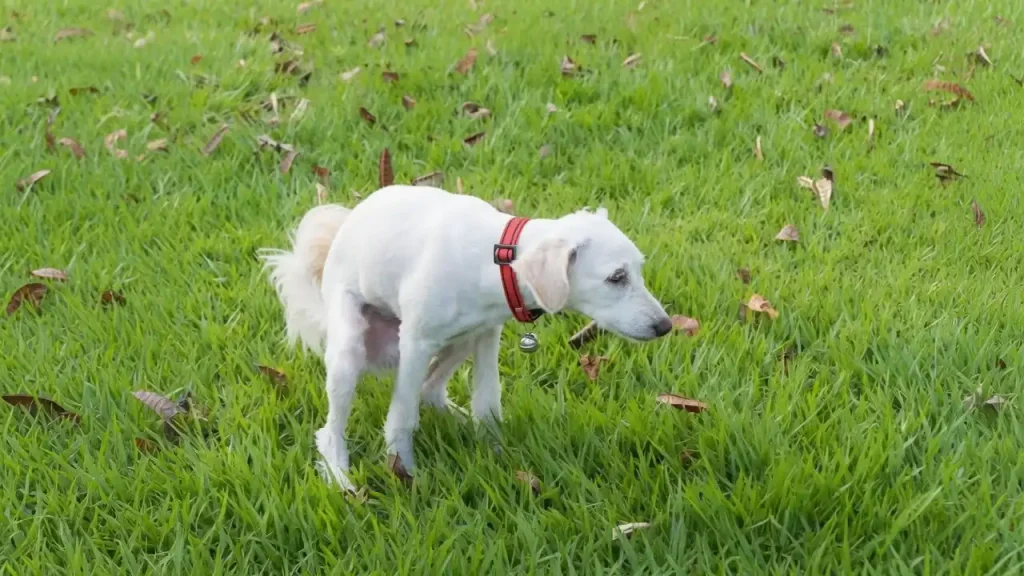
When your dog exhibits symptoms of constipation, a veterinary visit is crucial to determine the underlying cause and ensure appropriate treatment. A veterinarian will typically begin with a thorough physical examination and medical history.
The diagnostic process often includes:
- Medical History: The vet will ask detailed questions about your dog’s bowel movement frequency, the appearance of their feces, their eating and drinking habits, recent diet changes, activity levels, and any medications they are currently taking.
- Physical Examination: This involves a comprehensive check of your dog’s overall health. The veterinarian will perform abdominal palpation, gently feeling your dog’s belly to check for any signs of discomfort, swelling, or a firm, distended colon.
- Rectal Examination: A gloved hand can be used to feel for abnormalities in the colon, such as impacted feces, tumors, foreign bodies, rectal strictures, or an enlarged prostate gland. Anal glands may also be checked for inflammation or infection.
- Diagnostic Imaging:
- X-rays: Abdominal X-rays are often performed to assess the extent of the constipation, identify any fecal impaction, and rule out potential obstructions caused by foreign objects or masses.
- Ultrasound: In more advanced cases, an abdominal ultrasound may be used to identify the specific cause of constipation.
- Blood Tests and Urinalysis: These tests are valuable for detecting underlying diseases that can predispose a dog to constipation, such as hypothyroidism or kidney problems. They can also help identify dehydration or infection.
- Orthopedic Examination: If joint issues are suspected, a vet may perform an orthopedic exam to see if conditions like arthritis are making it painful for your dog to posture for defecation.
- Biopsies: If a rectal mass or stricture is suspected, biopsies may be recommended.
Accurate diagnosis is vital because straining to defecate can be a symptom of conditions other than constipation, including urinary tract issues, some of which require immediate attention.
Home Remedies and Initial Management
For mild or occasional dog constipation, several home remedies can be effective in promoting bowel regularity. However, it is crucial to consult your veterinarian before trying any home treatments, as constipation can sometimes be a symptom of a more serious underlying issue.
Here are some common home remedies:
| Remedy | Description | Benefits for Constipation |
|---|---|---|
| Increased Water Intake | Ensure constant access to fresh, clean water. You can encourage drinking by adding a tablespoon of unsalted chicken broth to their water bowl or by adding water to their meals. | Helps soften stool, making it easier to pass through the intestines. Dehydration is a common cause of constipation. |
| Canned Pumpkin Puree | 100% pure canned pumpkin (not pie filling) is high in soluble fiber and moisture. Add 1-4 tablespoons with your dog’s meal, depending on their size. | Fiber regulates the digestive tract and adds bulk to the stool, while moisture helps soften it. |
| Canned Dog Food | Switching to or mixing canned dog food with kibble increases moisture content in the diet. | Higher moisture content helps soften stool and supports digestive regulation. |
| Dietary Fiber Supplements | Under veterinary guidance, fiber supplements like psyllium (e.g., Metamucil, unflavored) can be added to food. Other high-fiber foods include plain oatmeal, green beans, steamed carrots, ground flaxseed, and chia seeds. | Increases fiber, which helps soften stool and regulate bowel movements. Soluble fiber in particular absorbs water to make stools easier to pass. |
| Exercise | Regular, moderate exercise, such as long walks, helps stimulate bowel movements and maintain a healthy digestive tract. | Increases blood flow to the colon and encourages peristalsis (muscle contractions that move food through the digestive system). |
| Olive Oil / Coconut Oil | Small amounts (e.g., a teaspoon for smaller dogs, a tablespoon for larger dogs) can act as a natural lubricant. Always check with your vet first. | Can help lubricate the digestive tract and soften stool. |
| Probiotics | Probiotic supplements or foods like plain Greek yogurt (if your dog tolerates dairy) can support gut health. | Promotes a healthy gut microbiome, which can aid in digestion and regularity. |
If home remedies don’t show improvement within 24-48 hours, or if your dog’s condition worsens, seek veterinary attention immediately. Attempting too many remedies or the wrong combination without professional advice can sometimes lead to diarrhea, trading one digestive problem for another. For further details on maintaining your dog’s digestive health and general well-being, you might find valuable information in articles focusing on canine nutrition or dog exercise routines.
When to See a Veterinarian
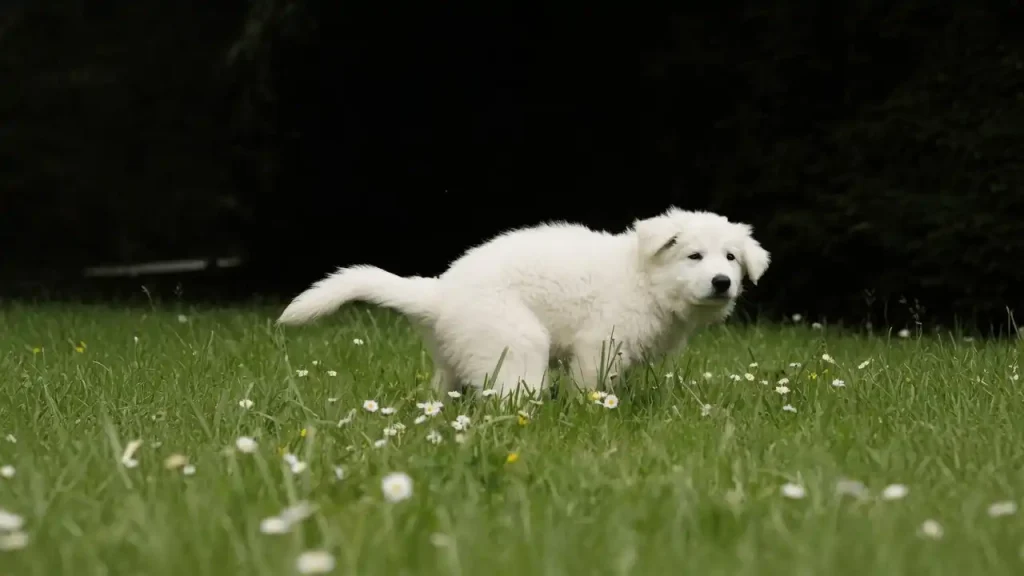
While some cases of dog constipation can resolve with home care, it is crucial to recognize when veterinary intervention is necessary. Delayed treatment can lead to more severe complications, making it harder and more uncomfortable for your dog.
You should contact your veterinarian promptly if you observe any of the following:
- No Bowel Movement for 2-3 Days: If your Dog Constipation has not defecated in 48 to 72 hours, it’s advisable to consult a vet.
- Signs of Significant Pain or Distress: This includes crying, whimpering, growling, or showing extreme discomfort when trying to defecate or when their abdomen is touched.
- Vomiting or Loss of Appetite: These symptoms, especially when combined with straining, can indicate a more serious issue like an intestinal blockage.
- Lethargy and Weakness: If your Dog Constipation becomes unusually tired, weak, or unresponsive.
- Lack of Thirst or Dehydration: Signs like sticky gums can indicate dehydration, which exacerbates constipation.
- Passing Blood or Excessive Mucus: While some mucus can occur with straining, significant amounts of blood or jelly-like blood are concerning.
- Suspected Foreign Object Ingestion: If you know or suspect your Dog Constipation has eaten something indigestible that could cause a blockage, seek immediate veterinary care. Intestinal blockages can quickly become fatal.
- Recurring Constipation: If your Dog Constipation experiences constipation frequently, it warrants a vet visit to investigate underlying chronic conditions.
- Difficulty Urinating: Straining can sometimes be confused with urinary issues, which can also be emergencies.
- Other Severe Symptoms: Pale gums, labored or fast breathing, or collapse are signs that require emergency veterinary care.
Never administer human medications or enemas to your Dog Constipation without explicit veterinary guidance, as many can be toxic or harmful. A vet can accurately diagnose the problem and recommend appropriate treatments, which may include fluid therapy, prescription diets, stool softeners, enemas (performed by professionals), or in severe cases, manual removal of impacted stool or surgery. Early intervention can help prevent the progression to obstipation or megacolon.
Preventing Dog Constipation
Proactive measures are often the most effective way to keep your Dog Constipation digestive system running smoothly and prevent constipation. Many preventive strategies involve simple adjustments to diet, hydration, and lifestyle.
Dietary Changes for Prevention
- High-Quality, Balanced Diet: Feed your dog a high-quality commercial dog food appropriate for their age, size, and activity level. A well-balanced diet provides essential nutrients and the right amount of fiber.
- Adequate Fiber: Ensure your Dog Constipation receives an appropriate amount of dietary fiber (typically between 2-4% in their food). If your dog is prone to constipation, your veterinarian might recommend incorporating natural fiber sources like canned pumpkin puree, green beans, or plain oatmeal into their diet. However, remember that too much fiber can also sometimes be detrimental, so moderation and vet consultation are key.
- Avoid Dietary Indiscretion: Prevent your Dog Constipation from ingesting non-food items like bones, gravel, dirt, plants, or pieces of toys. Supervise them during walks and ensure their environment is free of tempting, indigestible objects.
- Gradual Diet Changes: If you need to change your Dog Constipation food, do so gradually over several days to a week to allow their digestive system to adjust and prevent upset.
- Probiotic Supplements: For Dog Constipation prone to digestive issues, a veterinarian might recommend a regular probiotic supplement to promote a healthy gut microbiome and improve gut health.
Importance of Hydration and Exercise for Prevention
- Consistent Hydration: Always provide constant access to fresh, clean water. Encourage your Dog Constipation to drink throughout the day, especially after exercise. Using multiple water bowls around the house or offering water from different sources can sometimes entice them to drink more. If your Dog Constipation primarily eats dry kibble, consider adding water or unsalted broth to their meals, or incorporating wet food to increase their overall moisture intake.
- Regular Exercise: Consistent physical activity is vital for stimulating the digestive system and promoting regular bowel movements. Daily walks, playtime, and other forms of exercise help keep your Dog Constipation bowels moving efficiently.
- Grooming: Regularly groom long-haired Dog Constipation to prevent matting around the anus and to reduce the amount of hair ingested during self-grooming, which can lead to hairballs obstructing stool passage.
- Routine Veterinary Care: Regular wellness check-ups allow your veterinarian to catch potential health concerns early, address any underlying medical conditions that could lead to constipation, and provide tailored preventive advice.
- Maintain a Healthy Weight: Obesity can contribute to a variety of health problems, including decreased mobility which can indirectly affect bowel regularity. Maintaining a healthy weight through diet and exercise is beneficial.
Conclusion
Dog constipation is a common digestive issue that can cause significant discomfort for your canine companion. While many cases are mild and can be managed with simple home remedies like increased hydration, dietary fiber, and exercise, it is crucial for pet owners to recognize the signs and understand when professional veterinary care is necessary. Underlying medical conditions, ingested foreign objects, and certain medications can all contribute to constipation, some of which require urgent intervention. By maintaining a high-quality diet, ensuring adequate water intake, promoting regular exercise, and seeking timely veterinary advice, you can play a pivotal role in preventing and effectively treating dog constipation, thereby ensuring your Dog Constipation leads a healthy and comfortable life.