Road Salt on Dog Paws: 5 Effective Ways to Soothe Irritation and Prevent Damage
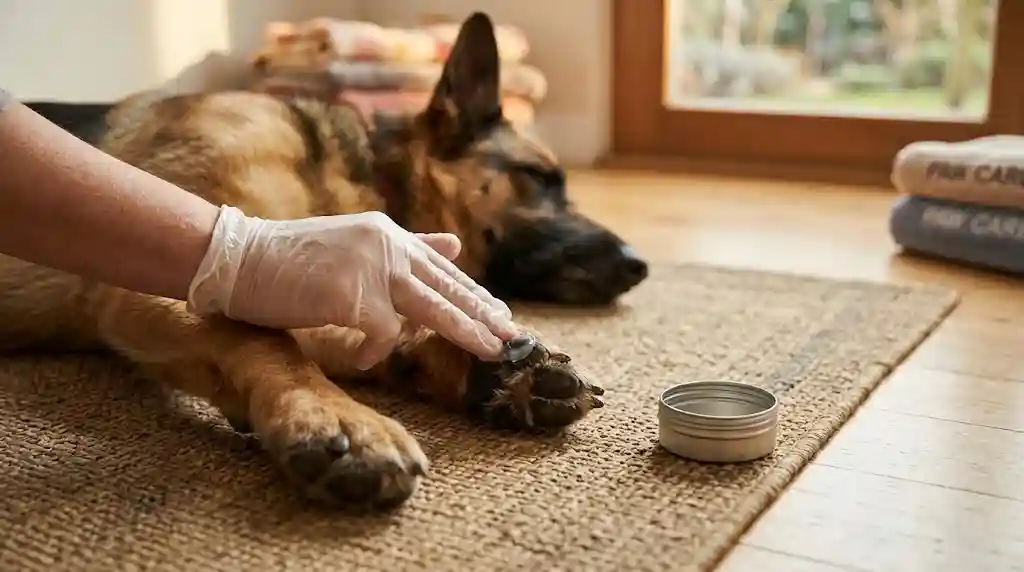
Table of Contents
Road salt on dog paws is a common and often painful problem many pet owners encounter during winter months. While essential for human safety on icy roads and sidewalks, the de-icing agents used can wreak havoc on a dog’s sensitive paw pads, leading to irritation, dryness, cracking, and even chemical burns. Understanding the dangers and knowing how to effectively treat and prevent these issues is crucial for maintaining your canine companion’s health and comfort throughout the colder season.
Understanding the Threat: Why Road Salt on Dog Paws
Road salt is not just simple table salt (sodium chloride). Commercial de-icers often contain a blend of various salts, including calcium chloride, magnesium chloride, and potassium chloride, alongside other additives like sodium hexacyanoferrate or sugar. These chemical compounds work by lowering the freezing point of water, effectively melting ice and snow. However, their properties make them particularly damaging to dog paws.
Chemical Irritation and Burns: The primary concern is the direct corrosive effect of these salts. Prolonged contact with traditional de-icers can cause painful irritation, redness, and even chemical burns on paw pads, especially with extended exposure.
Dehydration and Cracking: Road salt is a desiccant, meaning it actively draws moisture from its surroundings. This process can severely dry out a dog’s naturally moist paw pads, leading to cracking, peeling, and increased susceptibility to injury. Pads already dry from cold air and indoor heat are even more vulnerable.
Abrasions and Micro-cuts: Beyond chemical effects, the coarse, gritty texture of road salt and the sharp edges of ice crystals can cause physical abrasions and tiny cuts on the paw pads and between the toes as dogs walk, run, and jump. These micro-cuts can be painful and become infected if not cleaned properly.
Ingestion and Toxicity: Dogs frequently lick their paws to clean them, especially after a walk. When they do, they can ingest the salt and chemicals that have accumulated on their paws. Ingesting even small amounts of road salt can cause gastrointestinal upset, leading to symptoms like vomiting, diarrhea, excessive thirst, and lethargy. In severe cases, large quantities can lead to salt poisoning (sodium ion toxicity), which can cause tremors, seizures, kidney damage, and can even be life-threatening. Some de-icers may even contain highly toxic substances like ethylene glycol (antifreeze), which is extremely dangerous if ingested.
Ice Balls and Frostbite: While not directly from salt, winter conditions also bring the risk of ice balls forming between paw pads, particularly in dogs with longer fur. These can pull on hair and cause discomfort, and combined with frigid temperatures, paws can be more vulnerable to frostbite.
Identifying the Symptoms: Recognizing Road Salt Exposure
Recognizing the signs of road salt exposure early is crucial for prompt treatment and preventing more serious issues. After a winter walk, closely inspect your dog for any of the following symptoms:
- Excessive Paw Licking, Chewing, or Biting: This is one of the most common and easily noticeable signs that your dog is experiencing discomfort or irritation on their paws. They are attempting to remove the irritating substances or soothe the pain.
- Redness or Inflammation: Inspect the paw pads and the spaces between the toes for any visible swelling, redness, or raw patches. For more on skin issues, see this guide on dog skin infections.
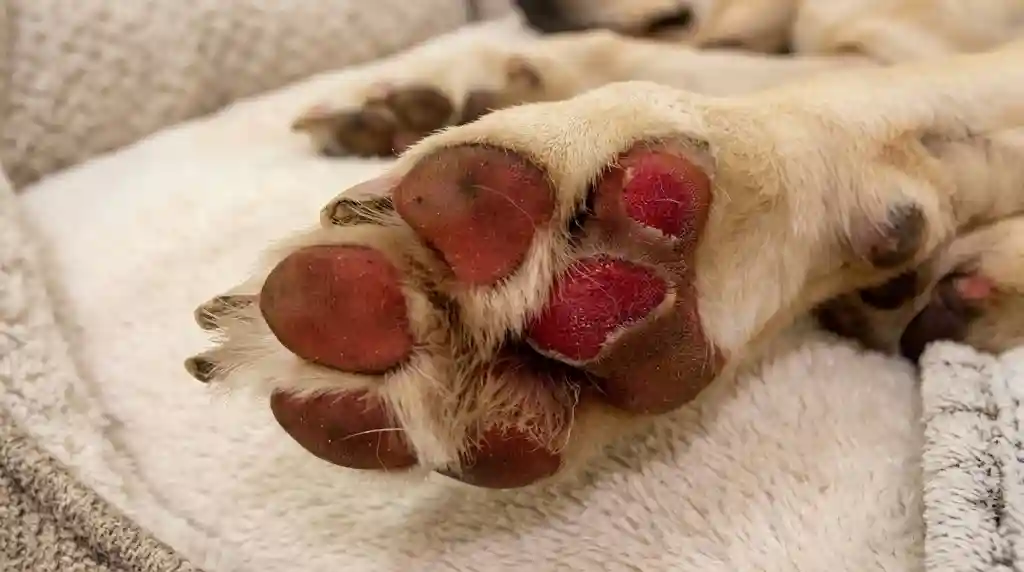
- Cracked, Dry, or Peeling Pads: Salt can cause pads to become noticeably dry, rough, cracked, or even peel.
- Limping or Reluctance to Walk: Pain or discomfort in their paws may cause your dog to limp, favor one paw, or exhibit a general reluctance to walk, especially on treated surfaces. They might suddenly lift a paw or stop walking during an outing.
- Blisters or Open Sores: In more severe cases, prolonged exposure or chemical burns can lead to blisters, raw patches, or open sores on the paw pads.
- Changes in Gait: Any noticeable change in how your dog walks, indicating pain or discomfort in their feet, should prompt a paw inspection.
Signs of Systemic Distress (Salt Ingestion): If your dog has licked off or ingested road salt, they might show other symptoms, including excessive thirst and urination, vomiting or diarrhea, lethargy, weakness, or reduced appetite, drooling, and in severe cases: disorientation, tremors, seizures, or collapse. If your dog develops diarrhea, see this comprehensive guide on dog diarrhea.
Immediate First Aid: What to Do Right After Exposure
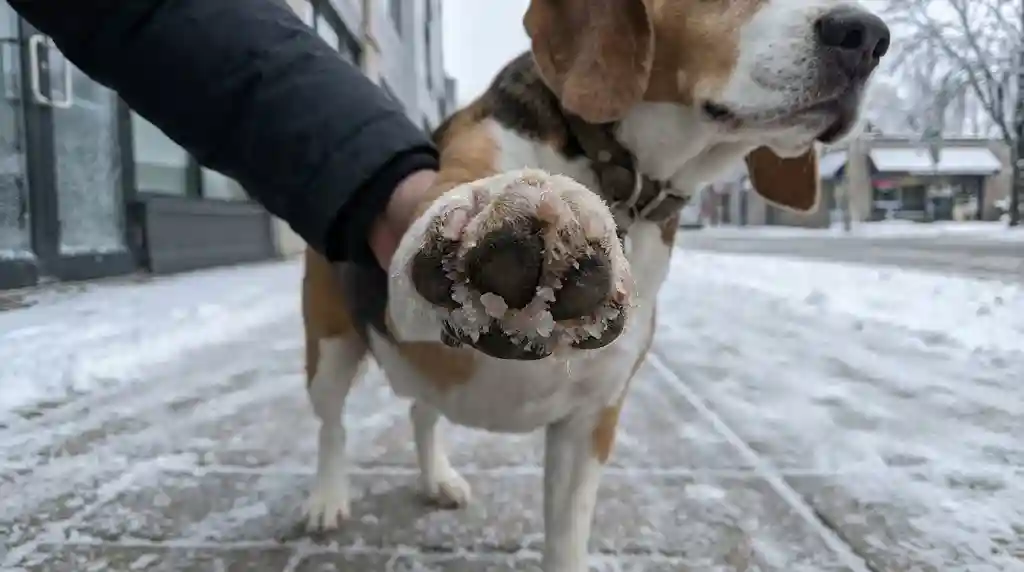
If you suspect your dog has walked on salted surfaces, immediate action is key to minimizing irritation and preventing ingestion. A “60-second after-walk paw routine” can make a significant difference.
- Rinse Paws Thoroughly: As soon as you return home, rinse your dog’s paws with lukewarm water. Do not just wipe, as salt crystals can get wedged between the toes and pushed deeper with a dry wipe. Use a shallow basin or a squeeze bottle of lukewarm water to ensure all residue is washed away. Pay special attention to the spaces between the toes and the paw pads.
- Spread Toes and Clean Between Pads: Gently fan each foot open and run your finger through the webbing to ensure no grit or salt crystals are hiding. Trimming long fur between the paw pads can help prevent salt from clinging and compacting into painful ice balls.
- Dry Paws Completely: After rinsing, pat the paws thoroughly dry with a soft towel, ensuring there is no lingering moisture, especially between the toes. Damp webbing can invite irritation and infections.
- Inspect Paws: While drying, take the opportunity to closely inspect the paw pads for any redness, cracks, cuts, blisters, or inflammation. Early detection of issues can prevent them from worsening.
- Prevent Licking: If your dog is immediately trying to lick their paws, distract them with a treat or a short training session after cleaning to allow the paws to air dry and any applied balm to absorb. This also prevents them from ingesting any remaining traces.
Comprehensive Treatment Strategies for Irritated Paws
Once the immediate first aid is administered, ongoing care is vital for healing and soothing irritated paws. The approach will depend on the severity of the irritation.
- Soothing Balms and Waxes: For dry, cracked, or mildly irritated paws, applying a pet-safe paw balm or wax can provide significant relief and aid healing. These products create a protective barrier, moisturize the pads, and can help prevent further irritation. Look for balms with natural, organic ingredients like olive oil, shea butter, or coconut oil. Brands like Musher’s Secret or PawZ MAXWAX are often recommended for their protective qualities. Apply a thin layer to clean, dry pads.
- Warm Water Soaks (Epsom Salt optional): For general soreness or mild irritation, a warm water soak can be very comforting. Some sources suggest a warm water Epsom salt soak for 5-10 minutes if paws are still irritated. However, it’s crucial to confirm with a veterinarian before using Epsom salts, especially if there are open wounds, as ingestion could be an issue. Always rinse thoroughly after any soak.
- Antiseptic Sprays or Ointments: If you notice micro-cuts, raw patches, or inflammation, a gentle wound or pet skin care spray or a vet-approved ointment can help soothe the area and encourage rapid healing. Avoid using human medications or harsh cleaning products without veterinary guidance, as they may worsen irritation or be unsafe if licked. If your dog has allergies, this guide on dog allergies may be helpful.
- Moisturizing: Regularly applying a paw-safe moisturizer can help prevent cracking and dryness caused by cold, dry winter air and chemical exposure.
- Dietary Support: For dogs with persistently dry or flaky skin in winter, an omega-3 chew can support the skin barrier from the inside, complementing topical balm application. For a complete nutrition overview, see this ultimate pet nutrition guide.
| Product Type | Primary Benefit | Application | Notes |
|---|---|---|---|
| Paw Balms (Soothing) | Moisturizes dry/cracked pads, soothes irritation. | Apply thin layer to clean, dry paws after walks. | Often contains natural oils (e.g., coconut oil, shea butter). Good for post-walk healing. Examples: Natural Dog Company Paw Soother. |
| Paw Waxes (Protective) | Creates a barrier against salt, ice, hot pavement. | Apply thin layer to clean, dry paws before walks. | Often beeswax-based. “Sits” more on the surface. Ideal for prevention. Examples: Musher’s Secret, PawZ MAXWAX. |
| Petroleum Jelly | Temporary barrier, minor protection. | Apply thin layer before walks. | Can be used in a pinch, but ensure dog doesn’t ingest large amounts as it can cause stomach upset. Not as effective as dedicated paw waxes. |
| Protective Booties | Physical barrier against all elements. | Wear before walks. | Excellent protection from salt, ice, cold, and sharp objects. Requires training for dogs to tolerate. |
Preventative Measures: Protecting Your Dog’s Paws Before Exposure
Prevention is always the best approach when it comes to road salt and dog paws. By taking proactive steps, you can significantly reduce the risk of irritation and injury:
- Use Protective Booties: Dog booties are arguably the most effective way to shield your dog’s paws from road salt, ice, cold, and sharp debris. They provide a physical barrier that prevents direct contact with harsh substances. It’s important to find high-quality, waterproof booties that fit snugly without chafing. Some dogs may need gradual training to get accustomed to wearing them.
- Apply Paw Balm or Wax as a Barrier: For dogs who resist wearing booties, or as an additional layer of protection, applying a pet-safe paw balm or wax before walks is an excellent alternative. These products create a protective layer on the paw pads, acting as a barrier between their skin and the salt. Popular options include Musher’s Secret, known for its barrier-forming properties.
- Avoid Salted Areas: Whenever possible, try to avoid walking your dog on heavily salted roads and sidewalks. Choose alternative routes in parks or grassy areas that are less likely to be treated with de-icers.
- Trim Fur Between Pads: Keep the hair between your dog’s paw pads trimmed level with the pads. Long tufts of fur can collect snow, ice, grit, and road salt, holding these irritating substances against the skin and making them harder to clean. For a complete grooming routine, see this dog grooming checklist for first-time owners.
- Limit Exposure Time: During periods of extreme cold or heavy salt application, consider taking shorter, more frequent walks. This reduces the duration of contact with harsh winter elements. Supplement with indoor play and enrichment to burn energy safely.
- Hydration and Nutrition: Healthy skin and paw pads start from the inside out. Ensure your dog is well-hydrated and eating a balanced diet, as this supports overall skin barrier health. For dogs with sensitive stomachs, see this guide to the best dry dog food for sensitive stomachs.
If you own a dog with a double coat, this guide on how to groom a double-coated dog at home offers additional winter care tips. For drying your dog’s paws and coat after a wet winter walk, this guide on the best drying technique for long-haired dogs is very useful.
Choosing Dog-Friendly De-Icers for Your Home and Community
As a responsible pet owner, you can extend your care beyond your dog’s paws to your immediate environment. If you need to use de-icers on your own property, choosing pet-safe alternatives is crucial to minimize risks for your dog and other animals in your neighborhood.
Many traditional road salts, such as sodium chloride and calcium chloride, are particularly harsh and can cause severe irritation or burns. Pet-friendly de-icers are formulated to be less corrosive and toxic. When selecting an ice melt, look for products specifically labeled as “pet-safe,” “paw-friendly,” “salt-free,” or “chloride-free”.
Common ingredients in more pet-friendly de-icers include:
- Urea (Carbonyldiamine): Considered one of the least harmful ingredients in commercial de-icers for canines. It generally doesn’t irritate paws or cause serious complications if ingested.
- Calcium Magnesium Acetate (CMA): A combination of lime and acetic acid, CMA is less corrosive and considered environmentally and pet-friendly. It needs less product to work effectively.
- Magnesium Chloride: While it can still cause irritation if ingested in large amounts, magnesium chloride is often considered a gentler and less corrosive option than sodium or calcium chloride.
- Potassium Chloride: Another option often found in pet-safe formulations.
Brands like Morton® Safe-T-Pet® offer veterinarian-recommended, salt- and chloride-free formulas designed to be less irritating to paws. Safe Paw Ice Melter is another example that uses urea and proprietary traction agents, making it less likely to cause irritation or serious issues if ingested. Always read the ingredients label carefully, even on “pet-friendly” products, to ensure they align with your safety standards.
For further information on pet-friendly options and their environmental impact, the ASPCA often provides comprehensive resources. You can learn more about pet safety and various ice melt products through reputable sources like the ASPCA’s cold weather safety tips. Beyond commercial products, increasing your shoveling efforts can also reduce the need for de-icers. The less snow and ice present, the less salt is required for effective melting.
When to Seek Veterinary Care for Salt-Related Paw Issues
While many mild cases of paw irritation from road salt can be managed at home with proper cleaning and protective measures, there are instances when veterinary intervention is necessary. Knowing when to consult a professional is critical for your dog’s well-being.
You should seek veterinary attention if you observe any of the following symptoms or situations:
- Persistent Limping or Pain: If your dog continues to limp, favors a paw, or shows clear signs of pain even after thorough cleaning and home treatment.
- Severe Cracking or Bleeding: Deep cracks in the paw pads, especially if they are bleeding, require professional assessment and treatment to prevent infection and promote proper healing.
- Blisters, Raw Skin, or Chemical Burns: Any signs of blisters, raw patches, or darkened areas on the paw pads that could indicate chemical burns or severe irritation should be examined by a vet immediately.
- Swelling or Infection: If a paw appears swollen, or if you notice any discharge, pus, or signs of infection between the toes or on the pads, veterinary care is essential.
- Excessive Licking or Chewing That Worsens: While some licking is normal, if your dog is obsessively licking, biting, or chewing at their paws to the point of causing further irritation, skin lesions, or preventing healing, a vet visit is warranted. This could indicate ongoing pain or a developing infection. If your dog is itching excessively, this guide on why your dog is itching so much may be useful.
- Signs of Salt Ingestion/Toxicity: If your dog has ingested road salt and exhibits concerning symptoms such as severe vomiting, persistent diarrhea, excessive thirst, lethargy, disorientation, tremors, or seizures, contact your veterinarian or an emergency veterinary clinic immediately. These symptoms can indicate serious salt poisoning.
- Paw Irritation That Doesn’t Improve: If, despite your best efforts with cleaning and at-home care, your dog’s paw irritation does not show improvement within a day or two, it’s time to consult a veterinarian.
Timely intervention can prevent complications, alleviate your pet’s discomfort, and ensure proper healing. Your veterinarian can accurately assess the injury, recommend appropriate medical treatments, and help you establish a comprehensive winter paw protection routine tailored to your dog’s specific needs. For anxious dogs during grooming or vet visits, this guide on dog grooming tips for anxious dogs can be helpful.
Conclusion: Protecting Your Canine Companion from Winter’s Hidden Dangers
Road salt on dog paws is a pervasive winter hazard that demands vigilance and proactive care from pet owners. The corrosive chemicals, drying effects, and abrasive nature of de-icers can cause significant pain and health issues for our beloved dogs, ranging from dry, cracked pads and chemical burns to dangerous salt poisoning if ingested. By understanding these threats, recognizing the signs of irritation, and implementing a comprehensive approach to paw protection, you can safeguard your canine companion.
From establishing an immediate post-walk cleaning routine with lukewarm water and thorough drying, to employing preventative measures like protective booties and paw waxes, every step contributes to your dog’s comfort and health. Opting for pet-safe de-icers on your own property further extends this protection to your community. Crucially, knowing when to seek professional veterinary care for persistent pain, severe injuries, or signs of salt ingestion ensures that your dog receives the necessary medical attention.
Winter walks should be a joyous experience for both you and your furry friend. With consistent care and awareness, you can ensure that your dog’s paws remain healthy, allowing them to enjoy the snowy season safely and comfortably for many winters to come. For professional grooming help, this guide to the best local grooming services near you can point you in the right direction. And for puppies, this guide to the best puppy food for large breed puppies is a valuable resource.