Dry a Dog Fast After Rain: Quick & Easy Ways to Get Your Dog Dry 2026
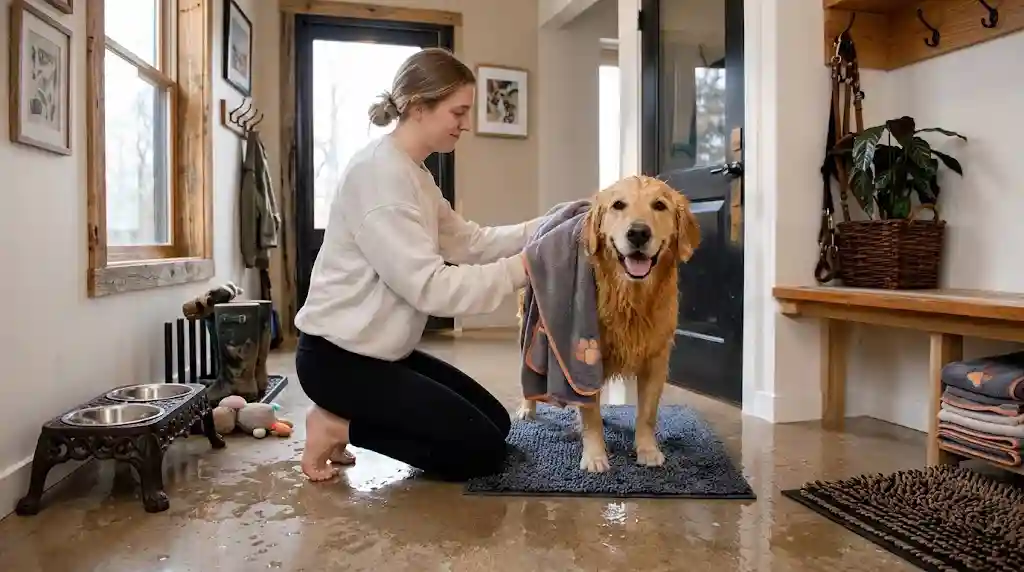
Table of Contents
How to dry a dog fast after rain is a common concern for many pet owners, especially those whose furry companions love to splash and play outdoors regardless of the weather. A quick and efficient drying routine is not merely about keeping your home clean; it is crucial for your dog’s health and comfort. Lingering moisture in a dog’s coat can lead to various problems, including skin irritations, fungal infections, matting, and the notorious “wet dog smell”. Understanding the best practices and utilizing the right tools can transform a chaotic post-rain clean-up into a smooth, stress-free experience for both you and your dog.
Introduction: Dry a Dog Fast After Rain
The joy a dog finds in a rainy walk or a splash in puddles is often contrasted by the challenge owners face afterward: getting them dry. While a good shake can remove a surprising amount of surface water, dense or long coats can retain moisture deep within, close to the skin, for extended periods. This dampness can create a breeding ground for bacteria and yeast, leading to unpleasant odors and various skin issues like hot spots, irritation, and even infections. For more on skin problems, see this guide on dog skin infections. Beyond health concerns, a wet dog can chill easily, especially in colder weather, making thorough drying essential for their warmth and overall well-being. Prompt drying also helps prevent mats and tangles from forming, which can be uncomfortable for the dog and more challenging to remove later. Establishing an effective drying routine not only contributes to your dog’s hygiene and comfort but also keeps your living spaces cleaner and more pleasant.
Immediate Steps: Starting the Drying Process Right After the Rain
The moment your dog steps back inside after a rainy adventure, the drying process should begin without delay. Proper initial steps can significantly cut down the overall drying time and prevent mud and water from spreading throughout your home. Here’s a detailed approach:
- Designate a Drying Station: Before your dog even enters the main living areas, have a dedicated spot ready, ideally near the entrance or in a bathroom. This station should include an absorbent mat or washable rug to catch drips, and all necessary drying tools within easy reach.
- Allow for the Initial Shake: Dogs naturally shake off excess water, and it’s a highly effective first step. Allow your dog a few good shakes in the designated area to remove the bulk of the water. This natural reflex can clear a significant amount of moisture from their coat.
- Remove Gear: Take off any wet raincoats, harnesses, or collars. These items can trap moisture against the fur, slowing down drying and potentially causing skin irritation or odor if left damp.
- Wipe Paws First: Paws are notorious for tracking mud and water indoors. Use a dedicated smaller towel or a paw towel to clean and dry each paw thoroughly, including between the toes. This is crucial for preventing dirt from spreading and reducing the risk of paw infections. For a complete routine, see this dog grooming checklist for first-time owners.
- Gentle Towel Blotting: After the initial shake, use a large, highly absorbent towel, preferably one made of microfiber, to gently blot and press your dog’s coat. Avoid vigorous rubbing, especially on long-haired or curly-coated breeds, as this can cause tangles, mats, and skin irritation. Focus on areas that tend to hold more moisture, such as the underbelly, chest, and around the ears. For long-haired dogs, separate sections of fur and gently squeeze out water. If the towel becomes saturated, swap it for a dry one or wring it out and continue. This step alone can remove nearly half of the moisture, making subsequent drying steps much faster.
Essential Tools for Efficient Dog Drying
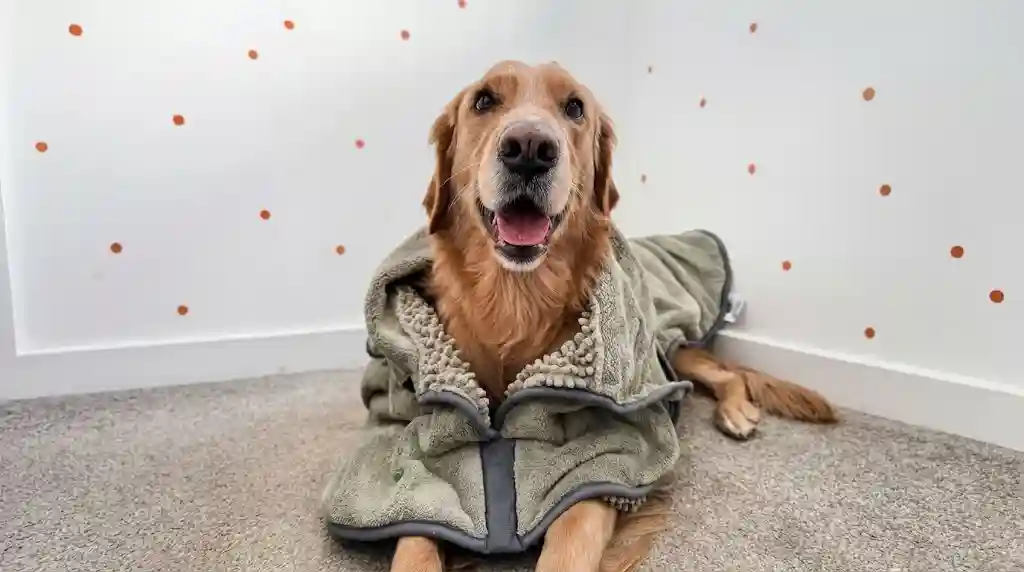
Having the right arsenal of tools is paramount for drying your dog quickly and safely. Investing in quality equipment can save time, reduce effort, and significantly improve your dog’s comfort and coat health.
- High-Absorbency Towels: Microfiber towels or specialty dog-drying towels are far more effective than standard bath towels. They are designed to absorb large quantities of water quickly and efficiently without causing friction or irritation to the dog’s skin. Some innovative towels, like those with carbon, even help prevent bacterial growth and odors.
- Dog Drying Robes or Coats: These absorbent garments, often made from microfiber or toweling material, can be put on your dog after initial towel drying. They continue to absorb moisture as your dog moves or rests, helping to dry the coat without constant human intervention. They are particularly beneficial for thicker coats and can help keep your dog warm while drying.
- High-Velocity Dog Dryers (Force Dryers): This is arguably the most significant game-changer for fast drying, especially for dogs with medium to long, dense, or double coats. Unlike human hair dryers, which use high heat and weaker airflow, pet-specific force dryers use powerful, concentrated airflow to blast water out of the coat rather than just evaporating it. For a detailed guide on the best drying techniques for different coat types, see this article on the best drying technique for long-haired dogs.
Safety First: Always use a pet-specific dryer, as human hair dryers can reach dangerously high temperatures that can burn a dog’s sensitive skin. Start on the lowest setting and cool temperature, keeping the nozzle moving and at a safe distance (at least 6-12 inches) from the dog’s skin to prevent overheating and discomfort. Protect your dog’s ears with cotton balls or “Happy Hoodies” as these dryers can be noisy.
Benefits: High-velocity dryers drastically reduce drying time, help remove loose hair and undercoat, prevent matting, and can even blow dirt and debris out of the coat.
- Quick-Drying Sprays: These specialized sprays contain ingredients that help break the molecular bond of water to hair, allowing moisture to be pushed off the hair shafts more quickly and efficiently during drying. They can be applied after towel drying and lightly brushed in.
- Brushes and Combs: Brushing the coat while drying, particularly with a force dryer, helps to separate the hair, allow air to circulate more effectively, and prevent tangles from forming. Different coat types require specific brushes (e.g., slicker brush for long coats, rubber brush for short coats). A quality grooming glove for shedding dogs can also be very effective during drying.
Effective Drying Techniques for Different Coat Types
The most effective drying method often depends on your dog’s specific coat type. Understanding these differences allows for a tailored approach that maximizes efficiency and maintains coat health.
| Coat Type | Characteristics | Recommended Drying Approach | Key Considerations |
|---|---|---|---|
| Short-Haired Breeds (e.g., Beagles, Pugs, Labradors) | Typically single-layered, dries relatively quickly. | Towel dry vigorously to remove surface water. Air drying in a warm, well-ventilated area can often complete the process. | Less prone to matting. Focus on paws, belly, and skin folds. |
| Long-Haired Breeds (e.g., Golden Retrievers, Shih Tzus, Afghan Hounds) | Prone to tangles and mats; water can cling to individual strands. | Thorough towel blotting, followed by a low-heat or cool-air high-velocity dryer. Dry in sections, brushing as you go to prevent tangles and separate hair. | Gentle handling is crucial. Avoid vigorous rubbing. Use a detangling spray if needed. |
| Double-Coated Breeds (e.g., Huskies, German Shepherds, Samoyeds) | Dense undercoat holds significant moisture; topcoat can appear dry while undercoat is still damp. | Aggressive towel blotting to remove maximum water. High-velocity dryer is essential to force water out of the undercoat. Work in sections, “blowing out” the undercoat. | Focus on penetrating the undercoat. High airflow, low heat. Regular deshedding helps. For proper care, see this guide on how to groom a double-coated dog at home. |
| Curly/Wavy Coated Breeds (e.g., Poodles, Labradoodles, Bichon Frises) | Hair easily knots and mats when wet; texture can trap water. | Blot thoroughly with a microfiber towel. Use a low-heat high-velocity dryer while brushing with a slicker brush to straighten and dry. | Prevents matting and helps achieve a fluffy finish. Be gentle to avoid frizz. For Poodle-specific care, see this comprehensive guide to Poodles. |
General Techniques for All Coat Types:
- Section Drying: Divide your dog’s coat into manageable sections. This allows for more thorough and efficient drying, ensuring no damp spots are missed. Start from the back and work forward, excluding the head initially.
- Maintain Airflow Movement: When using a dryer, continuously move the nozzle to prevent heat buildup in one area. The goal is to push water off and out of the coat, not just warm it.
- Pay Attention to Sensitive Areas: Always be extra cautious around the face, ears, and genital areas. These spots are more sensitive to noise and airflow pressure. For the face, aim the dryer at your own hand first to gauge the gentle breeze.
- Brush as You Dry: As mentioned, brushing helps to separate hairs and accelerate drying. For long or wool coats, this also prevents knots and mats from forming as the hair dries.
Safety First: Avoiding Common Drying Mistakes
While the goal is to dry your dog quickly, safety should always be the top priority. Several common mistakes can lead to discomfort, injury, or even long-term health issues for your pet. Being aware of these pitfalls is crucial for a safe drying experience.
- Using Human Hair Dryers: This is one of the most significant and dangerous mistakes. Human hair dryers are designed to operate at much higher temperatures than are safe for a dog’s skin, which is more sensitive than human skin. The concentrated heat can cause severe burns or skin irritation. Always invest in a dedicated pet dryer that offers appropriate heat and airflow settings.
- Excessive Heat Application: Even with a pet dryer, using excessively high heat can be harmful. Dogs can overheat quickly. The air should feel warm, not hot, to your skin. Many professional groomers emphasize airflow over heat. Start with a low setting and cool air, gradually increasing temperature only if necessary and if your dog tolerates it well.
- Holding the Dryer Too Close or Stationary: Concentrating the dryer’s airflow on one spot for too long, or holding it too close to the skin (less than 6-12 inches), can lead to localized overheating and burns. Always keep the dryer moving constantly in a sweeping or circular motion to ensure even drying and prevent heat buildup.
- Vigorous Rubbing with Towels: While it might seem like a quick way to absorb water, aggressive towel rubbing can damage your dog’s coat, especially if it’s long, curly, or prone to tangling. It creates friction that can lead to mats and knots, making the coat harder to manage later. Instead, use gentle patting and blotting motions to absorb moisture.
- Neglecting to Brush Out Tangles Before Drying: If a dog’s coat is already tangled before it gets wet, drying without brushing can set those tangles into tight, painful mats. Always perform a thorough pre-bath or pre-drying brush to remove loose hair and minor tangles. This also helps the drying process by allowing air to flow more easily through the coat.
- Rushing the Process: Insufficient drying can leave lingering moisture, which, as discussed, can lead to skin infections, odors, and matting. Dedicate enough time to ensure your dog is thoroughly dry, especially in hard-to-reach areas like the underbelly, armpits, and paw pads.
- Ignoring Your Dog’s Body Language: Pay close attention to your dog’s cues during the drying process. Signs of discomfort include pulling away, panting heavily, restlessness, or trying to bite the dryer. If your dog shows distress, pause, offer reassurance and treats, and adjust your approach. Introduce dryers gradually, starting with low settings and positive reinforcement. For anxious dogs, this guide on dog grooming tips for anxious dogs can be very helpful.
Preventing the Dreaded “Wet Dog Smell”
The “wet dog smell” is a common complaint among pet owners, and it’s primarily caused by the release of volatile organic compounds from bacteria, yeast, and natural oils present on a dog’s skin and fur, which become more pungent when wet. Thorough and quick drying is the most effective way to prevent this odor from taking hold.
- Prompt Drying is Key: The faster your dog’s coat dries, the less opportunity bacteria and yeast have to thrive and produce odor-causing compounds. Implement the immediate steps and efficient drying techniques outlined earlier to minimize dampness.
- Regular Bathing and Grooming: Consistent bathing with a dog-specific shampoo helps remove accumulated dirt, oils, bacteria, and yeast that contribute to the smell. The frequency depends on your dog’s lifestyle and coat type, but regular grooming, especially for long-haired breeds, is essential. For a complete routine, see this grooming schedule by coat type.
- Clean Bedding and Belongings: The “wet dog smell” can easily transfer to and linger in your dog’s bedding, toys, collars, and furniture. Regularly wash all pet bedding, blankets, and soft toys in hot water with an odor-neutralizing detergent, possibly adding natural neutralizers like white vinegar or baking soda.
- Maintain a Clean Environment: Vacuuming carpets and rugs frequently with baking soda and cleaning hard floors with pet-safe solutions can help eliminate odors in your home. Opening windows and using air purifiers can also aid in circulating fresh air and reducing airborne odor molecules.
- Specialized Products: Some quick-drying sprays also contain deodorizing agents that can help combat odors. Additionally, pet deodorizer sprays can be used as a final touch once your dog is completely dry.
If a persistent or unusual odor remains despite regular grooming and cleaning, it could indicate an underlying health issue such as a skin infection, dental problem, or anal gland issue. In such cases, a consultation with your veterinarian is highly recommended. If your dog is itching or scratching excessively, this guide on why your dog is itching so much may provide insight. If your dog has allergies, see this guide on dog allergies.
Long-Term Coat Care and Routine
Drying your dog effectively after rain is not just a one-off task; it integrates into a broader long-term coat care routine that promotes overall health and well-being. A consistent approach to grooming contributes significantly to preventing future problems and maintaining a healthy, happy dog.
- Regular Brushing: Beyond drying sessions, regular brushing is fundamental for all coat types. It helps to remove loose hair, prevent matting, distribute natural skin oils, and stimulate circulation. For double-coated breeds, it helps to blow out dead undercoats, which can otherwise trap moisture and contribute to odors and skin issues. Incorporate brushing into your daily or weekly routine, adjusting frequency based on your dog’s coat type and shedding patterns.
- Balanced Diet and Supplements: A healthy coat starts from within. Feeding your dog a high-quality, balanced diet rich in essential fatty acids (like Omega-3 and Omega-6) can significantly improve coat health, making it stronger, shinier, and less prone to dryness or excessive shedding. For a complete nutrition overview, see this ultimate pet nutrition guide. For dogs with sensitive stomachs, this guide to the best dry dog food for sensitive stomachs can help.
- Professional Grooming: For many breeds, especially those with complex or high-maintenance coats, regular visits to a professional groomer are invaluable. Groomers have specialized tools and expertise to handle various coat types, perform thorough baths and drying, and address issues like severe matting or skin conditions that might be difficult for owners to manage at home. If you need help finding a groomer, this guide to the best local grooming services near you can point you in the right direction.
- Skin Health Checks: The drying process, whether after rain or a bath, offers a perfect opportunity to conduct a quick visual and tactile inspection of your dog’s skin. Look for any lumps, bumps, rashes, redness, dry patches, or signs of irritation. Early detection of skin problems can prevent them from escalating into more serious conditions.
- Proper Hydration: Ensuring your dog has constant access to fresh water is vital for overall health, including skin and coat condition. Well-hydrated skin is healthier and more resilient.
- Desensitization to Grooming Tools: If your dog is fearful of dryers or brushes, gradually introduce these tools with positive reinforcement. Start by letting them sniff the tool, then turn it on from a distance, rewarding calm behavior with treats and praise. Slowly decrease the distance and increase exposure time as your dog becomes more comfortable. This patient approach builds trust and makes future grooming sessions less stressful for everyone.
For more in-depth advice on maintaining your dog’s coat health, consult resources like the American Kennel Club (AKC), which provides comprehensive grooming guidance. For puppies, this guide to the best puppy food for large breed puppies is a valuable resource for overall health. And if your dog is prone to excessive barking, this guide on how to stop excessive dog barking may be useful.
Conclusion: A Dry Dog, a Happy Home
Drying your dog quickly and effectively after a rainy outing is more than just a chore; it is an essential aspect of responsible pet ownership that significantly impacts their health, comfort, and the cleanliness of your home. By implementing a systematic approach, starting with immediate towel blotting and progressing to specialized tools like high-velocity dryers, you can dramatically reduce drying time and prevent common issues such as skin infections, matting, and the persistent “wet dog smell.” Prioritizing safety through appropriate tool usage, avoiding excessive heat, and paying close attention to your dog’s comfort cues are paramount. Furthermore, integrating these drying practices into a comprehensive long-term coat care routine, which includes regular brushing, proper nutrition, and professional grooming when needed, ensures your canine companion remains healthy, happy, and fresh-smelling regardless of the weather. A dry dog is undeniably a happier dog, and a happy dog makes for a more harmonious home. For more on paw care after wet walks, see this guide on dog grooming tips for anxious dogs and this guide on how to groom a double-coated dog at home.