Dog Shedding Season: 9 Expert Autumn Grooming Secrets for a Shiny, Healthy Coat
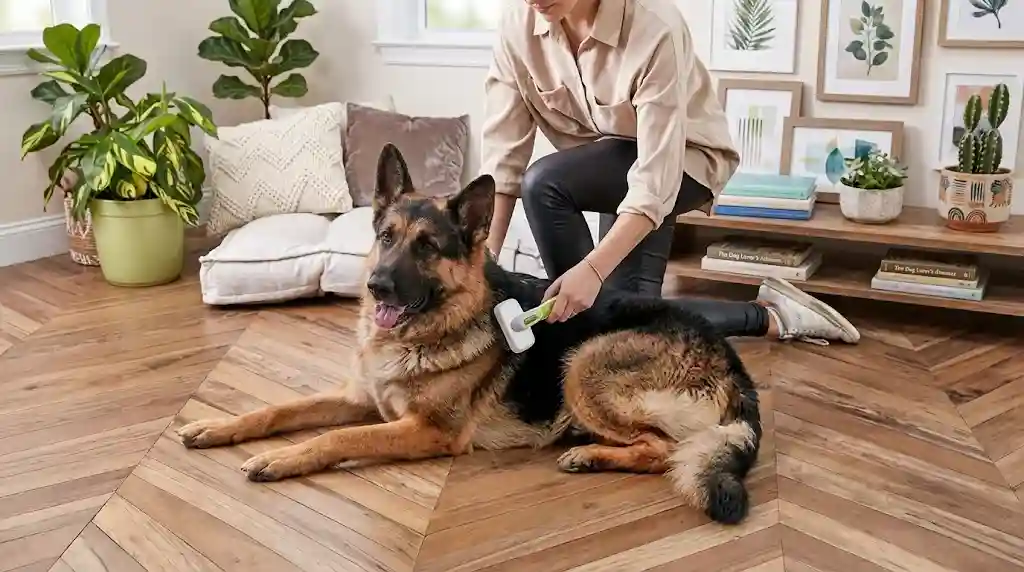
Table of Contents
Dog shedding season in autumn brings a noticeable change for many pet owners, as our canine companions transition their coats in preparation for colder weather. Beyond the flurry of fur, autumn also introduces specific environmental hazards, such as grass seeds, that demand our vigilant attention. This comprehensive guide will delve into understanding why dogs shed more in the fall, provide essential grooming strategies to manage this seasonal change, and offer crucial advice on how to effectively remove and prevent grass seeds from becoming a painful problem for your beloved pet.
Understanding Dog Shedding Season
As the vibrant hues of summer fade into the rich palette of autumn, many dog owners observe a significant increase in their dog’s shedding. This phenomenon is a perfectly natural and healthy biological response, primarily triggered by changes in daylight hours rather than temperature fluctuations. As the days grow shorter, a dog’s body receives a signal to shed its lighter summer undercoat and begin growing a denser, warmer winter coat designed for insulation.
This process, often referred to as “blowing coat,” is particularly dramatic in double-coated breeds. Breeds such as German Shepherds, Siberian Huskies, Alaskan Malamutes, Golden Retrievers, Labrador Retrievers, and Australian Shepherds possess a thick undercoat that provides crucial insulation. During the autumn shedding season, these breeds can shed a substantial amount of fur as they make way for their new, thicker winter protective layer. While all dogs shed to some extent, double-coated breeds typically experience a more noticeable “coat blow” during these seasonal transitions. Even short-haired dogs shed, although their hair loss might appear less dramatic, the shorter, stiffer hairs can be just as pervasive, embedding themselves into fabrics. For a deeper look at the Golden Retriever, see this comprehensive guide to Golden Retrievers.
It is important to differentiate between normal seasonal shedding and excessive hair loss that might indicate an underlying health issue. Normal seasonal shedding is typically heavy but uniform across the body. However, if you notice patchy hair loss, bald spots, inflamed skin, excessive scratching, dull or brittle fur, or sudden hair loss outside of the typical shedding seasons, it is advisable to consult a veterinarian. These symptoms could point to allergies, thyroid problems, parasitic infestations (like fleas or ticks), skin conditions, or even stress. If your dog is shedding excessively, this guide on why your dog is shedding more than usual may help.
Essential Autumn Grooming Tips for Shedding Dogs
Managing autumn shedding effectively requires a consistent and tailored grooming routine. The goal isn’t to stop shedding—as it’s a natural process—but to manage the loose hair, prevent matting, and keep your dog’s skin and coat healthy and comfortable throughout the transition.
Brushing Techniques and Frequency
Brushing is arguably the most crucial step in managing seasonal shedding. During peak shedding periods in autumn, brushing your dog several times a week, or even daily for heavy shedders, is highly recommended. Regular brushing helps to remove dead undercoat before it falls out naturally onto your furniture and floors, preventing uncomfortable mats and tangles from forming.
The type of brush you use should be appropriate for your dog’s specific coat type:
- Undercoat Rakes: These are “the gold standard” for heavy shedders and double-coated breeds like Labradors, German Shepherds, and Huskies. Undercoat rakes are designed to reach through the topcoat and effectively remove loose undercoat hair without damaging the protective outer layer.
- Slicker Brushes: Ideal for dogs with medium to long, curly, or fluffy coats (e.g., Poodles, Doodles), slicker brushes use fine wire bristles to penetrate deep into the coat, removing tangles, trapped debris, and loose hair. For Poodle-specific care, see this comprehensive guide to Poodles.
- Rubber Grooming Brushes (e.g., Kong ZoomGroom): Excellent for short-haired breeds, these brushes are gentle and help to loosen dead hair and distribute natural oils. They are also effective during bath time. A quality grooming glove for shedding dogs can also be very effective.
- Metal Combs: These are useful for checking for tangles, especially in sensitive areas, and for finishing after using other brushes. They are also suitable for dogs with sensitive skin or fine coats.
Always brush in the direction of hair growth, using short, gentle strokes. Avoid pulling at mats; instead, work through them slowly and carefully with a comb or a dedicated detangling brush. Brushing sessions should be calm and comfortable for your dog. For a complete routine, see this dog grooming checklist for first-time owners.
Bathing for Optimal Coat Health
Regular bathing can complement your brushing routine by helping to loosen and release dead undercoat, but it should be done appropriately. Using a shed-control shampoo and conditioner specifically formulated for dogs can be highly effective. These products help to release dead hair during the wash, making the subsequent brushing more efficient, and replenish moisture, which is crucial during a season of heavy hair turnover.
However, avoid over-bathing, as this can strip the coat of its natural oils, leading to dry, itchy skin. The frequency of baths depends on your dog’s coat type, activity level, and skin sensitivity. Always use dog-specific shampoos, as human products can be too harsh for canine skin. After a bath, thoroughly dry your dog to prevent skin irritation or hotspots, particularly in breeds with dense coats. For effective drying methods, see this guide on the best drying technique for long-haired dogs.
The Importance of a Balanced Diet and Hydration
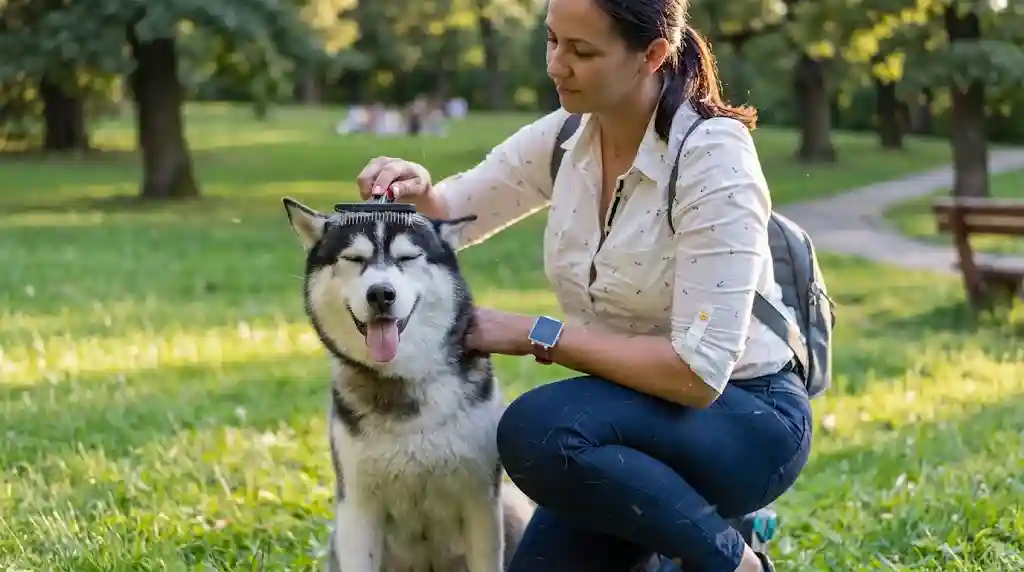
A healthy coat starts from within, making proper nutrition a cornerstone of autumn grooming. A balanced diet rich in high-quality animal proteins is essential, as fur is primarily composed of keratin, a protein. Adequate protein intake ensures the body has the necessary amino acids to grow a strong, healthy new coat. For a complete nutrition overview, see this ultimate pet nutrition guide.
Key nutrients that support skin and coat health include:
- Omega-3 and Omega-6 Fatty Acids: Found in fish oil, salmon, and certain vegetable oils, these essential fatty acids strengthen the skin barrier, reduce skin dryness, and contribute to a shiny, strong coat.
- B Vitamins (especially Biotin): Biotin (Vitamin H or B7) is crucial for healthy skin and coats. Deficiencies can lead to hair loss and skin irritation. Eggs are a valuable source.
- Vitamins A and E: These vitamins contribute to skin health and coat shine. Vitamin A helps repair cell damage, while Vitamin E is key to healthy skin and hair.
- Zinc: Supports skin health and shiny hair.
Hydration is also critical, even as temperatures drop. Dogs may drink less water in cooler weather, so ensuring they have access to fresh water and considering wet food or a mixed diet can help maintain optimal hydration, which benefits coat health. For dogs with sensitive stomachs, this guide to the best dry dog food for sensitive stomachs can help.
| Grooming Tool | Best For | Key Benefit | Autumn Shedding Focus |
|---|---|---|---|
| Undercoat Rake | Double-Coated Breeds (Huskies, Shepherds, Retrievers) | Reaches deep to remove loose undercoat without damaging topcoat. | Removes bulk of shed undercoat. |
| Slicker Brush | Long, Curly, Fluffy Coats (Poodles, Doodles) | Removes surface tangles, mats, and loose topcoat hair. | Maintains overall coat, prevents surface mats. |
| Rubber Grooming Brush / Mitt | Short-Haired Breeds (Pugs, Labradors) & Bathing | Gentle massage, loosens dead hair, distributes oils, good for sensitive skin. | Daily maintenance, enhances shampoo effectiveness. |
| Metal Comb | All Coat Types (Finishing, Detangling) | Checks for missed tangles, removes fine loose hairs, gentle on sensitive skin. | Detailed work in problem areas (ears, paws), ensures thoroughness. |
The Hidden Danger: Grass Seeds and Dog Paws
While managing shedding is a seasonal chore, autumn also brings a less obvious but potentially more dangerous threat: grass seeds. These small, innocuous-looking seeds can cause significant pain and health problems if they become embedded in your dog’s paws or elsewhere on their body.
Identifying Grass Seed Problems
Grass seeds are particularly problematic because of their pointed, barbed structure, which allows them to easily catch in fur and burrow into the skin, but prevents them from easily backing out. Once they pierce the skin, they can migrate deeper into tissues, leading to inflammation, infection, abscesses, or even more severe complications like septicemia if an infection spreads.
Grass seeds commonly get stuck between a dog’s toes, around their paw pads, and in the “feathery” fur surrounding the feet. Dogs with longer hair around their feet or those who frequently run through tall grass are particularly susceptible.
Key signs that your dog might have an embedded grass seed include:
- Excessive Licking or Nibbling: Persistent attention to one paw, rather than a brief clean, can indicate irritation or a foreign body.
- Limping or Holding Up a Paw: Avoiding weight on one foot, or sudden lameness, often signals pain or discomfort.
- Redness, Heat, or Swelling: A small lump or swelling between the toes or on the paw is a common sign of an embedded seed and subsequent inflammation or infection. For more on skin infections, see this guide on dog skin infections.
- A Puncture, Scab, or Non-Healing Wound: An entry point, sometimes with discharge or pus, that doesn’t heal.
- Other Symptoms: If a grass seed enters other areas, symptoms vary: head shaking or scratching at an ear (ear), squinting or watery eye (eye), repeated sneezing (nose), or a non-healing sore elsewhere on the body. Vague symptoms like low energy or an intermittent high temperature can occur if a seed travels within the body.
Step-by-Step Guide to Removing Grass Seeds
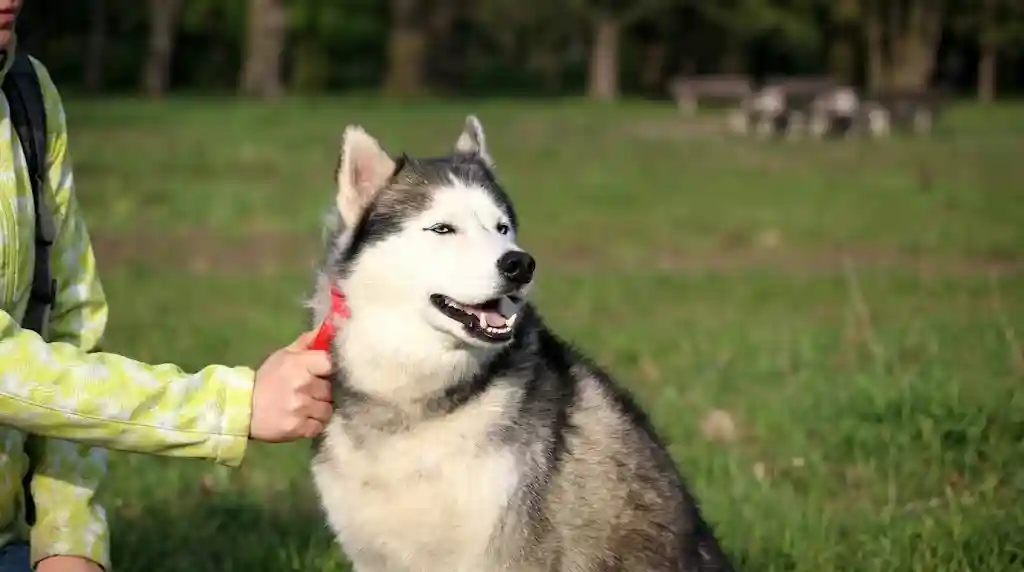
Home removal of grass seeds should only be attempted if the seed is completely loose on the surface of the fur and has not pierced the skin, and only if your dog is calm and allows you to handle their paw safely. If there is any resistance, puncture, bleeding, swelling, discharge, or marked pain, or if you cannot clearly see the entire seed, do NOT attempt removal yourself. Seek veterinary attention immediately.
For Surface Seeds (Use with extreme caution and only if conditions above are met):
- Gather Your Tools: You will need good lighting, a magnifying glass (optional), a clean pair of fine-tipped tweezers, and antiseptic solution (like chlorhexidine).
- Inspect the Paw: Gently spread your dog’s toes and meticulously check between the pads and in the surrounding fur. Look for any visible seeds.
- Gentle Removal: If you locate a seed that is clearly on the surface and not embedded, grasp it firmly but gently at its base with the tweezers, as close to the skin as possible. Pull it out slowly and steadily in the direction of hair growth.
- Aftercare: Once removed, apply a small amount of antiseptic solution to the area to clean it and help prevent infection.
- Monitor: Keep a close eye on the area for the next few days for any signs of swelling, redness, discharge, or continued licking. If any of these occur, contact your vet.
When to Contact Your Vet: It is critical to contact your veterinarian if you suspect a grass seed has become embedded in your dog’s skin, rather than simply caught in their coat. This includes any instance of the seed having pierced or disappeared beneath the skin, presence of an interdigital lump, heat, swelling, pus, or a wound that does not heal, your dog is in pain, will not let you touch the paw, or is limping, the suspected seed is in or near an eye, ear, or nose, or the depth of penetration is unknown, the seed has broken, or symptoms persist.
Veterinarians have specialized tools (like “crocodile forceps” or otoscopes for ears) and techniques, including sedation or even surgery, to safely locate and remove embedded seeds. Grass seeds are vegetable matter, making them invisible on X-rays, so their exact location can be challenging to pinpoint without professional intervention.
Preventing Grass Seed Infiltration
Prevention is always the best strategy when it comes to grass seeds. Here are crucial preventative measures:
- Inspect After Every Walk: Thoroughly check your dog’s fur, especially paws, ears, armpits, groin, and around the tail base, after every walk, particularly if you have been in areas with long grass.
- Trim Hair: Keep the hair around your dog’s ears and paws (especially between the toes and pads) clipped short. This minimizes the risk of seeds getting stuck and makes inspections easier. For a complete grooming routine, see this grooming schedule by coat type.
- Avoid Long Grass: Steer clear of areas with long, overgrown, or seeding grasses, especially during late spring and summer when seeds are most prevalent. Keep your own lawn well-maintained.
- Consider Protective Gear: For dogs highly prone to grass seed problems or for walks in high-risk areas, protective booties can offer a physical barrier. For anxious dogs during grooming or boot training, this guide on dog grooming tips for anxious dogs can be very helpful.
By implementing these preventative steps, you can significantly reduce the risk of your dog suffering from painful grass seed issues. To learn more about veterinary practices and common pet health issues, you can consult reliable resources such as the American Kennel Club (AKC), which provides comprehensive articles on animal health.
Other Autumnal Canine Concerns
Beyond shedding and grass seeds, autumn presents several other considerations for your dog’s well-being:
- Toxic Plants and Fungi: Autumnal walks can expose dogs to hazards like acorns, conkers (horse chestnuts), and various wild mushrooms, all of which can be toxic if ingested, causing symptoms ranging from gastrointestinal upset to severe organ damage. Always be vigilant about what your dog sniffs or attempts to eat.
- Parasites: Ticks remain active well into autumn, especially in milder climates, and harvest mites are also a concern. Continue your parasite prevention regimen and check your dog thoroughly after outdoor activities.
- Darker Evenings: As daylight hours shorten, walks often occur in dimmer light. Ensure your dog is visible by using reflective collars, harnesses, leashes, or vests, and consider wearing reflective gear yourself.
- Seasonal Canine Illness (SCI): While the exact cause is unknown, SCI is a rare but serious condition that typically occurs in autumn, often after walking in woodland areas. Symptoms include vomiting, diarrhea, lethargy, and muscle tremors. Seek immediate veterinary attention if you suspect SCI. If your dog develops diarrhea, see this comprehensive guide on dog diarrhea.
- Fireworks and Loud Noises: Autumn often brings events like Bonfire Night. For many dogs, fireworks can be a significant source of stress and anxiety. Plan walks during daylight hours and create a safe, secure, and quiet space indoors during firework displays.
- Dry Skin and Allergies: Indoor heating can lead to dry air, affecting your dog’s skin. Autumnal allergens can also trigger skin irritation and excessive scratching. Moisturizing shampoos and conditioners can help, and a vet consultation is advisable for persistent issues. If your dog is itching excessively, this guide on why your dog is itching so much may be useful. For allergies, see this guide on dog allergies.
Conclusion
Autumn is a beautiful season, but it requires a proactive approach to dog care. Understanding the natural process of seasonal shedding allows you to implement an effective grooming routine involving frequent brushing with the right tools, appropriate bathing, and a diet that supports coat health. Equally important is protecting your dog from the unseen dangers of grass seeds, which can cause significant distress and require prompt veterinary intervention if embedded. By combining diligent grooming practices with careful environmental awareness and addressing other autumnal hazards, you can ensure your dog remains happy, healthy, and comfortable as they transition into the colder months. Regular vigilance and a proactive care routine will keep your furry friend thriving throughout the autumn season. For professional grooming help, this guide to the best local grooming services near you can point you in the right direction. And for a complete guide to grooming a double-coated dog, see this article on how to groom a double-coated dog at home. For puppies, this guide to the best puppy food for large breed puppies is a valuable resource. And if your dog is prone to excessive barking, this guide on how to stop excessive dog barking may be useful.