Dog Shedding: 7 Proven Causes and Effective Treatments for Excessive Hair Loss & Hot Spots
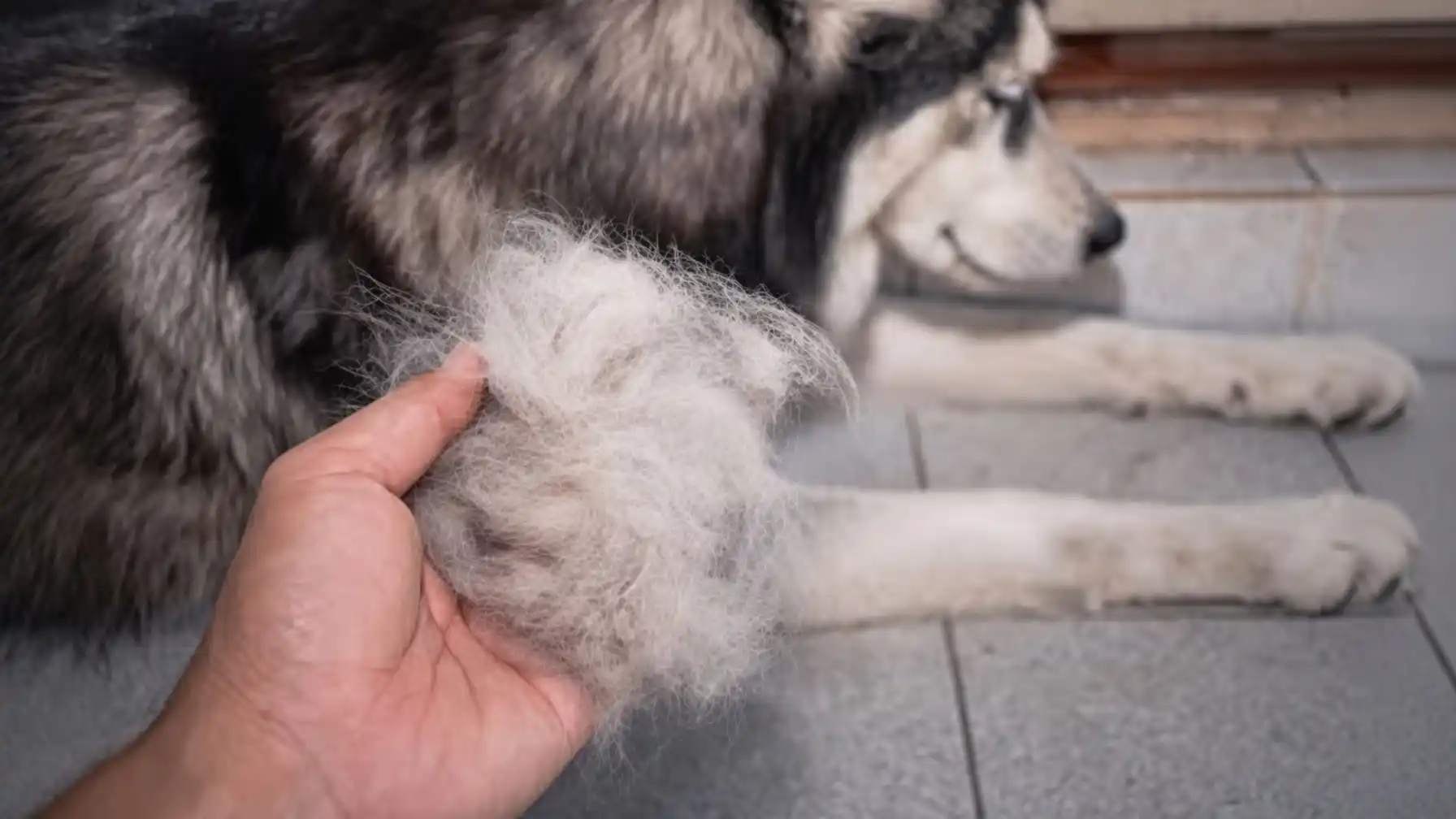
Table of Contents
Why is my dog shedding more than usual? This common concern echoes in the minds of many dog owners who find themselves constantly battling a flurry of fur. While dog shedding is a natural and necessary process for dogs, an sudden or dramatic increase in hair loss can be alarming and signal an underlying issue that requires attention. Coupled with this, another prevalent dermatological problem that often accompanies skin irritation, sometimes exacerbated by excessive dog shedding, is the dreaded “hot spot” – an acutely inflamed, moist, and often painful lesion on a dog’s skin. Understanding the root causes of both excessive dog shedding and the development of hot spots is crucial for maintaining your canine companion’s health and comfort. This comprehensive guide will delve into the various reasons behind unusual dog shedding, explain what hot spots are, and provide actionable home treatment strategies, alongside vital information on when professional veterinary intervention is necessary. Managing dog shedding effectively is a key part of pet ownership.
Excessive Shedding: Decoding the Common Causes Behind Your Dog’s Hair Loss
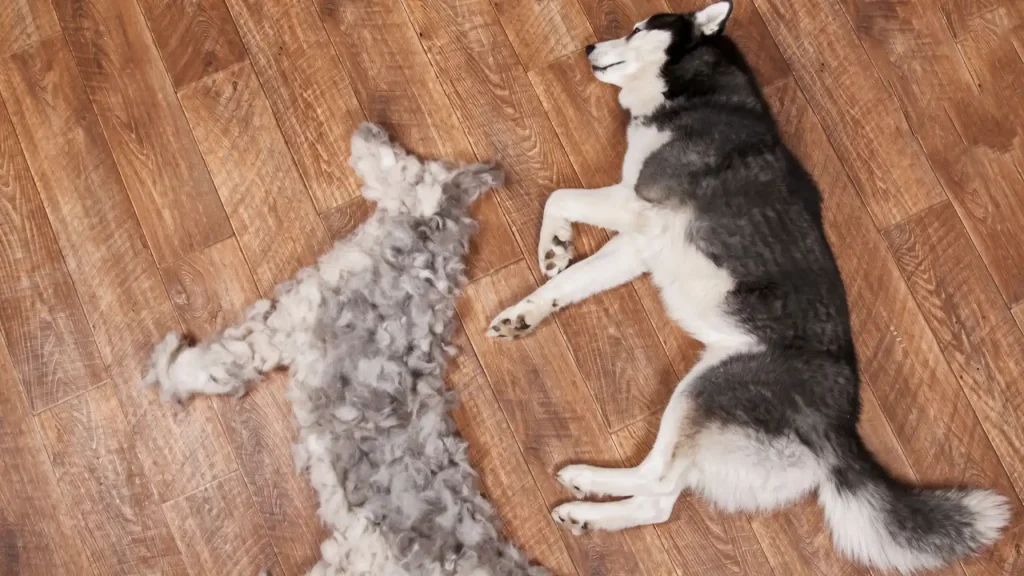
Normal dog shedding is a healthy biological process, allowing dogs to rid themselves of old or damaged hair and replace it with new growth. The extent of normal dog shedding varies greatly among breeds, with some, like Huskies and German Shepherds, known for their profuse dog shedding, while others, such as Poodles and Maltese, shed minimally. However, when dog shedding becomes noticeably heavier than usual, patchy, or accompanied by other symptoms, it’s time to investigate. Several factors can contribute to an uptick in your dog’s dog shedding.
Seasonal Changes
One of the most common reasons for increased dog shedding is seasonal change. Dogs often develop a thicker coat in winter for insulation and then “blow” their coat in the spring to prepare for warmer weather. This natural phenomenon, particularly noticeable in double-coated breeds, can result in significant hair loss over several weeks. This seasonal dog shedding is perfectly normal.
Dietary Deficiencies and Poor Nutrition
A dog’s coat is a direct reflection of their overall health, and a diet lacking essential nutrients can lead to dull, brittle fur and excessive dog shedding. High-quality dog food rich in omega-3 and omega-6 fatty acids, vitamins, and minerals is vital for a healthy coat. Deficiencies in these areas can weaken hair follicles, causing more hair to fall out. Proper nutrition is key to reducing dog shedding.
Stress and Anxiety
Just like humans, dogs can experience stress and anxiety, which can manifest physically. Stressful events such as moving to a new home, changes in routine, separation anxiety, or even loud noises can trigger increased dog shedding. The body’s stress response can affect hair follicle health, leading to premature hair loss. Stress-induced dog shedding is more common than many owners realize.
Allergies
Allergies are a common culprit behind skin irritation and excessive dog shedding. Dogs can suffer from environmental allergies (pollen, dust mites), food allergies (certain proteins), or contact allergies. These can cause intense itching, leading to scratching, licking, and biting, which in turn damages hair follicles and results in hair loss and potentially hot spots. If your dog’s dog shedding is accompanied by itching, allergies may be the cause.
Parasites: Fleas, Ticks, and Mites
External parasites are a significant cause of skin issues and dog shedding. Fleas, ticks, and various types of mites (e.g., Sarcoptic mange, Demodectic mange) can cause severe itching, skin inflammation, and irritation. The constant scratching and biting to relieve the itch can dislodge hair and lead to patchy hair loss, skin infections, and the development of hot spots. Regular parasite prevention is crucial for controlling dog shedding. If your dog is excessively itchy, check out our article on why is my dog itching so much for more insights.
Underlying Medical Conditions
Sometimes, increased dog shedding can be a symptom of a more serious health problem. Conditions such as thyroid imbalances (hypothyroidism), Cushing’s disease, fungal infections (ringworm), bacterial skin infections, or even kidney and liver diseases can all impact a dog’s coat health and lead to excessive hair loss. If dog shedding is accompanied by other symptoms like lethargy, changes in appetite or thirst, weight changes, or skin lesions, a veterinary visit is essential. You can learn more about dog skin infection a comprehensive guide for deeper understanding.
Poor Grooming Habits
Infrequent or improper grooming can also contribute to dog shedding. Regular brushing helps remove loose hair, prevents matting, and stimulates blood circulation to the skin, promoting healthy hair growth. Neglecting grooming can lead to an accumulation of dead hair that then sheds more profusely. A proper dog grooming tips a comprehensive guide can help you manage dog shedding effectively.
Understanding Dog Hot Spots: What They Are and Why They Occur
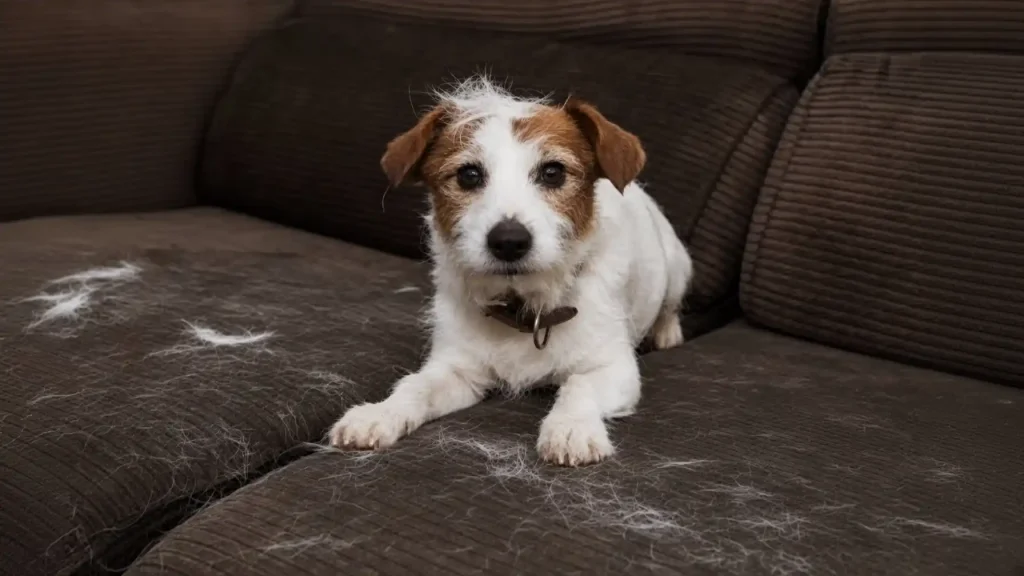
Hot spots, medically known as acute moist dermatitis or pyotraumatic dermatitis, are localized areas of skin inflammation and infection that appear suddenly and can spread rapidly. They are characterized by redness, oozing, itching, and pain, often appearing as wet, raw, and hairless patches. These lesions are typically caused by a dog’s incessant licking, chewing, or scratching at an irritated area of their skin. Excessive dog shedding can sometimes precede or accompany hot spots.
How Hot Spots Develop
The cycle of a hot spot usually begins with an initial irritant. This irritant causes the dog to start scratching, licking, or chewing the area. This self-trauma further irritates the skin, leading to a break in the skin barrier. Bacteria (often naturally present on the skin) can then invade, causing a localized infection. The moisture from licking and the inflammation create a perfect environment for bacterial growth, rapidly worsening the lesion. Dogs often feel compelled to continue licking or scratching due to the discomfort, creating a vicious cycle that makes the hot spot larger and more painful.
Common Triggers for Hot Spots
Allergies: Environmental, food, or flea allergies can cause intense itching, prompting dogs to scratch and lick excessively, which can quickly lead to hot spots. For more information on skin conditions, our article on dog allergy understanding and managing provides comprehensive information.
Parasites: Flea bites, tick bites, or mite infestations are powerful irritants that can initiate the scratching and licking cycle.
Moisture Trapped in Fur: Dampness from swimming, bathing, or even humid weather, especially in dogs with thick coats, can create a breeding ground for bacteria and irritate the skin.
Poor Grooming: Matted fur can pull on the skin, cause irritation, and trap moisture and debris, setting the stage for hot spots.
Ear Infections: Dogs with painful ear infections may scratch at their ears and the surrounding facial area, leading to hot spots on the cheeks or neck.
Anal Gland Issues: Irritated or impacted anal glands can cause a dog to lick at their hindquarters, potentially leading to hot spots on their tail or rump.
Boredom or Stress: Some dogs may resort to excessive licking as a self-soothing mechanism when bored, anxious, or stressed, leading to skin irritation.
| Problem Area | Common Causes | Potential Solutions/Actions |
|---|---|---|
| Excessive Dog Shedding | Seasonal changes, Poor diet, Stress/Anxiety, Allergies, Parasites, Underlying medical conditions, Inadequate grooming | Regular brushing, High-quality diet, Flea/tick prevention, Stress reduction, Veterinary check-up for persistent issues |
| Dog Hot Spots | Allergies, Parasites, Trapped moisture, Poor grooming, Ear infections, Anal gland issues, Boredom/Stress, Initial skin irritation | Clean and dry the area, Trim fur, Apply antiseptic, Use E-collar, Identify and address underlying cause, Veterinary consultation for severe cases |
Effective Home Treatment Strategies for Dog Hot Spots
When you discover a hot spot on your dog, prompt action can prevent it from worsening. While home treatments can be effective for mild cases, it’s crucial to recognize when professional veterinary care is needed. For minor hot spots, follow these steps:
Prepare the Area
The first and most important step is to carefully trim the hair around the hot spot. This allows air to reach the lesion, helps it dry out, and makes it easier to clean and apply treatments. Use blunt-nosed scissors or electric clippers with caution to avoid further irritating the skin. The trimmed area should extend at least an inch beyond the visible lesion to ensure all affected skin is exposed.
Gentle Cleaning
Once the area is trimmed, gently clean the hot spot with an antiseptic solution. A diluted solution of povidone-iodine (Betadine, diluted to a weak tea color with water) or chlorhexidine (available as veterinary wipes or solutions) can be very effective. Dab the area with cotton balls or a soft cloth, removing any crusts, pus, or debris. Avoid harsh scrubbing, which can cause more pain and irritation. Repeat this cleaning several times a day.
Topical Treatments and Soothing Agents
After cleaning and drying the area, you can apply certain topical treatments to help soothe the skin and promote healing:
Veterinary-approved Topical Sprays/Creams: Your vet might recommend an over-the-counter hydrocortisone spray or cream to reduce inflammation and itching, or an antibiotic ointment if there’s a superficial infection.
Aloe Vera: Pure aloe vera gel (ensure it’s not mixed with other potentially irritating ingredients) can have soothing and anti-inflammatory properties. Apply a thin layer to the hot spot.
Witch Hazel: A natural astringent, witch hazel can help dry out the hot spot and reduce inflammation. Apply with a cotton ball.
Colloidal Oatmeal: A paste made from colloidal oatmeal mixed with a little water can be applied to soothe the irritated skin. This is particularly good for reducing itchiness.
Always ensure any product you use is safe for dogs and won’t cause further irritation if ingested through licking. Some sources, like Wikipedia, offer general information on dermatitis, but for specific canine applications, always refer to veterinary guidance.
Preventing Further Licking and Scratching
This is a critical step. If your dog continues to lick or scratch the hot spot, it will never heal and will likely worsen. An Elizabethan collar (E-collar or “cone of shame”) is often necessary to prevent your dog from reaching the affected area. Ensure the cone fits properly and your dog can still eat, drink, and move comfortably. In some cases, bandages may be used, but only if they allow the hot spot to breathe and don’t trap moisture, which can exacerbate the problem.
Prevention is Key: Reducing Shedding and Hot Spot Occurrence
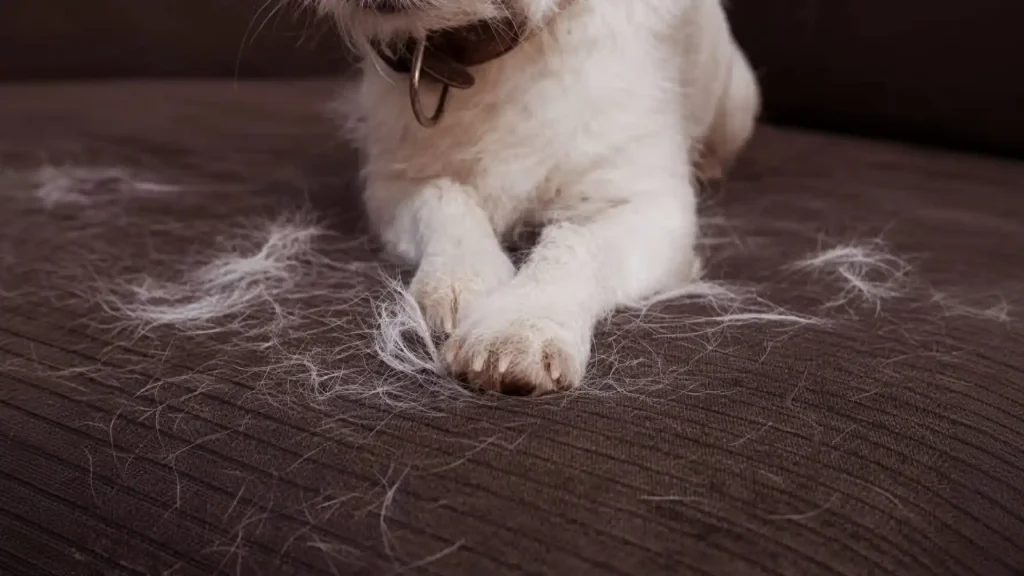
Proactive care is the best defense against excessive dog shedding and the development of hot spots. By addressing potential triggers, you can significantly reduce the chances of your dog experiencing these frustrating issues.
Optimal Nutrition for Coat Health
Feeding your dog a high-quality, balanced diet is fundamental for a healthy coat and skin. Look for dog foods that list meat as the primary ingredient and are fortified with omega-3 and omega-6 fatty acids (like fish oil or flaxseed oil), which are crucial for skin barrier function and coat luster. Some dogs may benefit from supplements, but consult your veterinarian before adding any to your dog’s diet. Proper nutrition is essential for managing dog shedding.
Regular Grooming Practices
Consistent grooming is vital for managing dog shedding and preventing hot spots. Regular brushing helps remove loose hair, distribute natural skin oils, and prevent mats that can trap moisture and irritate the skin. The frequency of brushing depends on your dog’s coat type; long-haired and double-coated breeds may require daily brushing, while short-haired breeds might only need it once or twice a week. Regular bathing with a mild, dog-specific shampoo can also help remove loose hair and keep the skin clean. Always ensure your dog’s coat is thoroughly dried after bathing, especially for breeds with thick fur. To ensure you’re using the best products, see our recommendations for the best dog shampoo for itchy skin .
Effective Flea and Tick Prevention
Given that parasites are a major trigger for both dog shedding and hot spots, a consistent and effective flea and tick prevention program is non-negotiable. Discuss with your veterinarian the best topical, oral, or collar-based prevention options for your dog, and adhere strictly to the recommended schedule.
Managing Allergies
If your dog suffers from allergies, working with your vet to manage them is crucial. This might involve identifying and avoiding allergens, using antihistamines, prescribed allergy medications, or immunotherapy. Controlling the underlying allergic response can significantly reduce itching and thereby prevent hot spots and excessive dog shedding.
Environmental and Stress Reduction
Minimizing stress and anxiety in your dog’s life can help reduce stress-induced dog shedding and self-licking behaviors that lead to hot spots. Provide a consistent routine, adequate exercise, mental stimulation through toys and training, and a comfortable, secure environment. Consider calming aids or professional behaviorist advice for highly anxious dogs. For foundational training advice that can help build trust, you might find our guide on easy commands every puppy should learn very useful.
Maintaining a Clean Environment
Regularly vacuuming your home, especially areas where your dog spends a lot of time, can help reduce environmental allergens and loose fur. Keeping your dog’s bedding clean and dry also contributes to overall skin health and reduces the presence of potential irritants.
When to Consult a Veterinarian for Shedding and Hot Spots
While some cases of increased dog shedding and mild hot spots can be managed at home, it’s vital to know when veterinary intervention is necessary. Ignoring severe or persistent symptoms can lead to worsening conditions and prolonged discomfort for your dog.
For Excessive Dog Shedding:
Persistent or Severe Dog Shedding: If the excessive dog shedding continues for an extended period beyond typical seasonal changes, or if your dog is losing large clumps of hair, revealing bald patches.
Skin Changes: If the dog shedding is accompanied by redness, irritation, sores, scabs, dandruff, or unusual odor on the skin.
Other Symptoms: If your dog exhibits other signs of illness, such as lethargy, changes in appetite or thirst, weight loss or gain, vomiting, or diarrhea. These can indicate an underlying medical condition.
Itching or Discomfort: If your dog is constantly scratching, licking, or biting themselves due to the dog shedding, as this could indicate allergies or parasites.
For Hot Spots:
Large or Rapidly Spreading Hot Spots: If the hot spot is large (more than an inch or two in diameter), rapidly expanding, or your dog is in significant pain.
Signs of Deep Infection: If the hot spot shows signs of deeper infection, such as pus, fever, severe swelling, or if the dog is lethargic.
No Improvement with Home Treatment: If home treatments do not show improvement within 24-48 hours, or if the condition worsens.
Recurrent Hot Spots: If your dog frequently develops hot spots, as this suggests an unaddressed underlying cause that needs professional diagnosis and management.
Location of Hot Spot: If the hot spot is on the face, near the eyes, or in sensitive areas, it’s often best to seek veterinary advice.
A veterinarian can perform a thorough examination, including skin scrapings, blood tests, or allergy testing, to accurately diagnose the cause of the dog shedding or hot spot and prescribe appropriate medication, such as antibiotics, anti-inflammatory drugs, or specialized shampoos. Early intervention can prevent minor issues from becoming severe and complicated. For more help finding professional services, our guide on pet groomers near me can help you find the right support.
Conclusion
Understanding why your dog is shedding more than usual and how to address dog hot spots effectively are essential aspects of responsible pet ownership. While normal dog shedding is part of a healthy dog’s life, a sudden increase or the development of raw, irritated skin patches should always prompt investigation. From dietary adjustments and consistent grooming to diligent parasite prevention and stress management, many proactive steps can be taken at home to promote your dog’s skin and coat health. However, never hesitate to seek professional veterinary advice when symptoms are severe, persistent, or accompanied by other signs of illness. By being observant and taking timely action, you can help ensure your beloved canine companion remains comfortable, healthy, and happy, with a lustrous coat to boot. If you’re just starting out, our dog grooming checklist for first-time owners is a great resource to ensure you have everything you need. For related tips on managing behavior, you might also want to read our piece on how to stop excessive dog barking .
