Dandruff: 7 Proven Causes Why Your Dog Smells Bad After a Bath & Effective Treatments
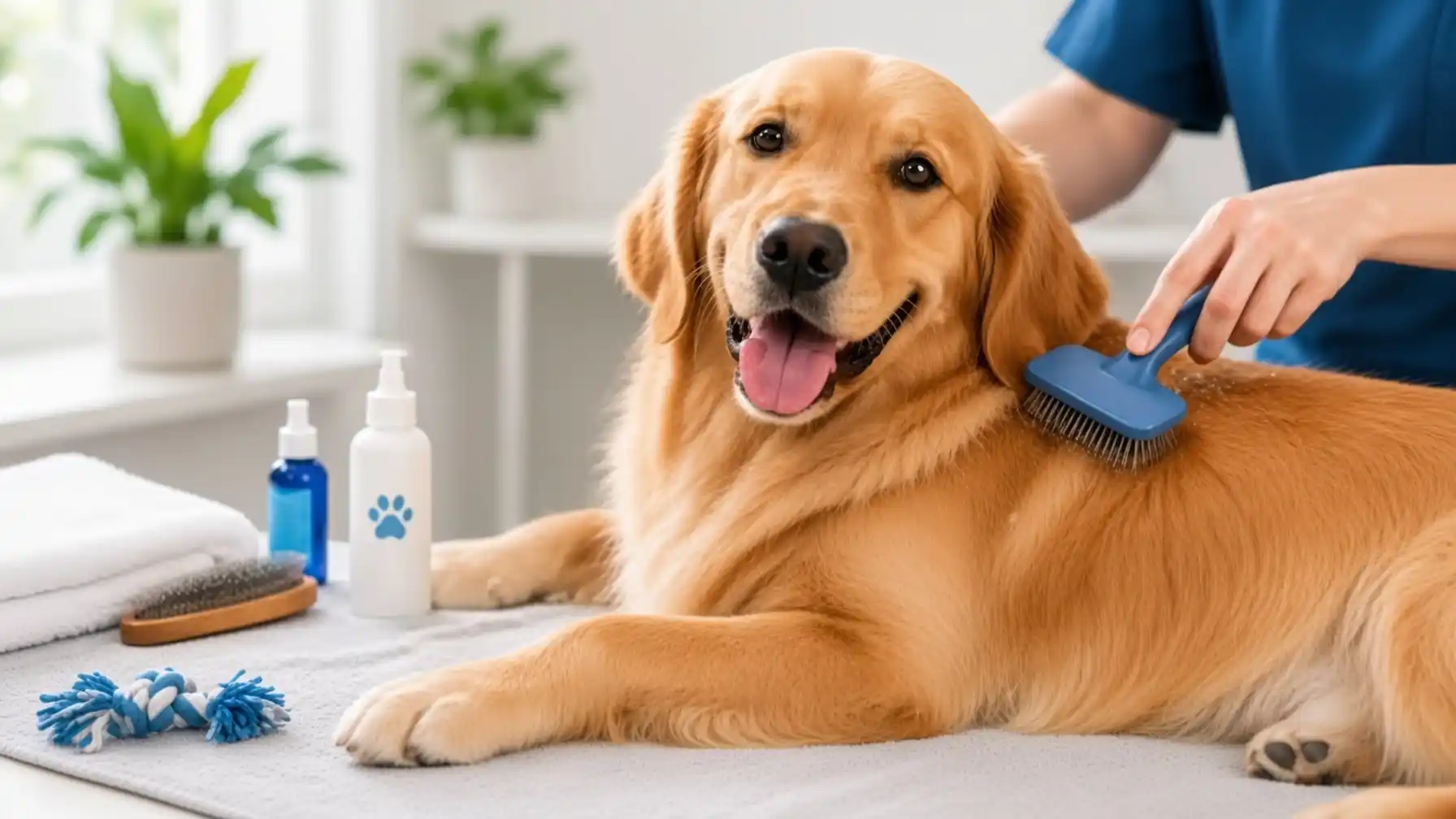
Table of Contents
Why does my dog smell bad after a bath? Learn how Dandruff can contribute to persistent dog odor, along with common causes, effective treatments, and practical tips to keep your dog’s skin and coat healthy and fresh. While a mild “doggy odor” is normal, a foul, sour, yeasty, or fishy smell that lingers or quickly returns after a bath often signals an underlying issue that goes beyond simple dirt. This comprehensive guide will explore the various reasons your dog might still smell bad post-bath, delve into the causes and treatments of dog dandruff, and provide actionable advice to help your canine companion smell fresh and feel comfortable. Understanding how dandruff affects your dog’s overall health is essential for every pet owner.
The Puzzling Post-Bath Stink: More Than Just “Wet Dog” Smell
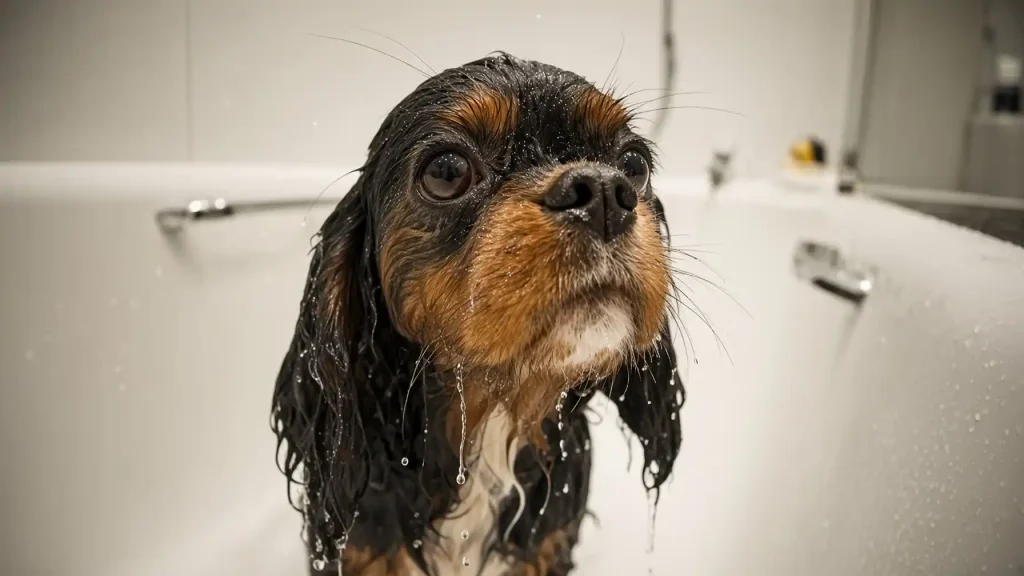
The familiar “wet dog” smell, often attributed to volatile organic compounds released as moisture evaporates from fur, is one thing. However, when an offensive odor persists, or even intensifies, after a bath, it’s a clear indication that something more profound is at play. This isn’t just about surface dirt; it’s about the complex interplay of your dog’s skin microbiome, environmental factors, and potentially, underlying health conditions. Dandruff is often a key indicator of these underlying issues.
Microorganisms like yeast and bacteria naturally live on your dog’s fur and skin. When the fur is dry, their presence is largely undetectable by smell. But water can cause the release of these odorous compounds, and if moisture remains trapped, it creates an ideal breeding ground for these microbes, amplifying existing odors. Understanding this distinction between a normal, transient wet dog smell and a persistent, foul odor is the first step towards effectively addressing the problem. Dandruff can make these odors even more pronounced.
Common Reasons Your Dog Still Smells Bad After a Bath
Several factors can contribute to a lingering stench even after a thorough scrubbing. These range from improper bathing techniques to serious medical conditions that require veterinary attention. Dandruff is often a symptom that accompanies these issues.
Inadequate Drying: The Moisture Trap
One of the most common culprits behind post-bath odor is simply not drying your dog thoroughly enough. Damp fur creates a warm, moist environment where bacteria and fungi can thrive, leading to an unpleasant smell. This is particularly true for dogs with dense coats or skin folds, where moisture can easily become trapped. The longer the fur stays damp, the more opportunity these odor-causing microbes have to multiply. This trapped moisture can also exacerbate existing skin issues like dandruff.
Shampoo Residue and Improper Products
Leaving shampoo or conditioner residue on your dog’s coat is another frequent cause of post-bath stink. This residue can react with natural skin oils, leading to a sour or stale smell within hours. Furthermore, using human shampoos, dish soap, or harshly fragranced products can disrupt your dog’s skin pH balance and strip away essential natural oils, leading to irritation and an odd smell. It’s crucial to use dog-specific shampoos formulated for your pet’s skin and coat type. To ensure you’re using the best products, see our recommendations for the best dog shampoo for itchy skin . Using the wrong shampoo can worsen dandruff.
Underlying Skin Infections: Yeast and Bacteria
Skin infections, whether bacterial (pyoderma) or yeast (Malassezia dermatitis), are a very common cause of persistent, foul odors. These infections often occur secondary to allergic skin disease, where constant itching and scratching compromise the skin barrier. Dandruff is frequently seen alongside these infections.
Yeast Infections: Often described as a musty, “corn chip,” or sweet bread smell, yeast overgrowth thrives in warm, moist areas like paws, ears, armpits, groin, and skin folds. The skin may also appear red, greasy, thickened, or discolored. Dandruff can be a symptom of yeast overgrowth.
Bacterial Infections: These can produce a more foul, sour, or rancid odor. Symptoms might include red pimples, patches, itching, and hair loss. If left untreated, bacterial infections can lead to deeper skin involvement and pus-filled nodules. You can learn more about dog skin infection a comprehensive guide for deeper understanding. Dandruff often accompanies bacterial infections.
Ear Infections
An ear infection will not be resolved by bathing, and the strong, often yeasty or foul, smell can spread to the surrounding fur. Signs of an ear infection include head shaking, ear scratching, redness or swelling of the ear canal, and discharge or debris in the ear. Dandruff around the ears can also be a concern.
Anal Gland Issues
Dogs have two small anal sacs near their rectum that release a distinct, fishy-smelling liquid. If these glands become impacted or infected, they can leak, producing a strong, unpleasant odor that bathing won’t eliminate. You might also notice your dog licking their rear end excessively or scooting on the floor.
Dental Disease
Bad breath (halitosis) resulting from dental disease can sometimes be mistaken for general body odor. Plaque and tartar buildup create an environment for bacteria to flourish, leading to gum irritation and infections. This can cause a persistent smell that won’t go away with a bath. For a more detailed approach, you can read our complete guide on dog dental care at home .
Understanding Dog Dandruff: Causes and Symptoms
Dandruff in dogs, also known as seborrhea, manifests as flaky, white particles in their coat, similar to human dandruff. It’s often accompanied by a greasy coat and an unpleasant smell. Dandruff isn’t just a cosmetic issue; it’s a sign of unhealthy skin and can stem from various causes. Understanding dog dandruff is crucial for maintaining your pet’s health.
Dry Skin and Environmental Factors
Just like humans, dogs can suffer from dry skin, leading to flakiness and dandruff. This can be caused by changes in weather, indoor heating, or even bathing too frequently with harsh shampoos that strip the skin of its natural oils. Excessive bathing, particularly with strong cleaning products, can remove the protective natural oils, leading to irritation, dry skin, and dull coat, exacerbating dandruff and odor.
Nutritional Deficiencies
A poor diet lacking essential fatty acids, such as omega-3 and omega-6, can significantly impact skin and coat health, leading to dry skin, a dull coat, brittle hair, and dandruff. These fatty acids are vital for maintaining skin hydration and the skin’s barrier function. If your dog has persistent dandruff, diet could be a factor.
Allergies and Parasites
Allergies (food, environmental, or flea) are a common underlying cause of skin problems in dogs, including dandruff. Allergic reactions can lead to itchy, inflamed skin, which encourages scratching and licking, damaging the skin barrier and making it prone to flaking and secondary infections. Parasite infestations, such as mites (mange) or fleas, can also cause intense itching, irritation, and subsequent dandruff. If your dog is excessively itchy, check out our article on why is my dog itching so much for more insights. For more information on skin conditions, our article on dog allergy understanding and managing provides comprehensive information. Allergies are a major cause of dandruff.
Seborrhea
Seborrhea is a skin disorder that results in excessive scaling and greasiness of the skin. It can be primary, often breed-specific and genetic, or secondary, caused by other underlying diseases. Secondary seborrhea can be triggered by hormonal changes, allergies, infections (bacterial, fungal, or parasitic), poor diet, obesity, and environmental factors. The skin can be dry and flaky or oily and greasy, and it often appears worse in skin folds. Seborrhea is a medical term for severe dandruff.
Underlying Health Conditions
Dandruff can sometimes be a symptom of more serious underlying health issues, such as hormonal imbalances (e.g., hypothyroidism), systemic diseases like kidney disease, or even certain tumors. If dandruff persists despite home care, or is accompanied by other symptoms like lethargy, changes in appetite, or excessive scratching, a veterinary visit is crucial. Persistent dandruff should never be ignored.
Treating and Preventing Bad Odor and Dandruff
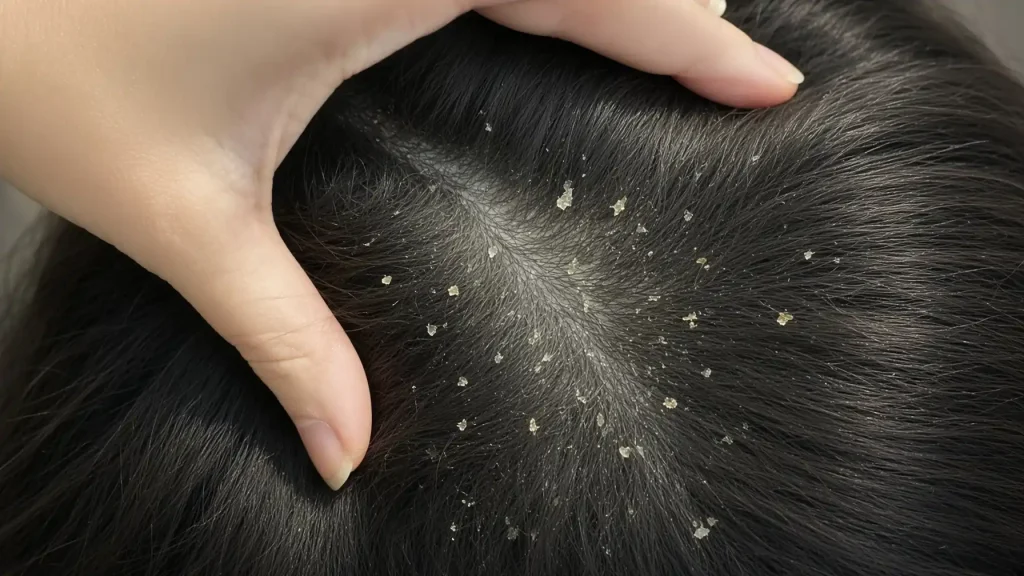
Addressing both bad odor and dandruff often involves a multi-faceted approach, combining proper grooming with targeted treatments and lifestyle adjustments. Here’s how to keep your dog smelling fresh and their skin healthy. Treating dandruff requires a comprehensive strategy.
| Issue Type | Common Symptoms | Typical Odor Profile | Initial Actions & Prevention |
|---|---|---|---|
| Poor Drying / Shampoo Residue | Lingering dampness, tacky fur, quick return of “stale” smell. | Sour, stale, amplified “wet dog” smell. | Thorough drying post-bath (towels, dog dryer). Rinse shampoo completely. Use dog-specific shampoo. |
| Yeast Infection | Musty, “corn chip” smell; red, greasy, thickened, or discolored skin; itching. Common in folds, paws, ears. | Musty, sweet, “corn chip” scent. | Medicated antifungal shampoos, wipes (vet-prescribed). Regular cleaning of skin folds/ears. |
| Bacterial Infection | Foul, sour, rancid smell; red pimples/patches, itching, hair loss. | Foul, sour, sometimes rotten smell. | Medicated antibacterial shampoos (vet-prescribed). Address underlying allergies. |
| Ear Infection | Head shaking, ear scratching, redness/swelling, discharge, debris. | Yeasty or foul smell from ears. | Regular ear cleaning with vet-approved solutions. Veterinary examination for treatment. |
| Anal Gland Issues | Fishy odor, scooting, excessive licking of rear. | Strong, fishy odor. | Veterinary expression of glands. Dietary fiber to promote natural expression. |
| Dental Disease | Bad breath, red gums, tartar buildup, difficulty eating. | Foul breath. | Regular brushing, dental chews, professional dental cleanings by vet. |
| Dandruff (Dry Skin/Seborrhea) | Flaky skin, greasy or dull coat, itching. | Can be mild or rancid (with oily seborrhea). | Moisturizing dog shampoo, proper nutrition (omega fatty acids), regular brushing, humidifier in dry climates. Address underlying causes. |
Proper Bathing Techniques and Product Selection
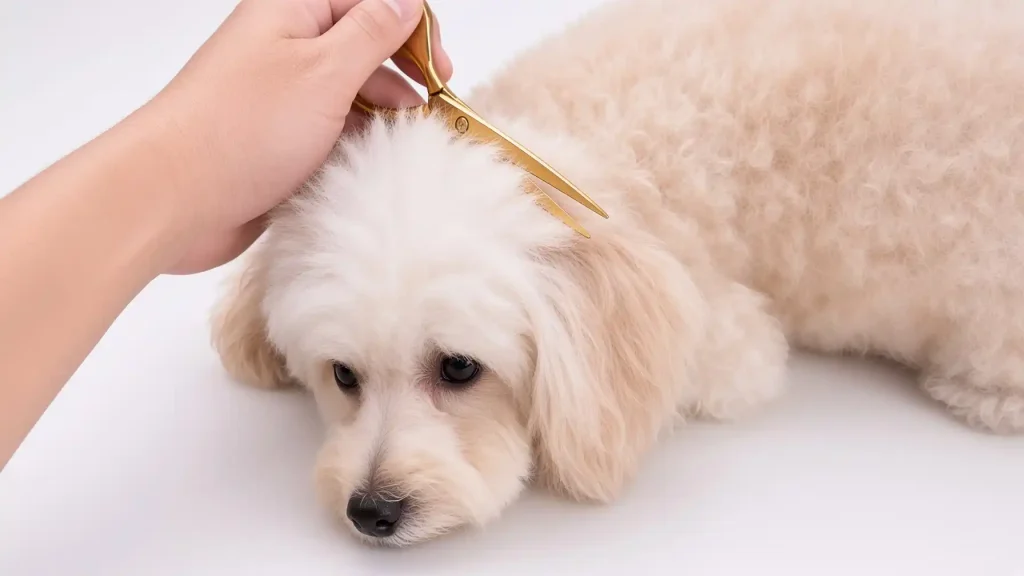
Using the right shampoo is paramount. Opt for dog-specific shampoos that are pH-balanced for canine skin. For dogs with sensitive skin or existing conditions, a medicated shampoo (antiseptic, antifungal) recommended by your vet can be highly effective in managing bacterial and yeast-related issues that cause odor and inflammation. Ensure you rinse your dog’s coat thoroughly to remove all shampoo and conditioner residue, as leftover product can cause irritation and odor. Lukewarm water is generally best. Avoid over-bathing, as this can strip natural oils, leading to dry skin and potentially worsening dandruff and odor. Proper bathing is essential for managing dandruff.
Thorough Drying is Key
After bathing, always dry your dog completely. Use absorbent towels and, if your dog tolerates it, a dog-specific blow dryer on a cool or low-heat setting. Pay extra attention to dense fur, underbelly, and skin folds where moisture can easily hide and fester. Proper drying prevents the proliferation of odor-causing bacteria and yeast. Incomplete drying can worsen dandruff.
Regular Grooming and Brushing
Consistent grooming, beyond just bathing, is essential for a healthy coat and skin. Regular brushing helps to distribute natural skin oils, remove loose fur and dead skin cells, and prevent mats that can trap dirt and moisture. For dogs with skin folds, daily cleaning with appropriate wipes can prevent moisture and debris buildup. Regular brushing also helps manage dandruff.
Diet and Supplements for Skin Health
A balanced, high-quality diet rich in essential fatty acids (omega-3 and omega-6) can significantly improve skin hydration and coat health, helping to prevent dry skin and dandruff. Many commercial dog foods contain these nutrients, but supplements can also be beneficial, especially for dogs with persistent skin issues. Always consult your veterinarian before introducing any new supplements to your dog’s diet. More information on the importance of nutrition for skin health can be found on reputable veterinary sites, such as Wikipedia’s article on dog health. A good diet is crucial for preventing dandruff.
Addressing Specific Medical Conditions
If the bad odor or dandruff is linked to underlying medical issues like skin infections, ear infections, anal gland problems, or dental disease, these conditions must be directly addressed. Your veterinarian can diagnose the specific problem and prescribe appropriate treatments, such as medicated shampoos, oral antibiotics, antifungals, ear cleansers, or dental procedures. Without treating the root cause, the dandruff and odor will likely return. For more help finding professional services, our guide on pet groomers near me can help you find the right support.
When to Consult Your Veterinarian
It’s important to seek veterinary attention if your dog’s odor or dandruff persists for more than a day or two after implementing good hygiene practices, or if it quickly returns. Other red flags that warrant a vet visit include:
- Red, irritated, or greasy skin
- Hair loss or bald spots
- Excessive scratching, chewing, or licking
- Headshaking or pawing at ears
- Scooting the rear end on the ground
- Visible debris or discharge in ears
- Swelling or drainage around the anus
- Changes in appetite or behavior
- Loose, fractured, or bleeding teeth
A veterinarian can perform diagnostics such as skin cytology (examining skin samples under a microscope) to identify the specific type of infection (yeast, bacterial, or mixed) and recommend the most effective course of treatment. Persistent dandruff always warrants a vet visit.
Conclusion
Why does my dog smell bad after a bath? The answer is rarely simple and often involves a combination of factors, from environmental influences and grooming habits to underlying medical conditions. Similarly, dog dandruff is a symptom of skin health issues that require attention. By understanding the common causes—inadequate drying, shampoo residue, skin infections, ear problems, anal gland issues, and dental disease for odor, and dry skin, nutritional deficiencies, allergies, parasites, and seborrhea for dandruff—you can take proactive steps to ensure your dog is healthy and happy. Implementing proper bathing techniques, thorough drying, regular grooming, and a balanced diet are crucial preventive measures. Most importantly, if a persistent foul smell or stubborn dandruff continues despite your best efforts, a visit to the veterinarian is essential. With professional diagnosis and treatment, your beloved companion can once again be a sweet-smelling, comfortable member of your family. If you’re just starting out, our dog grooming checklist for first-time owners is a great resource to ensure you have everything you need. You may also find our comprehensive dog grooming tips a comprehensive guide helpful for additional information. For foundational training advice that can help build trust during grooming, you might find our guide on easy commands every puppy should learn very useful.
