Raw Carrots for Dogs: 7 Safe Feeding Tips Every Owner Should Know
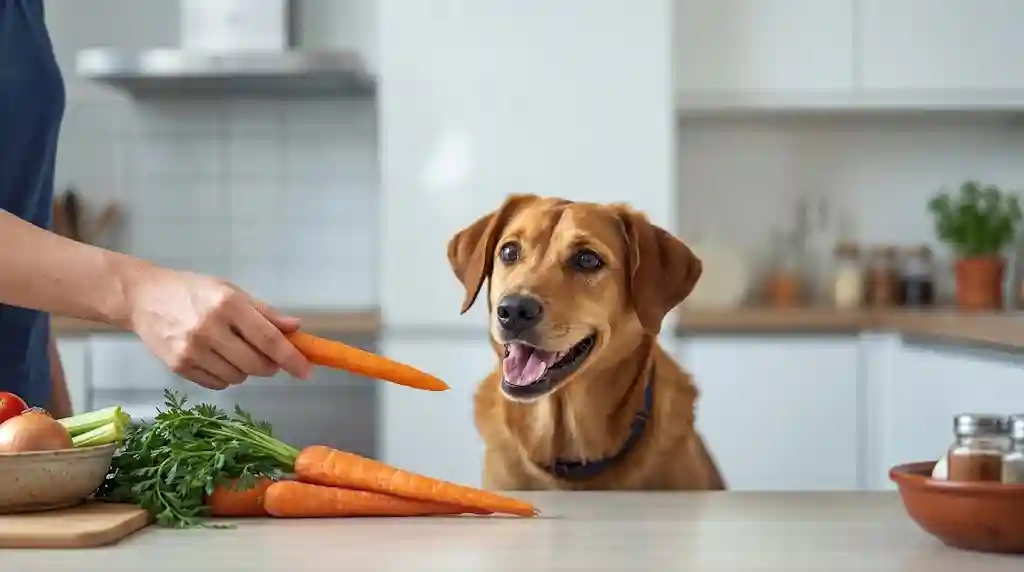
Table of Contents
Can dogs eat raw carrots with skin? This is a common query among pet parents seeking to enrich their furry friends’ diets with healthy, natural snacks. Carrots are celebrated for their vibrant color and crisp texture, making them an appealing vegetable for both humans and canines. Fortunately, the answer is overwhelmingly positive: yes, most dogs can safely enjoy carrots, whether raw or cooked, and even with the skin on, provided they are prepared and offered in moderation. This comprehensive guide will delve into the specifics of feeding carrots to your dog, covering everything from the safety of raw carrots with skin to appropriate daily portions and the benefits of cooked varieties.
Raw Carrots with Skin: A Crunchy, Nutritious Treat
Raw carrots are an excellent, low-calorie snack that many dogs adore for their satisfying crunch. Not only are they safe for dogs, but they also offer several benefits. The fibrous texture of raw carrots can act as a natural abrasive, helping to scrape away plaque and tartar buildup on your dog’s teeth, contributing to better dental hygiene. This makes them a more appealing and healthier alternative to many processed dental chews.
Regarding the skin, dogs can indeed eat raw carrots with their skin intact. Carrot peels are generally safe and contain some nutrients, though the majority of the carrot’s nutritional value lies within its flesh. The primary consideration when feeding carrots with skin is to ensure they are thoroughly washed to remove any dirt, bacteria, or pesticide residues. While some sources suggest peeling as optional if your dog has a sensitive stomach or finds the skin tough to digest, it’s typically not a necessity for most healthy dogs.
The key to safely offering raw carrots, with or without skin, is proper preparation. Large, whole carrots can pose a choking hazard, especially for smaller dogs or those that tend to gulp their food without adequate chewing. To mitigate this risk, it is crucial to cut raw carrots into small, bite-sized pieces, sticks, or half-moons. Avoid cutting them into round coin shapes, as these can easily become lodged in a dog’s throat. While larger breeds that are known to chew thoroughly might handle a whole raw carrot under close supervision, smaller, more manageable pieces are always the safest option for any dog. Introducing carrots slowly and observing your dog’s reaction is always a prudent approach.
A Nutritional Powerhouse: Benefits of Carrots for Dogs
Beyond being a tasty and satisfying treat, carrots are packed with essential nutrients that contribute to a dog’s overall health and well-being. These vibrant root vegetables are primarily known for their high concentration of beta-carotene, a powerful antioxidant that the body converts into Vitamin A. Vitamin A is vital for maintaining healthy vision, bolstering the immune system, and promoting healthy skin and a shiny coat. Many commercial dog foods already contain Vitamin A, so the addition of carrots provides a supplemental boost without typically causing an overload, provided they are fed in moderation. For a complete overview of canine nutrition, see this ultimate pet nutrition guide.
Carrots are also an excellent source of dietary fiber, which is crucial for a healthy digestive system. Fiber aids in promoting regular bowel movements and can help dogs feel full, making carrots an ideal snack for dogs on a weight management plan. Their high water content further contributes to hydration, especially on warmer days.
In addition to beta-carotene and fiber, carrots supply a range of other beneficial vitamins and minerals. These include Vitamin K, which supports blood clotting and bone metabolism; Vitamin C, an antioxidant that aids immune function; and various B vitamins like B6, important for protein metabolism and brain health. They also contain important minerals such as potassium, essential for muscle and nerve function, as well as smaller amounts of calcium, phosphorus, and magnesium for bone health. The low-calorie and low-fat nature of carrots makes them a guilt-free reward, perfect for training or as a general snack, reducing the risk of obesity and related health issues often associated with higher-calorie treats.
How Many Carrots Can a Dog Eat Daily? Understanding Safe Portions

While carrots are undeniably healthy, moderation remains the golden rule when incorporating any treat into your dog’s diet. As a general guideline, treats, including carrots, should never make up more than 10% of your dog’s total daily caloric intake. Exceeding this limit can lead to an imbalanced diet, potentially causing nutrient deficiencies or an excessive intake of certain elements like natural sugars, which can be problematic for dogs with conditions such as diabetes or those prone to weight gain.
The ideal portion size for carrots will vary depending on your dog’s size, age, activity level, and overall health. Here are some general recommendations:
| Dog Weight Category | Suggested Daily Amount of Carrots | Preparation Recommendation |
|---|---|---|
| Extra-Small/Toy (Under 10 lbs) | 1-2 small slices (about half a baby carrot) | Finely diced or steamed into very small, bite-sized pieces to prevent choking. |
| Small Breeds (10-25 lbs) | 1 baby carrot or a piece about an inch long | Sliced into rounds (avoiding coin shapes) or small sticks. |
| Medium Breeds (25-50 lbs) | 2-3 baby carrots or a few sticks (half to one whole carrot) | Sliced, cut into sticks, or offered as smaller chunks. |
| Large/Giant Breeds (50+ lbs) | 1 whole large carrot or several baby carrots | Can handle larger chunks, but still monitor to ensure thorough chewing. |
When introducing carrots, or any new food, start with a very small amount and closely observe your dog for any signs of digestive upset, such as gas or diarrhea. If your dog tolerates them well, you can gradually increase the quantity within the recommended limits. For puppies, frozen carrot sticks can also serve as a soothing aid for teething pain, provided they are appropriately sized to prevent choking. Always prioritize a complete and balanced commercial dog food as the primary source of nutrition, using carrots as a healthy supplemental treat. For dogs with sensitive stomachs, choosing the right food is also important; see this guide to the best dry dog food for sensitive stomachs.
Cooked Carrots Everyday: Benefits, Preparation, and Considerations
Yes, dogs can eat cooked carrots every day in small portions as part of a balanced diet, offering a softer alternative to raw carrots that can be particularly beneficial for certain dogs. Cooked carrots are generally easier for dogs to chew and digest, making them an excellent option for puppies with developing teeth, senior dogs with dental issues, or dogs with sensitive stomachs.
One significant advantage of cooking carrots is the increased bioavailability of beta-carotene. The cooking process breaks down the tough cellular walls of the carrot, making it easier for your dog’s body to absorb this vital precursor to Vitamin A. While some water-soluble vitamins like Vitamin C might be slightly reduced through cooking, the enhanced absorption of beta-carotene often outweighs this minor loss, especially if proper cooking methods are employed.
When preparing cooked carrots for your dog, it is crucial to keep them plain. Avoid adding any oils, butter, salt, or seasonings such as onions or garlic, as these can be harmful or toxic to dogs. The healthiest cooking methods include steaming, boiling, or roasting. Steam carrots until they are soft enough for a fork to pierce easily but not overly mushy, typically for 6-10 minutes for slices. Boiling takes slightly longer, around 8-12 minutes. Roasting plain carrots at 425°F for 20-30 minutes can also produce a palatable treat. Steaming and blanching are often preferred over boiling as they help retain more of the water-soluble vitamins. Always ensure the cooked carrots are cooled completely before serving to prevent burns.
Just like with raw carrots, cooked carrots should be cut into appropriate, bite-sized pieces to prevent choking. While softer, large chunks can still be swallowed too quickly, posing a risk. You can also mash cooked carrots and mix them into your dog’s regular food for an added nutritional boost and flavor. Remember that even cooked carrots, when fed daily, should adhere to the 10% treat rule to ensure a balanced diet. If your dog has diabetes, keep portions moderate, as cooked carrots might have a slightly higher glycemic effect compared to raw ones.
Preparing Carrots Safely for Your Canine Companion
Ensuring the safe preparation of carrots for your dog is paramount to prevent potential health issues. Whether opting for raw or cooked carrots, a few simple steps can make all the difference. The very first step for any carrot is thorough washing. Rinse carrots well under cool water to remove any lingering dirt, soil, or potential pesticide residues on the surface. This is especially important if you plan to feed the carrots with the skin on.
For raw carrots, the primary concern is the choking hazard. As mentioned, round slices should be avoided, as their shape can easily become lodged in a dog’s throat. Instead, cut carrots into short sticks, half-moons, or grate them. For smaller dogs and puppies, finely dicing the carrots is the safest approach. A good rule of thumb is to ensure the pieces are smaller than your dog’s windpipe. If you have a large dog that is a slow and deliberate chewer, a longer carrot stick or even a whole raw carrot might be acceptable under strict supervision, but bite-sized pieces remain the safest choice for all.
When cooking carrots, plain preparation is non-negotiable. Steaming or boiling are excellent methods. Steam carrots over boiling water for 6-10 minutes, or boil them gently for 8-12 minutes until they are tender when pierced with a fork but not mushy. Roasting is another good option; bake plain carrot pieces at 425°F for about 20-30 minutes. Crucially, do not add any salt, oil, butter, garlic, onions, or other seasonings. These additives can be detrimental to your dog’s health, with some, like onions and garlic, being toxic. Once cooked, allow the carrots to cool completely before offering them to your dog to prevent burns. After cooling, chop them into suitable, bite-sized portions for your dog’s mouth and eating style.
Carrots can be served in various ways: as a standalone crunchy treat, mixed into their regular kibble, or even used in homemade dog treat recipes (ensuring all ingredients are vet-reviewed and safe). Frozen carrot pieces can also be a refreshing and soothing treat, especially for teething puppies or during hot weather. Always introduce new foods slowly, giving your dog’s digestive system time to adjust, and monitor for any adverse reactions. For dogs with specific health conditions or those on prescription diets, consulting your veterinarian before introducing carrots or any new food is always recommended. If your dog has food allergies, this guide on dog allergies may be helpful.
Potential Risks and Precautions When Feeding Carrots
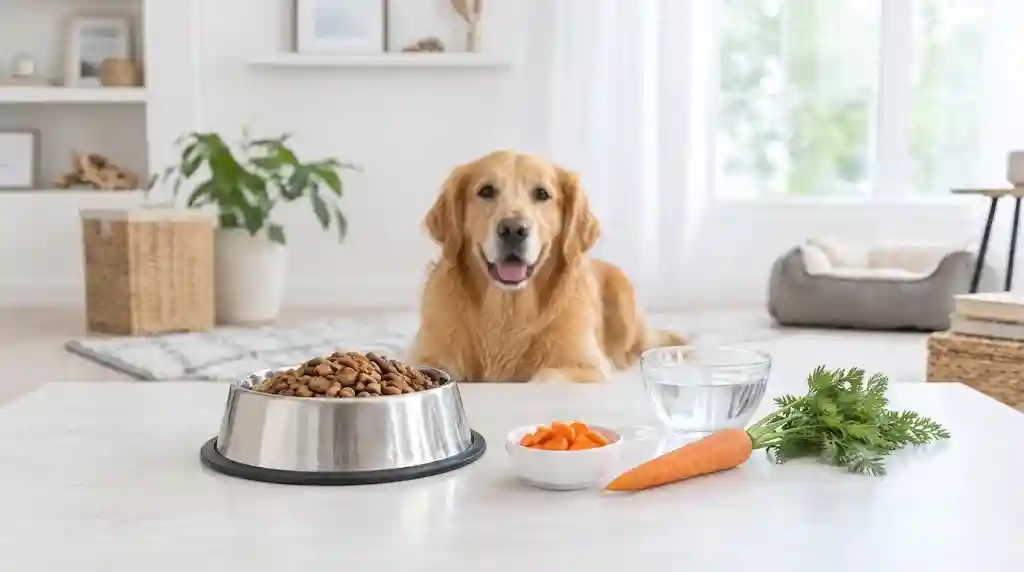
While carrots are largely a safe and beneficial snack for dogs, there are several potential risks and precautions that pet owners should be aware of to ensure their canine companions enjoy them safely. The most significant risk, as highlighted previously, is that of choking. This is particularly true for small dog breeds, puppies, and dogs who are known to eat quickly or gulp their food without proper chewing. To prevent this, always cut carrots into small, manageable, bite-sized pieces. Avoid offering whole carrots to small dogs, and refrain from cutting them into round coin shapes, which can easily become lodged in the throat. Even for larger dogs, supervision is key when they are consuming larger pieces.
Another consideration is the potential for digestive upset. Carrots are rich in dietary fiber, which, while beneficial in moderation, can lead to gas, bloating, or diarrhea if consumed in excessive quantities, especially if a dog is not accustomed to them. It’s crucial to introduce carrots slowly into your dog’s diet and gradually increase the amount if they show no signs of gastrointestinal distress. If your dog experiences an upset stomach, reducing the frequency or steaming the carrots (which makes them easier to digest) can help. If diarrhea persists, see this comprehensive guide on dog diarrhea.
Carrots contain natural sugars, and while relatively low, too much sugar over time can be problematic for dogs, potentially contributing to weight gain or exacerbating conditions like diabetes. Therefore, portion control is essential, ensuring carrots remain a treat and do not constitute a significant portion of their daily caloric intake. For dogs with diabetes or those on a strict weight management plan, it is particularly important to consult a veterinarian about appropriate serving sizes and frequency.
Though rare, some dogs can develop an allergic reaction to carrots, manifesting as itchy skin, gastrointestinal upset, or other symptoms. If you notice any unusual symptoms after feeding your dog carrots, discontinue use and consult your veterinarian. Additionally, while Vitamin A is vital, excessive intake can potentially lead to toxicity, although this is usually associated with very high, prolonged consumption or supplementation rather than normal carrot feeding. Nonetheless, it reinforces the importance of moderation. For comprehensive advice on your dog’s specific dietary needs and any concerns regarding human foods, always consult with a trusted veterinarian. Professional guidance ensures that you are making the best choices for your pet’s long-term health, allowing them to safely enjoy healthy treats like carrots as part of a balanced diet. You can find more detailed information on safe human foods for dogs on reputable veterinary resources such as PetMD.
Conclusion
Carrots are a wonderful, versatile, and highly beneficial vegetable that can be a healthy addition to most dogs’ diets. Whether served raw with their nutritious skin, offering a satisfying crunch and dental benefits, or cooked to enhance digestibility and nutrient absorption, carrots provide a wealth of vitamins, minerals, and fiber. The key to safely incorporating them into your canine companion’s routine lies in understanding proper portion control, preparing them appropriately (always cut into bite-sized pieces and served plain), and being mindful of your dog’s individual health needs. By adhering to these guidelines and always prioritizing consultation with your veterinarian, you can confidently offer your dog this sweet, crunchy, and health-boosting treat, enriching their diet and delighting their taste buds without concern.
