Ancient Guardians: 2026 Amazing Dog Breeds with Fascinating Histories
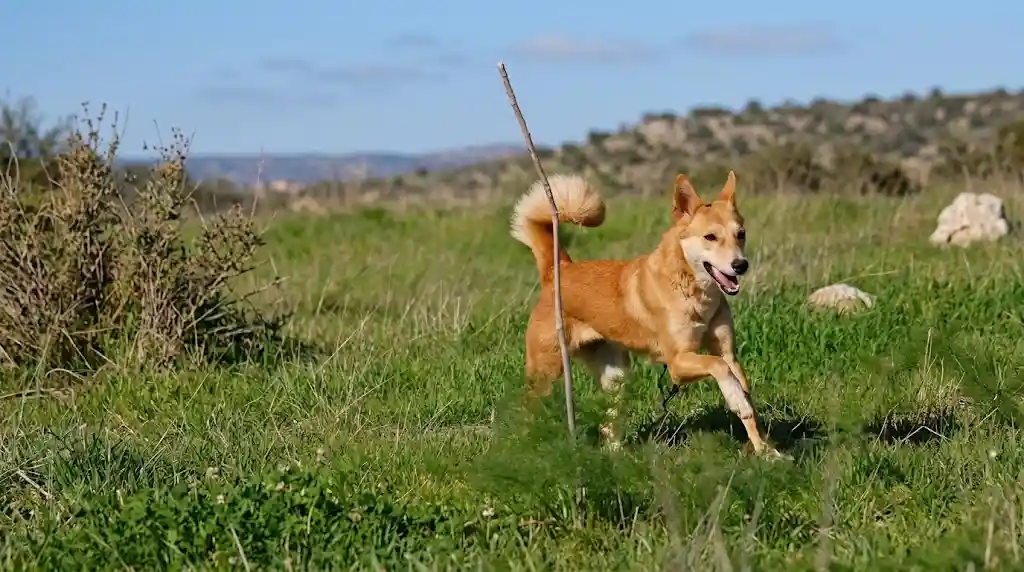
Table of Contents
Ancient Guardians around the globe offer an astonishing array of shapes, sizes, temperaments, and histories, each uniquely adapted to their environment and purpose. From the vast plains of Africa to the rugged Highlands of Scotland, and extending to breeds ideal for modern, busy households, the diversity of man’s best friend is truly remarkable. This comprehensive article delves into specific dog breeds originating from Africa and Scotland, exploring their unique traits as ancient guardians , and then shifts focus to an increasingly popular category: low-maintenance dog breeds, perfect for those seeking companionship without extensive demands on time or resources. These ancient guardians have protected homes and families for centuries.
Ancient Guardians: Dog Breeds from Africa
Africa, a continent rich in history and diverse landscapes, has given rise to several fascinating dog breeds, many of which are known for their resilience, intelligence, and adaptability. These breeds often possess strong instincts honed over centuries of living and working alongside humans in challenging environments. Their roles have varied from hunting and guarding to loyal companionship. These ancient guardians represent the deep history of canine domestication.
The Basenji: The “Barkless” Dog
The Basenji, often referred to as the “barkless dog,” hails from Central Africa and is one of the oldest dog breeds in the world. Instead of barking, Basenjis emit a unique yodel-like sound. They are sighthounds, known for their distinctive wrinkled forehead, erect ears, and tightly curled tail. These intelligent and independent dogs are often described as cat-like in their fastidiousness and grooming habits. Basenjis are energetic and require regular exercise to keep them stimulated, both physically and mentally. While affectionate with their families, they can be reserved with strangers and possess a strong prey drive, making a secure, fenced yard essential. Their short, fine coat is incredibly low-maintenance, requiring minimal grooming, which contributes to their appeal for certain owners. These ancient guardians of African villages are truly unique.
The Rhodesian Ridgeback: The Lion Dog
Originating from Southern Africa, the Rhodesian Ridgeback is a powerful and athletic breed known for its distinctive ridge of hair along its back, which grows in the opposite direction to the rest of its coat. Bred to hunt lions and guard homesteads, these dogs are courageous, intelligent, and fiercely loyal to their families. They possess a strong prey drive and require consistent training and early socialization to channel their natural instincts. Rhodesian Ridgebacks are strong-willed but also sensitive, responding best to positive reinforcement. They need ample exercise to prevent boredom and destructive behaviors, thriving in active households that can provide them with sufficient physical and mental engagement. Their short coat is easy to maintain, requiring only occasional brushing. These ancient guardians were bred to protect livestock and families from predators.
The Boerboel: South African Mastiff
The Boerboel, meaning “farm dog” in Afrikaans, is a large, powerful mastiff-type breed from South Africa, specifically bred to protect farms and homesteads from intruders and wild animals. These imposing dogs are characterized by their massive heads, muscular bodies, and confident demeanor. Despite their formidable appearance, Boerboels are known for being loving with family members and gentle and playful with children, forming close bonds with their human families. However, due to their strong protective instincts and dominant nature, they require extensive socialization and consistent training from an early age by experienced owners. Boerboels need plenty of physical activity and mental stimulation to prevent boredom and ensure they are manageable and well-mannered. Their short, dense coats are relatively low-maintenance. These ancient guardians are not for novice owners.
The Africanis: The Indigenous Dog of Southern Africa
The Africanis is not a standardized breed in the traditional sense but rather a landrace dog, a naturally evolved indigenous canine from Southern Africa. These dogs have coexisted with human communities for thousands of years, adapting naturally to the local climate, terrain, and lifestyle. The Africanis is known for its health, intelligence, and deep loyalty to its family. While there’s variation in their appearance due to natural selection, common traits include a medium build, a short, dense, and low-maintenance coat, and an athletic physique. Africanis dogs are often described as friendly, intelligent, and independent thinkers. They are naturally protective but not aggressive by default, and generally gentle with children they have grown up with. Their independence means they don’t demand constant attention, but consistent training and patience are key. These ancient guardians are a living piece of African history.
The Sloughi: The Arabian Greyhound
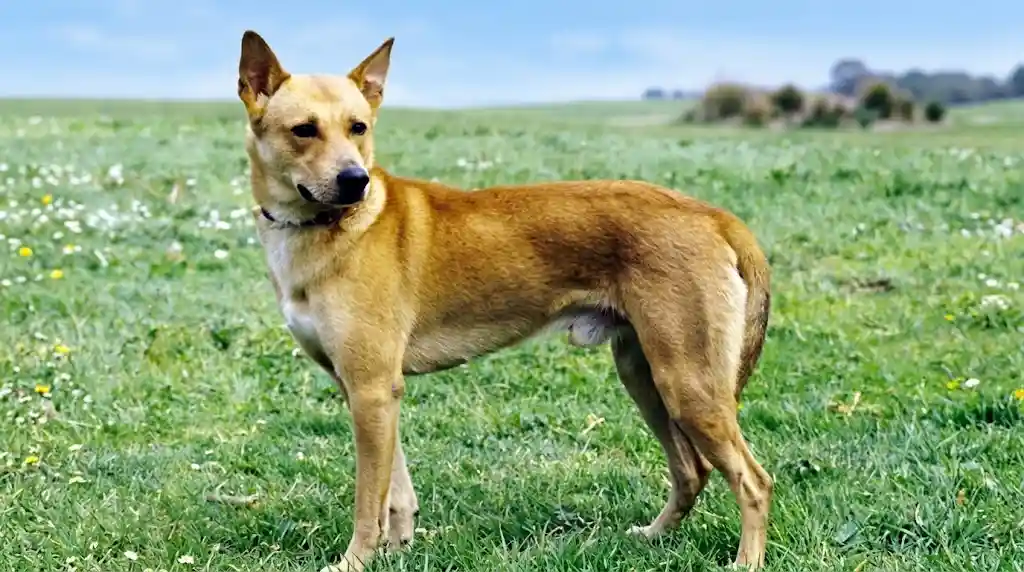
The Sloughi, often called the Arabian Greyhound or Berber Greyhound, is an ancient sighthound breed originating from North Africa, particularly Morocco, Algeria, Tunisia, Libya, and Egypt. Treasured for its natural prey drive, speed, agility, and endurance, the Sloughi was historically used for hunting desert game such as hare, fox, and gazelle. They are lean, elegant dogs with short, smooth coats that come in various shades of cream, fawn, or red. Sloughis are known for being noble and somewhat aloof, especially with strangers, but form extremely close bonds with their families. Despite their athleticism, they are often quiet and gentle indoors. Their short coats require minimal grooming, making them a relatively low-maintenance breed in that regard. These ancient guardians of the desert are elegant and swift.
Highland Heroes: Dog Breeds from Scotland
Scotland’s rugged landscapes, challenging weather, and rich history have fostered the development of numerous distinctive dog breeds. These dogs were primarily bred for specific working roles, such as herding sheep, hunting vermin, or assisting in hunts for larger game. Over time, many have transitioned into beloved family companions, retaining much of their original charm and intelligence. These Scottish breeds are also ancient guardians of their homeland’s traditions.
The Scottish Terrier: The “Scottie”
The Scottish Terrier, affectionately known as the “Scottie,” is an iconic breed from Scotland. These small, sturdy terriers were originally bred to hunt vermin on farms. They are easily recognizable by their distinctive wiry coat, short legs, and long head with bushy eyebrows and beard. Scotties are known for their confident, independent, and sometimes stubborn personalities. Despite their strong-willed nature, they are fiercely loyal to their families and can be cheerful and friendly companions. Early socialization and consistent training are important for a well-adjusted Scottie. Their wiry coats require regular grooming, including hand-stripping or clipping, to maintain their distinctive appearance and prevent matting. These ancient guardians of Scottish farms are full of character.
The West Highland White Terrier: The “Westie”
Another popular terrier from Scotland is the West Highland White Terrier, or “Westie.” These stocky little dogs are instantly recognizable by their bright white double coat and cheerful demeanor. Westies were originally bred to hunt small rodents and vermin in the Scottish Highlands. They are known for their confident, curious, and playful personalities, making them excellent family pets and companion dogs. Westies are intelligent and can be trained, but like many terriers, they can have an independent streak. Their thick, white double coat requires regular brushing and occasional professional grooming to prevent matting and keep it clean. These ancient guardians of the Highlands are spirited and lovable.
The Cairn Terrier: Toto’s Breed
The Cairn Terrier is one of the oldest terrier breeds, originating from the Scottish Highlands, where they were used to chase prey between the cairns (stone heaps). Perhaps most famous as Toto from “The Wizard of Oz,” Cairn Terriers are described as active, game, hardy, and fearless. They are sensitive but can be boisterous and independent, making them a great addition to families. Cairns are small, sturdy dogs, typically weighing between 13 and 16 pounds, with a hard, weather-resistant double coat that comes in various colors except white. Their coat requires regular brushing and occasional hand-stripping to maintain its texture and protectiveness. These ancient guardians of the cairns are brave and determined.
The Shetland Sheepdog: The “Sheltie”
Often mistaken for miniature Collies, the Shetland Sheepdog, or “Sheltie,” is a distinct breed originating from the Shetland Islands of Scotland. They were bred to herd small sheep and poultry across the islands’ rocky terrain and harsh weather. Shelties are known for their intelligence, agility, and sweet, gentle, and pleasing personalities. They are highly devoted to their families and excel at obedience training, often ranking among the top most intelligent dog breeds. Their thick, double coat, which comes in sable, black, or blue merle with white markings, provides excellent protection but requires regular grooming to prevent matting. Shelties thrive on daily engagement and mental stimulation. These ancient guardians of the Shetland Islands are intelligent and devoted.
The Scottish Deerhound: The Gentle Giant
The Scottish Deerhound is a noble and imposing sighthound, known for its majestic appearance and gentle demeanor. One of the bigger Scottish breeds, they have a rough, wiry coat, typically in shades of grey. Originally bred to hunt deer in the Scottish Highlands, these dogs are remarkably gentle, dignified, and sensitive. They form strong, quiet bonds with their families and are known for their sweet, almost shy demeanor with strangers. Despite their size and athletic heritage, Scottish Deerhounds are surprisingly relaxed indoors and are fond of lounging. However, they do require regular exercise, including a securely fenced area where they can run freely. Their coarse coat is relatively easy to groom, requiring weekly brushing. These ancient guardians of the Scottish Highlands are gentle giants.
The Gordon Setter: The Black and Tan Setter
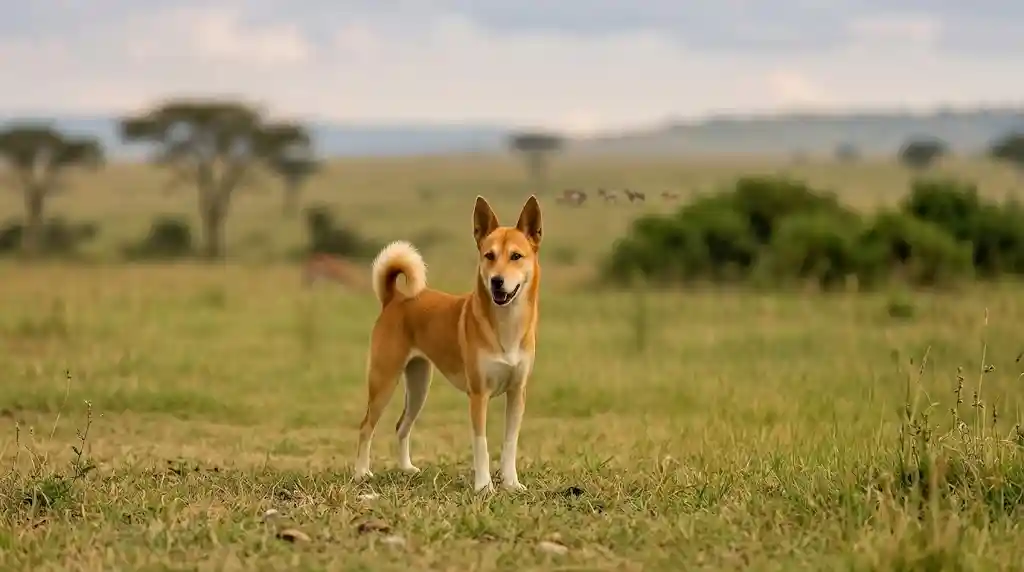
The Gordon Setter is a substantial bird dog named for the 4th Duke of Gordon, who significantly developed the breed in Scotland in the 17th century. Originally known as the Black and Tan Setter, they are the heaviest of the setter breeds, recognized by their glistening black coat with distinctive tan markings. Gordons are athletic and outdoorsy, bold, confident, and resolute in the field, yet sweetly affectionate by the fireside. They are intelligent but can have a stubborn streak, requiring consistent, gentle training. Gordon Setters need vigorous daily exercise and thrive in active households. Their slightly wavy coat requires regular grooming to prevent tangles and mats. These ancient guardians of Scottish moors are loyal and hardworking.
Understanding “Low-Maintenance” in Dog Breeds
The term “low-maintenance” can be subjective and often refers to a combination of factors, including grooming needs, exercise requirements, training ease, and general health. For many prospective dog owners, especially those with busy lifestyles or living in smaller spaces, finding a low-maintenance breed is a priority. It’s important to understand that no dog is truly “no-maintenance,” as all require food, water, shelter, veterinary care, and affection. However, some breeds genuinely demand less in terms of intensive grooming, extensive daily exercise, or highly specialized training.
Key Factors Defining Low Maintenance:
- Grooming: Breeds with short, smooth coats that shed minimally or are easy to brush, and don’t require frequent professional grooming, are considered low maintenance.
- Exercise: Dogs that are content with moderate daily walks or shorter bursts of activity, rather than intense, prolonged exercise, fit this category.
- Training & Temperament: Breeds that are generally eager to please, adaptable, and have a calm, easygoing demeanor often require less intensive training.
- Health: Breeds known for their robust health and fewer predispositions to genetic conditions can also be considered lower maintenance due to reduced veterinary costs and stress.
Top Low-Maintenance Dog Breeds for Various Lifestyles
While individual dogs within any breed can vary, certain breeds are generally recognized for their more manageable care requirements. Here are a few examples. These breeds may not be ancient guardians , but they are wonderful companions.
| Breed Name | Origin (Primary) | Grooming Needs | Exercise Requirements | Key Temperament Traits |
|---|---|---|---|---|
| Basenji | Central Africa | Low (short coat, self-grooming) | Moderate to High (energetic, needs mental stimulation) | Intelligent, independent, cat-like, reserved with strangers |
| Greyhound (Retired) | Ancient Egypt/UK | Low (short coat) | Moderate (bursts of speed, then couch potato) | Gentle, quiet, affectionate, calm indoors |
| French Bulldog | France | Low (short coat) | Low to Moderate (prone to overheating) | Playful, charming, adaptable, easygoing |
| Dachshund | Germany | Low (short coat varieties) | Moderate (short walks, some play) | Lively, curious, sometimes stubborn, loyal |
| Chihuahua | Mexico | Low (short coat varieties) | Low (short walks, indoor play) | Loyal, spirited, charming, can be feisty |
| Pug | China | Moderate (sheds, needs facial fold cleaning) | Low (prone to overheating) | Sociable, charming, playful, adaptable |
| Boston Terrier | USA | Low (short coat) | Moderate (daily walks, play) | Friendly, intelligent, lively, gentle |
| Cavalier King Charles Spaniel | UK | Moderate (regular brushing for long coat) | Low to Moderate (happy with gentle walks) | Affectionate, gentle, eager to please, good with families |
| Basset Hound | France | Moderate (sheds, needs ear cleaning) | Low (prone to laziness, but needs walks) | Laid-back, gentle, patient, loyal |
| Shih Tzu | Tibet | High (daily grooming for long coat, or regular trims) | Low (happy with short strolls) | Outgoing, affectionate, playful, regal |
It’s worth noting that even within the “low-maintenance” category, some breeds, like the Shih Tzu, have significant grooming needs for their long coats unless kept in a very short puppy cut. For true low-maintenance grooming, short-coated breeds are generally preferred. Breeds like the Greyhound, especially retired racers, are often considered excellent low-maintenance companions because, despite their speed, they are surprisingly calm indoors and require less intense exercise than many assume – often described as “45 mph couch potatoes.” Similarly, breeds like the French Bulldog, Pug, and Boston Terrier are content with shorter walks and indoor play, making them suitable for apartment living and less active owners. If your dog is excessively itchy, check out our article on why is my dog itching so much for more insights. For more information on skin conditions, our article on dog allergy understanding and managing provides comprehensive information.
When considering a low-maintenance dog, it is crucial to match the dog’s needs with your lifestyle. For example, while a Basenji has low grooming needs, their high energy and independent nature mean they require significant mental and physical engagement. Wikipedia provides extensive information on various dog breeds, which can be a valuable resource for further research. For more help finding professional services, our guide on pet groomers near me can help you find the right support. To ensure you’re using the best products, see our recommendations for the best dog shampoo for itchy skin .
Conclusion: Choosing Your Perfect Canine Companion
The world of dog breeds is incredibly diverse, offering a companion for nearly every lifestyle and preference. Whether you are drawn to the ancient, resilient breeds of Africa, with their deep historical roots and robust temperaments as ancient guardians , or fascinated by the hardy, intelligent working dogs from the windswept lands of Scotland, each breed carries a unique story and set of characteristics.
For those navigating the demands of modern life, the pursuit of low-maintenance dog breeds has become increasingly popular. These breeds, while still requiring fundamental care and affection, generally demand less intensive grooming, exercise, or specialized training. From the barkless Basenji to the gentle giant Scottish Deerhound, and the charming, adaptable French Bulldog, understanding the specific needs of each breed is paramount.
Ultimately, the “perfect” dog is one whose needs align with your ability to provide care, attention, and a loving environment. Thorough research, an honest assessment of your lifestyle, and perhaps even engaging with breed-specific rescue organizations can help you find a canine companion that will enrich your life for years to come, regardless of their geographical origin or maintenance level. These ancient guardians and modern companions alike deserve loving homes. If you’re just starting out, our dog grooming checklist for first-time owners is a great resource to ensure you have everything you need. You may also find our comprehensive dog grooming tips a comprehensive guide helpful for additional information. For foundational training advice that can help build trust, you might find our guide on easy commands every puppy should learn very useful. For related tips on managing behavior, you might also want to read our piece on how to stop excessive dog barking . You can also learn more about dog skin infection a comprehensive guide for deeper understanding of skin health. You can also explore dog grooming near me finding the perfect for more options.
