Dog Growth Between Toes: 15 Expert Tips for Healthy Dog Paws
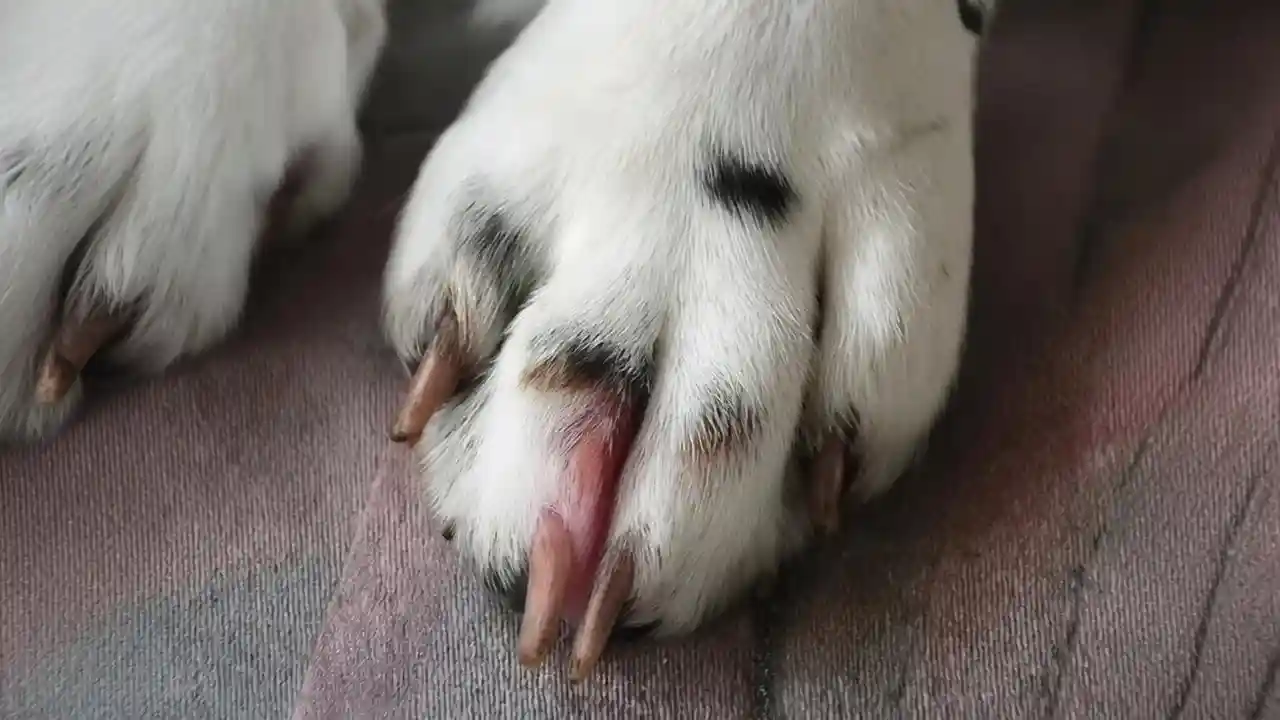
Table of Contents
Dog growth between toes can be a source of significant concern and discomfort for pet owners and their canine companions alike. The intricate structure of a dog’s paw, with its numerous bones, ligaments, tendons, and sensitive skin, makes it susceptible to various growths and lesions. These growths can range from benign (non-cancerous) to malignant (cancerous) and can manifest in numerous ways, affecting a Dog Growth Between Toes mobility, comfort, and overall well-being. Understanding the potential causes, recognizing the symptoms, and knowing when to seek professional veterinary care are crucial steps in managing these conditions effectively.
Understanding Dog Growth Between Toes
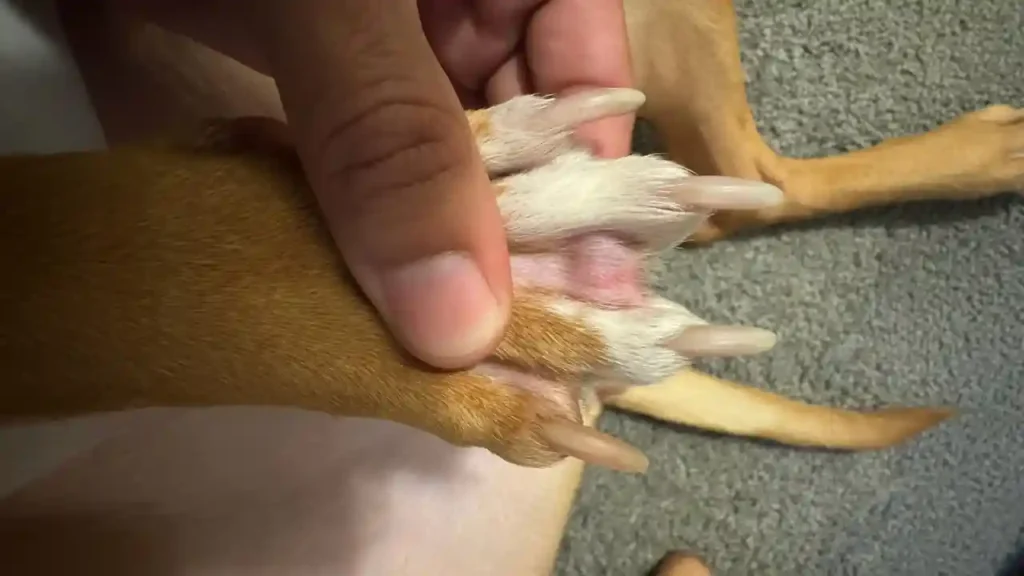
The paws are essential for a dog’s mobility, balance, and interaction with their environment. Any abnormality, such as a growth between the toes, can therefore significantly impact a Dog Growth Between Toes quality of life. Growths in this sensitive area can be particularly problematic due to constant pressure, friction, and exposure to various elements during daily activities like walking and running. This continuous stress can lead to irritation, infection, and pain, even if the growth itself is not inherently dangerous. Regular inspection of your dog’s paws is an important part of routine care and can help in early detection of any issues.
While some growths may appear suddenly, others can develop slowly over time. The appearance can also vary widely; some might be small and subtle, while others are large, discolored, or even ulcerated. The diverse nature of these growths means that a thorough veterinary examination and diagnostic testing are often necessary to determine their exact nature and the most appropriate course of action. Early intervention is generally recommended for paw growths, as it often leads to better outcomes.
Common Causes of Growths Between Dog Toes
Growths between a Dog Growth Between Toes toes can stem from a multitude of causes, encompassing infections, inflammatory conditions, and various types of tumors. Identifying the underlying cause is paramount for effective treatment. Here are some of the most common reasons for growths in this area:
Interdigital Cysts (Furunculosis)
Interdigital cysts, often more accurately described as interdigital furunculosis, are one of the most common and frustrating conditions affecting a dog’s paws. These are not always true cysts but rather deep infections and inflammation of the hair follicles located in the webbing between the toes. They often appear as firm, painful, red to purple, and itchy nodules. These lesions can sometimes rupture, releasing clear or blood-tinged fluid, or pus if infected, leading to secondary bacterial infections.
Several factors can predispose dogs to interdigital furunculosis:
- Breed Predisposition: Large breeds with short or coarse hair, such as Bulldogs, Pit Bull Terriers, German Shepherds, and Labrador Retrievers, are particularly susceptible. Their stiff hair shafts can be easily forced back into the hair follicles during walking, causing inflammation.
- Allergies: Allergic skin diseases (atopic dermatitis, food allergies, contact allergies) are a very common underlying cause, leading to excessive paw licking and inflammation.
- Obesity: Excess body weight increases pressure on the paws, contributing to abnormal friction between the toes.
- Abnormal Conformation/Gait: Dog Growth Between Toes with wide paws, deep interdigital pockets, arthritis, or other conditions that alter their normal gait can experience increased friction and trauma to the interdigital space.
- Foreign Bodies: Splinters, grass awns, thorns, or small pieces of metal can become embedded between the toes, causing inflammation and infection.
- Demodectic Mange: Skin mites like Demodex can live within hair follicles and contribute to the development of these nodules.
Tumors (Benign and Malignant)
Tumors can develop anywhere on a dog’s paw, including between the toes, on the paw pads, and at the nail bed. While not all paw growths are cancerous, any new lump should be examined by a veterinarian.
- Benign Growths:
- Histiocytomas: These are button-like, red, hairless masses common in young dogs, often regressing spontaneously.
- Plasmacytomas: Typically solitary, pink or red masses, more common in older dogs.
- Lipomas: Fatty tumors that originate from fat below the skin’s surface. They are soft, movable, and usually harmless unless they impede movement.
- Sebaceous Cysts: Form when oil glands become blocked, creating a sac-like pocket filled with sebum. They are typically smooth, pink, white, or bluish. While benign, they can rupture and become infected.
- Basal Cell Tumors: Can be benign or malignant, but the benign type is more common in Dog Growth Between Toes .
- Cornifying Epitheliomas: Nests of tough, layered lumps that resemble a horn or cornified cysts, arising from hair follicles.
- Malignant Growths (Cancerous Tumors): These are more serious and can spread to other parts of the body.
- Malignant Melanomas: Often pigmented (black), aggressive, and prone to spreading (metastasis), frequently occurring near toenails or on paw pads. Certain breeds like Scottish Terriers, Irish Setters, and Golden Retrievers may be at higher risk.
- Squamous Cell Carcinomas (SCC): Appear as reddened, raised, sometimes crusted, scaly, or plaque-like lesions. They can invade tissue and spread to lymph nodes or lungs.
- Mast Cell Tumors (MCTs): Known as “the great pretender” because they can look like almost anything. They can be red, pink, or raw-surfaced lumps and range from low-grade to highly aggressive, with the potential to spread to lymph nodes, spleen, liver, or bone marrow.
- Soft Tissue Sarcomas (Fibrosarcomas): Usually slow-growing, firm masses that can be locally invasive and may spread to the lungs.
- Osteosarcoma: Bone cancer that can arise from the toe bones, causing swelling and lameness.
- Plasma Cell Tumors: While often benign elsewhere, they can be malignant in the toes.
Infections (Bacterial, Fungal, Yeast)
Infections are a significant concern for paw health and can quickly worsen.
- Bacterial Infections: Often develop from cuts, abrasions, or areas traumatized by excessive licking. Symptoms include swelling, pus, and a noticeable odor.
- Fungal Infections: Occur in moist environments, leading to skin inflammation.
- Yeast Infections: Characterized by discolored (often brownish) skin and a musty, “corn chip” odor. They are common in Dog Growth Between Toes with underlying allergies or immune system issues.
Allergies and Irritations
Allergies (environmental, food, or contact) are a very common cause of paw irritation and subsequent growths or inflammation, often leading to persistent itching, redness, and swelling. Excessive licking and chewing due to allergies can further damage the skin, creating an entry point for secondary infections.
Foreign Bodies
Objects like burrs, splinters, grass seeds, or thorns can become lodged between the toes, causing localized inflammation, pain, and potentially abscess formation.
Identifying Symptoms of Paw Growths
Dogs often hide their pain, so it’s important for owners to be vigilant and recognize the subtle signs of paw discomfort. Symptoms can vary depending on the type and severity of the growth.
- Visible Lumps or Bumps: The most obvious sign is a new growth anywhere on the paw, including between the toes. These can be solitary or multiple, and vary in color (pink, red, black), texture (firm, soft, squishy), and size.
- Limping or Lameness: Your Dog Growth Between Toes may favor one paw, show reluctance to walk, or have an altered gait, indicating pain or discomfort when bearing weight.
- Excessive Licking or Chewing: Persistent licking, biting, or chewing at the affected paw is a strong indicator of irritation, itchiness, or pain.
- Redness and Swelling: Inflammation around the growth or between the toes is common.
- Discharge or Bleeding: Growths, especially cysts or infected lesions, may ooze clear, blood-tinged, or pus-filled discharge. Bleeding or sores on the foot can also be a sign, particularly with malignant tumors.
- Odor: A foul or “corn chip” odor can indicate a bacterial or yeast infection.
- Changes to Nails: Abnormalities like a splitting or falling-off nail can sometimes be associated with tumors at the nail bed. Ingrown or overgrown nails can also cause discomfort and predispose to infection.
- Skin Texture Changes: Cracks, peeling, or dryness of the paw pads, as well as crusty or scaly skin, can be signs of chronic irritation, infection, or conditions like hyperkeratosis.
- Systemic Signs: In rare cases of aggressive malignant tumors, Dog Growth Between Toes might show general signs of illness such as lethargy, loss of appetite, or weight loss.
Veterinary Diagnosis of Paw Growths
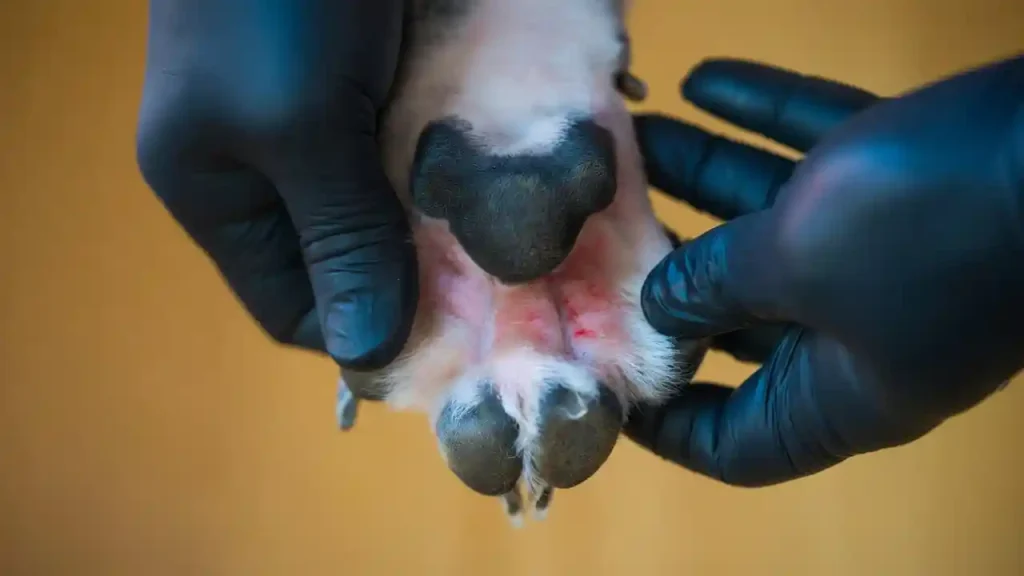
When you notice a growth between your Dog Growth Between Toes toes, prompt veterinary attention is crucial. Early diagnosis can significantly improve the prognosis, especially for malignant conditions. The diagnostic process typically involves several steps:
| Diagnostic Method | Description | Purpose |
|---|---|---|
| Physical Examination & History | A thorough visual and tactile examination of the paw and a detailed discussion about the growth’s onset, changes, and any accompanying symptoms. | To assess the general health of the paw, identify pain points, and gather preliminary information. |
| Fine Needle Aspiration (FNA) & Cytology | A small needle is used to collect cells from the mass, which are then examined under a microscope. | A quick, minimally invasive way to distinguish between inflammatory cells, infectious agents, and various types of tumor cells (benign vs. malignant). |
| Biopsy | Surgical removal of a small piece or the entire growth for histopathological examination by a veterinary pathologist. | Provides a definitive diagnosis of the tumor type, grade (aggressiveness), and whether it has clear margins, which is crucial for treatment planning and prognosis. |
| Imaging (X-rays, Ultrasound) | X-rays: May be performed on the affected foot to check for bone involvement or foreign bodies. Chest X-rays: Recommended if malignancy is suspected to check for metastasis (spread) to the lungs. Ultrasound: Can provide more detailed soft tissue information. | To assess the extent of the growth, identify any bone destruction or presence of foreign objects, and detect potential spread of cancer. |
| Bacterial Culture & Sensitivity | A sample of discharge or tissue is cultured to identify specific bacteria and determine which antibiotics will be most effective. | Essential for guiding antibiotic therapy in cases of infection. |
| Skin Scrapes & Trichograms | To look for parasites like Demodex mites. | To rule out parasitic infestations as an underlying cause, especially for interdigital cysts. |
| Allergy Testing | Blood tests or intradermal skin tests may be performed if allergies are suspected. | To identify specific allergens that may be contributing to chronic paw inflammation and recurrent growths. |
Treatment Options for Growths Between Toes
The treatment for a dog growth between toes is highly dependent on the underlying cause, type, and severity. A multimodal approach is often necessary, combining various therapies to achieve the best outcome.
Medical Management
- Antibiotics and Antifungals: For bacterial or fungal infections, topical or oral medications are prescribed. It’s crucial to complete the entire course of antibiotics to prevent recurrence and antibiotic resistance.
- Anti-inflammatory Medications: Non-steroidal anti-inflammatory drugs (NSAIDs) or corticosteroids may be used to reduce pain, swelling, and inflammation, particularly in cases of interdigital cysts or allergic reactions.
- Topical Therapy: Medicated shampoos, antiseptic solutions, foot soaks (e.g., with Epsom salts or apple cider vinegar), and topical creams or ointments can help manage infections, reduce inflammation, and soothe irritated skin.
- Allergy Management: If allergies are a contributing factor, treatment may include antihistamines, immunotherapy (allergy shots), dietary changes (for food allergies), or medications to control allergic responses.
- Parasite Treatment: Specific medications are used to eliminate mites (e.g., Demodex) if they are identified.
Surgical Intervention
Surgery is often the primary treatment for tumors and some persistent cysts, especially if they are large, painful, or malignant.
- Local Excision: For small, benign tumors or cysts, surgical removal with clean margins is often curative.
- Toe Amputation: If a malignant tumor is aggressive, bone-invasive, or difficult to remove with sufficient margins, amputation of the affected toe may be recommended to prevent spread and improve the prognosis. In some extensive cases, leg amputation might be considered.
- Laser Surgery: Can be used for persistent interdigital cysts that don’t respond to other therapies.
- Fusion Podoplasty: In severe, chronic cases of interdigital cysts that are unresponsive to other treatments, a last-resort surgery might involve fusing the affected toes together.
Advanced Treatments for Malignant Tumors
For cancerous growths, additional therapies may be necessary:
- Chemotherapy: May be recommended after surgery, especially for aggressive tumors or if cancer has spread to lymph nodes or other organs.
- Radiation Therapy: Can be used when surgery is not feasible, margins are incomplete, or to target remaining cancer cells.
- Targeted Therapies/Immunotherapy: Specific treatments like Stelfonta® for certain mast cell tumors or oral melanoma vaccines post-surgery can be options to reduce recurrence.
Preventative Measures and Home Care
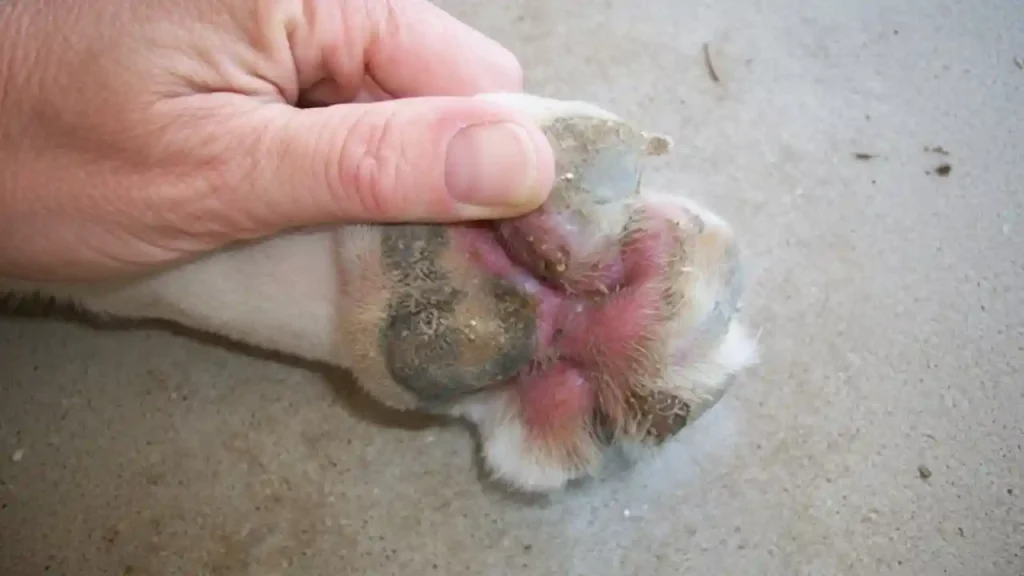
While not all growths can be prevented, proactive care can significantly reduce the risk and severity of paw problems.
- Regular Paw Checks: Inspect your Dog Growth Between Toes paws daily, especially after walks or outdoor activities. Look for any new lumps, redness, swelling, cuts, embedded objects, or excessive licking. Early detection is key.
- Maintain Paw Hygiene:
- Clean Paws: Wipe paws after each outing to remove dirt, allergens, street grit, chemicals, and moisture. Use a damp cloth or a gentle pet-safe paw wash.
- Trim Hair: Keep the hair between the paw pads trimmed short to prevent matting, accumulation of dirt, debris, and moisture, which can lead to irritation and infection.
- Keep Dry: Ensure paws are completely dry after baths, swimming, or walking in wet conditions to prevent fungal and yeast infections.
- Nail Care: Trim nails regularly (every 3-4 weeks) to prevent overgrowth, which can cause discomfort, altered gait, and increase the risk of injury or ingrown nails.
- Paw Protection:
- Boots or Paw Wax: Consider using Dog Growth Between Toes boots or protective paw wax, especially when walking on hot pavement, icy surfaces, rough terrain, or areas with chemicals (e.g., de-icing salts).
- Moisturize: Apply a pet-safe moisturizing balm to paw pads regularly, especially if they are dry or cracked, to keep them supple and resilient.
- Allergen Avoidance: If your Dog Growth Between Toes has known allergies, try to minimize exposure to identified triggers. Rinsing paws after walks can reduce contact with environmental allergens.
- Weight Management: Maintain a healthy weight for your Dog Growth Between Toes to reduce excessive pressure on their paws, especially if they are prone to interdigital cysts.
- Soft Bedding: For Dog Growth Between Toes prone to pressure calluses, provide soft bedding to prevent chronic pressure on bony areas.
For further information on Dog Growth Between Toes paw health and preventative measures, you can consult reliable resources such as the Wikipedia page on Dog Paws, which provides detailed insights into their anatomy, function, and common issues.
When to Seek Immediate Veterinary Attention
While some minor paw irritations can be managed at home, certain signs warrant prompt veterinary intervention. Contact your veterinarian if you observe any of the following:
- Rapid Growth or Sudden Change: Any lump that grows quickly, changes color or texture, or appears suddenly.
- Persistent Limping or Severe Lameness: If your Dog Growth Between Toes is consistently limping, refusing to put weight on a paw, or shows noticeable pain.
- Bleeding, Ulceration, or Foul-Smelling Discharge: Open sores, continuous bleeding, or pus coming from a growth, or a strong, unpleasant odor.
- Swelling, Heat, or Extreme Sensitivity: Pronounced swelling, warmth to the touch, or intense pain when the paw is touched.
- Signs of Systemic Illness: If the paw issue is accompanied by fever, lethargy, loss of appetite, or other general signs of illness.
- No Improvement with Home Care: If minor issues don’t improve or worsen despite home care efforts.
- Embedded Foreign Object: If you suspect or see an object lodged deep in the paw.
As with all health concerns, earlier intervention typically leads to a better outcome. Your veterinarian is best equipped to diagnose the problem accurately and recommend the most appropriate course of treatment.
Conclusion
Dog growth between toes can be a complex issue, ranging from easily treatable infections and benign cysts to aggressive malignant tumors. The sensitive and high-traffic nature of a dog’s paws means that even minor growths can cause significant discomfort and impact mobility. Regular inspection of your Dog Growth Between Toes paws, coupled with consistent hygiene and protective measures, forms the cornerstone of preventative care. However, vigilance for symptoms such as limping, excessive licking, swelling, or any new lumps is paramount. Should such signs appear, prompt condog’s growth between toes andnarian is essential for accurate diagnosis and effective treatment. With proper care and timely professional intervention, most paw growth issues can be successfully managed, ensuring your beloved canine companion remains comfortable, active, and healthy.