Dog Throwing Up White Foam: 7 Warning Signs, Causes & Treatment Tips
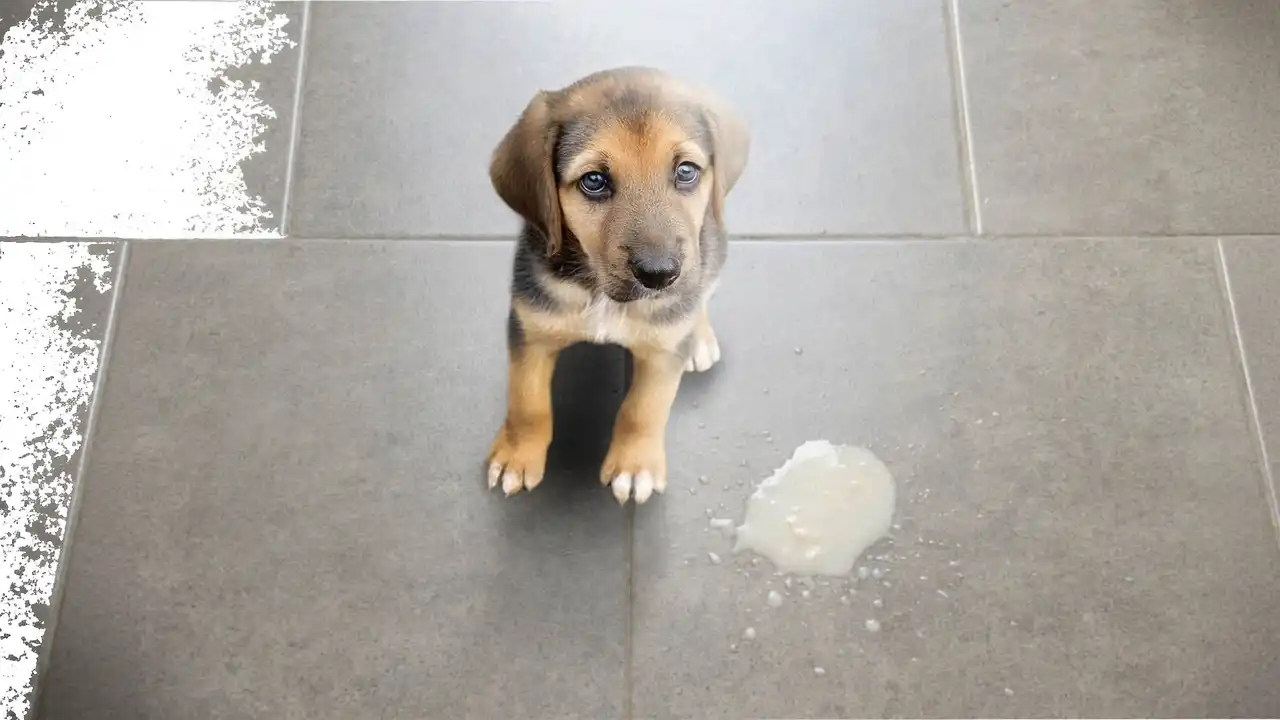
Table of Contents
A dog throwing up white foam can be an alarming sight for any pet owner. This common symptom, which is essentially a mix of saliva, mucus, and stomach acid, can range from a relatively minor issue to an indication of a serious health concern requiring immediate veterinary intervention. Understanding the potential reasons behind this behaviour is crucial for ensuring your beloved canine companion receives the appropriate care and stays healthy and comfortable. While an occasional episode might not be cause for panic, recurrent or severe vomiting, especially when accompanied by other concerning symptoms, should always prompt a call to your veterinarian.
What Does White Foam Vomit Mean?
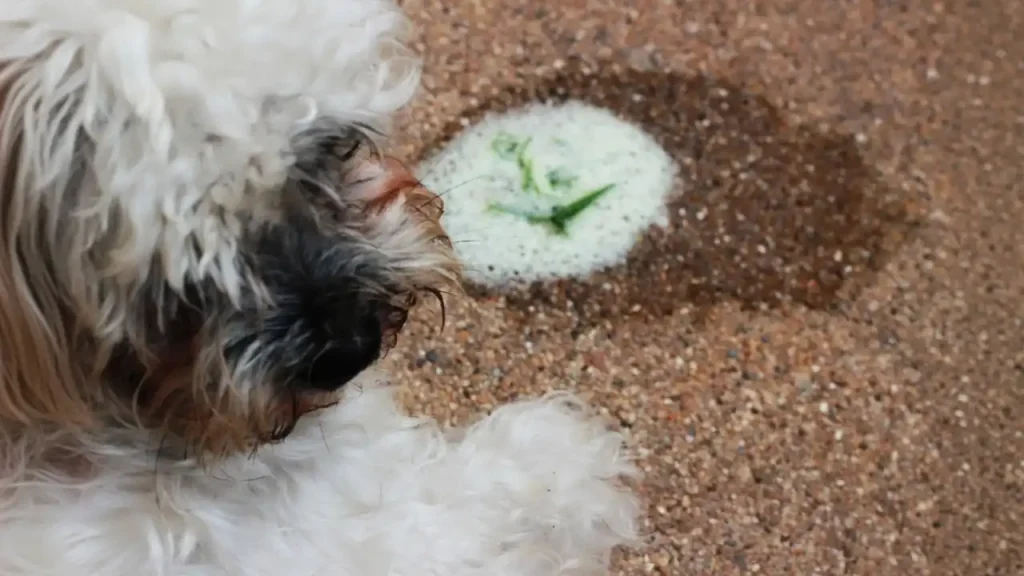
Wdog throwing up white foamm, it typically signifies that air has been mixed into stomach fluid or mucus, creating the characteristic bubbly, frothy appearance. This foamy substance can originate from the stomach, the oesophagus, or, in some cases, even the respiratory tract if the dog is actually coughing it up rather than vomiting. The white colour indicates that there is generally no food present in the stomach, just gastric juices, which dogs produce constantly in anticipation of their next meal. If the stomach remains empty for an extended period, these acids can irritate the stomach lining, leading to nausea and subsequent vomiting of white foam.
It’s important to differentiate between vomiting and coughing up foam. When a dog vomits, there are typically noticeable abdominal contractions, where the body forcefully ejects the stomach’s contents. However, when a dog coughs up white foam, particularly in cases like kennel cough, the foam is often a result of mucus and saliva being expelled from the respiratory system, and abdominal contractions are usually absent. Observing your dog’s overall behaviour and any accompanying symptoms is key to understanding the underlying cause and determining the best course of action.
Common Causes of Dog Throwing Up White Foam
The reasons behind a dog throwing up white foam are varied, ranging from simple indigestion to life-threatening conditions. Identifying the potential triggers is the first step in addressing the issue effectively.
Empty Stomach and Bilious Vomiting Syndrome
One of the most frequent and often least serious causes of white foam vomit is an empty stomach, leading to what is known as bilious vomiting syndrome. This occurs when stomach acid and bile accumulate and irritate the stomach lining because the dog hasn’t eaten for several hours. It is particularly common in the early morning hours or late at night, before the dog’s first meal or after a long overnight fasting period. Dogs with bilious vomiting syndrome usually vomit white or yellow foam and otherwise exhibit normal appetite and energy. Simple adjustments, such as feeding smaller, more frequent meals or providing a bedtime snack, can often resolve this issue.
Indigestion or Dietary Indiscretion
Dogs are known for their opportunistic eating habits, and consuming something that doesn’t agree with them is a very common cause of stomach upset and white foam vomiting. This “dietary indiscretion” can include eating too quickly, getting into the trash, consuming table scraps, sudden changes in diet, or eating grass. These actions can irritate the stomach, leading to nausea and the expulsion of foamy vomit. Most mild cases resolve within 24 hours with rest and a bland diet. Food sensitivities or allergies can also trigger such episodes, and keeping a food diary may help identify specific culprits.
Kennel Cough and Other Respiratory Issues
Sometimes, what appears to be a dog vomiting white foam is actually a result of a respiratory condition rather than a digestive one. Kennel cough, formally known as infectious tracheobronchitis, causes a harsh, honking cough that can produce white, foamy mucus. Dogs may gag or retch, expelling frothy phlegm that pet owners often mistake for vomit. Other respiratory irritations or infections can also lead to similar symptoms. If the white foam is accompanied by a dry, hacking cough, runny nose, or lethargy, a veterinary exam is recommended, especially if your dog has recently been in contact with other dogs at boarding facilities, dog parks, or grooming salons.
Acid Reflux
Similar to humans, dogs throwing up white foam can suffer from acid reflux, where stomach acid flows back into the oesophagus. This reflux can cause irritation and lead to vomiting, often of white foam, due to the mixture of stomach acid and saliva. Acid reflux can sometimes be linked to an empty stomach (bilious vomiting syndrome) or other gastrointestinal inflammation. Dietary adjustments, such as smaller, more frequent meals, and in some cases, antacids prescribed by a veterinarian, can help manage this condition.
Pancreatitis
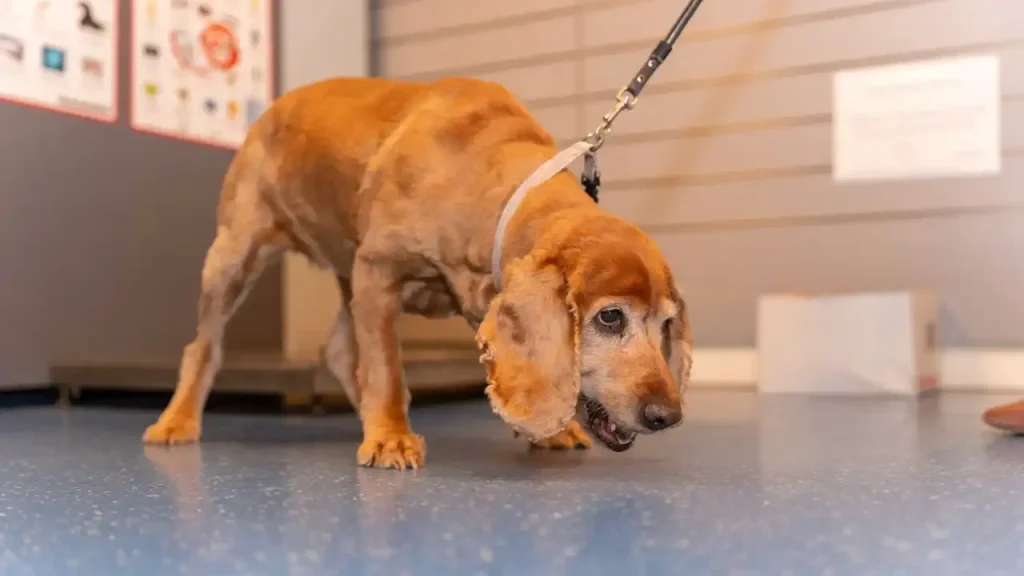
Pancreatitis, an inflammation of the pancreas, is a more serious medical condition that can cause repeated vomiting, including white foam. This condition is often triggered by consuming rich or fatty foods. Other common symptoms of pancreatitis include loss of appetite, abdominal pain, lethargy, and diarrhoea. Pancreatitis requires prompt veterinary care and often involves dietary management and medication.
| Potential Cause | Key Characteristics of White Foam Vomit | Accompanying Symptoms | Urgency for Veterinary Care |
|---|---|---|---|
| Empty Stomach (Bilious Vomiting Syndrome) | White or yellowish foam, often in morning/late night | Otherwise normal appetite and energy | Low (monitor and adjust feeding; contact vet if recurring) |
| Indigestion/Dietary Indiscretion | White foam, sometimes after eating grass/unusual food | Mild nausea, may resolve quickly | Low to Medium (monitor, bland diet; vet if persistent) |
| Kennel Cough/Respiratory Issues | Foamy mucus coughed up, often mistaken for vomit | Dry, hacking cough, gagging, runny nose, lethargy | Medium (vet exam recommended for diagnosis and treatment) |
| Acid Reflux | White foam, can be similar to empty stomach issues | Irritation, discomfort after meals, often early morning | Medium (vet for dietary advice/medication if frequent) |
| Pancreatitis | Repeated white foam vomiting | Loss of appetite, abdominal pain, lethargy, diarrhea | High (prompt veterinary care) |
| Bloat (GDV) | Unproductive retching or small amounts of white foam | Swollen/hard abdomen, restlessness, rapid breathing, drooling, pale gums, weakness | EMERGENCY (immediate veterinary care) |
| Toxin Ingestion/Foreign Object | Sudden, severe white foam vomiting | Behavior changes, lethargy, diarrhea, abdominal pain, collapse | EMERGENCY (immediate veterinary care) |
| Stress/Motion Sickness | White foam due to excess saliva and nausea | Anxiety and excitement, car sickness, stops when the trigger is removed | Low (address stressor, monitor) |
Bloat (Gastric Dilatation-Volvulus – GDV)
Bloat, or Gastric Dilatation-Volvulus (GDV), is a life-threatening emergency, particularly common in large, deep-chestedDog Throwing Up White Foam. In the early stages of bloat, a Dog Throwing Up White Foam may retch repeatedly and attempt to vomit without producing much, if anything, or only bring up small amounts of white foam. This occurs when the stomach fills with gas or fluid and then twists, cutting off blood supply to the stomach and other organs. Emergency warning signs include unproductive retching, a visibly distended or hard abdomen, extreme restlessness, excessive drooling, rapid breathing, and weakness. If you suspect bloat, seek emergency veterinary care immediately, as it can be fatal if untreated.
Toxin Ingestion or Foreign Objects
Dog Throwing Up White Foam that ingest household toxins, certain plants, medications, or non-food items can vomit white foam as an early sign of poisoning or an internal obstruction. Common household toxins include cleaning products, rodenticides, and human foods like grapes, chocolate, or xylitol. If your Dog Throwing Up White Foam vomiting is sudden, severe, or accompanied by behavioural changes, lethargy, diarrhoea, or abdominal pain, and you have any reason to suspect they may have ingested something toxic or a foreign object, treat it as an emergency and contact your veterinarian right away. Providing information about the suspected substance and the time of exposure is critically important for the veterinary team.
Stress or Motion Sickness
Some Dog Throwing Up White Foam throwing up white foam may vomit white foam due to stress, anxiety, excitement, or motion sickness. Triggers can include car rides, boarding, loud noises, storms, or changes in routine. This type of vomiting is typically due to excess saliva production and nausea associated with the stressful event and usually resolves once the trigger is removed. While generally not an emergency, consistent stress-related vomiting warrants investigation into its causes and management strategies.
When to Seek Veterinary Attention

While an occasional episode of white foam vomiting may not always be serious, it’s crucial for pet owners to recognise when the situation warrants professional veterinary care. The frequency, timing, and presence of other symptoms are key indicators.
You should contact your veterinarian immediately if any of the following apply:
- Vomiting occurs repeatedly or more than once or twice within a 24-hour period.
- Your dog throwing up white foam seems weak, lethargic, depressed, or in pain.
- Your dog refuses to eat or drink or cannot keep water down.
- There is blood in the vomit (which may appear red or like coffee grounds).
- Your dog’s abdomen appears swollen, distended, or hard to the touch (especially in large, deep-chested breeds).
- Vomiting is accompanied by persistent coughing, gagging, or breathing difficulties.
- Your dog is experiencing diarrhoea along with vomiting.
- Your dog has pale gums, is shaking, or collapses.
- You suspect your dog has ingested a toxin or a foreign object.
- Your dog is a puppy, a senior dog, or has a known underlying health condition that could be exacerbated by vomiting.
Even if you are unsure, it is always safer to consult your nearest veterinarian. Delaying care could worsen your Dog Throwing Up White Foam foam condition and increase the risk of dehydration or more serious illness.
First Aid and Home Care for Your Dog
If your Dog Throwing Up White Foam and has a single episode of vomiting white foam and otherwise seems normal, you can often manage the situation at home with careful observation. However, always remember that home care should only be attempted for very mild, isolated incidents, and if any concerning symptoms develop, veterinary attention is paramount.
Here are some steps you can take for mild cases:
- Withhold Food: Give your Dog Throwing Up White Foam stomach a break by withholding food for 6-12 hours after the vomiting episode. This allows the stomach lining to settle.
- Offer Water in Small Sips: Ensure your Dog Throwing Up White Foam has access to fresh water, but offer it in small sips or provide ice cubes to prevent them from drinking too quickly, which can trigger more vomiting. Dehydration is a significant risk with vomiting, so maintaining hydration is crucial.
- Reintroduce a Bland Diet Gradually: If your Dog Throwing Up White Foam has not vomited for several hours, you can gradually reintroduce food. Start with a bland diet, such as plain boiled chicken (no skin, bones, or seasoning) mixed with plain white rice. Offer small portions every 3-4 hours rather than one large meal.
- Monitor Closely: Continue to monitor your Dog Throwing Up White Foam behaviour, appetite, and any recurrence of vomiting. If symptoms persist or worsen after 24 hours of home care, discontinue home management and contact your veterinarian.
- Do Not Administer Medications: Unless prescribed by your veterinarian for that specific situation or as part of treatment for a pre-existing condition, do not give your Dog Throwing Up White Foam any human medications or over-the-counter remedies.
For persistent or worsening white foam vomiting, particularly if accompanied by lethargy, refusal of food, or abdominal pain, it’s critical to cease home treatment and seek immediate veterinary assistance.
Preventative Measures and Long-Term Care
While not all instances of white foam vomiting can be prevented, several measures can significantly reduce the risk and promote your dog’s overall digestive health.
- Consistent Feeding Schedule: Maintaining a regular and consistent feeding schedule helps prevent the stomach from remaining empty for too long, thereby reducing the buildup of stomach acid and bile that can lead to bilious vomiting syndrome. Feeding smaller, more frequent meals throughout the day, and even a small bedtime snack, can be beneficial, especially for Dog Throwing Up White Foam prone to early morning vomiting.
- High-Quality Diet: Feed your Dog Throwing Up White Foam a consistent, high-quality food appropriate for their age, breed, and activity level. Avoid sudden changes in diet; introduce new foods gradually over several days to a week to allow their digestive system to adjust.
- Avoid Dietary Indiscretion: Keep trash, toxic substances (including certain plants and human foods), and foreign objects out of your Dog Throwing Up White Foam reach. Supervise your pet during walks to prevent them from eating harmful items or excessive amounts of grass. Avoid feeding rich treats or fatty table scraps, which can trigger pancreatitis or general stomach upset.
- Manage Eating Speed: If your Dog Throwing Up White Foam, tends to eat or drink too quickly, consider using a slow-feeder bowl or puzzle feeder. This can help reduce the ingestion of excess air and prevent rapid stomach expansion, which can lead to nausea and vomiting.
- Stress and Anxiety Management: Dogs throwing up white foam that experience anxiety, excitement, or motion sickness may vomit white foam. Identifying and managing these stressors can help prevent episodes. This might involve behaviour modification, anti-anxiety aids, or specific protocols for car rides.
- Regular Veterinary Check-ups: Schedule regular visits to your veterinarian for routine check-ups. This allows your vet to catch potential health concerns early and address any underlying conditions that might contribute to vomiting. Staying current on vaccinations, especially for illnesses like kennel cough, also helps protect your dog throwing up white foam.
For more detailed information on specific health conditions or symptoms, reputable veterinary resources like the American Veterinary Medical Association (AVMA) or similar national associations can provide valuable insights into canine health and well-being. The American Veterinary Medical Association website offers a wealth of information on various pet health topics, supporting responsible pet ownership.
Conclusion
Observing your dog throwing up white foam can be a distressing experience, but understanding the potential causes is the first step toward effective management. While often a benign sign of an empty stomach or mild dietary upset, it can also signal more serious underlying conditions such as pancreatitis, bloat, or toxin ingestion. Key indicators for concern include the frequency and persistence of vomiting, the presence of other symptoms like lethargy, abdominal pain, or refusal to eat, and suspected exposure to toxins. When in doubt, it is always best to err on the side of caution and consult with your veterinarian. Prompt professional evaluation ensures accurate diagnosis and timely treatment, helping your Dog Throwing Up White Foam return to their happy, healthy self.