Remove Burrs, Tree Sap & Gum from Dog Fur: 7 Safe and Easy Methods
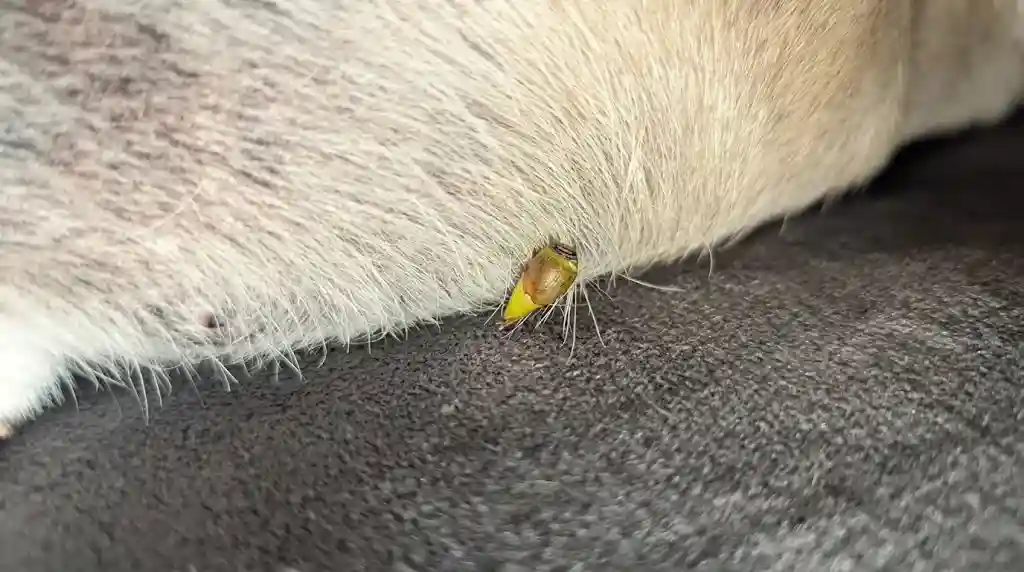
Table of Contents
How to remove burrs, tree sap, and gum from dog fur is a common concern for pet owners, especially those whose dogs enjoy outdoor adventures. These sticky and prickly nuisances can quickly turn a fun outing into a grooming challenge, potentially leading to discomfort, skin irritation, and even infection if not addressed properly. Prompt and safe removal is crucial to maintain your dog’s health and happiness. This comprehensive guide will equip you with the knowledge and techniques to effectively tackle these sticky situations, ensuring your furry friend remains comfortable and their coat stays healthy. We will cover everything from identifying the problematic substances to using the right tools and implementing preventative measures.
Understanding the Common Culprits and Remove Burrs, Tree Sap
Before diving into removal methods, it is important to understand what burrs, tree sap, and gum are, and why they pose a threat to your dog’s fur and skin. Each substance has unique characteristics that make it particularly challenging to remove.
What are Burrs?
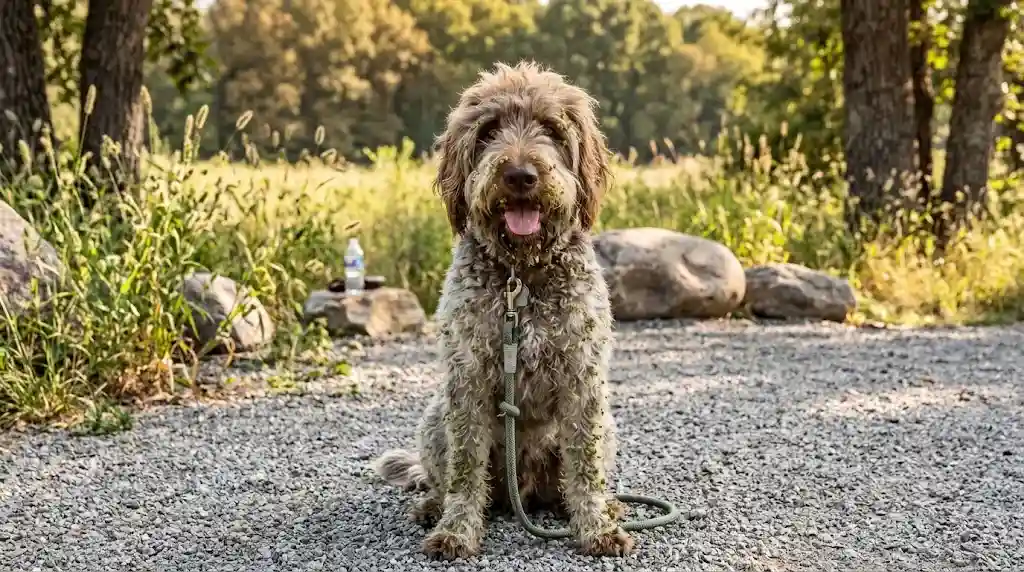
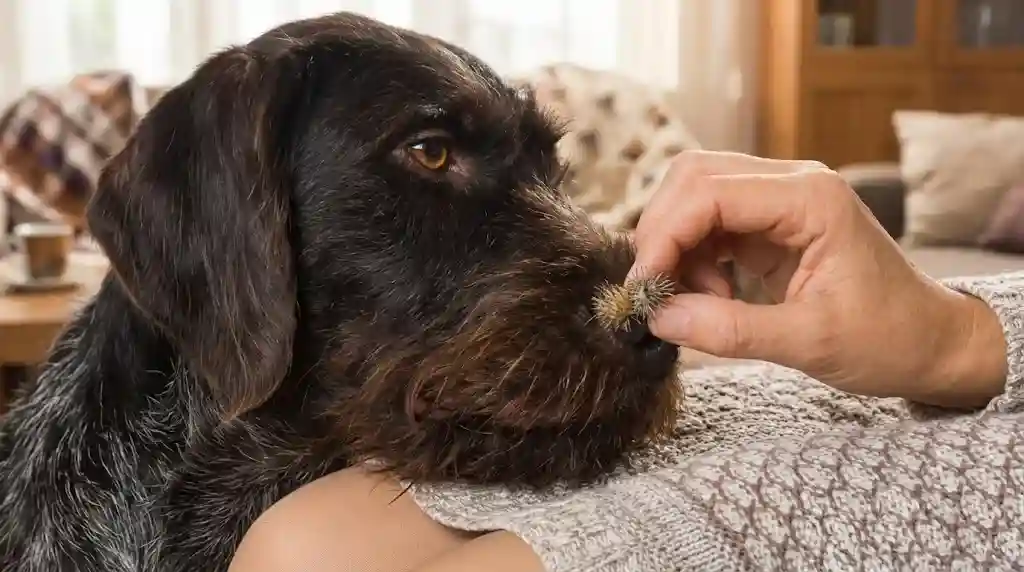
Burrs are the prickly seed pods of various plants, such as burdock, beggar’s lice, and thistle, that are designed by nature to hitch a ride on passing animals for seed dispersal. These “tiny cactuses” have barbed hooks that act like strong Velcro, allowing them to cling tenaciously to fur and fabric. Dogs with longer or denser coats, like many retrievers, spaniels, and collies, are particularly susceptible to collecting burrs.
If left in your dog’s fur, burrs can quickly become entangled, forming painful mats and dreadlocks that pull on the skin. The sharp points of burrs can also cause cuts and irritation, leading to soreness, inflammation, and a heightened risk of secondary skin infections if the skin is broken or repeatedly scratched. Common problem areas include armpits, the base of the tail, ear flaps, the groin, and between the toes, as these spots are often hidden and sensitive. In rare cases, some dogs may even swallow burrs, which typically pass through the digestive system without issue if the dog remains asymptomatic. However, if symptoms like excessive drooling, coughing, gagging, or difficulty breathing occur, immediate veterinary attention is necessary.
Why is Tree Sap Problematic?
Tree sap, while a natural substance, can be a significant nuisance when it gets into your dog’s coat. It is incredibly sticky and can quickly harden, making it difficult to remove. Once sap adheres to fur, it can trap dirt, leaves, pine needles, and other debris, leading to uncomfortable matting.
Beyond the mess, tree sap can irritate your dog’s skin, potentially causing itchy hot spots, rashes, or even allergic reactions. Some types of sap, particularly pine sap, can be mildly toxic if ingested. If a dog licks or chews at sap on their paws or fur, it can lead to stomach upset, vomiting, lethargy, or excessive drooling. Prolonged chewing can also cause skin irritation and granulomas. Therefore, preventing ingestion and removing sap promptly is essential.
The Sticky Situation of Chewing Gum
Finding chewing gum stuck in your dog’s fur is arguably one of the most frustrating sticky situations a pet owner can face. Gum is notoriously difficult to remove from hair due to its elasticity and adhesive properties. It can quickly become a tangled mess, especially in dogs with thick or long coats.
The primary dangers of chewing gum involve physical discomfort and potential ingestion. As gum dries and hardens, it can pull painfully on your dog’s skin and create tight mats. More critically, many sugar-free chewing gums contain xylitol, an artificial sweetener that is highly toxic to dogs. Even small amounts of xylitol can cause a rapid drop in blood sugar (hypoglycemia), leading to seizures, liver failure, or even death. It is paramount to check the ingredients of any gum your dog might have encountered and to prevent them from ingesting it.
Essential Tools and Preparations for Safe Removal
Approaching any sticky or prickly situation with the right tools and a calm demeanor will make the removal process much smoother and less stressful for both you and your dog. Preparation is key to ensuring a safe and efficient experience.
Gathering Your Arsenal
Having all necessary items within reach before you begin will prevent interruptions and help keep your dog settled. Here’s a list of essential tools:
- Protective Gloves: To protect your hands from sticky substances or sharp burrs.
- Combs: A wide-toothed metal comb is invaluable for working through tangles and lifting burrs. A fine-toothed comb or flea comb can be useful for smaller debris. Rotating-tooth combs are highly effective for burrs as their teeth spin to navigate burrs without yanking.
- Brushes: A pin and bristle brush can help with initial detangling and finishing. A slicker brush is good for removing loose fur and smaller burrs.
- Oils and Lubricants: Coconut oil, olive oil, vegetable oil, canola oil, or mineral oil are excellent for loosening sticky substances like sap and gum. Petroleum jelly can also be used for gum.
- Peanut Butter: Smooth, xylitol-free peanut butter is a widely recommended, safe, and effective remedy for both sap and gum due to its oily consistency. Always ensure it is xylitol-free to avoid severe toxicity.
- Ice Cubes: Useful for hardening chewing gum, making it easier to break off.
- Blunt-Ended Scissors or Dog Clippers: For carefully trimming out severely matted areas as a last resort. Clippers are often safer than scissors for sensitive areas as they reduce the risk of cutting the skin.
- Pliers: Can be used to crush larger, harder burrs, breaking them into smaller, more manageable pieces.
- Pet-Safe Shampoo and Warm Water: For a thorough cleaning after removal to get rid of any oily residue.
- Towels: Absorbent towels or paper towels for cleanup.
- Treats: Essential for rewarding your dog and maintaining a positive experience.
- Optional: A leave-in conditioner or detangling spray (silicone-based or natural plant-based) can make fur slippery and easier to work with, especially for burrs.
Creating a Calm Environment
A calm and quiet environment is crucial for a stress-free removal process. Choose a well-lit area where your dog feels secure and comfortable. If possible, have another calm adult assist you by gently holding your dog, offering reassurance, and providing treats. Speak to your dog in soothing tones and offer praise generously throughout the process. A non-slip surface will also help keep your dog stable and prevent any accidental slips or falls.
Pre-Assessment: Identifying the Extent of the Problem
Before you begin, carefully inspect the affected area. Assess the size and depth of the burrs, sap, or gum. Check if the substance is limited to the fur or if it’s close to the skin, eyes, mouth, or paw pads. If the substance is unknown, has been swallowed, is touching an eye or inside the mouth, or if the skin appears painful or damaged, it is best to contact your veterinarian or an animal poison control service immediately. For confirmed sap limited to intact fur, you can proceed with home removal.
Separating the clean fur from the contaminated section can prevent the problem from spreading further. Remember, patience is your most important tool. Do not pull hard on the fur or the sticky substance, as this can cause pain, tighten mats, and damage your dog’s skin.
For more detailed guidance on preparing your dog for grooming, you might find valuable insights on our guide to preparing your dog for grooming.
Step-by-Step Guide to Removing Burrs
Removing burrs can be a delicate process, but with the right technique and patience, you can free your dog from these prickly annoyances. Always prioritize your dog’s comfort and safety.
- Start with the Easiest Burrs First: Begin by tackling the burrs that appear least entangled or are on the ends of longer hairs. Success with these “easy wins” can help your dog relax and build trust for the more challenging ones.
- Manual Removal and Teasing: For loose, individual burrs, you may be able to gently pull them out by hand, wearing gloves for protection. Take care to avoid tugging on the skin.
- Crushing Larger Burrs: If you encounter a large, hard burr, use pliers to gently crush it. Breaking the burr into smaller pieces makes it much easier to remove without pulling on your dog’s fur as much.
- Using a Comb and Oil/Conditioner:
- Apply a Lubricant: For more embedded burrs, generously apply a dog-safe oil like coconut oil, olive oil, or a detangling spray to the affected fur. These lubricants help the hair shaft become slippery, allowing the burr to slide out more easily. Cooking spray (e.g., canola oil) is also a good, lick-safe option.
- Comb Away from the Root: Using a wide-toothed metal comb, start by gently working the burr out from the tips of the fur, gradually moving closer to the skin. Always keep one hand between the burr and your dog’s skin to protect it and prevent the burr from reattaching. Comb in small sections, rather than trying to clear a large area at once, to minimize discomfort.
- Rotating Tooth Combs: These specialized combs are particularly effective as their rotating teeth help to gently coax burrs out of the fur with less pulling.
- Dealing with Matted Burrs: If burrs have created significant mats, it’s crucial to be extra cautious.
- Gentle Separation: Try to gently pull apart the mat with your fingers, working from the outside in.
- Trimming as a Last Resort: If a mat is too tight and cannot be worked out with oil and a comb, trimming may be necessary. If you must use scissors, ensure they are blunt-ended and that you can see light between the skin and the fur you are cutting. A safer alternative is to use dog clippers, as they significantly reduce the risk of cutting the skin. If using clippers, introduce the sound and vibration to your dog calmly, offering treats. If you are uncomfortable with trimming, a professional groomer or veterinarian can safely remove matted fur.
Tackling Stubborn Tree Sap
Tree sap, with its sticky and often hardened consistency, requires a methodical approach. The goal is to dissolve its stickiness using safe, oil-based products.
- Soften Hardened Sap: If the sap has hardened, it will be more difficult to remove. Use a hairdryer on the lowest setting, holding it a safe distance from your dog’s skin, to gently warm and soften the sap. Test the dryer on your hand first to ensure it’s warm, not hot. This step makes the sap more pliable and easier to work with.
- Apply Oil-Based Solutions: This is where the magic happens. Generously apply a pet-safe oil like olive oil, mineral oil, or vegetable oil to the sap-affected area. Coconut oil can also be used. The oil helps to break down the sticky resins in the sap.
- Peanut Butter Method: As an alternative or in conjunction with oils, smooth, xylitol-free peanut butter is highly effective. Massage a generous amount of peanut butter into the sap, letting it sit for a few minutes. The oils in the peanut butter work to loosen the sap’s grip. Remember, always check labels for xylitol.
- Work in Small Sections: Using your fingers and a wide-toothed comb, carefully and slowly work the sap out of the fur. Start from the tips of the fur and move towards the body, gently teasing the sap away. Wipe off excess oil and sap residue with a paper towel or washcloth as you go, to prevent rubbing it back into the coat.
- Consider Trimming (Cautiously): For very stubborn or large patches of sap that are close to the tips of the hair and won’t budge after several attempts, careful trimming with blunt-ended scissors or grooming clippers may be necessary. Always be extremely cautious not to cut too close to the skin. If you are uncomfortable, a professional groomer is the best option.
- Post-Removal Bath: Once all the sap and oily product are removed, bathe your dog with a mild, pet-friendly shampoo and warm water. You may need to shampoo the area more than once to completely remove the oily residue. Leftover oil can attract more dirt.
Comparison of Sticky Substance Removal Methods
Understanding which methods work best for each type of sticky intruder can streamline the removal process and ensure you’re using the safest and most effective approach.
| Substance | Primary Removal Method(s) | Key Ingredients/Tools | Important Considerations |
|---|---|---|---|
| Burrs | Manual removal, combing, oil/conditioner application, crushing | Wide-toothed comb, rotating tooth comb, pliers, coconut/olive/vegetable oil, detangling spray, blunt scissors/clippers | Comb away from root, protect skin, use clippers over scissors near skin, patience is crucial. |
| Tree Sap | Oil-based dissolution, gentle heat (if hardened), combing | Olive oil, mineral oil, vegetable oil, smooth xylitol-free peanut butter, hairdryer (low setting), wide-toothed comb, pet shampoo | Soften first if hardened, avoid harsh chemicals/solvents, prevent ingestion, bathe thoroughly afterward. |
| Chewing Gum | Oil-based dissolution, freezing, combing | Smooth xylitol-free peanut butter, petroleum jelly, vegetable oil, ice cubes (in bag/towel), wide-toothed comb, blunt scissors/clippers | Crucially, avoid xylitol. Do not try to brush out, do not bathe before removal, do not pull hard on fur. Bathe afterward. |
The Sticky Challenge of Chewing Gum
Chewing gum is perhaps the most vexing of the sticky culprits. Its elasticity and strong adhesion make it particularly challenging, but not impossible, to remove without resorting to cutting large sections of fur.
- Assess and Isolate: First, determine the extent of the gum entanglement. If possible, gently separate the section of fur containing the gum from the rest of the coat to prevent further spread.
- The Ice Cube Method: For fresh gum that isn’t too deeply matted, the ice cube method can be effective.
- Place ice cubes in a bag or wrap them in a towel to protect your dog’s skin from direct contact with extreme cold.
- Hold the ice pack against the gum for 3-5 minutes to freeze and harden it. Gum becomes less elastic and easier to break when frozen.
- Once hardened, use your fingers to gently break off small pieces of the gum and pull them out of the fur. If the gum softens, reapply ice.
- Peanut Butter to the Rescue: This is often the most recommended and effective method for chewing gum.
- Apply a generous amount of smooth, xylitol-free peanut butter directly onto the gum and the surrounding affected fur.
- Massage the peanut butter thoroughly into the gum. The oils in the peanut butter help to dissolve the stickiness of the gum.
- Let it sit for a few minutes to allow the oils to work.
- Using your fingers or a wide-toothed comb, gently work the gum out of the fur. It will start to clump and become less sticky. Continue to add peanut butter if needed, working in small sections.
- Critical Safety Note: Ensure the peanut butter contains NO XYLITOL. Xylitol is highly toxic to dogs.
- Vegetable Oil or Petroleum Jelly: If peanut butter is unavailable or not working, vegetable oil or petroleum jelly can be used in a similar manner to break down the gum’s stickiness. Apply, let sit, then gently comb out.
- Avoid Brushing and Bathing Prematurely: Do NOT try to brush gum out, as this will only spread it further and embed it deeper into the fur. Also, avoid bathing your dog before removal, as warm water and shampoo can make the gum stickier and harder to remove.
- When to Consider Trimming: If all other methods fail, or the gum is severely matted and close to the skin, careful trimming with blunt-ended scissors or dog clippers may be the only option. As with burrs and sap, prioritize safety and consider a professional groomer if you are hesitant. While a small bald patch might result, the fur will grow back.
- Final Clean-up: After successfully removing the gum, bathe your dog with a good quality pet shampoo to remove any oily residue from the peanut butter or oils. You may need to wash the area multiple times.
For general dog health and wellness information, consult reliable sources such as Wikipedia’s comprehensive article on dogs.
Post-Removal Care and Prevention Strategies
Once you’ve successfully removed burrs, sap, or gum, the job isn’t quite finished. Proper post-removal care and proactive prevention are essential for maintaining your dog’s coat health and preventing future incidents.
Bathing and Conditioning
After removing any of these sticky or prickly substances, a thorough bath is usually necessary. Use a gentle, pet-specific shampoo and warm water to cleanse the affected area, and if necessary, the entire dog. This helps to remove any residual oils, sticky traces, or plant particles that might remain, which could otherwise attract more dirt or irritate the skin. You may need to shampoo and rinse the area multiple times to ensure all residue is gone. Follow up with a pet-safe conditioner to help restore moisture to the coat and make it smoother and less prone to tangles.
Checking for Skin Irritation
During and after the removal process, carefully inspect your dog’s skin for any signs of irritation, redness, cuts, or abrasions. Burrs can cause minor cuts, and prolonged contact with sap can lead to rashes or hot spots. If you notice any significant irritation, swelling, or open wounds, apply a veterinarian-approved antiseptic or consult your vet. Monitor the area over the next few days to ensure it heals properly and doesn’t develop an infection.
Preventative Grooming
Regular grooming is one of the most effective ways to prevent burrs, sap, and gum from becoming major problems.
- Daily Brushing: Brushing your dog’s coat daily or several times a week, especially after outdoor excursions, helps remove loose debris, small burrs before they embed, and prevents mats from forming. This is particularly important for dogs with long, dense, or curly coats.
- Maintaining a Shorter Coat: For dogs prone to picking up sticky things, keeping their fur trimmed to a shorter length, especially around the legs, belly, and tail, can significantly reduce the surface area for burrs and sap to attach.
- Detangling Sprays: Before walks in wooded or grassy areas, a leave-in conditioner or detangling spray can create a slippery barrier on the fur, making it harder for burrs to cling and easier to comb out if they do. Vegetable oil-based cooking sprays are also a lick-safe option for this purpose.
Protective Gear
For adventurous dogs who frequent areas with high concentrations of burrs, sap-producing trees, or discarded gum, consider protective gear:
- Dog Boots: These can protect paws and the fur between toes from burrs, sap, and other sharp objects.
- Protective Vests or Suits: Specially designed dog vests or full-body suits can cover large areas of your dog’s torso and legs, acting as a barrier against burrs and sap, especially for dogs with long fur. These are particularly useful for dogs running through dense brush or tall grasses.
Avoiding Problematic Areas
The simplest prevention method is to avoid areas known to have burr-producing plants, sap-dripping trees, or where chewing gum is frequently discarded.
- Stay on Trails: When hiking, stick to established trails to minimize exposure to dense undergrowth.
- Leash Control: Keeping your dog on a leash in wooded or grassy areas can help you guide them away from potential hazards.
- Yard Maintenance: If you have burr-producing weeds or sap-dripping trees in your own yard, consider fencing them off or maintaining them regularly to reduce the risk.
After every walk, especially during fall when many plants shed their seeds, it’s a good habit to conduct a quick “burr check” on your dog, focusing on sensitive areas like paws, ears, armpits, and under the tail. Early detection makes removal much easier and less painful.
For further information on ensuring your dog’s safety during outdoor activities, particularly regarding common plant hazards, please see our guide on outdoor safety tips for dogs.
Conclusion
Dealing with burrs, tree sap, and chewing gum in your dog’s fur can be a frustrating experience, but with the right approach, patience, and the correct tools, it is a manageable challenge. The key is to act promptly, gently, and always prioritize your dog’s comfort and safety. Remember to equip yourself with essential items like wide-toothed combs, various safe oils, and pet-friendly shampoos. For stubborn situations, xylitol-free peanut butter or ice cubes can be invaluable allies.
Crucially, be vigilant about the potential dangers of these substances, especially the toxicity of xylitol in chewing gum and the skin irritation that can arise from prolonged contact with burrs and sap. Post-removal care, including thorough cleaning and checking for skin irritation, is just as important as the removal itself. Finally, consistent preventative grooming, such as regular brushing, maintaining a suitable coat length, and utilizing protective gear, will significantly reduce the likelihood of future sticky encounters, allowing both you and your canine companion to enjoy the outdoors worry-free. With these strategies in mind, you can keep your dog’s coat healthy, clean, and free from unwanted hitchhikers.