Dog Ramp for High Bed: 7 Easy Solutions for Safer Bed Access
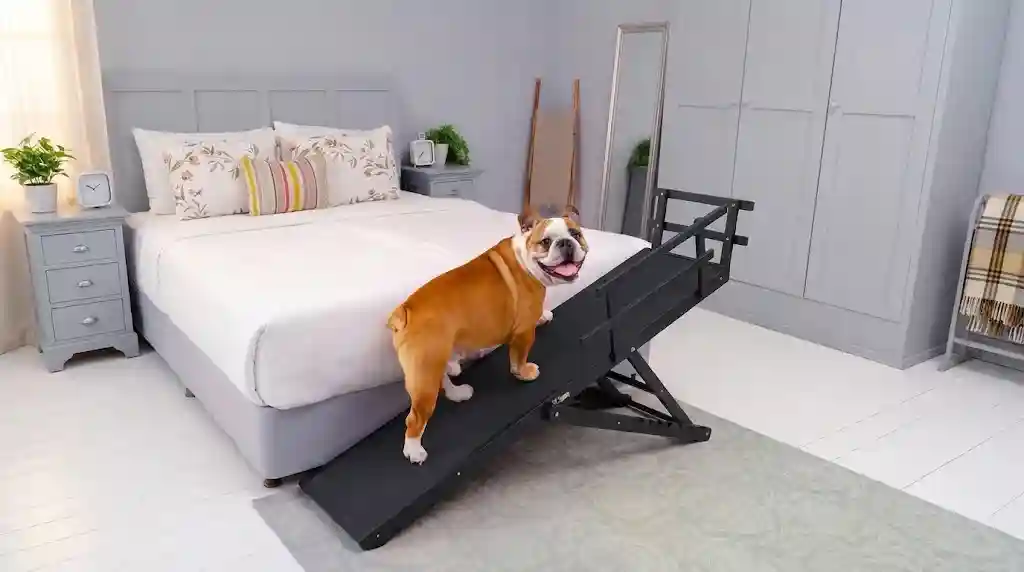
Table of Contents
Dog ramp for high bed solutions are becoming an increasingly popular and essential accessory for pet owners who prioritize the well-being and independence of their canine companions. As modern beds tend to be taller, reaching heights of 28-36 inches, providing a safe and accessible means for dogs to get on and off without strain is crucial. This comprehensive guide will explore the myriad benefits, selection criteria, types, and training methods associated with dog ramps for high beds, ensuring your furry friend can enjoy their favorite elevated spots comfortably and safely.
Introduction to Dog Ramps for High Beds
A dog ramp, sometimes referred to as a canine ramp, is a gently inclined walkway specifically designed to allow dogs to access elevated surfaces like beds, sofas, and vehicles without the need for jumping. Unlike pet stairs, which involve a series of steps, a ramp offers a continuous, smooth path, significantly reducing the impact on a dog’s joints and spine. This makes dog ramps an ideal solution for a wide range of dogs, from energetic puppies to those with mobility challenges, ensuring they can navigate their environment with greater ease and confidence. The core idea behind a dog ramp for a high bed is to promote independence for your pet, allowing them to join you on the bed without assistance or risking injury.
Why a Dog Ramp is Essential for High Beds
High beds, while comfortable for humans, can pose significant challenges for dogs. Repeatedly jumping up and down from a tall bed can put immense pressure on a dog’s front legs and spine, leading to severe joint degradation and acute injuries over time. This is particularly true for certain breeds and age groups:
- Small Breeds: Dogs with shorter legs and smaller frames, such as Dachshunds, Corgis, and French Bulldogs, struggle with the height of a typical high bed. Frequent jumping can cause unnecessary stress on their delicate joints and backs, with breeds like Dachshunds being especially prone to conditions such as Intervertebral Disc Disease (IVDD).
- Senior Dogs: As dogs age, they often experience stiffness, arthritis, hip dysplasia, and a general loss of mobility. For these pets, jumping can be painful, difficult, or even impossible. A dog ramp provides a gentle alternative, allowing them to continue enjoying their favorite sleeping spots without discomfort or exacerbating existing conditions.
- Puppies and Young Dogs: While seemingly agile, puppies have developing joints and growth plates that are vulnerable to injury from high-impact activities like jumping. Introducing a ramp early can help prevent future joint problems. For puppy care tips, see this guide on how to potty train a puppy fast.
- Dogs Recovering from Surgery or Injury: For pets undergoing rehabilitation or recovering from surgery, a ramp is invaluable. It allows them to access elevated surfaces without straining healing tissues, providing a safe way to move around during their recovery period.
- Large Breeds: Even large dogs, despite their size, can benefit from ramps. The continuous impact of jumping can take a toll on their joints over time, potentially leading to discomfort and pain in their senior years.
Ultimately, a dog ramp for a high bed acts as a preventative measure against long-term joint damage and sudden injuries, ensuring your dog can maintain their quality of life and independence for longer.
Health Benefits of Using a Dog Ramp
The decision to invest in a dog ramp for a high bed extends beyond mere convenience; it offers significant health advantages for your canine companion:
- Joint Protection and Pain Relief: For dogs with conditions like arthritis, hip dysplasia, or other joint pain, a ramp eliminates the jarring impact of jumping, significantly reducing strain on their joints. This allows them to move more comfortably and can help manage pain. Consistent use of a ramp can help reduce inflammation and improve sleep posture by supporting the spine and hips evenly.
- Injury Prevention: By replacing jumping with a gradual incline, ramps prevent potential injuries such as sprains, fractures, spinal issues, and even ACL tears. This is particularly important for breeds prone to back problems or those with existing sensitivities.
- Improved Mobility and Independence: A ramp empowers dogs, especially older or less agile ones, to access their beloved high beds independently. This fosters a sense of self-reliance and reduces the need for owners to constantly lift their pets, which can also prevent back strain for the humans.
- Enhanced Spinal Alignment: The gentle slope of a ramp promotes better spinal alignment compared to the abrupt movements of jumping or climbing stairs. This is crucial for long-backed breeds and can contribute to overall musculoskeletal health.
- Prevention of Future Issues: Even for young, healthy dogs, consistent use of a ramp can prevent the cumulative wear and tear on joints that can lead to problems later in life. As one expert noted, “it’s better to teach a dog to use a ramp before they need it, not when they need it.”
- Better Sleep Quality: Dogs who are uncomfortable or in pain may experience disrupted sleep. An accessible bed via a ramp, especially when paired with an orthopedic bed, can lead to better quality rest, which is vital for their overall health and recovery.
In essence, a dog ramp is a proactive investment in your dog’s long-term health and happiness, allowing them to enjoy their golden years with greater comfort and dignity. For senior dogs with joint issues, this guide on why your dog is itching so much may also be helpful if skin issues are a concern.
Choosing the Right Dog Ramp: Factors to Consider
Selecting the ideal dog ramp for your high bed requires careful consideration of several key factors to ensure it meets both your dog’s needs and your home’s specifications. The “Rise, Run, and Reach” fit method is a helpful framework, focusing on bed height, floor space, and your dog’s physical characteristics.
- Bed Height: This is arguably the most critical factor. Measure the distance from the floor to the top of your mattress, including any toppers. A higher bed will generally require a longer ramp to achieve a gentle, safe incline. Ramps are available for beds ranging from 12 inches to over 37 inches high, with some adjustable models covering a wide range.
- Ramp Length and Incline: Longer ramps create a more gradual incline, which is always preferable, especially for senior dogs, small dogs, or those with joint issues. A gentle incline angle, ideally between 18 and 27 degrees, is recommended. For small dogs, aim for an angle near 20-25 degrees or gentler. A very short ramp for a high bed will result in a steep and potentially uncomfortable incline, discouraging your dog from using it.
- Dog’s Size and Weight: The ramp must be wide enough to accommodate your dog comfortably and stable enough to support their weight without wobbling or flexing. Ensure the ramp’s weight capacity significantly exceeds your dog’s weight for maximum safety and confidence. For larger breeds, a wider ramp (e.g., 18-19 inches) can provide more security.
- Surface Traction: A non-slip surface is absolutely essential to prevent accidents. Look for ramps with textured mats, carpeted surfaces, or rubberized paw-grip materials. These materials offer consistent traction even if your dog pauses or turns on the ramp. Smooth wood or plastic surfaces can be slippery and should be avoided unless they have an effective non-slip treatment.
- Side Rails: Side rails can provide additional guidance and a sense of security for dogs, especially those who are nervous, visually impaired, or unsteady on their feet. Some ramps offer removable and reversible side rails for added flexibility.
- Material and Construction: Ramps are commonly made from wood, plastic, foam, or aluminum. Wood offers sturdiness and can blend well with home decor. Solid hardwood is highly durable. However, wooden ramps can be heavy and may require more maintenance if used outdoors. Plastic is lightweight and often foldable, but may not be as sturdy for heavier dogs and can lack sufficient traction unless textured. Foam is lightweight and offers a cushioned surface, ideal for small to medium dogs and those with joint pain. However, foam can compress over time and may not be suitable for larger pets or those who chew. Aluminum is highly durable, lightweight, resistant to corrosion, and often designed with non-slip surfaces, making it an excellent choice for stability and ease of transport, especially for car ramps. Ensure the ramp has stable construction and doesn’t wobble or flex under your dog’s weight.
- Available Floor Space: Longer ramps require more floor space. Before purchasing, measure not only the bed height but also the available area beside the bed to ensure the ramp fits without obstructing walkways or doors. Foldable designs can be useful for compact bedrooms or for travel.
- Aesthetics: Many indoor ramps are designed to be furniture-grade, blending seamlessly with your home decor. You can find options in various wood finishes or colors to match your bedroom’s style.
Types of Dog Ramps for High Beds
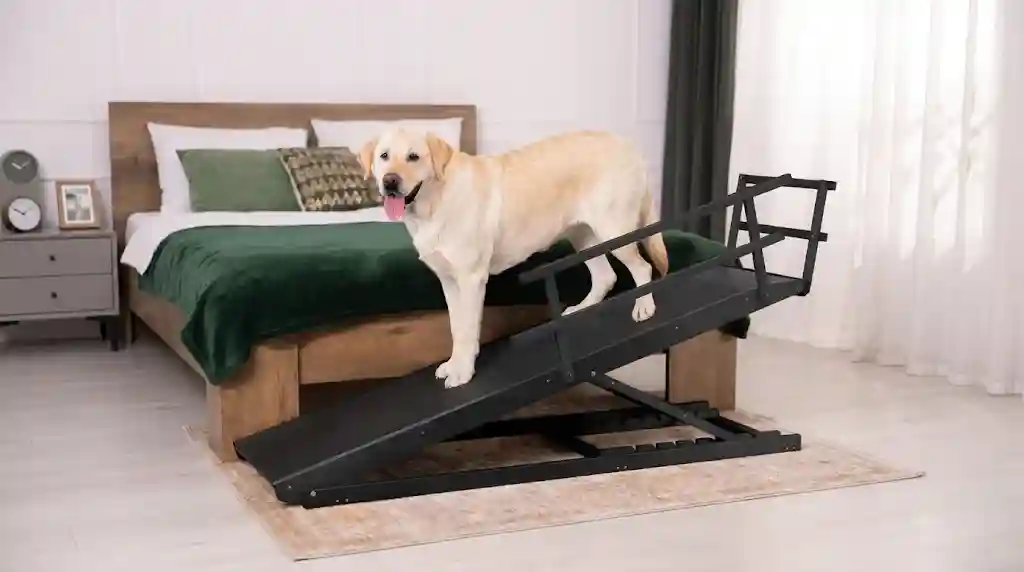
The market offers a variety of dog ramp designs, each with specific features catering to different needs and preferences:
- Adjustable Ramps: These ramps offer multiple height settings, allowing them to be used with various bed heights or even other pieces of furniture. This versatility makes them a popular choice for homes with different bed styles or if you anticipate moving the ramp.
- Fixed Ramps: Designed for a specific bed height, these ramps are generally very sturdy and provide a permanent, stable solution. They often have a solid construction without hinges, contributing to their robustness.
- Foldable/Collapsible Ramps: Ideal for smaller spaces or for owners who wish to store the ramp when not in use. These ramps can be easily folded down for compact storage under a bed or in a closet, and some are also portable for travel.
- Ramp-Stair Combinations (Stramps): A hybrid option that combines a gentle incline with steps. These can be suitable for dogs who are comfortable with some stepping motion but still benefit from a less steep ascent than traditional stairs.
- Freestanding vs. Attached Ramps: Some ramps are designed to be freestanding, while others may have an anchor rope system to secure them to the bed for extra stability.
When considering the various options, it’s important to match the ramp type to your dog’s temperament and physical condition. For example, some large dog ramps feature an upper landing platform to make the final step onto a higher bed easier. For anxious dogs during training or new experiences, this guide on dog grooming tips for anxious dogs can be very helpful.
| Ramp Feature | Description | Benefit to Dog / Owner |
|---|---|---|
| Adjustable Height | Allows ramp height to be changed for different furniture. | Versatility; one ramp for multiple beds/couches. |
| Non-Slip Surface | Textured carpet, rubber, or grip material. | Prevents slips and falls, builds dog’s confidence. |
| Side Rails | Raised edges along the ramp’s sides. | Provides security, prevents dogs from stepping off. |
| Foldable Design | Ramp can be collapsed for storage. | Space-saving, easy to transport for travel. |
| Gentle Incline | Longer ramp relative to bed height. | Reduces joint strain, easier for senior/small dogs. |
| Sturdy Construction | Solid wood, aluminum, or high-density foam. | Prevents wobbling/flexing, ensures safety and confidence. |
| Weight Capacity | Maximum weight the ramp can safely support. | Ensures ramp stability for dog’s size. |
Installation and Training Your Dog to Use a Ramp
Once you’ve chosen the perfect dog ramp for your high bed, proper installation and patient training are key to ensuring your dog uses it safely and confidently. Many dogs may be initially hesitant about a new object, so a gradual and positive approach is crucial.
Proper Installation:
- Stable Placement: Ensure the ramp is placed securely against the bed, with no gaps or wobbling. Some ramps come with anchor systems to attach them to the bed for added stability.
- Clear Path: Position the ramp in an area where your dog has an unobstructed path to approach and exit.
- Check Angle: Verify that the incline is gentle enough for your dog’s comfort, especially for senior or small breeds.
Training Techniques:
Training a dog to use a ramp involves positive reinforcement and patience, typically following a step-by-step process:
- Introduce the Ramp on Flat Ground: Start by laying the ramp flat on the floor without any incline. Let your dog sniff and explore it at their own pace. Drop treats on the surface and praise any interaction. Encourage them to walk across the flat ramp, rewarding them when they do.
- Add a Slight Incline: Once your dog is comfortable with the flat ramp, raise one end slightly, perhaps onto a low step or a stack of books. Hold the ramp steady and repeat the exercise, encouraging them with treats and praise for walking up and down the gentle slope.
- Gradually Increase Height: Over several days or weeks, slowly increase the height of the ramp until it reaches your bed’s height. Always ensure the ramp remains stable and secure. If your dog shows any apprehension, revert to a lower height where they are comfortable.
- Use Treats and Praise Consistently: High-value treats and enthusiastic praise are powerful motivators. Reward your dog immediately for any positive interaction with the ramp.
- Create a Trail: For hesitant dogs, create a trail of treats or toys along the ramp’s surface to encourage them to move up and down.
- Walk with Your Dog: Some dogs learn by mimicry. Try walking alongside or even across the ramp (if safe for you) to encourage your dog to follow.
- Add a Verbal Cue: Once your dog is consistently using the ramp, introduce a verbal cue like “up” or “ramp” as they ascend, associating the command with the action.
- Patience is Key: Every dog learns at their own pace. Avoid rushing or forcing your dog, as this can create a negative association with the ramp. Keep training sessions short and positive, typically 1-3 minutes a few times a day. If frustration arises for either you or your dog, take a break.
- Supervision: Initially, supervise your dog’s use of the ramp to ensure they are using it correctly and safely.
For more detailed insights on training and pet behavior, consulting reputable sources like the American Kennel Club (AKC) can provide valuable context and additional techniques. For general training help, this guide on pet training near me can point you in the right direction. And for puppy-specific training, this guide on easy commands every puppy should learn is very useful.
Maintenance and Longevity of Your Dog Ramp
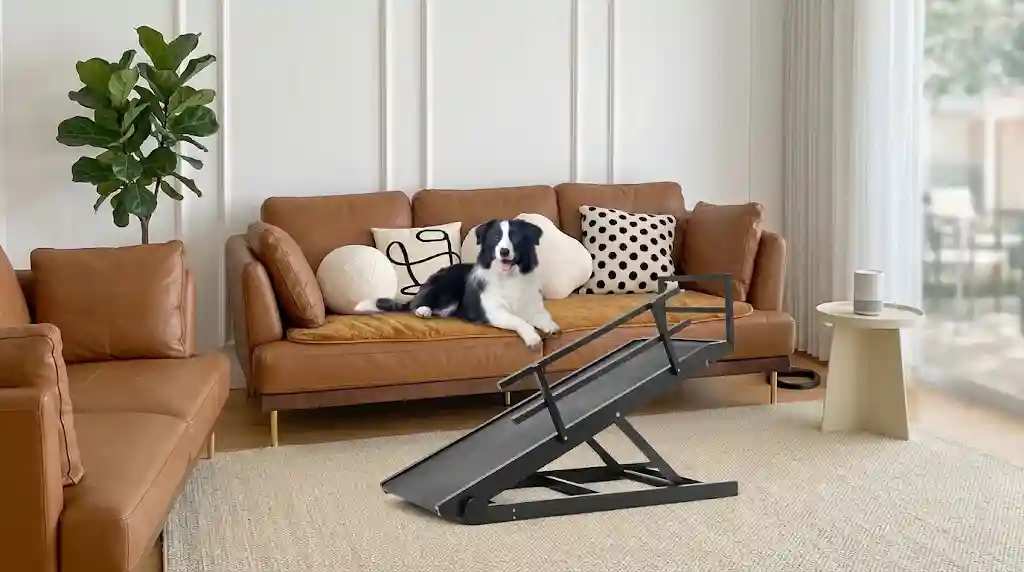
To ensure your dog ramp remains safe, functional, and durable for years to come, regular maintenance is essential. The specific care required will largely depend on the ramp’s material:
Cleaning the Surface:
- Carpeted Ramps: Vacuum regularly to remove pet hair and debris. For stains, spot clean with a pet-safe carpet cleaner. Some carpet treads are removable and machine washable.
- Rubberized or Textured Surfaces: These are generally easy to wipe clean with a damp cloth and mild soap. Rubber surfaces tend to be easier to clean than carpet.
- Wood Ramps: Wipe down with a damp cloth. For finished wood, use a wood polish periodically.
- Plastic and Aluminum Ramps: Can be easily cleaned with soap and water.
Inspecting for Wear and Tear:
Regularly check the ramp for any signs of damage:
- Structural Integrity: Look for loose screws, cracks in the frame, or signs of instability. Tighten any loose fasteners. For wooden ramps, check for splinters.
- Traction Surface: Examine the non-slip material for fraying, bald spots, or areas where the grip has worn down. Replace or repair the surface if it becomes slippery.
- Hinges (for foldable ramps): Ensure hinges are clean, functioning smoothly, and free from rust or damage.
- Side Rails: Check that side rails are securely attached and undamaged.
Material-Specific Care:
- Wood: If your wooden ramp is unfinished or showing signs of wear, consider reapplying a protective sealant or stain, especially if there’s any chance of moisture exposure.
- Foam: If the ramp has a removable fabric cover, wash it according to the manufacturer’s instructions. Inspect the foam core for compression or damage over time.
Proper Storage (for foldable ramps):
When not in use, store foldable ramps in a dry, safe place where they won’t be exposed to extreme temperatures or humidity, which can degrade materials over time.
By conducting routine checks and adhering to appropriate cleaning practices, you can significantly extend the lifespan of your dog ramp, ensuring it remains a reliable and safe aid for your pet for many years. If your dog has skin issues or allergies, this guide on dog allergies may be helpful. For paw pad injuries, see this guide on dog skin infections.
Conclusion
A dog ramp for a high bed is far more than just a convenience item; it is a vital tool for promoting your dog’s long-term health, safety, and independence. From protecting delicate joints in small breeds and senior dogs to preventing serious injuries and supporting recovery, the benefits are extensive and profound. By carefully considering factors such as bed height, ramp length, material, and traction, and by implementing patient, positive reinforcement training, you can provide your canine companion with effortless access to their favorite elevated spaces. Investing in the right dog ramp ensures that your furry family member can continue to enjoy the comfort and companionship of your high bed, contributing to a happier, healthier life for both pet and owner. For a complete grooming routine for your dog, see this dog grooming checklist for first-time owners. For dogs with sensitive stomachs, this guide to the best dry dog food for sensitive stomachs can help. And for puppies, this guide to the best puppy food for large breed puppies is a valuable resource.