Dog Crate Cover Benefits: 5 Amazing Ways to Improve Your Dog’s Comfort and Security
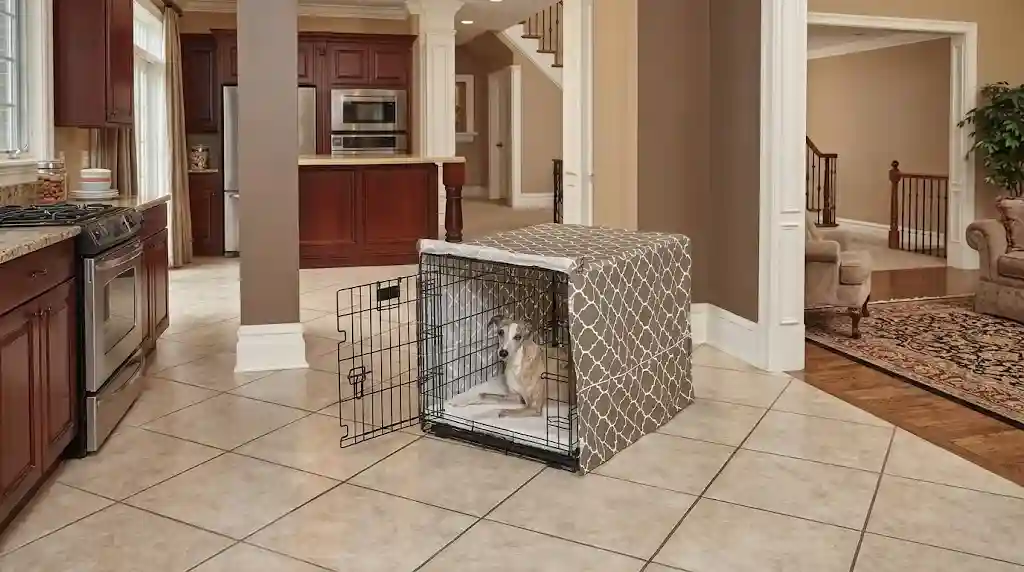
Table of Contents
Dog crate cover benefits extend far beyond mere aesthetics, transforming a utilitarian wire enclosure into a cozy, secure sanctuary that caters to a dog’s natural instincts and significantly enhances their well-being. While a dog crate is an invaluable tool for training, travel, and providing a safe space, an uncovered wire crate can often feel exposed and unsettling for many canines. The addition of a properly chosen crate cover can elevate the crate experience, offering a multitude of advantages that promote calmness, better sleep, and more effective training.
Dogs are inherently den animals, possessing an instinctive desire for a secluded, enclosed area where they can feel safe and private. In the wild, their ancestors, wolves, sought out dens or shaded areas for rest and security. An open-wire crate, despite its utility, often fails to provide this innate sense of enclosure, leaving dogs feeling vulnerable and overexposed. This can lead to increased stress and anxiety, particularly in easily excitable dogs or those adjusting to a new environment.
Enhanced Security and Dog Crate Cover Benefits
One of the foremost benefits of a dog crate cover is its ability to create a more secure and den-like environment. By covering the sides, top, and sometimes the back of a wire crate, it mimics the enclosed, sheltered spaces that dogs instinctively seek out for rest and safety. This transformation from an open, exposed cage to a cozy den helps satisfy a dog’s natural denning instinct, making the crate a positive and comforting retreat rather than just a place of confinement. This enclosed space provides a sense of protection, allowing dogs to feel more relaxed and secure.
For many dogs, a covered crate becomes their personal “bedroom” or “home-within-a-home.” It’s a dedicated space where they can retreat when feeling overwhelmed, tired, or simply in need of alone time, especially important in busy households with children or multiple pets. This clear boundary also signals to others that the dog is “off-duty” and should not be disturbed, helping to establish important personal space and respect for the dog’s need for solitude. For anxious dogs, this guide on dog grooming tips for anxious dogs can be very helpful.
Reducing Anxiety and Stress
A significant advantage of using a crate cover is its profound effect on reducing anxiety and stress in dogs. By creating a darker, quieter, and more insulated environment, a cover acts as a powerful tool in managing a dog’s anxiety. It primarily achieves this by limiting visual stimuli, which can be a major trigger for easily excitable or anxious dogs. Seeing strangers, other animals, or even the vacuum cleaner can lead to constant alert-barking and stress.
The cover blocks these external visual triggers, allowing the dog to relax more fully. This is particularly beneficial for dogs who struggle with loud noises, household chaos, or separation anxiety. While a fabric cover won’t completely soundproof a crate, it does help to muffle ambient noises, making sudden sounds like thunderstorms, fireworks, or loud traffic less jarring and reducing a dog’s fear response. This controlled environment is why veterinarians and trainers often recommend crate training, with a cover enhancing the process by making the crate a more positive and calming space from the outset. If excessive barking is an issue, this guide on how to stop excessive dog barking can help.
Aiding in Training and Potty Management
Crate covers play a crucial role in facilitating various aspects of dog training, particularly crate training and potty management. An enclosed space helps dogs settle in faster and encourages them to form a positive association with their crate. Once they feel comfortable and secure within the covered space, they begin to associate it with safety, rest, and relaxation, making the training process smoother and more effective.
For puppies, a covered crate can be especially beneficial. It replicates the warmth and coziness of the litter, helping them adjust to a new home more easily. The reduced stimulation within a covered crate can also aid in potty training by helping puppies get to sleep faster, which in turn assists with bladder control and leads to fewer accidents. Moreover, a covered crate helps establish a consistent routine, signaling bedtime at night or rest time during the day. A gentle, gradual wake-up in a dimly lit crate is often more beneficial for a puppy than a sudden, jarring awakening caused by excess light and noise from household activity. For a complete potty training guide, see this article on how to potty train a puppy fast.
Protecting Your Dog from External Stimuli
Beyond reducing anxiety, dog crate covers provide a physical barrier against various external stimuli that might otherwise disrupt a dog’s peace or overstimulate them. This protection is vital for dogs that are reactive to movement, sensitive to light, or easily disturbed by changes in their environment.
A cover effectively blocks out light, which is critical for promoting restful sleep. Just like humans, dogs’ sleep-wake cycles (circadian rhythms) are influenced by light and darkness, with darkness promoting melatonin production, a hormone essential for sleep. Excessive light, especially artificial light, can suppress melatonin and disrupt their natural sleep patterns, leading to less restorative sleep. By creating a dark environment, a crate cover helps dogs achieve deeper, longer periods of sleep, even during daylight hours. This is particularly useful for dogs who are light sleepers or for households where activity continues after the dog’s bedtime.
Furthermore, a covered crate can offer a sense of privacy, especially important in busy multi-pet households or during events like visitors coming over. It gives the dog the ability to observe their surroundings from a tucked-away space without feeling on display, offering comfort when they prefer less interaction.
| Benefit Category | Specific Advantage | Impact on Dog |
|---|---|---|
| Comfort & Security | Creates a den-like environment | Satisfies natural instincts, provides safe retreat. |
| Anxiety Reduction | Reduces visual stimuli | Minimizes external triggers, lowers stress levels. |
| Sleep Improvement | Blocks out light | Promotes melatonin production, encourages deeper sleep. |
| Training Aid | Establishes a routine cue | Facilitates crate training, aids in potty management. |
| Environmental Protection | Muffles ambient noise | Reduces fear response to loud sounds. |
| Temperature Control | Offers insulation/shade | Helps maintain a comfortable internal temperature (with proper ventilation). |
| Aesthetic Integration | Blends crate into home decor | Transforms functional item into stylish furniture. |
Temperature Regulation and Climate Control
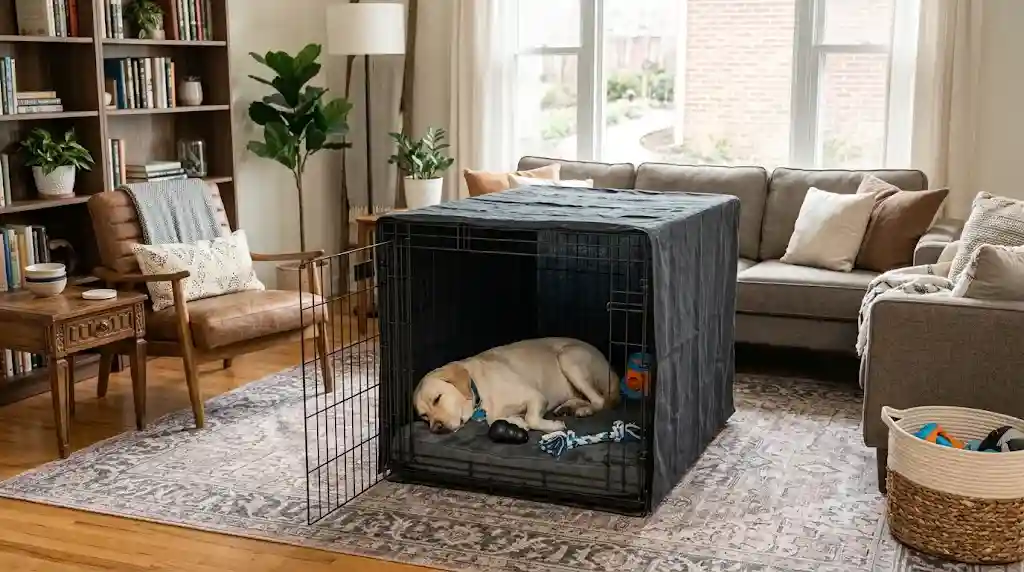
A well-designed dog crate cover can also contribute to temperature regulation and climate control within the crate, making it more comfortable for your pet throughout the year. During colder months, a thicker cover can provide light draft protection and help retain warmth, acting as an insulator. Conversely, during warmer seasons, a cover can provide essential shade, blocking direct sunlight and preventing the crate from overheating.
However, it is absolutely critical to prioritize proper ventilation to prevent overheating, especially in warm environments. Breathable fabrics like cotton canvas are highly recommended because their fibers are hollow and absorbent, preventing heat trapping unlike many synthetic materials. Many modern crate covers feature adjustable flaps, mesh windows, or panels that can be rolled up, allowing owners to control airflow and light exposure. It’s important to always ensure that the cover does not block the crate’s vents or door, maintaining a clear path for air circulation. Experts warn against using heavy, non-breathable materials, particularly in non-air-conditioned rooms where temperatures exceed 75-78°F (24-26°C), as even breathable covers can slightly raise internal crate temperatures.
Aesthetic Appeal and Home Integration
Beyond the functional benefits, dog crate covers offer a significant advantage in terms of aesthetic appeal and seamless integration into your home decor. A standard wire crate, while functional, can often be an eyesore, disrupting the visual harmony of a room. A high-quality crate cover, however, can transform it into a piece of custom pet furniture that complements your interior design.
Available in a vast array of colors, patterns, and materials, crate covers allow pet owners to choose a style that matches their personal taste and existing home furnishings. This can make the crate feel less like an animal enclosure and more like an intentional, stylish element of the living space. For instance, durable cotton canvas covers offer a classic look and come in various designs, while options with roll-up panels provide versatility and a tidy appearance. Investing in a cover means you don’t have to sacrifice style for your dog’s comfort and security. This blending of functionality and design makes the crate a more acceptable and even desirable feature in any room. For a complete grooming routine, see this dog grooming checklist for first-time owners.
Choosing the Right Crate Cover: Materials and Features
Selecting the appropriate dog crate cover is crucial to maximize its benefits and ensure your dog’s safety and comfort. Several factors should be considered, with material being paramount. Breathability is a non-negotiable aspect, especially to prevent overheating. Natural fibers such as 100% cotton canvas or cotton-linen blends are often considered the “gold standard” due to their excellent breathability, durability, and ability to release odors effectively during washing.
Conversely, heavy wool or non-breathable synthetic materials like polyester, nylon, or plastic should generally be avoided, as they can trap heat and create a “greenhouse effect” inside the crate. However, some synthetic blends are designed with breathability in mind, often incorporating mesh panels for airflow. For outdoor use or increased protection, some covers are made from durable, waterproof Oxford fabric, often with coatings that block sunlight and provide wind resistance, though these still require careful attention to ventilation.
Key features to look for include:
- Adjustable Panels/Doors: Covers with roll-up panels or multiple zippered doors allow for flexible access to the crate and control over light and airflow.
- Secure Fastenings: Velcro, ties, or buckles help secure the cover firmly to the crate, preventing your dog from pulling the fabric inside and chewing it, which can be a safety hazard.
- Proper Fit: A cover that fits snugly to the crate’s dimensions looks better and is less likely to slip or bunch, though some allowance for minor shrinkage in natural fabrics can be beneficial.
- Durability: Tightly woven fabrics resist snagging, scratching, and general wear and tear from a dog’s natural nesting behaviors.
When introducing a crate cover, a gradual approach is recommended. Start by covering only the top and one or two sides, leaving the door open for airflow and to allow your dog to adjust. Always observe your dog for any signs of anxiety, such as pacing, panting, drooling, or attempts to escape. If these occur, the cover should be removed, and alternative strategies considered.
For more detailed insights on dog behavior and welfare, resources like the ASPCA offer valuable information, particularly if your dog exhibits persistent anxiety despite a covered crate. Understanding canine body language and ensuring positive associations with the crate are always paramount. For dogs with skin issues or allergies, this guide on dog allergies may be helpful. For a complete overview of canine health, see this ultimate pet nutrition guide.
Maintenance and Longevity of Crate Covers
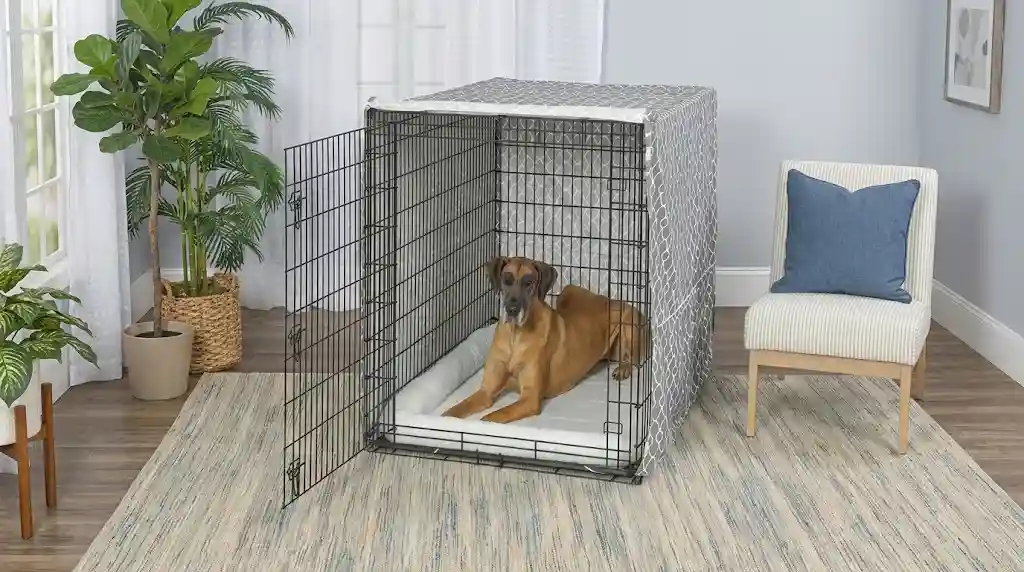
To ensure the longevity of your dog crate cover and maintain a hygienic environment for your pet, regular cleaning is essential. Dogs can be messy, and crate covers quickly accumulate fur, dirt, and odors. Therefore, choosing a machine-washable cover is highly practical.
Natural fibers like cotton are generally easier to clean and release odors more effectively than many synthetics, which can bond with oils and develop a lingering “doggy smell.” Look for covers made from colorfast fabrics that retain their vibrancy after multiple washes. Durable materials and reinforced stitching also contribute to a cover’s lifespan, especially important for dogs who might scratch or nudge at the fabric. Regularly inspecting the cover for signs of wear and tear, such as chew damage, exposed stitching, or frayed edges, is important to prevent potential choking hazards and ensure continued safety.
If your dog has a double coat, this guide on how to groom a double-coated dog at home offers additional coat care tips that can help reduce shedding in the crate. For drying techniques after a bath, this guide on the best drying technique for long-haired dogs is useful. And for puppies, this guide to the best puppy food for large breed puppies is a valuable resource for overall health. For training tips, see this guide on pet training near me and this guide on easy commands every puppy should learn.
Conclusion
The decision to use a dog crate cover is a simple yet impactful one that can significantly enhance a dog’s comfort, security, and overall well-being. By transforming an open wire crate into a cozy, den-like sanctuary, covers cater to a dog’s innate instincts, providing a private retreat that minimizes stress and anxiety. They are instrumental in promoting deeper, more restorative sleep by blocking out distracting light and muffling ambient noises. Furthermore, crate covers aid in training by establishing clear routines and positive associations with the crate, while also offering aesthetic benefits that allow the crate to seamlessly blend into any home decor. When chosen carefully for breathability, durability, and appropriate features, a dog crate cover becomes an indispensable accessory, creating a truly safe, comfortable, and calming space for your beloved canine companion. However, it is always crucial to prioritize proper ventilation and observe your dog’s reaction to ensure the cover enhances their experience rather than causing discomfort or distress. For dogs with sensitive stomachs, this guide to the best dry dog food for sensitive stomachs can help. And for excessive barking, this guide on how to stop excessive dog barking may be useful.