Dog Dental Care: 10 Essential Tips for Your Dog’s Healthy Teeth
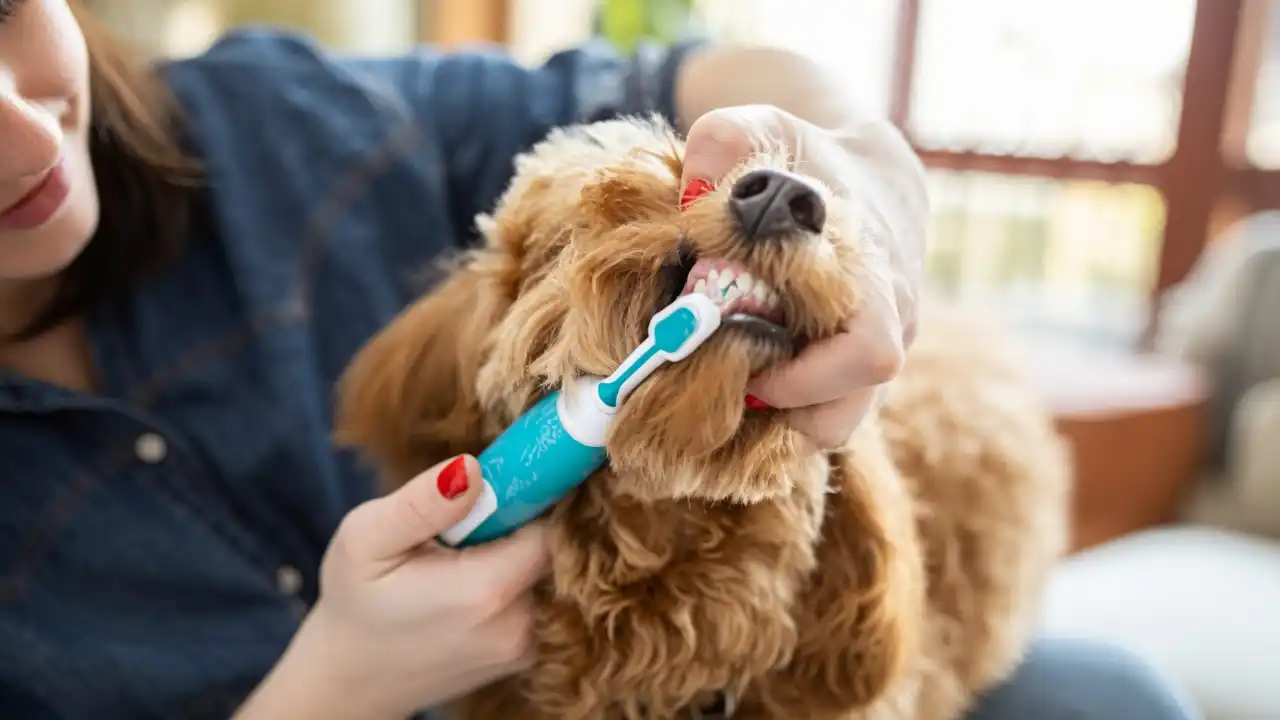
Table of Contents
Dog dental care is an essential, yet often overlooked, aspect of a canine’s overall health and well-being. Just like humans, dogs are susceptible to various oral health issues, ranging from plaque and tartar buildup to severe periodontal disease. Neglecting a dog’s dental hygiene can lead to painful infections, tooth loss, and even more serious systemic health problems affecting vital organs like the heart, kidneys, and liver. Research indicates that dental disease is one of the most common medical conditions in dogs, with a significant majority showing signs by the age of three. This comprehensive article will delve into all aspects of dog dental care, providing pet owners with the knowledge and tools necessary to maintain their canine companions’ sparkling smiles and long-term health.
What is Dog Dental Care?
Dog dental care encompasses all practices aimed at maintaining the health of a dog’s teeth, gums, and oral cavity. It involves a combination of routine home care, such as brushing and dental chews, and professional veterinary cleanings. The primary goal is to prevent the accumulation of plaque—a sticky film of bacteria that constantly forms on tooth surfaces—and its hardening into tartar (calculus). Plaque can form within as short as 24 hours. If left unchecked, plaque and tartar lead to infection and inflammation of the gums, known as gingivitis, which can progress to more severe periodontal disease. Periodontal disease affects the structures supporting the teeth, potentially causing pain, bone loss, and eventually tooth loss.
Understanding canine dental anatomy is helpful. Adult dogs typically have 42 teeth, compared to a human’s 32. These teeth are designed for tearing, shredding, and grinding, but without proper care, they can become breeding grounds for harmful bacteria. While tooth decay (cavities) is relatively rare in dogs, accounting for less than 10% of dental problems, periodontal disease and fractured teeth are much more common. Therefore, dog dental care focuses heavily on preventing and managing gum disease and maintaining the structural integrity of the teeth.
The Importance of Regular Dog Dental Care
The significance of consistent dog dental care extends far beyond just fresh breath. Oral health is inextricably linked to a dog’s overall systemic health. Chronic inflammation and infection from dental disease can place stress on the immune system and has been associated with poor diabetic control and microscopic changes to the kidneys, heart, and liver. For instance, dogs with advanced periodontal disease have been found to be 2.3 times more likely to develop chronic kidney disease and 6.3 times more likely to develop endocarditis (an infection of a heart valve). Poor oral hygiene has even been shown to potentially lessen a dog’s lifespan by as much as five years.
Regular dental care helps prevent discomfort and pain. Dogs are masters at hiding pain, so by the time obvious symptoms appear, the dental disease is often advanced. Preventing and treating dental issues early ensures comfortable eating, improved digestion, and a better quality of life as pets age. Routine veterinary evaluations are crucial for catching problems before they become painful or expensive. It’s also important to remember that dental disease is the most frequently diagnosed and yet often undertreated problem in dogs and cats under 10 years of age. A consistent approach to dental care, incorporating both at-home routines and annual professional cleanings, is one of the most effective ways to protect your dog’s long-term health. Dogs receiving such preventive care tend to retain more of their teeth, experience less pain, and remain active into their senior years.
To learn more about maintaining your dog’s overall health, including aspects that complement dental care, consider visiting our comprehensive guide on dog grooming.
Common Dental Problems in Dogs
Dogs are prone to several dental issues, with periodontal disease being by far the most prevalent. According to the American Veterinary Dental College (AVDC), over 80% of dogs show signs of periodontal disease by age three. Banfield Pet Hospital data from 2023 indicated that 73% of dogs seen at their hospitals were diagnosed with dental-related issues. This disease begins with plaque, a bacterial biofilm that forms on teeth. Within days, minerals in saliva harden plaque into tartar (calculus). Tartar provides a rough surface for more plaque to adhere, leading to a vicious cycle of bacterial growth and inflammation.
Periodontal disease progresses through distinct stages:
- Stage 0: Healthy. No gingivitis or periodontitis is evident.
- Stage 1: Gingivitis. This is characterized by inflammation of the gums, often appearing as redness and swelling, in response to plaque and tartar accumulation. At this stage, there is no attachment loss, and it is reversible with professional cleaning.
- Stage 2: Early Periodontitis. If gingivitis is left untreated, inflammation extends beneath the gum line, leading to early bone loss (less than 25% attachment loss) and the formation of periodontal pockets. Gums may show increased redness and swelling, and mild to moderate pain may be present.
- Stage 3: Moderate Periodontitis. Significant inflammation is present, with 25-50% bone loss visible on radiographs. Gums become swollen, irritated, and bleed easily. Periodontal pockets are deeper, and the dog may experience significant pain and require extractions of infected teeth.
- Stage 4: Advanced Periodontitis. This is the most severe stage, with over 50% bone loss. The pet is in severe pain, at high risk of losing multiple teeth, and systemic health issues are more likely.
Other common dental problems include:
- Fractured Teeth: Often caused by chewing on hard objects like bones, antlers, or ice cubes. Fractured teeth can expose the sensitive pulp, leading to pain and infection.
- Retained Deciduous (Baby) Teeth: If baby teeth don’t fall out when adult teeth erupt, they can cause crowding, improper bite alignment, and trap food, leading to periodontal disease.
- Oral Masses or Tumors: Both benign and malignant growths can occur in the mouth, sometimes hidden by advanced dental disease.
Symptoms of Dental Disease in Dogs
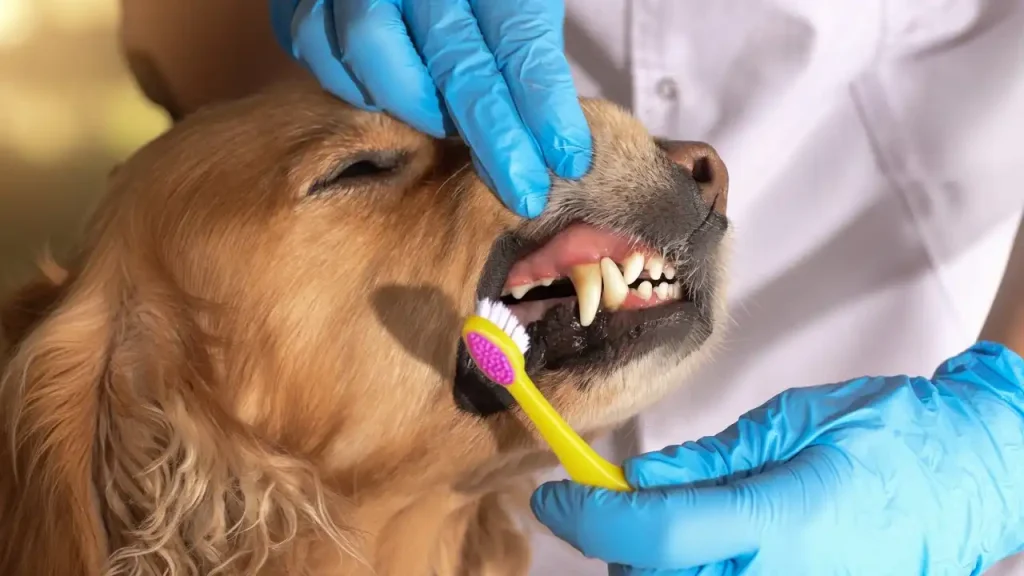
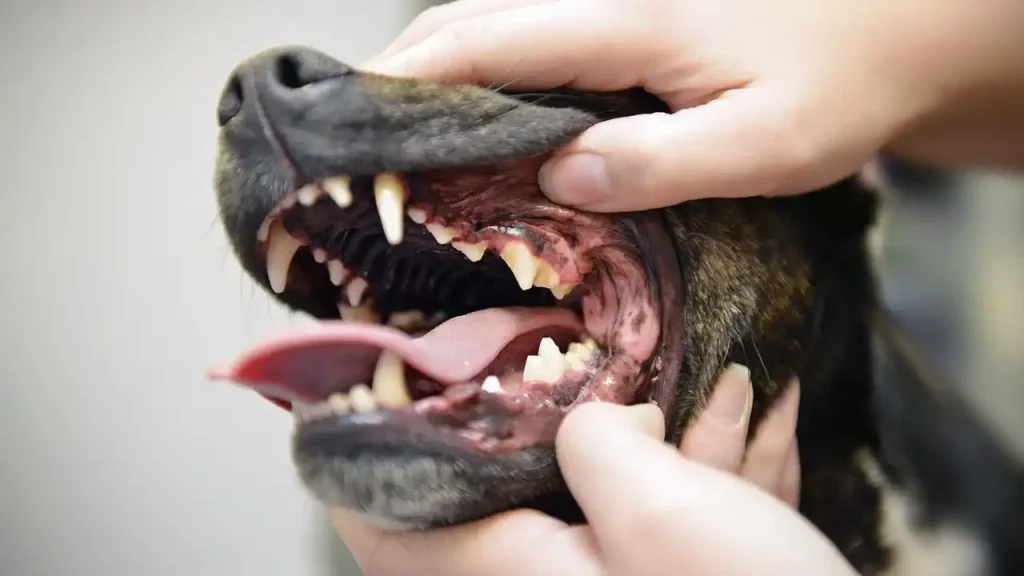
Recognizing the signs of dental disease early is crucial for timely intervention. While dogs are adept at masking pain, several symptoms can indicate an underlying oral problem. Pet owners should be vigilant and contact their veterinarian if they observe any of the following:
| Symptom | Description | Potential Implication |
|---|---|---|
| Bad Breath (Halitosis) | Unpleasant, strong odor from the mouth. “Doggy breath” should not be overwhelmingly potent. | One of the primary signs of periodontal disease due to bacterial accumulation. |
| Red, Swollen, or Bleeding Gums | Gums appear inflamed, discolored, or may bleed, especially when touched or during eating. | Indicates gingivitis or more advanced periodontal disease. |
| Plaque and Tartar Buildup | Visible yellow or brown deposits on the tooth surfaces, particularly near the gum line. | Direct evidence of bacterial accumulation and mineralization, leading to gum inflammation. |
| Difficulty Eating or Decreased Appetite | Reluctance to chew hard food, dropping food, or showing signs of pain while eating. | Oral pain, loose teeth, or discomfort from advanced disease. |
| Drooling (Excessive Salivation) | More drooling than usual, sometimes with blood in the saliva. | Oral pain, inflammation, or infection. |
| Swelling on the Jaw or Face | Noticeable swelling, particularly under the eye or on the side of the face. | Abscesses, severe infection, or dental fistulas. |
| Loose or Missing Teeth | Teeth that wiggle or have fallen out. | Advanced periodontal disease with significant bone loss. |
| Changes in Behavior | Lethargy, irritability, reluctance to play with chew toys, or pawing at the mouth. | Generalized discomfort or chronic pain from dental issues. |
| Nasal Discharge (Can be Bloody) | Discharge from the nose, possibly indicating an oronasal fistula from a severe dental infection. | Advanced dental disease affecting the nasal cavity. |
It’s important to note that many of these symptoms may not appear until dental disease is quite advanced. Routine examinations by a veterinarian are therefore vital, as they can identify issues even when your Dog Dental Care isn’t showing obvious signs of distress.
Preventative Dog Dental Care at Home
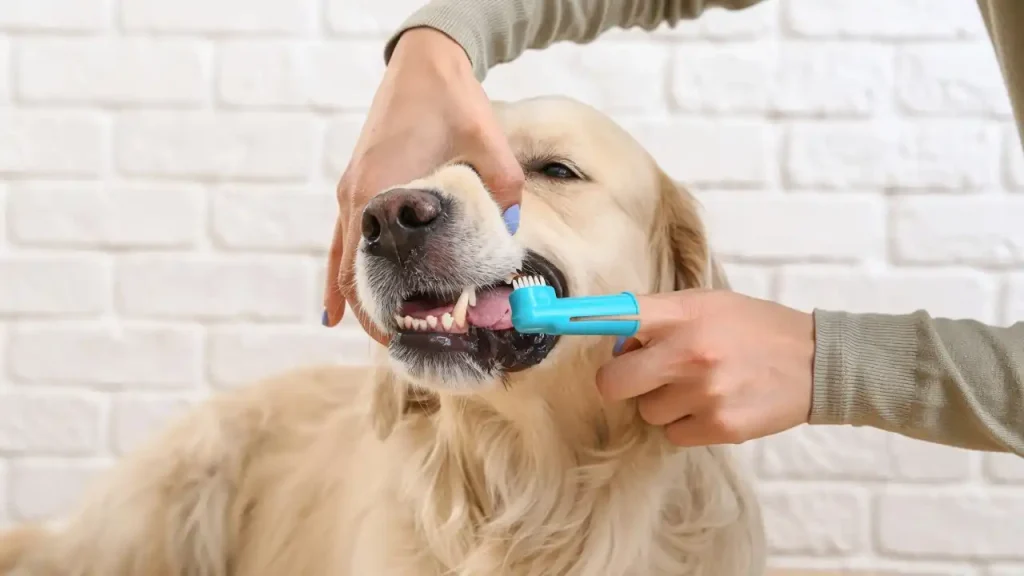
Home dental care is the cornerstone of preventing dental disease and maintaining good oral hygiene in Dog Dental Care . While it cannot replace professional veterinary cleanings, consistent at-home care can significantly reduce plaque and tartar buildup between visits. The most effective method of home care is regular tooth brushing.
Brushing Your Dog’s Teeth: The Gold Standard
- Choose the Right Tools: Always use a soft-bristled toothbrush designed for pets. Human toothpastes contain ingredients like fluoride and xylitol, which are toxic to dogs. Opt for pet-specific enzymatic toothpaste, which comes in flavors Dog Dental Care love, such as poultry, peanut butter, or seafood, making the experience more enjoyable.
- Introduce Gradually: Start slowly. Let your Dog Dental Care sniff and taste the toothpaste from your finger. Begin by gently rubbing a small amount on a few teeth, focusing on the outer surfaces. Gradually increase the number of teeth and duration as your dog becomes more comfortable.
- Establish a Routine: Consistency is key. Aim to brush daily, or at least several times per week, to effectively remove plaque before it hardens into tartar. Positive reinforcement with treats and praise can create a positive association.
- Technique: Gently lift your Dog Dental Care jowls and use light pressure and circular motions to brush the teeth and gum line. You may need multiple short sessions to cover the entire mouth.
Alternatives and Supplements to Brushing:
If daily brushing isn’t feasible, or as a supplement to brushing, other options can help reduce plaque and tartar:
- Dental Chews and Treats: Many dental chews are designed with textures and ingredients to mechanically scrape away plaque and stimulate saliva production, which helps rinse bacteria. Look for products approved by the Veterinary Oral Health Council (VOHC), which certifies products proven to reduce plaque and/or tartar. Examples include Purina DentaLife, OraVet Dental Hygiene Chews, and WHIMZEES.
- Dental Diets: Specially formulated kibble can help clean teeth as the Dog Dental Care chews. These diets often have a unique texture that creates an abrasive action on the tooth surface.
- Water Additives, Oral Gels, and Sprays: These products contain ingredients like chlorhexidine, zinc gluconate, or enzymes that help reduce bacteria, prevent plaque and tartar buildup, and freshen breath when added to drinking water or applied directly to the gums.
- Safe Chew Toys: Rubber and rope toys can help remove plaque buildup through chewing action and massage the gums. Ensure toys are appropriately sized and not too hard, as excessively hard objects can cause tooth fractures.
For a holistic approach to your Dog Dental Care well-being, including optimal nutrition that supports overall health, you might find our guide on dog nutrition beneficial.
Professional Veterinary Dental Cleanings
While home care is vital, it cannot reach below the gum line or remove hardened tartar effectively. Professional veterinary dental cleanings are essential for comprehensive oral health. Most Dog Dental Care benefit from a professional dental cleaning about once a year. However, this can vary based on factors such as breed, age, diet, individual oral health, and the effectiveness of at-home care. Some breeds, particularly small and toy breeds, and older Dog Dental Care may require more frequent cleanings, sometimes every six months, due to a higher predisposition to dental disease.
What to Expect During a Professional Cleaning:
A professional dental cleaning for Dog Dental Care is a medical procedure performed under general anesthesia. Anesthesia is crucial for several reasons:
- Pain Management: Dental procedures can be painful, especially if extractions or advanced treatments are needed. Anesthesia ensures the Dog Dental Care feels no pain.
- Immobility: It allows the veterinarian to thoroughly examine the entire oral cavity, including areas that would be inaccessible in an awake animal.
- Safety: Prevents injury to the pet and the veterinary staff, and allows for precise work with sharp instruments.
- Comprehensive Assessment: Allows for dental X-rays, which are vital for assessing bone loss and issues below the gum line that are not visible during a conscious exam.
The procedure typically involves:
- Pre-anesthetic Blood Work: To ensure the Dog Dental Care is healthy enough for anesthesia.
- Anesthesia Monitoring: Vital signs are closely monitored throughout the procedure.
- Oral Examination and X-rays: A thorough visual inspection and full-mouth dental radiographs are performed to assess the extent of disease.
- Scaling: Using specialized ultrasonic and hand instruments to remove plaque and tartar from above and below the gum line.
- Polishing: After scaling, teeth are polished to smooth the tooth surface, making it harder for plaque to adhere.
- Fluoride Treatment/Sealants: May be applied to strengthen enamel and reduce plaque accumulation.
- Extractions (if necessary): Diseased teeth that cannot be saved may be extracted to eliminate pain and infection.
Cost of Professional Cleanings:
The cost of professional dog teeth cleaning can vary widely, generally ranging from $300 to $800 for routine procedures. However, advanced care, especially if extractions, X-rays, or more complex procedures are needed, can push costs to $1,500 or more, with extractions alone potentially costing $500–$2,500 per tooth depending on complexity. Factors influencing the cost include geographical location, the severity of dental disease, the Dog Dental Care size, and whether a general veterinarian or a board-certified veterinary dentist performs the cleaning.
Understanding the value of professional intervention for conditions that cannot be managed at home is crucial. For further insights into pet health issues and treatments, a reliable source like Wikipedia’s article on Canine periodontal disease provides extensive information.
Advanced Dental Procedures for Dogs
When dental disease is severe or complex, general veterinary practitioners may refer pets to a board-certified veterinary dentist for advanced procedures. These specialists undergo years of additional formal training and pass extensive examinations to become experts in veterinary dentistry. Advanced veterinary dentistry can often save teeth that would otherwise need extraction, preserving oral function and preventing further complications.
Common advanced procedures include:
- Periodontal Therapies: For advanced gum disease, procedures such as root planing (deep cleaning of the root surface), bone grafting to regenerate lost bone, and gingival flap surgery to access and treat deep pockets can restore oral health and preserve teeth.
- Root Canal Treatments: If a tooth is fractured or infected but structurally sound, a root canal can be performed to remove the infected pulp, relieve pain, and save the natural tooth. This is particularly important for large canine teeth and chewing teeth, which are crucial for jaw strength and function.
- Dental Crowns: After a root canal or if a tooth has significant structural damage, a custom crown (often metal or ceramic) can be placed to restore its shape, strength, and function, protecting it from further injury.
- Orthodontics: In some cases, orthodontic techniques can correct malocclusions (improper bite) to improve comfort and prevent trauma to other teeth or soft tissues.
- Oral Surgery: This can involve complex extractions, jaw fracture repair, and the removal of oral tumors. Advanced imaging techniques like cone-beam computed tomography (CBCT) allow specialists to visualize the entire oral cavity, jaw, and sinuses in 3D, providing a more in-depth diagnosis and precise surgical planning than traditional X-rays.
- Restorations: Techniques like vital pulpotomy (partial pulp removal) can be used for recently fractured teeth to maintain pulp vitality. Fillings and bonding agents can also repair damaged tooth surfaces.
These specialized treatments aim to alleviate pain, prevent the spread of infection, and maintain as much of the natural dentition as possible, significantly improving a Dog Dental Care quality of life. Owners should not hesitate to discuss referral options with their primary care veterinarian if their pet requires advanced dental care.
Choosing the Right Dental Products for Your Dog
With a plethora of Dog Dental Care products available, selecting the most effective and safe options can be overwhelming. The key is to look for products that are recommended by veterinarians and, ideally, have the Veterinary Oral Health Council (VOHC) seal of acceptance. The VOHC tests and certifies products proven to reduce plaque and/or tartar.
Toothpastes and Toothbrushes:
- Pet-Specific Toothpaste: As mentioned, human toothpaste is toxic. Opt for enzymatic Dog Dental Care toothpastes in appealing flavors like poultry or peanut butter. Brands such as Virbac C.E.T. Enzymatic Toothpaste are highly recommended by vets. Enzymatic formulas continue to break down plaque-causing bacteria even after brushing.
- Soft-Bristled Toothbrushes: Various types are available, including standard long-handled brushes, finger brushes, and dual-ended brushes, allowing owners to choose what works best for their Dog Dental Care size and temperament.
Dental Chews and Treats:
These can be an excellent supplement to brushing, providing mechanical abrasion and sometimes active ingredients to reduce plaque.
- VOHC-Approved Chews: Look for the VOHC seal. Popular and effective options include Purina DentaLife Daily Oral Care Chews (scientifically proven to reduce tartar buildup by 57%), OraVet Dental Hygiene Chews (which use delmopinol to form a barrier against plaque and calculus), and WHIMZEES by Wellness Brushzees Dental Chews (natural, vegetarian, and VOHC-approved for both plaque and tartar).
- Textures and Sizes: Choose chews appropriate for your Dog Dental Care size and chewing intensity to prevent choking hazards and ensure effectiveness. Harder chews provide more abrasive action, but always supervise your Dog Dental Care to prevent tooth fractures.
- Enzymatic Chews: Some chews, like Virbac C.E.T. Dental Chews, combine natural antiseptic activity with abrasive action for plaque control.
Water Additives, Oral Rinses, and Gels:
These products are often used as alternatives when brushing is difficult or as an additional layer of protection.
- Water Additives: Function like a drinkable mouthwash, helping to reduce bacteria and prevent plaque buildup.
- Oral Rinses/Gels: Applied directly to the gums, these often contain active ingredients like chlorhexidine, zinc gluconate, or Vitamin C to combat bacterial film.
Dental Diets:
Therapeutic dental diets, available by prescription, are formulated to mechanically clean teeth with each bite while providing balanced nutrition. The unique kibble design helps scrape plaque from the tooth surface.
When selecting products, always consult with your veterinarian. They can recommend specific items based on your Dog Dental Care age, breed, current oral health status, and any sensitivities or allergies.
Conclusion
Dog dental care is a critical component of responsible pet ownership, directly impacting a dog’s comfort, longevity, and overall health. From understanding the pervasive threat of periodontal disease to implementing effective at-home care routines and recognizing the necessity of professional veterinary intervention, a proactive approach is paramount. Daily brushing with pet-specific toothpaste and toothbrushes, supplemented by VOHC-approved dental chews, water additives, and specialized diets, forms the foundation of preventive care. Regular annual professional cleanings under anesthesia are indispensable for addressing issues below the gum line and maintaining optimal oral hygiene, especially given that a vast majority of Dog Dental Care show signs of dental disease by age three. By being vigilant for symptoms of dental problems and working closely with veterinarians and, when necessary, board-certified dental specialists, pet owners can safeguard their canine companions from pain, infection, and the systemic health complications associated with poor oral health. Investing in your dog’s dental care is an investment in their happiness, vitality, and a longer, healthier life by your side.