Service Dogs: 9 Amazing Breeds, Loyal Heroes, and Canine Legends
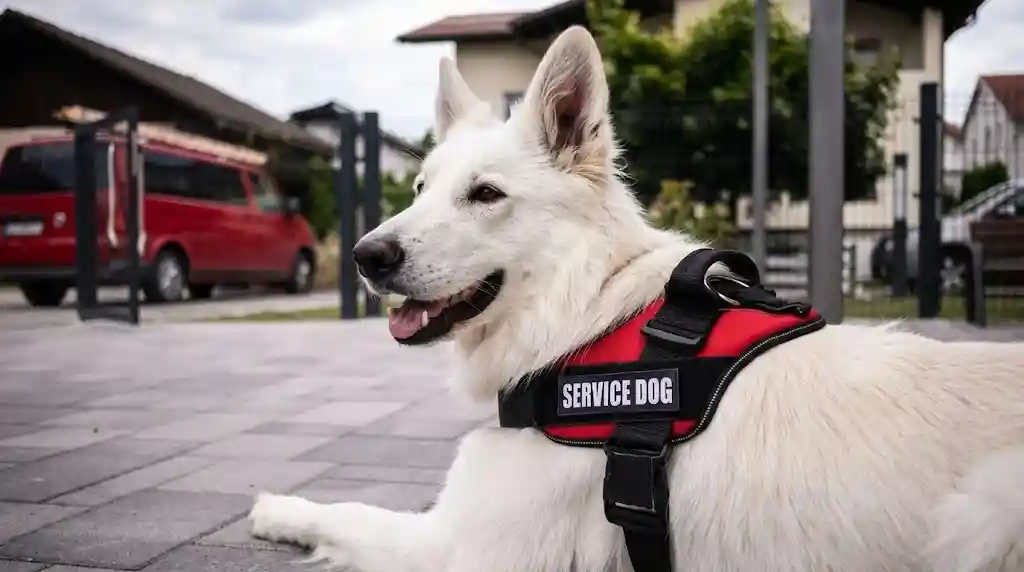
Table of Contents
Service Dogs present an astonishing spectrum of appearances, temperaments, and abilities, reflecting centuries of selective breeding by humans for various purposes. From those that retain the striking resemblance of their wild wolf ancestors to specialized breeds serving as service dogs in critical military roles, the loyal companions gracing children’s television screens, and the hardy working dogs steeped in the rich history of Scotland, the canine world is a tapestry of diversity. This comprehensive article delves into these fascinating categories, exploring the unique characteristics and histories that define these beloved animals. Service dogs represent the highest level of canine training and dedication.
Dog Breeds That Embody the Wolf’s Spirit
Many dog enthusiasts are captivated by breeds that bear a strong resemblance to wolves, echoing their ancient lineage. These dogs often possess piercing eyes, thick coats, pointed ears, and a powerful, athletic build, captivating onlookers with their primal beauty. While all domestic dogs share common ancestry with the wolf, some breeds have been developed to enhance or maintain these ancestral physical traits, sometimes even crossing with wolves directly to achieve a specific look or temperament. While these breeds are not typically service dogs , they share the same remarkable intelligence.
One of the most recognizable “wolf-like” breeds is the Siberian Husky. Known for their striking blue or multi-colored eyes and dense, often gray and white coats, Huskies possess a strong, compact build designed for endurance in cold climates. They exhibit an independent spirit and a vocal nature, often “talking” in howls and yips that further enhance their wolf-like aura. Another popular breed is the Alaskan Malamute, a larger and more powerfully built dog than the Husky, bred for hauling heavy freight. Malamutes have a similar thick double coat and a dignified expression, often with dark eyes, reinforcing their resemblance to their wild cousins.
The German Shepherd Dog, while distinct from true wolfdogs, is frequently admired for its noble, somewhat lupine appearance, especially with its erect ears, bushy tail, and intelligent gaze. Originally bred for herding sheep, their intelligence and versatility quickly led them to roles as service dogs in police and military work. Their conformation, particularly the sloped back and powerful gait, contributes to their wild aesthetic. Beyond these well-known breeds, there are actual wolfdog hybrids and breeds developed directly from wolf crosses, such as the Saarloos Wolfdog and the Czechoslovakian Wolfdog. The Saarloos Wolfdog originated in the Netherlands from a cross between a German Shepherd and a Siberian wolf, resulting in a dog that is cautious, reserved, and retains many wolf-like behaviors and physical traits. Similarly, the Czechoslovakian Wolfdog was created in Czechoslovakia by crossing German Shepherds with Carpathian wolves, producing a breed that is robust, intelligent, and highly social, though retaining a strong hunting instinct and wary nature towards strangers. These breeds, while not typically service dogs , showcase the incredible diversity of canine genetics.
Canine Cadets: Dog Breeds Excelling as Service Dogs in Military and Service Roles
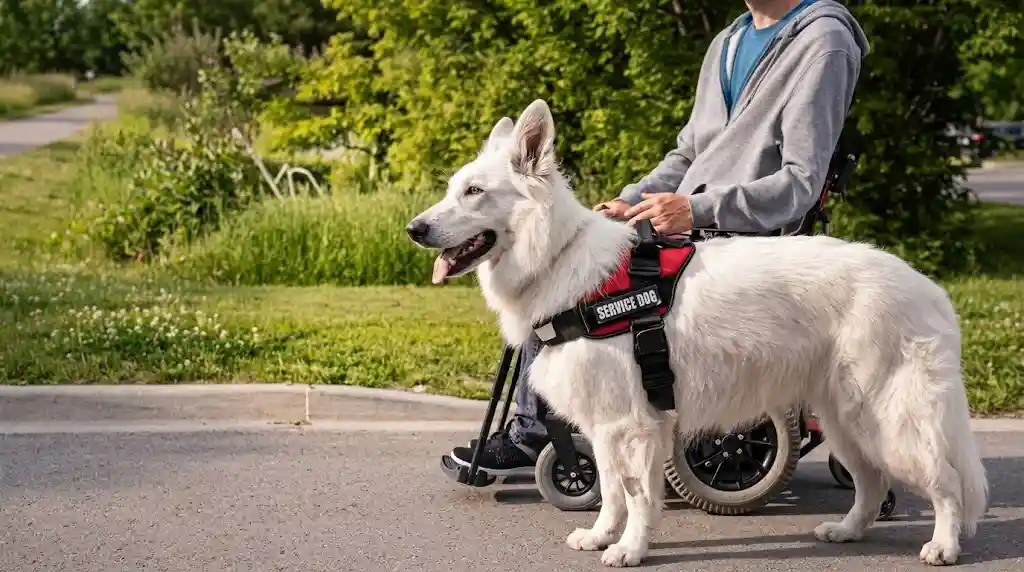
Dogs have served alongside humans in various capacities for millennia, but their role as service dogs in military and service operations has become increasingly sophisticated. These canine cadets are selected for their intelligence, courage, trainability, and keen senses, performing tasks from detecting explosives and narcotics to tracking enemies and providing companionship to soldiers. The breeds typically chosen for these demanding roles as service dogs are known for their exceptional working drives. According to the American Kennel Club, the most common breeds used as service dogs include German Shepherds, Labrador Retrievers, and Golden Retrievers.
The German Shepherd Dog stands as perhaps the most iconic military and police service dogs globally. Their combination of intelligence, strength, agility, and unwavering loyalty makes them ideal for tasks such as patrol, sentry duty, search and rescue, and bomb or drug detection. Their strong protective instincts and ability to form a deep bond with their handlers are invaluable in high-stress environments. Close behind in prominence is the Belgian Malinois, a breed gaining significant recognition for its unparalleled intensity, agility, and drive. Often described as a “workaholic,” the Malinois is lighter and faster than the German Shepherd, making it particularly effective in special operations, apprehension, and intricate detection work. These service dogs are truly exceptional.
The Dutch Shepherd shares many characteristics with the German Shepherd and Malinois, including a strong prey drive and high intelligence, making them excellent candidates for police and military K9 units, especially in their native Netherlands and beyond. Their versatility allows them to excel in various protective and detection tasks. While not typically used for direct combat roles, the Labrador Retriever is another crucial military and service dogs . Renowned for their friendly demeanor, high trainability, and exceptional sense of smell, Labradors are extensively used for explosive ordnance disposal (EOD) and narcotics detection. Their calm temperament also makes them excellent therapy service dogs for veterans. If your dog is excessively itchy, check out our article on why is my dog itching so much for more insights. For more information on skin conditions, our article on dog allergy understanding and managing provides comprehensive information.
Meet the Canine Crew: Dog Breeds Behind Paw Patrol’s Heroes
The beloved animated children’s series “Paw Patrol” features a team of heroic puppies who work together to protect their community. Each character embodies specific skills and a distinct personality, often reflecting the real-world traits of their dog breeds. This popular show has introduced millions of children to various dog breeds, associating them with bravery, teamwork, and problem-solving. While these are fictional characters, they represent the same traits found in real service dogs .
The team leader, Chase, is a confident and athletic German Shepherd, a breed celebrated for its intelligence, loyalty, and police-like capabilities. His role as a police and spy dog on the show directly mirrors the real-world utility of German Shepherds as service dogs in law enforcement. Marshall, the clumsy but courageous firefighter, is a Dalmatian, a breed historically associated with firehouses due to their calm demeanor around horses and their protective instincts. His spotted coat is instantly recognizable. Rubble, the construction expert, is an English Bulldog, known for their sturdy build, strength, and gentle, loving nature despite their tough appearance.
The adventurous aviator, Skye, is a Cockapoo, a crossbreed between a Cocker Spaniel and a Poodle. This mix gives her a playful, intelligent, and agile personality, fitting for her aerial missions. Zuma, the aquatic rescue dog, is a chocolate Labrador Retriever, a breed famous for its love of water, excellent swimming abilities, and gentle temperament. Rocky, the recycling and repair expert, is depicted as a mixed-breed dog, often appearing to have traits of a Schnauzer or Terrier mix, symbolizing resourcefulness and versatility. Later additions to the team include Everest, a Siberian Husky, perfect for snowy rescues with her robust build and cold-weather adaptations, and Tracker, a Potcake dog (a mixed-breed dog common in the Caribbean), embodying an adventurous spirit and keen hearing for jungle explorations.
| Breed/Character | Primary Trait/Role | Origin (if applicable) | Real-World Application |
|---|---|---|---|
| German Shepherd (Chase) | Intelligence, Loyalty | Germany | Police, Military, Herding, Service Dogs |
| Dalmatian (Marshall) | Endurance, Sociable | Croatia | Firehouse Dog, Coach Dog |
| English Bulldog (Rubble) | Strength, Gentle Nature | England | Companionship |
| Siberian Husky (Everest) | Endurance, Cold-Hardy | Siberia | Sledding, Companion |
| Labrador Retriever (Zuma) | Water-loving, Trainable | Newfoundland (Canada) | Retrieving, Detection, Assistance, Service Dogs |
| Belgian Malinois | High Drive, Agility | Belgium | Military, Police, Protection, Service Dogs |
| Scottish Terrier | Independent, Feisty | Scotland | Vermin Control |
From Highlands to Homes: Exploring Scotland’s Native Dog Breeds
Scotland, with its rugged landscapes, ancient traditions, and rich agricultural history, has been the birthplace of numerous distinctive dog breeds. These breeds were primarily developed to assist with herding livestock, hunting vermin, or retrieving game, showcasing remarkable hardiness, intelligence, and loyalty. Their unique characteristics are a testament to the environments and tasks they were bred for. Some of these breeds have also served as service dogs in various capacities.
The Scottish Terrier, affectionately known as the “Scottie,” is an unmistakable symbol of Scotland. These feisty, independent dogs with their wiry coats and determined expressions were originally bred to hunt badgers and foxes. Despite their small size, they possess a big personality and unwavering loyalty to their families. Similarly, the West Highland White Terrier, or “Westie,” originated in Scotland, specifically for hunting rodents and other small game. Their bright white coats were deliberately bred to make them visible against the dark earth and rocks, preventing accidental shootings during hunts. They are cheerful, confident, and full of character. The Cairn Terrier, another small, hardy terrier from Scotland, hails from the Isle of Skye. They were originally used to root out foxes and other prey from cairns (rock piles), possessing a fearless and inquisitive nature.
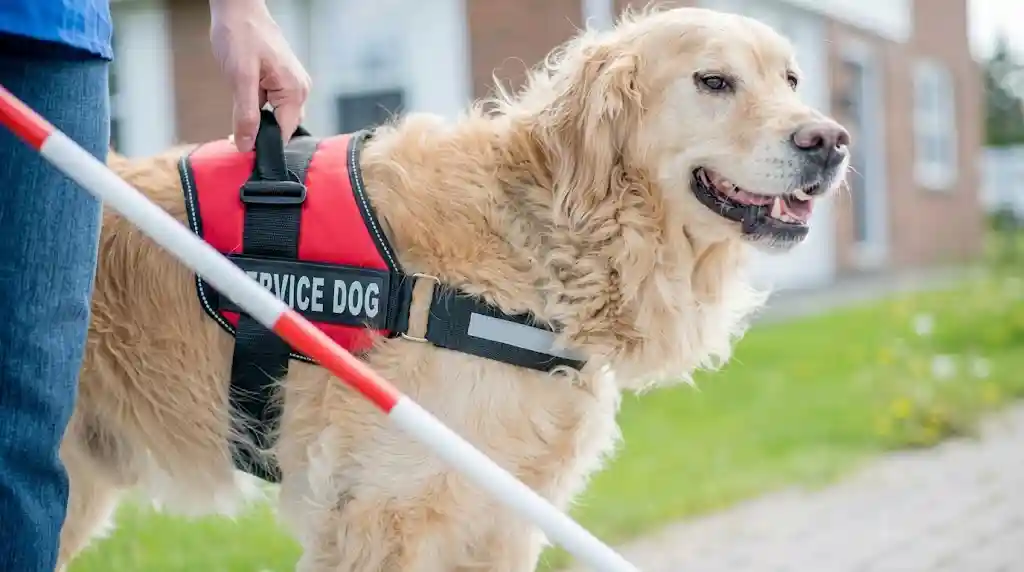
Beyond the terriers, Scotland also gifted the world magnificent working and sporting dogs. The Border Collie, arguably one of the most intelligent dog breeds, originated in the Anglo-Scottish border region. Renowned for their intense stare (known as “the eye”) and exceptional herding abilities, they are unparalleled in their capacity to control livestock with minimal commands. Their boundless energy and eagerness to work make them ideal for active owners. The Shetland Sheepdog, or “Sheltie,” originates from the Shetland Islands and closely resembles a miniature Collie. Bred to herd sheep and ponies in the harsh Shetland climate, they are intelligent, agile, and possess a sweet, affectionate disposition. The majestic Golden Retriever, beloved worldwide for its friendly nature and beautiful coat, traces its origins to the Scottish Highlands in the mid-19th century. Lord Tweedmouth developed the breed to be an excellent gundog, capable of retrieving fowl from both land and water with a soft mouth. Golden Retrievers are also commonly trained as service dogs due to their gentle nature. Another notable Scottish gundog is the Gordon Setter, a large, strong setter with a striking black and tan coat, bred to locate game birds on the moors and hills of Scotland. For more on the rich history and diversity of dog breeds, you might find valuable information on Wikipedia’s page on dog breeds. For more help finding professional services, our guide on pet groomers near me can help you find the right support.
Conclusion
The world of dog breeds is a testament to the incredible adaptability and diversity within a single species, shaped by human needs and preferences over thousands of years. From the awe-inspiring presence of wolf-like breeds that connect us to their ancient ancestors, to the disciplined prowess of military service dogs safeguarding our communities, the playful heroism of animated characters like the Paw Patrol, and the rugged charm of Scotland’s native canines, each breed tells a unique story. This exploration highlights not only the physical distinctions but also the remarkable intelligence, loyalty, and companionship that dogs offer in countless forms and roles across the globe. Whether serving as service dogs , family companions, or working partners, dogs continue to enrich our lives in countless ways. If you’re just starting out, our dog grooming checklist for first-time owners is a great resource to ensure you have everything you need. You may also find our comprehensive dog grooming tips a comprehensive guide helpful for additional information. For foundational training advice that can help build trust, you might find our guide on easy commands every puppy should learn very useful. For related tips on managing behavior, you might also want to read our piece on how to stop excessive dog barking . You can also learn more about dog skin infection a comprehensive guide for deeper understanding of skin health. To ensure you’re using the best products, see our recommendations for the best dog shampoo for itchy skin . You can also explore dog grooming near me finding the perfect for more options.
