Matted Fur Behind Dog Ears: 3 Safe Removal Tips and Prevention Tricks
Table of Contents
Matted fur behind dog ears is a common, yet often underestimated, grooming challenge that many pet parents face. These dense tangles, often referred to as mats, can quickly become painful and lead to serious health issues if not addressed promptly and correctly. While seemingly a minor aesthetic concern, matting can trap moisture, dirt, and bacteria against the skin, creating an ideal environment for irritation, infections, and even restricting blood flow. This comprehensive guide will delve into the causes, dangers, safe removal techniques, and essential preventative measures to ensure your canine companion’s comfort and well-being.
Understanding Matted Fur Behind Dog Ears: Why it Forms and Why it’s Dangerous
Matted fur occurs when loose hair, dirt, and debris become tangled and knotted together, forming tight clumps that can pull on the skin. These mats are particularly prevalent in areas that experience frequent friction, such as behind the ears, under the legs, around the collar, and near the base of the tail. Dogs with long, curly, or double-layered coats, such as Poodles, Golden Retrievers, and Shih Tzus, are especially prone to matting. If you own a Poodle, you can learn more in this comprehensive guide to Poodles. For Golden Retriever owners, this comprehensive guide to Golden Retrievers offers valuable breed-specific care tips.
The Dangers of Neglecting Matted Fur
Leaving matted fur untreated is far more than just a cosmetic issue; it poses several significant health risks to your dog:
- Skin Irritation and Infections: Mats pull tightly on the skin, causing discomfort, abrasions, and irritation. The trapped moisture, dirt, and bacteria create a warm, humid environment that is a breeding ground for bacterial and fungal infections, hot spots, and sores. In severe cases, these neglected coats can lead to painful skin problems beneath the surface, even developing into infected lesions. For more on skin infections, see this guide on dog skin infections.
- Poor Circulation and Tissue Damage: Tight mats can restrict blood flow to the skin and underlying muscles. Over time, this poor circulation can lead to skin damage, tissue death, and even muscle atrophy in severe cases. The pressure created by mats can also cause bruising, and the stretched skin can become so delicate that it tears.
- Pain and Discomfort: Mats are incredibly painful. As they tug at the skin, they make movement uncomfortable, causing dogs to become irritable, anxious, or overly sensitive to touch.
- Hindered Movement and Mobility: Severe matting can limit a dog’s ability to move freely, especially in areas around their legs or neck, leading to stiffness or injury.
- Concealment of Parasites and Wounds: Mats can hide parasites like fleas and ticks, as well as wounds or other skin conditions, making them difficult to detect and treat early.
- Overheating: A matted coat can trap heat and moisture, preventing proper airflow to the skin and hindering the dog’s natural cooling process, which can lead to overheating, particularly in hot weather.
Preparation is Key: Gathering Your Dematting Toolkit
Before attempting to remove matted fur, it’s crucial to gather the right tools and ensure your dog is calm and comfortable. Attempting to demat a stressed or resistant dog can lead to injury for both of you.
Essential Tools for Safe Dematting:
- Detangling Spray or Conditioner: An oil-based detangling spray or leave-in conditioner is essential to lubricate the fur and make it easier to separate the mat.
- Cornstarch: Surprisingly, cornstarch can be effective. Sprinkling it on matted fur can help loosen the strands and reduce friction, making it easier to untangle knots.
- Slicker Brush: A slicker brush with fine, short wire bristles is excellent for gently loosening the outer layers of the mat and removing loose fur. For thicker coats, a slicker brush with longer pins is recommended.
- Wide-Tooth Metal Comb: This is critical for working through smaller sections of the mat once it’s been partially loosened. It’s used for short, fast strokes, working from the edges inwards.
- Dematting Tool/Rake: These tools have specially designed blades that can cut through mats with ease. Examples include dematting combs or rakes that can help break up tougher mats.
- Blunt-Ended Scissors: These should be used with extreme caution and only as a last resort for severe mats that cannot be brushed or combed out. Always slide a comb between the mat and the skin to prevent accidental nicks. Never use sharp, pointed household scissors, as it’s dangerously easy to cut your dog’s delicate skin.
- Treats: Keep plenty of treats on hand to reward your dog and keep them distracted and calm throughout the process.
- Towel: A towel can provide a comfortable surface for your dog and help catch loose fur.
Step-by-Step: Safely Removing Mats from Behind Dog Ears
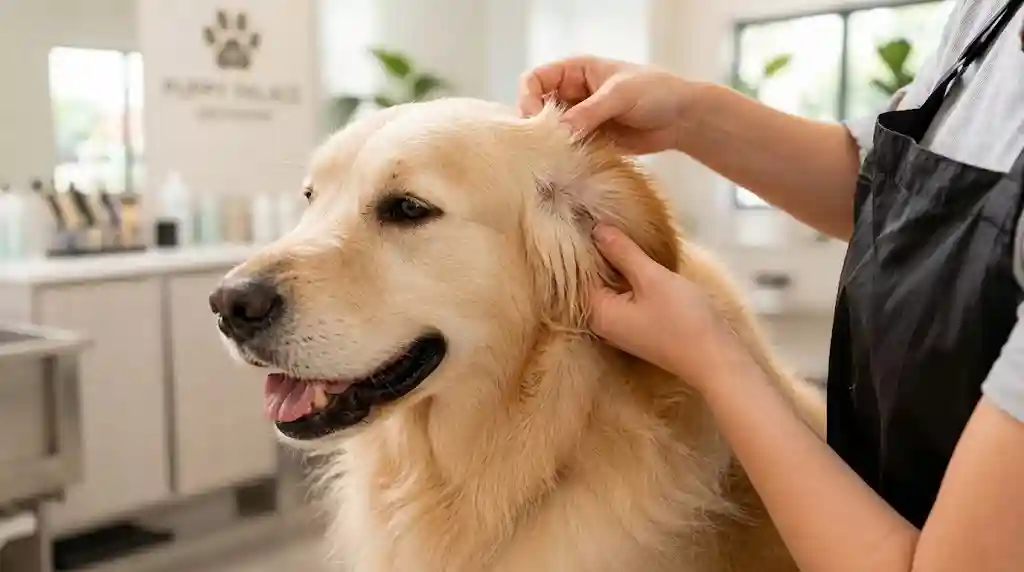
Removing mats requires patience, gentleness, and a methodical approach. Always prioritize your dog’s comfort and stop if they show signs of distress.
- Calm Your Dog: Ensure your dog is relaxed before you begin. A calm dog is less likely to move suddenly, reducing the risk of accidental injury. You can use treats or a favorite toy to distract them.
- Isolate the Mat: Gently separate the matted area from the surrounding fur. This allows you to focus on one section without pulling on healthy hair.
- Apply Detangling Product or Cornstarch: Mist an oil-based detangling spray directly onto the mat, allowing it to absorb for a minute or two. Alternatively, sprinkle cornstarch on the mat to help loosen the fur and reduce friction. Work it into the mat with your fingers.
- Anchor the Fur: This is a crucial step to prevent painful pulling on your dog’s delicate skin. Hold the hair between the mat and your dog’s skin firmly with your fingers. This anchors the skin and minimizes tension as you work.
- Gently Break Apart the Mat with Fingers: Start at the outer edges of the mat and use your fingers to carefully tease the clump apart into smaller sections. Be patient and avoid pulling hard.
- Comb Through Small Sections: Using a wide-tooth metal comb, work through each loosened section. Start at the very ends of the fur and work your way towards the skin, using short, fast strokes. Never try to comb from the skin outwards on a mat, as this will cause pain.
- Utilize a Slicker Brush: Follow up with a slicker brush to further loosen tangles and remove dead undercoat. Again, work from the outside in, gently brushing small sections. A quality grooming glove for shedding dogs can also be effective for this step.
- Consider a Dematting Tool (with caution): For more stubborn tangles that are still too dense for a comb or slicker brush, a dematting comb or rake can be used. These tools have blades that can carefully cut through the mat. Always use them with extreme caution, supporting the skin, and working slowly from the edges inward.
- Clip with Clippers (for severe, isolated mats): If the mat is very tight and close to the skin, and cannot be detangled, clippers with a #10 blade (or similar short setting) can be used. Hold the end of the mat firmly with your fingers and work the clippers from the base outwards, peeling it off in layers. This technique is best for isolated mats behind the ears. It is generally safest to leave this to a professional groomer.
- Check Your Work: Once you believe the mat is gone, run a fine-tooth comb through the area to ensure all tangles have been removed and the comb glides smoothly.
- Reward Extensively: Throughout the process, and especially upon completion, reward your dog with praise and treats to create a positive association with grooming.
| Tool | Primary Use | Notes for Dematting Behind Ears |
|---|---|---|
| Detangling Spray/Conditioner | Lubricating fur, reducing friction | Apply directly to mat, allow to absorb. Essential for easing separation. |
| Cornstarch | Loosening fur, reducing friction | Alternative to detangling spray. Sprinkle and work into mat. |
| Slicker Brush | Loosening outer mat layers, removing loose fur | Use gentle, short strokes. Excellent for initial breakdown. |
| Wide-Tooth Metal Comb | Working through smaller sections, checking for remaining tangles | Start at ends, work towards skin. Never pull forcefully. |
| Dematting Comb/Rake | Cutting through tough, dense mats | Use with extreme caution; support skin. Blades cut through mats. |
| Blunt-Ended Scissors | Last resort for severe, untangleable mats | NEVER cut without a comb between skin and mat. Professional use advised. |
| Clippers (#10 blade) | Shaving out severe, isolated mats | Requires skill and caution due to sensitive skin. Often best left to professionals. |
When to Seek Professional Help: Recognizing Severe Matting
While minor to moderate mats can often be managed at home, there are situations where professional intervention is not just recommended, but necessary. Severe matting can be deeply embedded and extremely close to the skin, making at-home removal dangerous and painful for your dog.
Signs Your Dog Needs a Professional Groomer or Veterinarian:
- Mats are Tight Against the Skin: If the mats are dense, cover a large area, or are pulled tightly against the skin, they can be incredibly painful and risky to remove at home.
- Your Dog is in Pain or Highly Stressed: If your dog shows signs of significant pain, aggression, or extreme anxiety during grooming attempts, stop immediately. Forcing the issue can lead to injury and create a lasting aversion to grooming. For anxious dogs, this guide on dog grooming tips for anxious dogs can be very helpful.
- Skin Irritation or Wounds are Present: If you notice redness, sores, bruising, or any open wounds beneath the mats, do not attempt to remove them yourself. This requires professional handling and potentially veterinary attention.
- Large or Numerous Mats: If your dog has mats all over their body, a full-body trim by a professional groomer is the safest and most humane option.
- Lack of Proper Tools or Experience: If you don’t have the correct tools or are unsure about the proper technique, it’s always better to consult an expert to avoid causing accidental harm.
Professional groomers have specialized tools, techniques, and experience to safely and effectively remove even the most stubborn mats, often without causing discomfort. In some severe cases, sedation may be required to safely clip off severely matted coats. If you need help finding a groomer, this guide to the best local grooming services near you can point you in the right direction.
Preventative Measures: Keeping Your Dog’s Ears Mat-Free
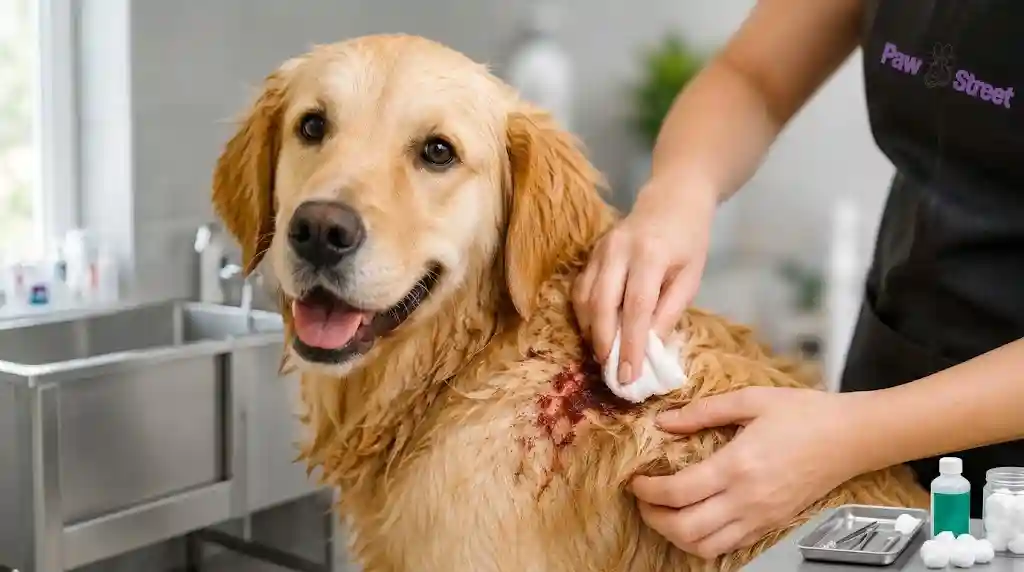
Prevention is always better than cure when it comes to matted fur. A consistent grooming routine is key to keeping your dog’s coat healthy and tangle-free. For a complete routine, see this grooming schedule by coat type.
Key Preventative Strategies:
- Daily Brushing: Regular, ideally daily, brushing is paramount, especially for dogs with long, curly, or thick coats. Use a slicker brush and a comb to target problem areas like behind the ears. Brushing helps remove loose hair and prevents small tangles from escalating into painful mats.
- Regular Professional Grooming: Schedule regular professional grooming appointments, particularly for breeds prone to matting. Groomers can keep the coat at a manageable length and ensure thorough dematting.
- Keep Fur Trimmed: For breeds known for ear matting, like Golden Retrievers or Doodles, periodic trimming around the ears can significantly help prevent mats.
- Thorough Drying After Baths/Swimming: Always dry your dog thoroughly after baths or swimming. Wet fur tangles more easily and can tighten into dense clumps if not brushed out as it dries. For effective drying methods, see this guide on the best drying technique for long-haired dogs.
- Use Grooming Products: Invest in quality detangling sprays and conditioners. These products can make brushing easier and help prevent matting by lubricating the fur.
- Check High-Friction Areas Regularly: Pay extra attention to areas prone to friction, such as behind the ears, under the collar, and armpits. Regularly lift floppy ears to check for tangles.
- Remove Collars/Harnesses When Not in Use: Giving the fur a break from constant rubbing can help reduce matting in those areas.
If your dog has a double coat, this guide on how to groom a double-coated dog at home offers additional breed-specific advice. And for first-time pet owners, this dog grooming checklist for first-time owners provides a solid foundation.
The Role of Diet and Coat Health in Preventing Mats
While external grooming is crucial, the overall health of your dog’s coat is also significantly influenced by their diet and internal well-being. A healthy coat is less prone to tangling and matting, making grooming easier and more effective.
Nutritional Support for a Healthy Coat:
- Balanced Diet: Ensure your dog is fed a high-quality, balanced diet appropriate for their age, breed, and activity level. A diet rich in essential nutrients supports healthy skin and a strong, resilient coat. For a complete overview, see this ultimate pet nutrition guide.
- Omega-3 Fatty Acids: Including supplements or foods rich in Omega-3 fatty acids (like fish oil) can contribute to a healthier coat, reducing dryness and improving coat texture, which may help prevent matting. A well-nourished coat is typically smoother and less prone to tangles. For further reading on the benefits of Omega-3s for canine health, you can consult resources such as the American Kennel Club (AKC).
- Hydration: Adequate hydration is vital for overall health, including skin and coat health. Ensure your dog always has access to fresh water.
Additionally, addressing underlying health issues can impact coat quality. For example, dogs with allergies may lick their skin excessively, leading to matting if they have long hair. If you suspect your dog has allergies, this guide on dog allergies may be helpful. Similarly, a flea infestation can cause intense scratching, contributing to matted fur. For dogs with sensitive stomachs, this guide to the best dry dog food for sensitive stomachs can help. Regular veterinary check-ups are essential to catch and address such issues early, supporting both your dog’s general health and the condition of their coat.
Conclusion
Matted fur behind dog ears is a common and potentially serious issue that requires diligent attention. By understanding the causes and dangers, equipping yourself with the right tools, and following a gentle, systematic approach to removal, you can effectively address existing mats. More importantly, establishing a consistent preventative grooming routine—including regular brushing, professional grooming, and proper hygiene—along with a healthy diet, is the best defense against these painful tangles. Always remember to prioritize your dog’s comfort and do not hesitate to seek professional help for severe matting, ensuring your beloved companion lives a happy, healthy, and mat-free life.