Why Does My Dog Smell Bad After a Bath? 9 Proven Causes and Effective Solutions
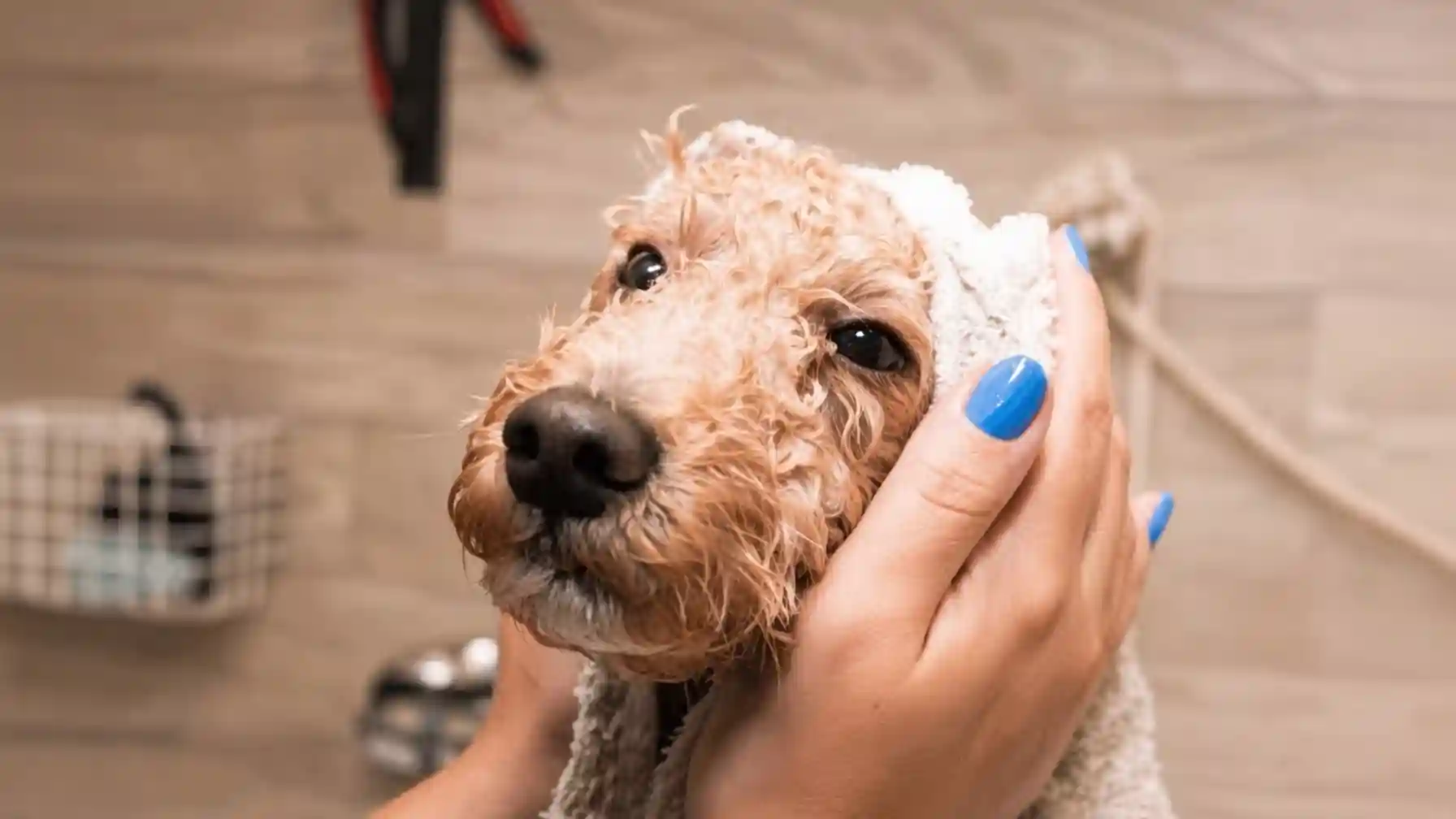
Why does my dog smell bad after a bath? This perplexing question often leaves pet owners scratching their heads, especially after dedicating time and effort to a thorough wash. It’s a common misconception that a bath instantly eradicates all odors, but sometimes, the distinct “wet dog” smell persists, or even worse, a new, unpleasant scent emerges. This article delves into the various reasons behind a lingering canine odor post-bath and explores the interconnected issue of dog dandruff, its causes, and comprehensive treatment options. Understanding these underlying factors is crucial for ensuring your furry friend not only smells fresh but also maintains optimal skin and coat health. Persistent dog smell after bathing is more common than you might think. For additional information on general dog health, you can refer to this external resource on canine wellness.
Why Your Dog Might Still Smell Bad After a Bath
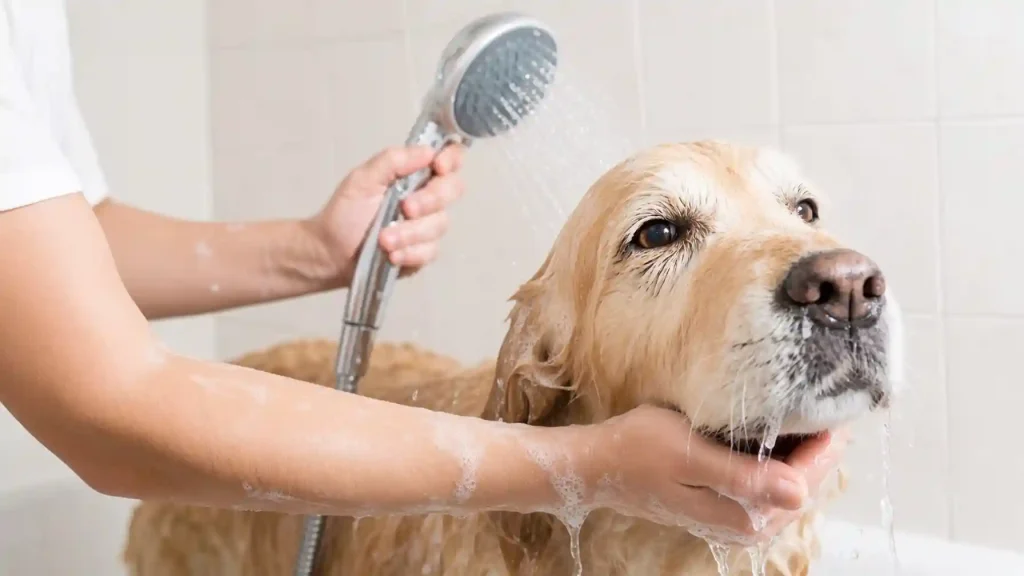
Even after a seemingly meticulous bath, some dogs can still emit an unwelcome odor. This isn’t always a reflection of your grooming skills; often, it points to deeper issues or specific nuances in the bathing process itself. Understanding why dog smell persists is the first step to solving the problem. That lingering dog smell can be frustrating for any pet owner.
Inadequate Rinsing and Product Residue
One of the most frequent culprits behind a post-bath stench is insufficient rinsing. Shampoo and conditioner residues left on your dog’s skin and coat can trap dirt, oil, and bacteria, leading to irritation and a distinct, stale smell. These residues can also contribute to flaky skin and itching, creating a vicious cycle where your dog scratches, further irritating the skin and causing more flaking. This trapped residue is a major source of dog smell after bathing.
The problem is particularly pronounced in dogs with thick, double coats or those with long, dense fur. The shampoo can become trapped deep within the undercoat, creating a sticky residue that attracts dirt and debris almost immediately after the bath. This residue also provides a food source for bacteria and yeast, allowing their populations to explode and produce unpleasant odors. The resulting dog smell can be overwhelming.
The Solution: Take your time rinsing. A good rule of thumb is to rinse for at least twice as long as you spent lathering. Run your fingers through your dog’s coat while rinsing to feel for any slippery or soapy areas. Continue rinsing until the water runs completely clear and your dog’s fur feels squeaky clean, with no slippery texture remaining. Proper rinsing eliminates that unwanted dog smell.
The Notorious “Wet Dog” Smell
The classic “wet dog” smell is a well-known phenomenon, often attributed to microorganisms like yeast and bacteria thriving in a damp environment. As water evaporates from your dog’s fur, these microbes release volatile organic compounds (VOCs) that produce the characteristic odor. Interestingly, the “wet dog” smell isn’t actually caused by the water itself. Rather, the water acts as a catalyst, activating and releasing the odor-producing compounds that are already present in your dog’s coat, including various aldehydes and ketones produced by the breakdown of sebum. This distinctive dog smell is familiar to every pet owner. To learn more about why this happens, this external article explains the science behind wet dog smell.
The Solution: Thorough drying cannot be overemphasized. After toweling off as much water as possible, use a pet-specific blow dryer on a low or cool setting, or allow your dog to air dry in a warm, well-ventilated area. Pay special attention to the armpits, groin area, and between the paw pads, as these spots are particularly prone to retaining moisture. Proper drying significantly reduces dog smell.
Underlying Skin Conditions and Infections
Perhaps the most concerning reason for persistent odor is an underlying skin condition. Bacterial or yeast infections (malassezia dermatitis), allergies, or seborrhea can all manifest as bad smells, often accompanied by itchiness, redness, or flaky skin. A bath might temporarily mask these issues, but it won’t resolve the root cause. This type of dog smell requires veterinary attention.
Bacterial Infections: Bacterial skin infections, or pyoderma, often produce a foul, sometimes sweet or musty odor. Symptoms may include pustules, crusty lesions, hair loss, and red, inflamed skin. The dog smell from bacterial infections is distinct and unpleasant.
Yeast Infections: Yeast infections produce a distinctive, musty or sweet odor often compared to corn chips or musty cheese. Yeast thrives in warm, moist environments, making areas like the ears, paws, armpits, and skin folds particularly susceptible. This dog smell is often described as “frito feet.”
The Solution: If you suspect an underlying skin condition, consult your veterinarian. They can perform diagnostic tests like skin scrapings, cytology, or bacterial cultures to identify the specific cause. Treatment may include medicated shampoos, oral antibiotics or antifungals, dietary changes, or allergy management strategies. You can learn more about dog skin infection a comprehensive guide for deeper understanding.
Anal Gland Issues
Dogs have two anal glands that produce a strong-smelling, fishy liquid used for scent marking. If these glands become impacted, infected, or leak, the potent odor can permeate the dog’s fur and remain noticeable even after a bath. Dogs may scoot their bottoms or lick the area excessively if they are experiencing discomfort. This fishy dog smell is a classic sign of anal gland problems.
Signs of Anal Gland Problems: Scooting, excessive licking at the anal area, a foul fishy odor, difficulty defecating, or swelling around the anus.
The Solution: Your veterinarian can manually express the anal glands to relieve impaction. In recurrent cases, dietary changes to increase fiber may help promote natural expression. Never attempt to express anal glands yourself unless trained by your veterinarian.
Ear Infections
Ear infections, particularly those caused by yeast or bacteria, can produce a foul, often sweet or pungent smell. Dogs with floppy ears are particularly prone to these infections due to poor air circulation. An untreated ear infection will continue to produce a bad odor, especially if water gets into the ears during bathing. This dog smell originates from the ears and can be quite strong.
Signs of Ear Infections: Scratching at the ears, head shaking, redness or discharge in the ear canal, a foul odor, or sensitivity when the ears are touched.
The Solution: Before bathing, place cotton balls gently in the ears to prevent water entry. After the bath, thoroughly dry the outer ear. If you suspect an ear infection, your veterinarian can provide prescription ear drops and proper cleaning instructions.
Poor Quality or Inappropriate Shampoos
Using a shampoo that is too harsh, heavily fragranced, or simply not suited for your dog’s skin type can strip natural oils, leading to dryness and irritation. This disrupts the skin’s natural barrier, making it more susceptible to bacterial overgrowth and creating a cycle of odor and skin issues. The wrong shampoo can actually make dog smell worse.
The Solution: Choose a high-quality, dog-specific shampoo appropriate for your dog’s skin type. Opt for hypoallergenic, fragrance-free, or oatmeal-based shampoos for sensitive skin. For specific skin conditions, your veterinarian may recommend medicated shampoos. To ensure you’re using the best products, see our recommendations for the best dog shampoo for itchy skin .
Not Drying Thoroughly
Leaving your dog even slightly damp, especially in dense undercoats or areas like the armpits and groin, provides an ideal environment for bacteria and yeast to flourish. The resulting microbial activity is a prime source of lingering bad smell. Incomplete drying is a major contributor to dog smell after bathing.
The Solution: After toweling off, use a high-velocity dog dryer or a human hair dryer on a cool/warm setting. Brush your dog’s coat while drying to help separate hairs and allow air to reach the skin. Pay particular attention to dense areas like the chest, armpits, and hindquarters. You may also find our comprehensive dog grooming tips a comprehensive guide helpful for additional information.
Understanding Dog Dandruff
Beyond bad smell, another common concern is dog dandruff. Dog dandruff, medically known as seborrhea, refers to the excessive shedding of dead skin cells, which appear as white flakes in your dog’s coat. Dandruff and odor are often interconnected—both stem from imbalances in skin health. If your dog smell is accompanied by dandruff, it points to a skin issue.
What is Seborrhea?
Seborrhea is a skin disorder characterized by abnormalities in the production of sebum (the oily secretion of sebaceous glands) and keratinization (the process by which skin cells mature and are shed). It results in oily, scaly, and sometimes itchy skin. Seborrhea isn’t a disease itself but rather a clinical sign of an underlying condition. If your dog has seborrhea, dog smell is often a accompanying symptom.
Types of Seborrhea
Primary Seborrhea: This is an inherited condition, typically seen in certain breeds like Cocker Spaniels, Basset Hounds, Dachshunds, and German Shepherds. It usually appears at a young age and is a lifelong condition that can be managed but not cured.
Secondary Seborrhea: Much more common, this type is a symptom of an underlying condition. Identifying and treating the primary cause is key to resolving secondary seborrhea.
Common Causes of Dog Dandruff
Dry Skin and Environmental Factors: Low humidity, excessive bathing with harsh shampoos, and extreme temperatures can lead to dry, flaky skin.
Nutritional Deficiencies: A diet lacking essential fatty acids, particularly omega-3 and omega-6, can significantly impact skin health. Deficiencies in zinc, vitamin E, or certain B vitamins can also contribute.
Allergies: Food allergies, environmental allergies (atopy), and flea allergy dermatitis can all cause skin inflammation and excessive flaking. If your dog smell is allergy-related, you may also notice itching. For more information on skin conditions, our article on dog allergy understanding and managing provides comprehensive information.
Parasites: Cheyletiella mites (walking dandruff), Demodex mites, and Sarcoptes mites can cause significant skin irritation and scaling.
Hormonal Imbalances: Hypothyroidism and Cushing’s disease can affect skin health, causing dryness, flaking, and hair loss.
Bacterial and Fungal Infections: Secondary infections with bacteria or yeast can cause both odor and dandruff. Malassezia yeast infections cause greasy, flaky skin with a distinctive odor. If your dog smell is accompanied by flaky skin, a fungal infection may be the cause.
Comprehensive Treatment and Prevention Strategies
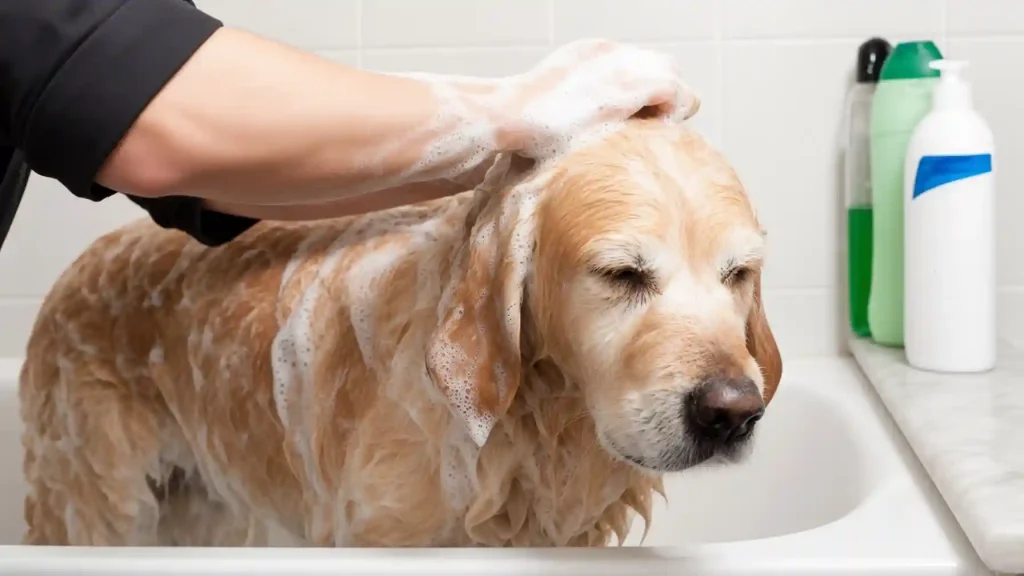
Proper Bathing Techniques
- Brush Before Bathing: Remove loose hair, dirt, and tangles before the bath to ensure shampoo reaches the skin effectively. This helps reduce dog smell by allowing proper cleaning.
- Use Lukewarm Water: Water that’s too hot can strip oils; water that’s too cold won’t effectively remove dirt and oil.
- Dilute Shampoo Properly: Dilute shampoo according to manufacturer’s instructions for even distribution and easier rinsing.
- Double Shampoo: For very dirty dogs, shampoo twice. The first wash removes surface dirt, while the second allows the shampoo to work on the skin.
- Let Medicated Shampoos Sit: Follow label instructions regarding contact time, typically 5-10 minutes.
- Rinse Thoroughly: All shampoo residue must be removed to prevent skin irritation and odor. This is crucial for eliminating dog smell.
- Condition: Use a dog-specific conditioner after shampooing to restore moisture and protect the skin barrier.
Drying Techniques
- Towel Dry First: Use absorbent towels to remove as much moisture as possible.
- Use a Blow Dryer: Use a cool or warm setting, not hot. High-velocity pet dryers are more efficient.
- Check Problem Areas: Pay special attention to armpits, groin, between toes, and under the ears.
Dietary Improvements
- High-Quality Protein: Ensure adequate high-quality animal protein for skin cell regeneration.
- Essential Fatty Acids: Supplement with omega-3 and omega-6 fatty acids to support skin health.
- Zinc and Vitamins: Ensure adequate intake of zinc, vitamin E, and B-complex vitamins.
- Food Trials: If food allergies are suspected, conduct an elimination diet trial with your veterinarian. For more information on pet nutrition, you can consult this external resource on dog nutrition.
Skincare and Grooming Routine
- Regular Brushing: Daily brushing removes dead skin cells, distributes natural oils, and improves skin circulation. Regular grooming helps reduce dog smell.
- Omega-3 Supplements: Consider adding fish oil supplements to your dog’s diet (100-200 mg per 10 pounds of body weight daily).
- Topical Treatments: Leave-in conditioners or moisturizing sprays can provide additional hydration.
- Paw Care: Use a paw balm or moisturizer to prevent dry, cracked paw pads.
- Ear Care: Regular ear cleaning with a veterinarian-approved solution prevents infections.
- Anal Gland Care: Dietary fiber supplements can promote natural expression; your vet can teach you proper expression techniques if needed.
Environmental Management
- Humidity Control: Use a humidifier during dry winter months.
- Regular Bedding Cleaning: Wash your dog’s bedding weekly in hot water.
- Allergen Reduction: Vacuum regularly and use HEPA air filters.
- Flea Prevention: Maintain year-round flea prevention as recommended by your veterinarian.
- Outdoor Considerations: Rinse off your dog after walks if they’ve been in contact with pollen or other irritants.
When to See the Veterinarian
Seek veterinary attention if you notice:
- Persistent Odor: Despite thorough bathing and proper drying. If dog smell persists, it’s time for a vet visit.
- Severe Dandruff: Extensive flaking accompanied by crusting, lesions, or hair loss.
- Intense Itching: Excessive scratching, chewing, or licking causing skin damage. If your dog is excessively itchy, check out our article on why is my dog itching so much for more insights.
- Behavioral Changes: Lethargy, inappetence, or signs of systemic illness.
- Recurrent Infections: Repeated bacterial or yeast infections despite treatment.
- Failure to Respond: No improvement with home care within a few weeks.
Conclusion
Understanding why your dog smells bad after a bath and why they might have dandruff is the first step toward solving these common but frustrating problems. Both issues are typically symptoms of underlying skin imbalances rather than simple cleanliness concerns. Persistent dog smell is a sign that something needs attention.
A comprehensive approach addressing proper bathing techniques, thorough drying, appropriate nutrition, and management of underlying health conditions is essential. Every dog is unique, and patience and persistence are crucial—some issues require long-term management rather than a quick fix. With the right approach, you can eliminate that unwanted dog smell.
Don’t hesitate to work closely with your veterinarian to develop a personalized care plan. They can help identify the root causes and guide you toward the most effective treatments. With proper care and attention, you can help your furry friend feel and smell their best while enjoying many happy, healthy years together. If you’re just starting out, our dog grooming checklist for first-time owners is a great resource to ensure you have everything you need. For more help finding professional services, our guide on pet groomers near me can help you find the right support. For foundational training advice that can help build trust during grooming, you might find our guide on easy commands every puppy should learn very useful.
