Dog Limping? 5 Important Causes and Easy Ways to Help Your Dog
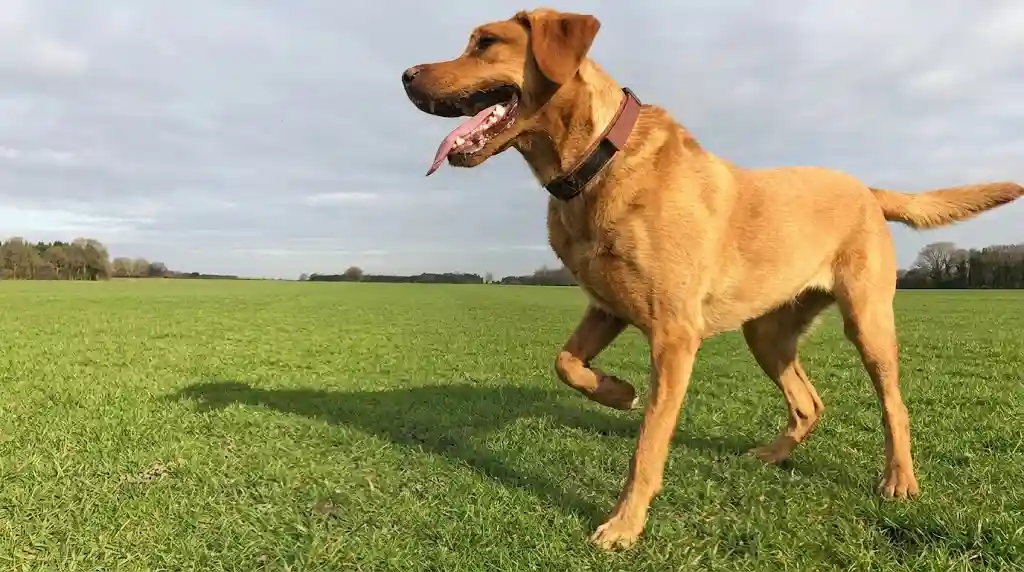
Table of Contents
Why is my dog limping but acting normal? This is a common and often perplexing concern for dog owners. Observing your beloved canine companion develop a limp can be alarming, yet it’s even more confusing when they otherwise appear energetic, happy, and pain-free. They might still eat normally, play, wag their tail, and show no outward signs of distress, leading many to wonder if the limp is truly serious or just a fleeting issue. Understanding the nuances of canine lameness, especially when accompanied by seemingly normal behavior, is crucial for responsible pet ownership. A limp, regardless of how subtle or intermittent, is always an indication that something is amiss, even if your dog’s stoic nature or high pain threshold prevents them from showing obvious discomfort. This comprehensive guide will delve into the various reasons behind a dog limping but acting normal, provide actionable advice on home treatment, and, critically, establish clear guidelines for when a veterinary visit becomes imperative.
Why is My Dog Limping But Acting Normal? Exploring Subtle Causes
The dichotomy of a dog limping yet acting normal often stems from the nature of the injury or condition itself, combined with a dog’s inherent tendency to mask pain. Unlike humans, dogs are evolved to hide weakness as a survival instinct. This means that a subtle limp, especially one that doesn’t hinder their enthusiasm for life, can be indicative of a wide range of issues, from minor irritations to more insidious problems. Here are some of the most common reasons:
- Minor Sprains or Strains: Just like humans, dogs can overdo it during play, take an awkward step, or land imperfectly, leading to a minor muscle strain or ligament sprain. These are often transient, causing a slight limp that might improve with rest but doesn’t cause significant pain or behavioral changes. The dog might favor the limb slightly but still be eager for walks or games.
- Paw Pad Injuries: The pads of a dog’s paws are tough but susceptible to injury. A small cut from a sharp object, a splinter, a thorn, or even a pebble lodged between the pads can cause irritation and a noticeable limp. Since the injury is localized to the paw, the dog’s overall demeanor, appetite, and energy levels might remain unaffected. Regularly inspecting your dog’s paws, especially after outdoor activities, can help identify these issues.
- Nail Problems: A broken, torn, ingrown, or overgrown nail can be surprisingly painful and cause a dog to limp. The discomfort is usually confined to the digit, allowing the dog to otherwise act normal. Overgrown nails can also change a dog’s gait, putting pressure on the paw and leading to discomfort.
- Insect Bites or Stings: A bee sting or an insect bite on a paw or leg can cause localized swelling and pain, resulting in a limp. The discomfort might be acute but not systemic, so the dog’s overall health and happiness aren’t significantly impacted.
- Muscle Soreness or Fatigue: An unusually long walk, strenuous play session, or a new exercise routine can lead to muscle soreness, particularly in less-conditioned dogs. This can manifest as a subtle limp or stiffness, especially after resting, but usually resolves with a day or two of gentle activity and rest.
- Early Stages of Degenerative Joint Disease (Arthritis): In older dogs, or sometimes even younger dogs with predispositions, the early onset of arthritis can cause intermittent limping that is often worse after rest or in cold weather. The pain might not be severe enough to affect their general disposition, but the joint discomfort causes them to favor a limb.
- Referred Pain: Less common, but sometimes pain originating elsewhere in the body (e.g., back problems, hip issues) can be “referred” and manifest as a limp in a seemingly unrelated limb. The dog’s overall activity might not be significantly impacted initially, especially if the underlying cause is subtle.
- Growth-Related Issues: In large breed puppies and adolescents, conditions like panosteitis (growing pains) can cause shifting lameness that appears suddenly, resolves, and then reappears in another leg, often without affecting the dog’s general temperament. Osteochondritis Dissecans (OCD) is another condition affecting joint cartilage that can cause limping.
Common Underlying Causes of Limping in Dogs
While a dog acting normal despite limping might suggest a minor issue, it’s essential not to dismiss the symptom entirely. Many significant health problems can begin with subtle signs, including intermittent lameness. A deeper dive into common causes reveals the potential complexities:
- Acute Traumatic Injuries: Beyond minor sprains, dogs can sustain more significant injuries that might not immediately present with overt signs of severe pain. A twist, fall, or impact during play could lead to a hairline fracture, a torn ligament (like a partial cranial cruciate ligament tear), or a deeper muscle injury. While these are more serious, a dog’s pain tolerance might allow them to continue acting relatively normal, especially if the injury is not weight-bearing or if they’ve learned to adapt.
- Chronic Orthopedic Conditions: Hip dysplasia, elbow dysplasia, luxating patella, and intervertebral disc disease (IVDD) are all conditions that can manifest with subtle or intermittent limping before progressing. In their early stages, the discomfort might only be noticeable during certain movements or after prolonged activity, allowing the dog to appear normal otherwise. Owners might notice a slight “bunny hop” gait, stiffness upon rising, or reluctance to jump.
- Neurological Issues: Nerve impingement, mild spinal cord compression, or certain neurological disorders can sometimes present as lameness. The nerve pain might not be constant or severe enough to cause overt distress, but it can affect motor function, leading to a limp.
- Infections and Inflammations: Paw infections (bacterial or fungal) between the toes or in the nail beds can cause significant discomfort and limping. Tick-borne diseases such as Lyme disease or Anaplasmosis can cause joint inflammation and lameness that might be intermittent or shift from one limb to another. Abscesses from a puncture wound can also cause localized pain and limping. For more on skin-related infections, see this guide on dog skin infections.
- Cancers: Although less common, certain types of bone cancer (osteosarcoma) or soft tissue tumors can cause limping, especially in older large breed dogs. Early stages might involve subtle, intermittent pain before the condition progresses to severe lameness.
Key Observations When Your Dog Exhibits Limping
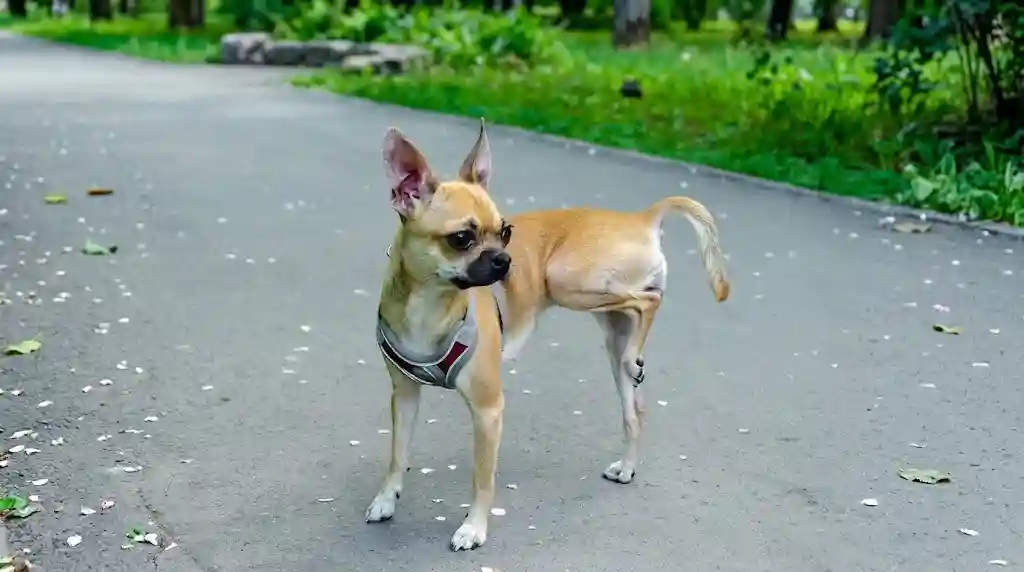
When you notice your dog limping but otherwise acting normal, becoming a keen observer is your first and most critical step. The details you gather can be invaluable to your veterinarian, helping them pinpoint the cause and determine the best course of action. Pay close attention to the following aspects:
- When does the limping occur? Is it constant, intermittent, worse after rest, worse after exercise, or only noticeable at certain times of the day? Does it appear after a specific activity, like jumping or running?
- Which leg or paw is affected? Try to identify the specific limb. Is it a front leg or a back leg? Does the limp seem to shift from one leg to another?
- Severity of the limp: Is it a slight favoring of the limb, or is your dog completely avoiding putting weight on it? Even if they’re acting normal, a dog that refuses to put weight down needs immediate attention.
- Any visible changes? Carefully examine the affected limb and paw for swelling, redness, discoloration, cuts, scrapes, punctures, thorns, splinters, foreign objects, and nail issues (broken, torn, or overgrown).
- Reaction to touch: Gently palpate the leg from the hip/shoulder down to the paw. Does your dog show any signs of pain, such as flinching, pulling away, vocalizing, or licking the area? Compare the temperature of the affected limb to the unaffected ones.
- Behavioral changes: Even if they seem “normal,” are there any subtle shifts? Are they less enthusiastic about certain activities? Do they hesitate before jumping into the car or onto the couch? Are they sleeping more? A slight decrease in appetite, even if they’re still eating, can also be a sign of discomfort.
- History: Has your dog had any recent injuries, falls, or strenuous exercise? Have they been exposed to ticks?
Documenting these observations can significantly assist your vet in their diagnostic process. A video of your dog limping, especially if it’s intermittent, can also be very helpful. If your dog also shows skin irritation or itching, this guide on why your dog is itching so much may provide additional context.
| Observation Category | What to Look For | Potential Implication (Limping but Acting Normal) |
|---|---|---|
| Limping Pattern | Intermittent, worse after rest, worse after exercise, constant subtle limp, shifting lameness. | Minor sprain/strain, early arthritis, growth plate issues, muscle soreness, or chronic orthopedic conditions. |
| Affected Area (Visual) | Swelling, redness, cuts, punctures, foreign objects, nail issues (broken, torn, ingrown). | Paw pad injury, insect bite/sting, local infection, torn nail. |
| Affected Area (Tactile) | Pain upon gentle palpation, heat, sensitivity to touch. | Localized injury (sprain, strain), early fracture, infection, inflammation. |
| Overall Behavior | Normal appetite, energy, willingness to play, but slight hesitation with certain movements (jumping, stairs). | Subtle pain not impacting general mood, early-stage discomfort that is not yet debilitating. |
| Recent History | Recent strenuous activity, fall, awkward landing, exposure to rough terrain, recent grooming. | Acute injury (sprain/strain), paw trauma, muscle soreness, nail trim issues. |
How Can I Treat My Dog’s Limping at Home? Responsible First Aid
When your dog is limping but otherwise appears normal, home treatment can be considered for very minor, obvious issues. However, it’s crucial to exercise caution and understand that home care is only appropriate for superficial problems or as a temporary measure before veterinary consultation. If you’re unsure, or if the limp doesn’t improve quickly, professional advice is always best.
- Immediate Rest: This is the cornerstone of home treatment for any minor lameness. Restrict your dog’s activity immediately. No running, jumping, or strenuous play. Keep them on a leash for potty breaks and discourage stairs or jumping on furniture. A minimum of 24-48 hours of strict rest is often recommended for very minor issues.
- Thorough Paw Inspection: Gently examine each paw pad for cuts, punctures, redness, or swelling. Carefully check between each toe for foreign objects like splinters, thorns, pebbles, or matted fur. Inspect all nails for cracks, breaks, or signs of being torn or ingrown. If you find a minor foreign object that can be easily removed with tweezers, do so carefully. Clean any small cuts with an antiseptic solution (like diluted povidone-iodine or chlorhexidine, never hydrogen peroxide). If a nail is torn but still attached, it might need veterinary attention, as it can be very painful and prone to infection.
- Cold Compress (Ice Pack): For acute swelling or suspected sprains, a cold compress can help reduce inflammation and pain. Apply an ice pack (wrapped in a thin towel to prevent frostbite) to the affected area for 10-15 minutes, 2-3 times a day for the first 24-48 hours. Ensure your dog tolerates this and doesn’t try to chew the pack.
- Warm Compress: After the initial 24-48 hours, if the limping persists and there’s no acute swelling, a warm compress can sometimes help increase blood flow and relax muscles. Apply a warm, moist towel for 10-15 minutes, 2-3 times a day. This is often more beneficial for muscle soreness or chronic stiffness, such as early arthritis.
- Confinement and Observation: Keep your dog in a safe, comfortable, and confined space where they cannot re-injure themselves. Continue to observe their gait, behavior, appetite, and any changes in the affected limb.
What NOT to do at home:
- Do not administer human pain medications: Many over-the-counter pain relievers for humans (like ibuprofen, naproxen, or acetaminophen) are toxic to dogs and can cause severe health problems, including kidney failure or liver damage.
- Do not force your dog to exercise: “Walking it off” is rarely a good idea for a limping dog and can worsen an injury.
- Do not ignore worsening symptoms: If the limp becomes more severe, if swelling increases, or if your dog starts showing signs of significant pain, seek veterinary attention immediately.
If your dog has a pre-existing skin condition or is prone to allergies that may be contributing to paw licking or irritation, this guide on dog allergies may be helpful. Also, if your dog is on medication or has a sensitive stomach, choosing the right diet matters — see this guide to the best dry dog food for sensitive stomachs.
How Long Should a Dog Limp Before Going to the Vet? Knowing When to Seek Professional Help
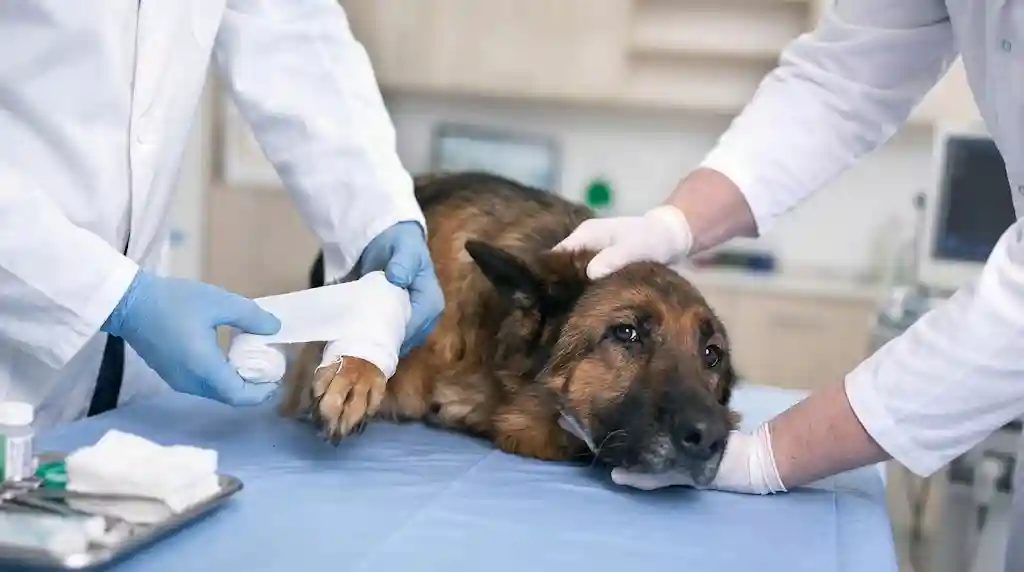
This is arguably the most critical question for owners of a limping dog acting normal. While minor issues can sometimes resolve with rest, knowing when to call the veterinarian is paramount to prevent complications and address potentially serious underlying conditions. Here’s a guideline:
Immediate Veterinary Attention (Emergency): Seek veterinary care immediately (within hours) if:
- Your dog cannot bear any weight on the leg or is dragging it.
- There is obvious severe pain, yelping, or aggression when the limb is touched.
- You see an open wound, excessive bleeding, or a visible bone.
- There is severe swelling, disfigurement, or the limb is at an unnatural angle.
- The limping is accompanied by other severe symptoms like lethargy, fever, vomiting, or collapse.
- Your dog was hit by a car, fell from a height, or experienced a significant trauma.
- Sudden onset of neurological symptoms along with limping (e.g., loss of coordination, stumbling).
Veterinary Consultation within 24-48 Hours (Urgent but not Emergency): It’s highly advisable to see a vet within one to two days if:
- The limping persists for more than 24-48 hours, even if it’s subtle and your dog seems otherwise normal.
- The limp is intermittent but recurring.
- You’ve inspected the paw and limb and found no obvious cause for the limping.
- There’s mild swelling or tenderness you’ve identified during home examination.
- The limping seems to be worsening gradually.
- Your dog is a puppy or a senior dog, as they are more vulnerable to serious conditions.
- You suspect a broken nail or an infection that you cannot manage at home.
Veterinary Consultation for Chronic or Recurring Limping: If your dog has a subtle, long-standing limp that comes and goes, or if they’ve had episodes of limping in the past that were undiagnosed, a non-emergency vet visit is still warranted. This could indicate chronic issues like arthritis, hip/elbow dysplasia, or other degenerative conditions that benefit from early diagnosis and management. Even if your dog acts normal, persistent lameness is a signal that deserves investigation. Early intervention can significantly improve your dog’s quality of life and prevent progression of certain diseases.
In general, if you are concerned or unsure about the cause or severity of your dog’s limp, it is always best to err on the side of caution and consult with your veterinarian. For more detailed information on canine health and common issues, you can refer to the Merck Veterinary Manual, a trusted resource for pet owners and professionals alike.
Veterinary Diagnosis: What to Expect at the Clinic
When you bring your limping dog to the vet, the diagnostic process typically involves several steps aimed at identifying the root cause:
- Detailed History: Your veterinarian will ask you comprehensive questions about the onset of the limp, its duration, severity, any associated symptoms, your dog’s activity level, recent incidents, and any home care you’ve provided. This is where your detailed observations become incredibly helpful.
- Physical Examination: A thorough physical exam will be performed, including gait analysis, palpation, range of motion, and orthopedic and neurological assessment.
- Diagnostic Imaging: Depending on the findings of the physical exam, the vet may recommend X-rays (radiographs), ultrasound, CT scans, or MRIs.
- Laboratory Tests: Blood tests may be recommended to check for systemic inflammation, infections (like tick-borne diseases), or other underlying health conditions that could contribute to lameness. Joint fluid analysis might also be performed in some cases.
- Trial Treatment: In some ambiguous cases, a vet might prescribe a short course of canine-specific anti-inflammatory medication (NSAIDs) to see if the limp improves. This can sometimes help narrow down whether the issue is inflammatory in nature.
Once a diagnosis is made, your veterinarian will discuss treatment options, which could range from continued rest and medication to physical therapy, dietary changes, or even surgery, depending on the severity and nature of the condition. For general tips on keeping your dog healthy and active, this guide on the ultimate pet nutrition tips can be a valuable resource.
Conclusion
Why is my dog limping but acting normal? This seemingly contradictory situation is a common challenge for dog owners, highlighting both a dog’s incredible resilience and its tendency to mask discomfort. While a subtle limp might stem from a minor and easily resolvable issue like a small paw injury or temporary muscle soreness, it can also be the early indicator of more serious underlying conditions such as arthritis, ligament tears, or even certain diseases. The key to responsible pet care lies in vigilant observation, understanding the potential causes, and knowing when to intervene. Home treatment, primarily consisting of rest and careful inspection, is appropriate only for very superficial and apparent issues. However, if the limp persists beyond 24-48 hours, worsens, or if you cannot identify a clear, minor cause, seeking professional veterinary advice is not just recommended, but essential. Your veterinarian possesses the expertise and diagnostic tools to accurately diagnose the problem and guide you toward the most effective treatment, ensuring your beloved companion receives the care they need to live a healthy, pain-free life. Always prioritize your dog’s health and well-being; when in doubt, a vet visit is always the safest course of action.
