Best Apartment Dogs: 3 Amazing Medium Breeds for First-Time Owners

Table of Contents
Best apartment dogs for first-time owners are often sought after by individuals or families looking to welcome a furry friend into their lives without the burden of a large backyard or extensive exercise requirements. Living in an apartment doesn’t mean you have to forgo the joy of dog ownership; in fact, many breeds are perfectly content and thrive in smaller living spaces, especially with the right care and attention. The key lies in selecting a dog whose temperament, energy level, and grooming needs align with an apartment lifestyle and a novice owner’s capabilities. This comprehensive guide will delve into various aspects of choosing an apartment-friendly dog, highlighting low-maintenance options and suitable medium-sized breeds that make excellent companions for those new to dog parenting.
Understanding Apartment Dog Suitability: More Than Just Size
When considering a dog for apartment living, it’s a common misconception that size is the only, or even the most important, factor. While smaller dogs often adapt well to compact homes, surprisingly, some larger breeds with lower energy levels can also be excellent apartment dwellers. The American Kennel Club (AKC) notes that many dog breeds can thrive in an apartment if they receive proper exercise and training. The crucial criteria for an apartment-friendly dog extend beyond just their physical dimensions and include several key considerations:
- Energy Level: A dog’s energy level is paramount. Low to moderate energy dogs, typically requiring 30-60 minutes of daily exercise, are generally best suited for apartments. High-energy breeds that need several hours of intense activity can become restless, bored, and even destructive in confined spaces if their needs are not met.
- Noise Level: Thin apartment walls mean that a dog prone to excessive barking can quickly become a nuisance to neighbors. Breeds that are known to be quiet or bark only when necessary are highly preferable. If barking becomes an issue, this guide on how to stop excessive dog barking can help.
- Temperament and Adaptability: An ideal apartment dog is adaptable, calm, and able to settle indoors after walks or playtime. For first-time owners, a dog with a people-oriented and forgiving nature can make the learning process much smoother. They should be able to handle being alone for reasonable periods without developing severe separation anxiety.
- Grooming Needs: While not directly related to apartment space, grooming requirements can impact a first-time owner’s experience. Low-maintenance grooming can be a significant advantage, reducing the time and effort needed for coat care. Check out this dog grooming checklist for first-time owners for guidance.
- Trainability: Dogs that are easier to train tend to adapt faster to apartment routines, such as designated potty areas and quiet hours, contributing to a harmonious living situation. Breeds listed in this guide to the easiest dog breeds to train are a good starting point.
- Building Pet Policies: Always check your apartment building’s specific pet policies, which may include restrictions on breed, weight, or even the number of pets.
Ultimately, a happy apartment dog isn’t about the size of the living space, but rather the quality of life provided through consistent care, mental stimulation, and a good match between the dog’s needs and the owner’s lifestyle.
Top Low-Maintenance Apartment Dogs for First-Time Owners

For first-time owners, especially those in apartments, “low-maintenance” often refers to a combination of moderate exercise needs, minimal grooming requirements, and an easygoing temperament. Several breeds consistently rank high in these categories, making them excellent choices. For a broader list, you can also explore these 15 amazing low-maintenance dog breeds.
French Bulldog: French Bulldogs are frequently cited as a top choice for apartment dwellers due to their compact size and relaxed demeanor. They require minimal exercise, enjoying short walks, and are known for their playful and affectionate personalities. Their short coats are also low-maintenance for grooming. However, their brachycephalic (flat) faces mean they can be prone to breathing issues and should not be over-exerted, especially in heat.
Pug: Pugs are another breed celebrated for their charm and vitality. Their small size and easy-going nature make them excellent apartment dogs. Pugs are sociable, loving, and humorous, content with indoor living, and have minimal grooming needs. They enjoy playtime but don’t require extensive exercise. Similar to French Bulldogs, Pugs are brachycephalic and sensitive to extreme temperatures, requiring care to avoid respiratory distress.
Cavalier King Charles Spaniel: These affectionate and adaptable dogs are often recommended for first-time owners, seniors, and apartment dwellers. Cavaliers are known for their gentle and friendly nature, thriving on human companionship. They have moderate exercise needs, typically content with two 20-30 minute walks daily, and are happy to relax on the sofa afterward. Their medium-length coat requires regular brushing to prevent tangles.
Shih Tzu: Shih Tzus are charming and calm companions, well-suited for apartment life due to their small size and affectionate nature. They thrive on human interaction and are often happy to follow their owners around the apartment for exercise. While they have luxurious coats that require regular grooming, many owners opt for a shorter “puppy cut” to reduce maintenance. They are generally low to moderate energy dogs and not particularly fond of the outdoors.
Bichon Frise: Small, fluffy, and cheerful, Bichon Frises are excellent apartment companions. Their hypoallergenic coat is a plus for allergy sufferers, though it does require regular grooming. They are lively and sociable, highly trainable, and adapt well to apartment life, but they do require attention and may not do well if left alone for extended periods.
Boston Terrier: These friendly and intelligent dogs are considered very good apartment dogs. They don’t need a ton of exercise and are content to cuddle up on the couch. They also tend to be quiet, which is a significant advantage in apartment settings.
Medium-Sized Apartment Dogs Ideal for Beginners
While small breeds often come to mind first for apartment living, several medium-sized dogs can also thrive in smaller spaces, especially if they have lower energy levels or can adapt their activity to indoor environments. For a first-time owner, selecting a medium-sized dog requires careful consideration of their temperament and exercise needs to ensure they remain content in an apartment setting. If you are looking for family-friendly options, these best medium-sized dog breeds for families are worth considering.
Here are some excellent medium-sized options:
| Breed | Size (Approx. Weight) | Key Temperament & Energy Traits | Grooming Needs | Apartment Suitability for First-Time Owners |
|---|---|---|---|---|
| Basset Hound | 45 – 65 lbs (Medium) | Calm, laid-back, gentle, loves to lounge. Can be stubborn but generally good-natured. Requires moderate exercise, mostly walking. | Low grooming; prone to drooling. | Excellent choice for those seeking a relaxed companion. Happy with indoor downtime. |
| Corgi (Pembroke Welsh) | Up to 30 lbs (Small-Medium) | Affectionate, smart, alert, and playful. Despite short legs, they enjoy physical activity. Can be watchful and somewhat vocal. | Moderate grooming; sheds seasonally. | Good for active first-time owners who can provide regular exercise and mental stimulation. Can be barkers, so training is essential. |
| Whippet | 20 – 40 lbs (Medium) | Quiet, gentle, friendly, and surprisingly low-energy indoors, often described as “couch potatoes.” They enjoy short bursts of speed outdoors. | Low grooming due to short fur. | Excellent for first-time apartment owners, known for being quiet and adaptable indoors. Requires a safe, enclosed area for occasional sprints. |
| Cocker Spaniel | 20 – 30 lbs (Medium) | Intelligent, eager to please, affectionate, and good with families. Can be playful and require moderate exercise. | Moderate to high grooming; prone to matting without regular brushing. | Suitable for first-time owners willing to commit to consistent training and grooming. Can be prone to separation anxiety if left alone too long. |
| English Bulldog | 45 – 55 lbs (Medium) | Calm, affectionate, and enjoys lounging. Gets hot and tired easily, preferring indoors. | Low grooming needs due to short coat. | Ideal for first-time owners seeking a low-energy, affectionate companion. Requires care in warm weather due to breathing issues. |
The Importance of Training and Socialization in Apartment Life
Regardless of breed, proper training and socialization are fundamental for any dog, but they become even more critical for apartment dwellers. A well-behaved, socialized dog is not only a happier companion but also a better neighbor, minimizing potential conflicts in shared living spaces.
For first-time owners, investing in puppy classes or working with a professional dog trainer can lay a strong foundation. If you need help finding one, this guide to pet training near me can point you in the right direction. Key areas to focus on include:
- Potty Training: Establishing a consistent potty schedule is vital. For apartment dogs, this often means frequent walks outside, especially during puppyhood. Training pads can be a temporary solution, but outdoor relief should be the ultimate goal.
- Leash Manners: A dog that pulls excessively on the leash can make daily walks a chore. Leash training ensures pleasant outings for both owner and dog.
- Quiet Command: Teaching a “quiet” command is invaluable in an apartment. This helps manage barking at external noises, visitors, or when left alone. Some breeds, like Basenjis, are naturally quiet (“barkless”), but most dogs benefit from this training.
- Crate Training: A crate can provide a safe den for your dog, aid in potty training, and prevent destructive behaviors when you’re not home. It’s crucial that the crate is introduced positively and never used as punishment.
- Socialization: Exposing your dog to various sights, sounds, people, and other well-behaved dogs from a young age helps them develop into a confident and well-adjusted adult. This is particularly important for apartment dogs who will encounter many different stimuli daily.
- Separation Training: Many apartment dogs will spend time alone. Gradually accustoming your dog to your absence, starting with short periods and increasing duration, can prevent separation anxiety. Providing puzzle toys or long-lasting chews can help keep them occupied.
Remember that even “lazy” or “low-maintenance” breeds still require exercise and mental stimulation to remain healthy and happy. Lack of consistent exercise and mental engagement can lead to boredom and behavioral issues, making even a calm dog seem high-energy. Therefore, daily walks and interactive play sessions are indispensable, irrespective of a dog’s natural energy level. For more general advice on dog care and training, resources like the American Kennel Club’s training section offer valuable insights for new owners.
Beyond the Breed: Individual Temperament and Lifestyle Match
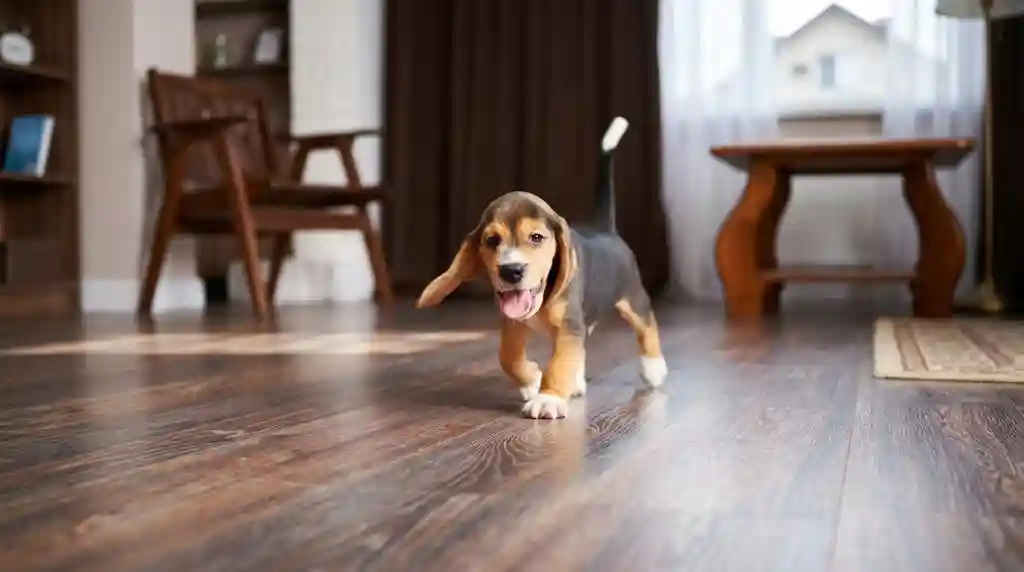
While breed characteristics offer a useful starting point, it’s vital to remember that every dog is an individual. A dog’s personality, shaped by genetics, early experiences, and ongoing training, can vary significantly even within the same breed. Therefore, when choosing a dog, especially from a rescue or shelter, spending time with individual animals to assess their specific temperament is crucial. A dog’s individual energy level, response to new people and environments, and overall demeanor are just as important as their breed label.
For first-time owners, considering an adult dog from a reputable rescue organization can be highly beneficial. Adult dogs often come with a known personality, and sometimes even some basic training, which can simplify the adjustment period. This can remove some of the guesswork associated with raising a puppy and allow you to find a dog whose established personality truly aligns with your apartment lifestyle.
Your personal lifestyle and daily routine are also paramount. Consider:
- Your Availability: How many hours will the dog be alone each day? Some breeds tolerate solitude better than others. If you work long hours, a dog walker or doggy daycare might be necessary, or choosing a breed less prone to separation anxiety could be wise.
- Your Activity Level: Even low-energy dogs need daily walks. If you enjoy daily strolls or weekend hikes, some apartment-friendly breeds like Whippets or even smaller Poodles can happily join you. You can learn more about Poodles in this comprehensive breed guide.
- Grooming Commitment: Are you prepared for regular brushing, professional grooming, or managing shedding? Even low-maintenance breeds have some grooming needs. This guide on how to groom a double-coated dog at home is useful if you choose a breed with a thicker coat.
- Financial Commitment: Factor in the costs of food, vet care, grooming, training, and potential dog walkers or sitters. Choosing the right dry dog food for sensitive stomachs can also help manage dietary needs for apartment dogs that may be more prone to digestive upset.
The goal is to find a realistic match for your schedule, building rules, noise tolerance, and comfort level as a beginner. A happy dog makes for a happy home, regardless of space constraints, so plan wisely to enjoy a fulfilling experience with your apartment canine companion.
Conclusion
Choosing the best apartment dog for a first-time owner involves a thoughtful evaluation of breed characteristics, individual temperament, and your personal lifestyle. While small and medium-sized breeds often shine in apartment settings, factors like energy level, noise propensity, and adaptability are far more important than mere size. Breeds such as French Bulldogs, Pugs, Cavalier King Charles Spaniels, Shih Tzus, Bichon Frises, Basset Hounds, and Whippets consistently prove to be excellent companions for novice owners in urban environments, offering a balance of affection, manageable exercise needs, and generally calm dispositions. Remember that proper training, socialization, and consistent care are indispensable for fostering a happy, well-adjusted apartment dog. By taking the time to research, meet potential companions, and honestly assess your readiness, you can embark on a rewarding journey of dog ownership, transforming your apartment into a loving home for your new furry family member.
