7 Diverse Dog Breeds: Amazing Facts About Health and Energy
Table of Contents
Diverse Dog Breeds the vast and varied world of diverse dog breeds is a fascinating journey for any prospective or current dog owner. From their unique physical attributes to their innate temperaments and energy levels, each breed offers a distinct set of characteristics that can greatly influence their suitability for different households and lifestyles. This comprehensive guide delves into several key aspects of canine diversity, covering breeds known for their robust health, those distinguished by their elegant long ears, the proud heritage of dogs from Spain, breeds that harmoniously coexist with felines, and those requiring significant activity to thrive. Understanding these facets is crucial for making an informed decision when choosing a furry family member, ensuring a happy and healthy life for both pet and owner.
Diverse Dog Breeds with the Least Health Issues: A Focus on Longevity and Vitality
While every dog breed can, unfortunately, be prone to certain genetic conditions, some breeds are generally recognized for their robust health and longer lifespans, often experiencing fewer breed-specific ailments than others. Choosing a breed with a predisposition for good health can potentially lead to fewer veterinary visits and a more enduring companionship. It is vital, however, to remember that individual health can vary greatly depending on genetics, diet, exercise, and overall care. Reputable breeders who screen their breeding stock for genetic diseases play a crucial role in promoting healthy puppies.
Several breeds consistently appear on lists of the healthiest dogs. The Poodle, particularly the Standard Poodle, is often cited for its longevity and general good health, though they can be susceptible to hip dysplasia and bloat. For a deeper dive into this remarkable breed, a comprehensive guide to poodles covers everything from grooming to temperament. Similarly, the Australian Shepherd, known for its intelligence and agility, generally enjoys good health but may face issues like hip and elbow dysplasia or certain eye conditions. The Basenji, an ancient breed originating from Africa, is another remarkably healthy dog, rarely experiencing the common ailments seen in many other breeds, though they can be prone to Fanconi syndrome.
Other breeds recognized for their relative hardiness include the Havanese, a sturdy companion dog, and the Shiba Inu, known for its spirited nature and robust constitution. The Border Collie, renowned for its working ability and intelligence, tends to be a healthy breed overall, with a lifespan often reaching into the early to mid-teens. However, like many active breeds, they can be predisposed to hip and elbow dysplasia. The Greyhound, surprisingly, also makes this list. Despite their athletic build, they are generally a very healthy breed, experiencing few of the common orthopedic problems that plague other large breeds. Regular exercise and a balanced diet are paramount for maintaining the health of any dog, regardless of breed. If you notice unusual symptoms like digestive upset, understanding dog diarrhea a comprehensive guide for concerned pet can help you respond appropriately.
Canine Charm: Dog Breeds Distinguished by Their Long Ears
Long, pendulous ears are a distinguishing feature for many dog breeds, adding to their unique charm and often serving functional purposes related to their original roles as hunters or trackers. These ears, which hang down the sides of the head, can come in various shapes and lengths, from elegantly feathered to broad and velvety. While undeniably adorable, long ears do require specific care to prevent infections, as the covered ear canal can become a warm, moist environment conducive to bacterial or yeast growth.
One of the most iconic breeds known for its exceptionally long ears is the Basset Hound. Their ears are so lengthy that they often drag on the ground, helping them to stir up scents for tracking purposes. The Beagle is another well-known breed with long, droopy ears that complement its excellent sense of smell and cheerful disposition. Similarly, the Cocker Spaniel, whether American or English, boasts beautifully feathered long ears that frame their expressive faces. These breeds often require regular ear cleaning and checking to prevent infections. For long-haired breeds with feathered ears, following a best drying technique for long-haired dogs routine after baths is essential to prevent moisture-related issues.
Other breeds featuring long ears include the Dachshund, with its distinctive long body and floppy ears, and the Irish Setter, whose elegant, flowing coat is matched by its long, silken ears. The Black and Tan Coonhound, bred for trailing game, possesses very long, low-set ears that enhance its tracking abilities. Even some larger breeds, like the Bloodhound, are characterized by their remarkable ear length, which aids in their superior scenting capabilities. These breeds, while varied in size and temperament, share the common trait of their endearing and often functionally advantageous long ears.
A Glimpse into Heritage: Dog Breeds Originating from Spain
Spain, with its diverse landscapes and rich history, has given rise to a fascinating array of dog breeds, many of which were developed for specific working roles such as herding, guarding, and hunting. These breeds often embody the resilience, loyalty, and spirited nature associated with their Iberian origins. From the rugged mountains to the sprawling plains, Spanish dogs have adapted to various environments and tasks, contributing significantly to their unique characteristics.
One of the most recognizable Spanish breeds is the Spanish Water Dog (Perro de Agua Español). This versatile and intelligent breed was historically used for herding sheep, fishing assistance, and retrieving game, recognized by its distinctive curly, woolly coat. Another prominent breed is the Podenco Canario, a sleek and agile sighthound originating from the Canary Islands, primarily used for hunting rabbits. Its keen eyesight and incredible speed make it a formidable hunter.
The Galgo Español, or Spanish Greyhound, is an ancient sighthound known for its elegance, speed, and gentle nature. Historically used for hunting hare, these dogs are increasingly finding new lives as cherished companion animals after retirement from racing. The Mastín Español, or Spanish Mastiff, is a powerful and imposing guardian breed, traditionally used to protect livestock from predators in the vast Iberian countryside. Its immense size and protective instincts make it an excellent, albeit demanding, guardian.
| Breed Name | Origin (Region in Spain) | Primary Historical Role | Key Physical Traits |
|---|---|---|---|
| Spanish Water Dog | Andalusia | Herding, Water Retriever | Curly, woolly coat; medium size |
| Galgo Español | All of Spain | Hunting (sighthound) | Sleek, athletic build; deep chest |
| Podenco Canario | Canary Islands | Hunting (sighthound) | Slender, agile; large erect ears |
| Mastín Español | Various regions (livestock areas) | Livestock Guardian | Large, powerful build; loose skin |
| Perro de Presa Canario | Canary Islands | Guard Dog, Herding | Muscular, robust; strong jaw |
| Perro Majorero | Fuerteventura (Canary Islands) | Herding, Guard Dog | Medium-sized, brindle coat; strong prey drive |
Other notable Spanish breeds include the Perro de Presa Canario, a powerful molosser type dog used for guarding and herding, and the Ratonero Bodeguero Andaluz, a small, agile terrier-type dog bred for hunting rats and mice in wineries. These breeds, each with their own unique story, collectively represent the rich canine heritage of Spain. For further insights into the history and characteristics of these fascinating breeds, resources like Wikipedia’s list of dog breeds provide comprehensive information on origins and characteristics of countless canines, including many from Spain.
Harmony at Home: Dog Breeds Known for Their Compatibility with Cats
Integrating a dog into a household that already includes cats, or vice-versa, requires careful consideration of a dog’s temperament and natural instincts. While individual personalities play a significant role, some dog breeds are inherently more likely to get along well with feline companions due to their lower prey drive, gentler disposition, or adaptability. The key often lies in early socialization and gradual introductions, but starting with a breed generally known for its cat-friendly nature can significantly ease the transition.
Breeds that often excel in multi-pet households include the Cavalier King Charles Spaniel, known for its gentle, affectionate, and adaptable nature. Their small size and desire for companionship make them less intimidating to cats. Similarly, the Bichon Frise, with its cheerful and playful yet non-aggressive demeanor, often forms strong bonds with cats. Greyhounds, surprisingly, can also be excellent with cats despite their sighthound classification. Many retired Greyhounds have a low prey drive towards smaller animals in a home environment, especially if introduced properly.
Poodles, particularly Standard Poodles, are intelligent, easily trainable, and generally good-natured, making them adaptable to living with cats. Their calm temperament often allows them to coexist peacefully. The Golden Retriever and Labrador Retriever, beloved family dogs, are also frequently cited for their friendly and tolerant nature, which extends to other household pets, including cats, especially when raised together. Breeds like the Newfoundland and Bernese Mountain Dog, known for their gentle giant personalities, also tend to be patient and calm with cats, provided they are properly socialized. It’s crucial to supervise initial interactions and provide separate safe spaces for both animals, ensuring a positive and harmonious living arrangement. For owners managing multiple pets, being aware of issues like dog allergy understanding managing and living can help maintain a healthy environment for everyone.
High-Energy Dog Breeds: Perfect Companions for Active Lifestyles
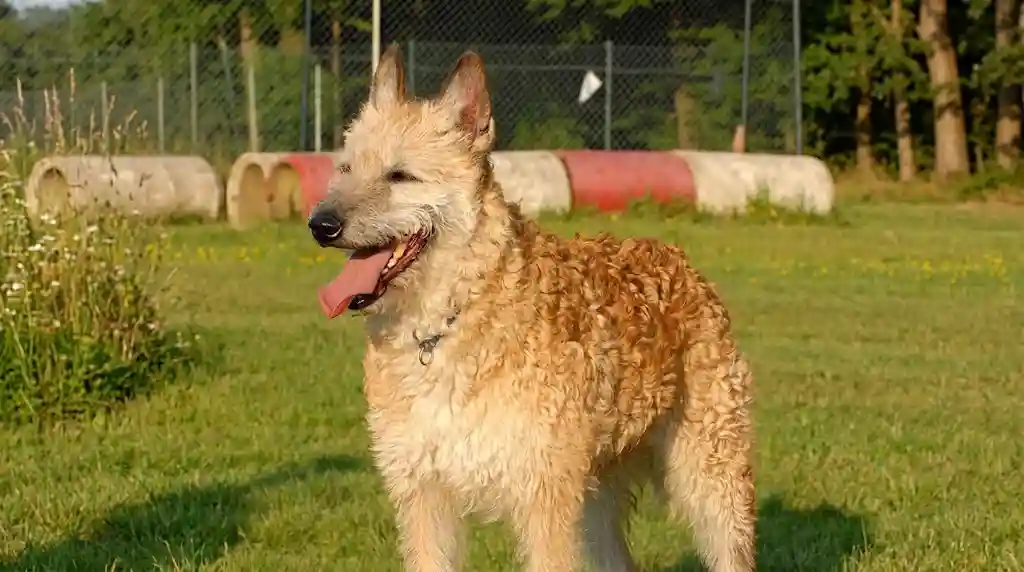
For individuals or families with an active lifestyle, a high-energy dog breed can be the perfect companion. These dogs thrive on regular exercise, mental stimulation, and a sense of purpose. While their boundless energy can be a joy, it also comes with a significant responsibility to meet their needs, as insufficient activity can lead to boredom, destructive behaviors, and stress. Understanding a high-energy breed’s requirements before bringing one home is paramount for their well-being and the peace of your household.
Many herding breeds fall into the high-energy category. The Border Collie, renowned for its intelligence and incredible stamina, requires extensive physical and mental exercise daily to prevent boredom. Similarly, the Australian Shepherd, with its strong working drive, needs plenty of activity, whether through herding, agility, or long runs. The German Shorthaired Pointer, a versatile hunting dog, possesses immense energy and requires vigorous daily exercise, making them ideal for active individuals who enjoy hiking, running, or cycling.
Terrier breeds also often exhibit high energy levels. The Jack Russell Terrier, despite its small size, is a dynamo of energy, requiring significant playtime and mental challenges to keep it happy. The Siberian Husky, bred for pulling sleds over long distances, has incredible endurance and needs ample opportunities to run and expend energy. For proper coat maintenance of these active breeds, following a how to groom a double-coated dog at home routine is essential. Even some popular companion breeds, like the Dalmatian, are surprisingly high-energy and need more than just a casual stroll; they thrive on long walks, jogs, and play sessions. Providing an outlet for their energy, such as dog sports, obedience training, or simply engaging in vigorous play, is essential for these breeds to be well-adjusted and content. For those seeking naturally obedient companions, exploring dog breeds that are easiest to train can narrow down your options.
Responsible Ownership: Understanding Breed-Specific Needs
Choosing a dog breed goes far beyond aesthetic appeal; it involves a deep understanding of the breed’s inherent needs and how they align with one’s lifestyle, environment, and commitment. As explored through the categories of health, appearance, origin, compatibility, and energy levels, each breed presents a unique set of considerations. Responsible ownership hinges on recognizing these factors and being prepared to meet them consistently throughout a dog’s life. This includes providing appropriate nutrition, regular veterinary care, adequate exercise and mental stimulation, consistent training, and loving companionship.
For breeds predisposed to certain health issues, proactive veterinary care and breed-specific health screenings become even more critical. Owners of dogs with long ears must commit to routine ear cleaning and inspections to prevent infections. Those interested in Spanish breeds can appreciate their unique heritage and often strong working drives, which may translate to specific training and exercise requirements. For multi-pet households, careful selection of a cat-friendly dog breed, coupled with patient introductions and supervision, can lay the foundation for a harmonious home. Finally, embracing a high-energy dog breed means dedicating significant time and effort to physical activity and mental engagement, ensuring their well-being and preventing behavioral challenges.
Regardless of breed, every dog benefits from proper grooming tailored to their coat type. Following a dog grooming schedule by coat type and how to groom ensures that coats remain healthy and mat-free. Additionally, if you notice excessive shedding, understanding why is my dog shedding more than usual can help identify underlying causes. For new dog owners, connecting with professional trainers through a pet training near me resource can establish a strong foundation for obedience and socialization. And for those drawn to highly intelligent breeds, exploring the smartest dog breeds for training can help match you with a canine partner that thrives on mental challenges.
Conclusion
The world of diverse dog breeds is remarkably diverse, offering a perfect canine companion for nearly every lifestyle and preference. From the robust health of a Basenji to the elegant ears of a Basset Hound, the ancient lineage of a Spanish Galgo, the cat-friendly nature of a Cavalier, or the boundless energy of a Border Collie, each breed brings its own set of characteristics to the fore. By diligently researching and understanding these breed-specific traits—including their health predispositions, physical requirements, historical purposes, social compatibility, and energy demands—prospective owners can make informed decisions. This thoughtful approach ensures that a new furry family member will not only thrive in their new home but also enrich the lives of their human companions for many happy years to come. Ultimately, responsible ownership, grounded in knowledge and dedication, is the cornerstone of a successful and loving relationship between humans and their cherished canine friends.
