Large Apartment Dogs:Best Breeds for Full-Time Workers in 2026
Table of Contents
Best medium to large apartment dogs, and specifically those suitable for full-time workers, represent a unique niche in the world of pet ownership. Many aspiring dog owners mistakenly believe that living in an apartment or working long hours automatically disqualifies them from having a canine companion, especially one that isn’t tiny. However, the truth is far more nuanced. While size is a factor, a dog’s temperament, energy level, and adaptability are far more critical indicators of whether they will thrive in an urban environment or with an owner who maintains a busy schedule. This comprehensive guide will explore the ideal characteristics of apartment-friendly dogs, particularly those of medium to large stature, and delve into breeds that genuinely flourish in such settings, even when their human companions are away for much of the day.
Understanding Large Apartment Dogs Living for Canines
The core principle behind successful apartment dog ownership isn’t about fitting a small dog into a small space; it’s about matching a dog’s inherent needs with the realities of apartment living. Several key factors determine a dog’s suitability for an apartment. Firstly, a calm temperament is paramount. Dogs that are overly energetic or prone to excessive barking can quickly become a nuisance to neighbors and stressed themselves in close quarters.
Secondly, energy levels are crucial. While all dogs require exercise, breeds with low to moderate energy that are content with daily walks and indoor lounging will adapt better than high-energy breeds that need constant activity and vast spaces to run. Thirdly, minimal barking tendencies are highly beneficial. Loud or frequently barking dogs can disturb neighbors and lead to complaints, making quieter breeds preferable. If barking becomes an issue, this guide on how to stop excessive dog barking can help. Finally, adaptability is key; a dog that can adjust to a predictable routine and find comfort in their indoor environment will be much happier.
Key Traits for Dogs with Full-Time Working Owners
For individuals working full-time, the selection process becomes even more critical. The best apartment dogs for full-time workers are those that possess a strong independent streak and do not suffer from severe separation anxiety. These dogs are generally more tolerant of being left alone for reasonable periods during the workday. According to experts, adult dogs of independent breeds can typically manage 6 to 8 hours alone, provided they receive proper exercise, mental enrichment, and ideally a midday bathroom break. It is important to note that puppies under six months should not be left alone for more than 3 to 4 hours, and most dogs benefit significantly from a midday dog walker or doggy daycare to break up their day.
Beyond independence, other essential traits include a low to moderate energy level, which means they won’t become destructive out of boredom or pent-up energy, and a calm disposition that allows them to relax and even nap for extended periods while their owner is away. Trainability is also a significant advantage, as a well-trained dog is less likely to engage in undesirable behaviors when unsupervised. Breeds that respond well to training, such as those listed in this guide to the smartest dog breeds for training, can be excellent choices. These breeds form measured, rather than desperate, attachments to their owners, making solo time part of their natural rhythm.
Top Medium-Sized Dog Breeds for Apartment Dwellers
Many medium-sized breeds offer the perfect balance of companionship and adaptability for apartment living. They are often robust enough to handle various activities but calm enough to be content indoors. Here are some of the top contenders:
- Basset Hound: These charming hounds are renowned for their laid-back and mellow disposition. Basset Hounds are scent-driven sleepers who are perfectly content to snooze through much of the day after a good morning walk. Their low-key nature makes them excellent companions for full-time workers, as they are less likely to experience separation distress. While they enjoy a sniff-filled walk, they don’t demand intense exercise, making them ideal for apartment dwellers.
- Shar-Pei: The Chinese Shar-Pei is a dignified and reserved breed that can adapt well to apartment life, provided they receive sufficient outdoor exercise (around 30-60 minutes daily). They possess an independent temperament, which can be beneficial for owners who work full-time, as they don’t require constant human interaction to thrive. Early socialization and consistent training are important for this breed.
- Standard Poodle: Often overlooked due to stereotypes, Standard Poodles are highly intelligent, easily trainable, and possess a surprisingly calm demeanor indoors once their exercise needs are met. They thrive on mental stimulation and regular physical activity, but their adaptable nature allows them to settle well into apartment living. Their non-shedding coat is also a significant plus for apartment cleanliness. You can learn more about this breed in this comprehensive guide to Poodles.
- Whippet: Whippets are often described as “45-mph couch potatoes.” Despite their speed outdoors, they are calm and quiet indoors, enjoying long naps on the sofa. These medium-sized sighthounds require bursts of vigorous exercise but are perfectly content to relax for the rest of the day, making them excellent apartment companions and suitable for owners with busy schedules.
- Basenji: Known as the “barkless dog,” Basenjis are independent and self-contained, often entertaining themselves for hours by looking out a window. While they are energetic outdoors and require regular activity, their ability to find non-destructive ways to occupy their time makes them good candidates for full-time workers seeking a medium-sized apartment dog.
- Chow Chow: The Chow Chow is an independent, low-energy breed that copes well with being left alone. They are not overly interested in socializing and can be content with their own company. Their distinctive teddy bear-like appearance hides a naturally calm and self-contained personality, making them suitable for apartment living and owners with less flexible schedules.
- Cocker Spaniel: Cocker Spaniels are generally easy-going, gentle, and adaptable dogs that do not bark excessively. They are affectionate companions that can adjust to various living situations, including apartments, as long as they receive consistent exercise and attention when their owners are home.
Excellent Large Dog Breeds for Apartment Life
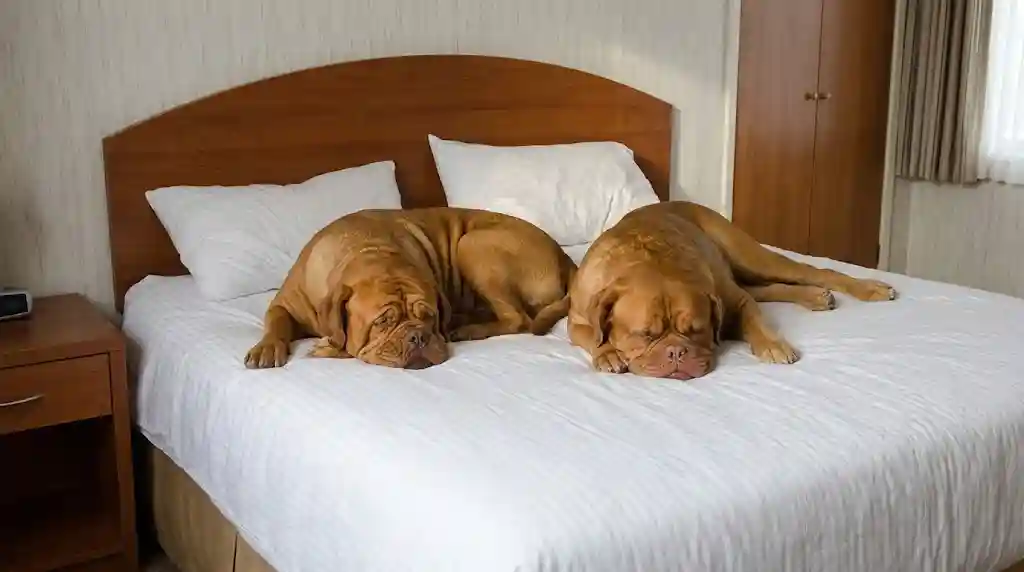
The idea that large dogs cannot thrive in apartments is a common misconception. Many large and even giant breeds are, in fact, incredibly calm indoors and require less intense exercise than some smaller, more high-strung breeds. Their size often means they prefer lounging to frenetic activity, earning them the nickname “gentle giants.”
- Greyhound (Retired): Without a doubt, retired Greyhounds are consistently ranked among the best large dogs for apartment living and full-time workers. Despite their history as racers, they are “world-class couch potatoes” who can sleep up to 18 hours a day. They are calm, gentle, and handle solo time with serene contentment, making them ideal companions for those who work full-time. They thrive on short, brisk walks and a good sprint in a secure area, followed by extensive napping.
- Great Dane: These majestic dogs are often referred to as “gentle giants” for good reason. Despite their imposing size, Great Danes are known for their calm and affectionate nature indoors. They don’t require constant activity and are happy to lounge around the apartment, making them surprisingly well-suited for smaller living spaces once they are past their boisterous puppy phase. Regular daily walks are essential, but they are not high-energy dogs.
- Bullmastiff: Bullmastiffs are devoted, affectionate, and surprisingly mellow dogs that can do well in apartments. Originally bred as guard dogs, they are calm and collected indoors and do not have the high energy levels of some other large breeds. They require moderate exercise, typically a few short walks a day, and are content to relax with their family for much of the time. Their independent yet patient nature makes them capable of handling periods of alone time.
- Newfoundland: Newfoundlands are known for their sweet nature and low indoor energy. Despite their massive size, they are calm dogs that enjoy being near their owners without being overly demanding. Minimal barking is another advantageous trait for apartment living. They require regular, moderate exercise but are not prone to hyperactivity indoors. Their thick double coat requires regular grooming — see this guide on how to groom a double-coated dog at home.
| Breed | Size | Energy Level | Barking Tendency | Suitability for Full-Time Workers |
|---|---|---|---|---|
| Greyhound (Retired) | Large | Low-Moderate (Indoor) | Low | Excellent (Couch potato, independent) |
| Basset Hound | Medium | Low-Moderate | Medium (Baying) | Excellent (Mellow, independent) |
| Bullmastiff | Large | Low-Moderate | Low | Very Good (Calm, loyal, independent) |
| Great Dane | Giant | Low-Moderate (Indoor) | Low-Medium | Very Good (Gentle giant, calm) |
| Standard Poodle | Medium/Large | Moderate | Low-Medium | Good (Intelligent, trainable, adaptable) |
| Shar-Pei | Medium | Moderate | Low | Good (Reserved, independent, needs exercise) |
| Whippet | Medium | Low-Moderate (Indoor) | Low | Excellent (Quiet, enjoys lounging) |
| Chow Chow | Medium | Low | Low | Very Good (Independent, self-contained) |
| Newfoundland | Giant | Low-Moderate | Low | Very Good (Calm, sweet-natured) |
Considerations for Integrating Active Breeds: Labrador and Golden Retrievers
While Labrador Retrievers and Golden Retrievers are celebrated for their friendly disposition and adaptability, often described as “gentle giants” or ideal family pets, it’s crucial to approach their suitability for apartment living and full-time workers with caution. These breeds were developed for working roles and possess significant energy levels and a strong need for mental and physical stimulation. For a deeper look at the Golden Retriever, see this comprehensive guide to Golden Retrievers.
For a Labrador or Golden Retriever to thrive in an apartment, especially with an owner working full-time, a substantial commitment to their exercise and enrichment is absolutely necessary. This means guaranteed daily long walks, vigorous play sessions, and consistent mental challenges (like puzzle toys or training). Without adequate outlets for their energy, these breeds can become bored, leading to destructive behaviors or excessive barking. Therefore, while they can adapt to smaller spaces with dedicated owners, they might not be the easiest choice for every full-time worker without robust support systems like dog walkers, doggy daycare, or a flexible schedule that allows for ample activity time. It’s essential to understand that their loving nature comes with a high demand for engagement, which differs significantly from the more independent and naturally calmer breeds discussed above.
Managing Your Apartment Dog While Working Full-Time
Successfully owning a medium to large apartment dog as a full-time worker requires proactive planning and a commitment to meeting your dog’s needs. The key is to create a predictable routine and provide adequate physical and mental stimulation both before you leave and after you return.
- Establish a Consistent Routine: Dogs thrive on predictability. A consistent schedule for feeding, walks, and playtime helps them understand when to expect activity and when to settle down.
- Morning Exercise: A vigorous morning walk or play session can help burn off energy, making your dog more likely to relax and sleep during your absence.
- Midday Breaks: For adult dogs left alone for 6-8 hours, a midday dog walker or a visit from a friend or family member for a potty break and some interaction is highly beneficial. For puppies, these breaks are non-negotiable and need to be more frequent. If you need help finding a trainer or walker, this guide to pet training near me can point you in the right direction.
- Mental Enrichment: Provide interactive toys, puzzle feeders, or long-lasting chews to keep your dog mentally stimulated while you’re away. Rotating these toys can maintain their novelty and interest.
- Gradual Alone-Time Training: If you’re bringing home a new dog, especially an adult rescue, gradually acclimate them to being alone. Start with short durations and slowly increase the time, ensuring they associate alone time with positive experiences (like receiving a favorite treat or toy).
- Create a Safe and Comfortable Space: Designate a comfortable, secure area for your dog with their bed, water, and toys. This could be a crate (if properly crate-trained), a dog-proofed room, or a comfortable corner where they feel safe.
- Consider Doggy Daycare: For some dogs and owners, doggy daycare a few times a week can be an excellent solution, providing supervised play, socialization, and exercise.
Essential Exercise and Enrichment in Smaller Spaces
Living in an apartment doesn’t mean compromising on your dog’s need for physical activity and mental stimulation. It simply means being more intentional and creative about how you provide it. Even for naturally low-energy breeds, regular movement is crucial for their physical health and emotional well-being.
- Daily Walks with Purpose: Beyond just a potty break, make walks an enriching experience. Allow your dog to sniff around, exploring scents (known as “sniff walks”). This engages their minds and is often more tiring than a brisk, fast-paced walk. Vary your routes to keep things interesting.
- Indoor Games: Many games can be played indoors to burn energy. Fetch in a long hallway, hide-and-seek with treats or toys, or even teaching new tricks can provide mental and physical exercise. Teaching basic commands is a great start — try these easy commands every puppy should learn.
- Stair Climbing: If your apartment building has stairs, short, controlled sessions of stair climbing can be a great workout. Be mindful of your dog’s joints, especially for larger or older dogs.
- Puzzle Toys and Lick Mats: These tools are invaluable for keeping dogs occupied and mentally challenged. They dispense food slowly or require effort to get to a treat, mimicking natural foraging behaviors.
- Chew Toys: Provide durable chew toys that cater to your dog’s chewing instincts. This can help reduce stress and prevent destructive chewing on furniture.
Training and Socialization for a Harmonious Apartment Life
Training and socialization are foundational for any well-adjusted dog, but they are particularly vital for apartment dwellers. A well-trained and socialized medium or large dog will be a much more pleasant and less stressful companion in shared living spaces.
- Early Training: Start training early, especially focusing on basic obedience commands like “sit,” “stay,” “down,” and “come.” A solid “leave it” command can be a lifesaver for preventing unwanted interactions with neighbors’ belongings or dropped food.
- Leash Manners: Excellent leash manners are non-negotiable in an apartment setting. You’ll likely encounter other residents, dogs, and children in hallways, elevators, and common areas. A dog that pulls excessively or reacts poorly on a leash can make these encounters stressful and potentially dangerous.
- Barking Management: While some breeds are naturally quieter, all dogs can be trained to minimize nuisance barking. Address excessive barking promptly with positive reinforcement techniques. Teach a “quiet” command and reward calm behavior. Being proactive about managing barking is crucial for maintaining good neighborly relations.
- Socialization: Expose your dog to a variety of sights, sounds, people, and other well-behaved dogs from a young age. This helps them become confident and adaptable in different situations, which is essential for navigating the often-busy environment of an apartment complex or urban park. A well-socialized dog is less likely to be fearful or reactive, leading to a calmer overall demeanor.
Regular grooming is also an important part of apartment dog care. A dog grooming checklist for first-time owners can help you stay on top of coat care, nail trimming, and other hygiene needs. And if your dog is prone to allergies or skin issues, this guide on dog allergies may be helpful.
For more detailed insights into dog behavior and training, you can refer to the Purina UK website, which offers valuable information, particularly for working professionals.
Conclusion
Choosing the best medium to large apartment dog, especially for full-time workers, is a decision that requires careful thought and an honest assessment of both your lifestyle and the dog’s needs. While size is a consideration, a dog’s temperament, energy level, and ability to cope with alone time are far more critical. Breeds like retired Greyhounds, Basset Hounds, Bullmastiffs, Great Danes, Standard Poodles, Shar-Peis, Whippets, Chow Chows, and Cocker Spaniels frequently emerge as excellent candidates due to their calm indoor demeanor, moderate exercise requirements, and adaptable nature.
Successful apartment dog ownership, particularly for busy professionals, hinges on establishing a consistent routine, providing adequate physical and mental enrichment, considering midday breaks or doggy daycare, and committing to ongoing training and socialization. By selecting a breed that aligns with your living situation and being dedicated to meeting their needs, the dream of sharing your life with a wonderful medium to large canine companion, even in an apartment and with a full-time job, can become a deeply rewarding reality.
