Double-Coated Dogs: 7 Essential Grooming Tips for a Healthy, Shiny Coat
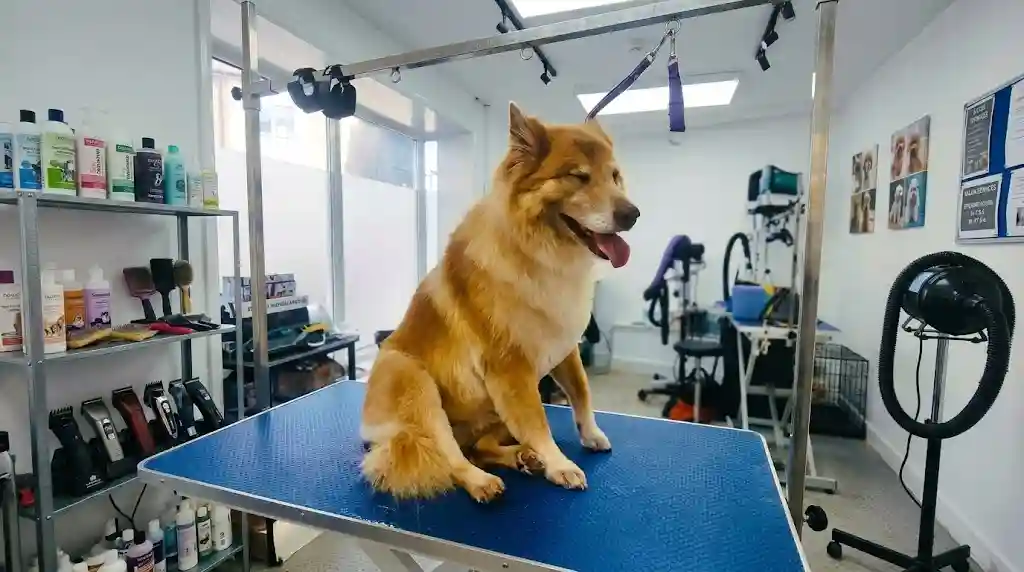
Table of Contents
Can double-coated dogs be groomed? This question frequently arises among dog owners, often leading to misconceptions, especially concerning shaving. The definitive answer is yes, double-coated dogs absolutely can and should be groomed regularly. However, the type and technique of grooming are crucial to maintaining their health and comfort. Unlike single-coated breeds, double-coated dogs possess a unique two-layered fur system that serves vital functions, including temperature regulation and protection against the elements. Improper grooming, such as shaving, can severely damage this natural protection, leading to various health issues and coat problems. Understanding the intricacies of a double coat, identifying if your dog has one, and knowing the proper grooming methods are essential for every owner.
Understanding Double Coats: Structure and Function
A double coat on a dog is a two-layered fur system designed by nature to offer superior protection and insulation. This specialized coat consists of two distinct types of hair: an undercoat and a topcoat.
The Undercoat: This layer, closest to the dog’s skin, is typically soft, dense, and fluffy. Its primary role is insulation, working to keep the dog warm in cold weather and to trap cool air close to the skin in warmer temperatures. The undercoat hairs are finer and often more numerous than the guard hairs. Double-coated breeds shed their undercoat seasonally, often referred to as “blowing their coat,” to adapt to changing temperatures.
The Topcoat (Guard Hairs): The outer layer consists of longer, coarser, and stiffer hairs known as guard hairs. These hairs act as a protective barrier, shielding the dog’s skin from dirt, moisture, UV rays, and physical abrasions. The topcoat also plays a role in repelling water and aiding in temperature regulation by allowing air to circulate.
Together, these layers form a natural defense system that helps regulate the dog’s body temperature, protecting them from both extreme cold and heat. This intricate design means that a double coat is far more than just fur; it’s a vital biological mechanism.
Can Double-Coated Dogs Be Groomed? The Truth About Shaving
Yes, double-coated dogs can and should be groomed regularly, but with crucial distinctions in technique. The most significant misconception revolves around shaving. For the vast majority of double-coated dogs, shaving is not recommended and can be detrimental to their health and coat integrity.
Shaving a double-coated dog removes both the protective guard hairs and the insulating undercoat. This disrupts the dog’s natural temperature regulation system, potentially making them hotter in warm weather and more vulnerable to cold in winter. The coat, which normally allows air circulation, is compromised.
Furthermore, shaving exposes the dog’s sensitive skin to direct sunlight, increasing the risk of sunburn and potentially skin cancer. The natural physical barrier against ticks, biting insects, and minor abrasions is also removed. One of the most common and distressing consequences of shaving a double-coated dog is “clipper alopecia” or “coat funk,” where the coat grows back patchy, uneven, discolored, or with a permanently altered texture, sometimes failing to regrow at all. The undercoat often grows back faster and coarser than the guard hairs, leading to a woolly texture and increased matting. If your dog develops skin irritation after grooming, this guide on dog skin infections may be helpful.
Exceptions to this rule exist, primarily for medical reasons or in cases of severe, unmanageable matting that cannot be brushed out. In such situations, a veterinarian or professional groomer may deem shaving necessary for the dog’s welfare, but it should be a last resort.
Proper Grooming Techniques for Double-Coated Dogs
Instead of shaving, effective grooming for double-coated dogs focuses on maintaining the health and functionality of both coat layers. Regular and consistent grooming is key. For a complete routine, see this grooming schedule by coat type.
Key techniques include:
- Frequent Brushing: This is the cornerstone of double-coat maintenance. Brushing 2-4 times a week, and even daily during shedding seasons (spring and fall “blowouts”), helps remove loose undercoat, prevent matting, and distribute natural oils. Tools like slicker brushes, undercoat rakes, and Greyhound combs are highly effective. The technique often involves “line brushing,” where you brush in sections down to the skin, rather than just over the topcoat. A quality grooming glove for shedding dogs can also be very effective.
- De-shedding Treatments: Professional de-shedding services use specialized tools and high-velocity dryers to efficiently remove dead undercoat without damaging the topcoat. This helps improve air circulation, keeps the dog cooler, and significantly reduces shedding in the home.
- Bathing: Regular bathing, followed by thorough drying, is important. However, it’s crucial to ensure the undercoat is completely dry to prevent skin issues and matting. High-velocity dryers are particularly useful for this. For effective drying methods, see this guide on the best drying technique for long-haired dogs.
- Trimming (Selective): While shaving the body is discouraged, some double-coated breeds may benefit from light trimming in specific areas according to breed standards, such as around the feet, hocks, pasterns, or sanitary areas. This helps maintain neatness and hygiene.
Consistent grooming not only keeps the coat healthy but also allows for early detection of skin abnormalities, lumps, or parasites. If your dog is prone to itching or skin issues, this guide on why your dog is itching so much can provide further insight.
How Do I Tell If My Dog Is Double-Coated?
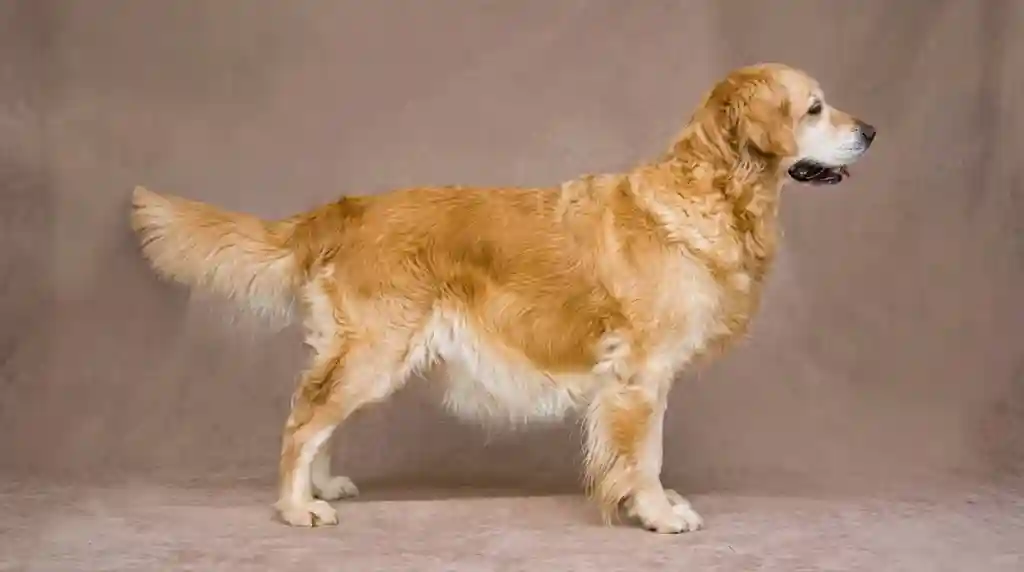
Identifying whether your dog has a double coat is relatively straightforward once you know what to look for.
Here are several tell-tale signs:
- Layered Fur: Part your dog’s fur close to the skin. If you observe two distinct layers – a softer, denser, often lighter-colored undercoat beneath a longer, coarser topcoat – your dog is double-coated. The undercoat might feel woolly or downy, while the topcoat is generally smoother or harsher.
- Seasonal Shedding (“Blowing Coat”): Double-coated dogs are known for their heavy seasonal shedding, particularly in spring and fall. They “blow their coat,” meaning they shed large amounts of their undercoat to adapt to temperature changes. While they shed lightly year-round, these seasonal periods are distinctly more intense. If shedding becomes excessive, this guide on why your dog is shedding more than usual may help.
- Texture Difference: Run your fingers through your dog’s fur. If you notice a clear difference in texture between the top layer (rougher, coarser) and the layer closer to the skin (softer, silkier, denser), it’s a strong indicator.
- Water Retention After Bathing: The dense undercoat of double-coated dogs tends to hold water, making them harder to dry completely after a bath compared to single-coated breeds.
- Breed Research: The easiest and most reliable method is often to research your dog’s breed. Many well-known breeds are inherently double-coated.
Common Double-Coated Dog Breeds
Many popular dog breeds possess a double coat, each with variations in length, density, and texture. These breeds often originated in colder climates, where the dual-layer coat was essential for survival.
| Breed Category | Examples of Double-Coated Breeds | Grooming Considerations |
|---|---|---|
| Arctic/Northern Breeds | Siberian Husky, Alaskan Malamute, Samoyed, Akita, Shiba Inu, American Eskimo Dog | Extremely thick undercoats requiring frequent de-shedding; prone to matting if neglected. Never shave. |
| Herding Breeds | German Shepherd, Australian Shepherd, Border Collie, Bernese Mountain Dog, Pembroke Welsh Corgi, Cardigan Welsh Corgi, Old English Sheepdog | Varying coat lengths and densities; require regular brushing to prevent matting and manage shedding. |
| Sporting/Retrieving Breeds | Golden Retriever, Labrador Retriever, Chesapeake Bay Retriever, Newfoundland | Water-resistant topcoats with thick undercoats; benefit from regular brushing to manage shedding and maintain coat health. For a deeper look at the Golden Retriever, see this comprehensive guide to Golden Retrievers. |
| Other Breeds | Pomeranian, Chow Chow, Great Pyrenees, Saint Bernard | Dense, often fluffy coats that require diligent grooming to prevent mats and ensure proper air circulation. |
What Is the Hardest Breed of Dog to Groom?
There isn’t a single “universally hardest” breed to groom, as difficulty can depend on various factors beyond just coat type, including size, temperament, and coat condition. However, several breeds consistently rank as the most challenging due to their unique coat structures and intensive maintenance requirements.
Breeds frequently cited as highly challenging include:
- Komondor and Puli: These breeds are renowned for their distinctive corded coats, which require highly specialized and time-consuming maintenance. The cords must be hand-separated regularly to prevent them from fusing, and bathing and drying can be an extremely lengthy process, potentially taking 12-24 hours for a Komondor to dry completely.
- Afghan Hound: With their long, silky, fine hair, Afghan Hounds are prone to tangles and matting. Their coat requires daily attention, especially during coat transitions, and careful brushing to avoid breakage.
- Standard Poodle (and Doodle mixes): While poodles don’t shed much, their continuously growing, curly hair mats very easily, particularly close to the skin. They require diligent daily brushing and professional grooming every 4-6 weeks to prevent painful matting. Doodle mixes (e.g., Goldendoodles, Labradoodles) often inherit similar challenging coat types. You can learn more about this breed in this comprehensive guide to Poodles.
- Old English Sheepdog: This breed has a dense double coat that can mat quickly if not thoroughly line-brushed several times a week. Their voluminous coat demands significant time and effort to keep knot-free.
- Bichon Frise: Known for their plush double coats, Bichons require daily brushing to prevent matting and professional grooming every 4-6 weeks to maintain their signature look.
Other breeds frequently mentioned for their demanding grooming include Newfoundland (due to size and coat density), Yorkshire Terrier (long, silky hair prone to tangles), Lhasa Apso, Shih Tzu, and Cocker Spaniels.
Grooming Challenges and Solutions for Difficult Breeds
Beyond coat type, several factors can make a dog challenging to groom. These include the dog’s size, temperament, age, physical condition, and previous grooming experiences.
- Matting: This is a prevalent issue, especially in breeds with continuously growing hair or dense double coats. Mats pull on the skin, causing pain, discomfort, and can lead to skin infections due to trapped moisture and reduced air circulation. Solution: Consistent daily or near-daily brushing to the skin with appropriate tools (slicker brushes, combs), professional de-matting when necessary (though severe mats often require shaving for the dog’s comfort), and regular professional grooming appointments.
- Shedding: Double-coated breeds, particularly Huskies, German Shepherds, and Malamutes, “blow their coats” seasonally, leading to large amounts of loose fur. Solution: Regular de-shedding treatments using specialized brushes and high-velocity dryers can remove the loose undercoat effectively and reduce shedding in the home.
- Behavioral Challenges: Anxious, fearful, or aggressive dogs can make grooming difficult and unsafe. Solution: Patience, positive reinforcement, gradual desensitization to grooming tools and handling, and short, positive sessions at home. For severe cases, professional groomers experienced with difficult dogs, or even veterinary sedation, may be necessary. Creating a calm environment and using low-stress handling techniques are crucial. For anxious dogs, this guide on dog grooming tips for anxious dogs can be very helpful.
- Size and Density: Giant breeds like Newfoundlands present challenges simply due to their sheer size, coat density, and extended drying times. Solution: Specialized equipment in professional grooming salons, including large tubs and high-volume dryers, is often indispensable.
Ultimately, the condition of the dog’s coat and their temperament can influence the difficulty of grooming as much as, or even more than, their breed alone. A well-maintained dog, regardless of breed, is generally easier to groom. For first-time owners, this dog grooming checklist for first-time owners provides a solid foundation.
The Benefits of Professional Grooming
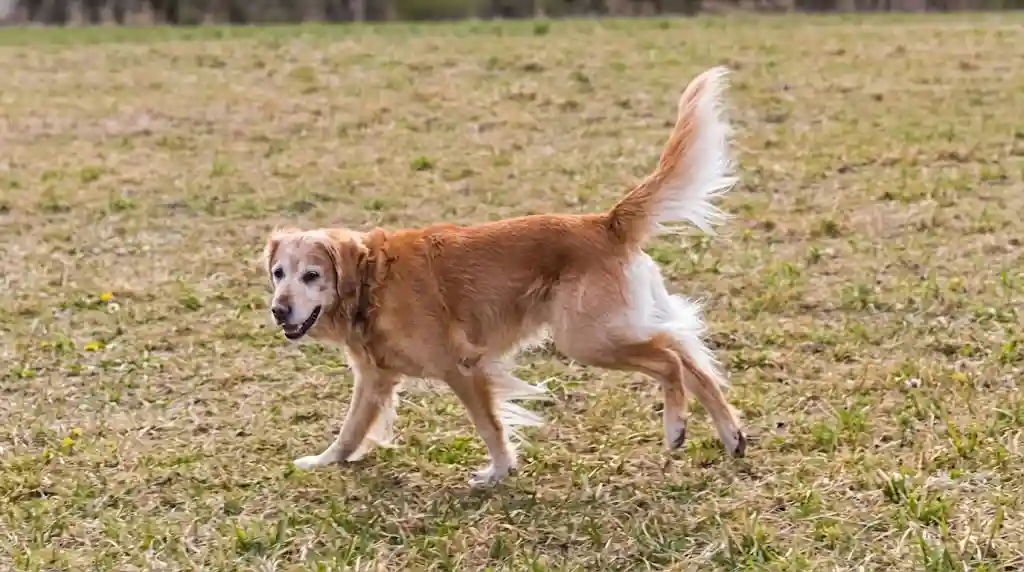
While home grooming is a vital part of pet care, professional grooming offers numerous advantages, especially for double-coated or challenging breeds.
- Expertise and Specialized Tools: Professional groomers possess in-depth knowledge of different coat types and breeds, along with access to specialized tools and high-quality products. They can perform tasks like thorough de-shedding and mat removal safely and effectively. Finding a good groomer is key — this guide to the best local grooming services near you can help.
- Health and Hygiene: Regular professional grooming helps prevent skin irritations, matting, and nail-related issues. They can clean ears, trim nails, and even express anal glands, maintaining overall hygiene and comfort.
- Early Detection of Health Issues: During grooming, professionals often detect early signs of lumps, bumps, skin abnormalities, parasites, or other health concerns that owners might miss, facilitating timely veterinary intervention. If you notice any unusual skin issues, this guide on dog skin growth pictures may help you identify them.
- Stress Reduction: For owners, entrusting their dog to a professional can alleviate the stress of grooming, especially for difficult tasks or anxious pets. Professional groomers are trained to handle various temperaments with patience and skill.
- Enhanced Appearance and Comfort: Beyond health, professional grooming ensures a clean, healthy, and aesthetically pleasing coat, contributing to the dog’s overall well-being and happiness.
Considering the complex needs of double-coated dogs and those with particularly challenging coats, professional grooming can be a worthwhile investment in a dog’s long-term health and comfort. For more detailed information on specific coat types and their care, you can refer to the ASPCA, a trusted resource for pet care and welfare.
Conclusion
Double-coated dogs are indeed groomable, and regular grooming is paramount to their health and well-being. The key lies in understanding their unique coat structure and avoiding harmful practices like shaving, which can disrupt their natural insulation and protection. Instead, a routine of consistent brushing, professional de-shedding, and appropriate bathing and drying techniques will keep their two-layered coat healthy, functional, and beautiful. While some breeds present more significant grooming challenges due to coat type or temperament, these difficulties can be managed effectively with the right tools, knowledge, and, often, the expertise of a professional groomer. By prioritizing proper coat care, owners can ensure their double-coated companions remain comfortable, healthy, and happy in all seasons.
