Easy Ways to Clean Dog Paws After a Winter Walk 2026
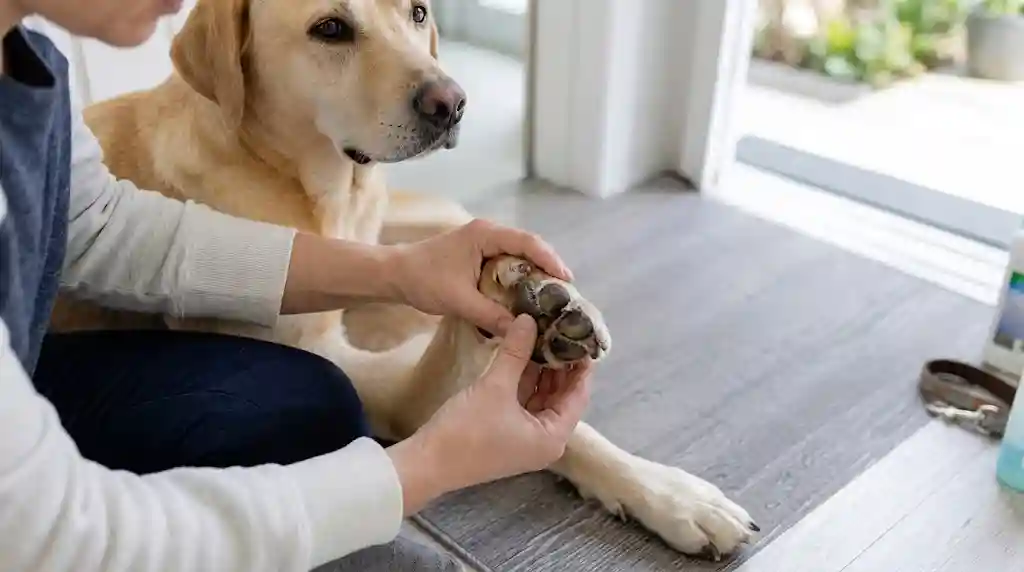
Table of Contents
How to clean dog paws after a winter walk is a crucial aspect of responsible pet ownership that often gets overlooked, yet it plays a pivotal role in maintaining your canine companion’s health and comfort during the colder months. Winter presents a unique set of challenges for a dog’s delicate paw pads, ranging from harsh de-icing chemicals and road salt to abrasive ice and snow. Neglecting to properly clean their paws after outdoor excursions can lead to a myriad of issues, including irritation, dryness, cracking, chemical burns, and even systemic health problems if harmful substances are ingested when dogs lick their paws. This comprehensive guide will delve into the necessity of diligent paw care, equip you with the knowledge to prepare for winter walks, outline the essential tools for effective cleaning, provide a step-by-step cleaning regimen, address specific paw concerns, and offer preventative strategies to keep your dog’s paws safe and sound all winter long. By prioritizing your dog’s paw hygiene, you ensure their comfort, protect them from potential hazards, and strengthen the bond you share through thoughtful care.
The Unseen Dangers of Winter Walks for Your Clean Dog Paws
Winter walks, while enjoyable for both you and your furry friend, expose your dog’s paws to a variety of environmental hazards that are often invisible to the naked eye but can cause significant damage. Understanding these dangers is the first step towards effective preventative care and cleaning. One of the primary threats comes from de-icing agents and road salt, which are widely used to keep sidewalks and roads clear of ice and snow. These chemicals, including sodium chloride (rock salt), calcium chloride, magnesium chloride, and potassium chloride, are highly corrosive and can cause chemical burns, severe irritation, dryness, and cracking on paw pads. When dogs lick their paws to clean them, they can ingest these toxic substances, leading to gastrointestinal upset, vomiting, diarrhea, and in severe cases, more serious health issues.
Beyond chemical exposure, the physical elements of winter also pose significant risks. Extremely cold temperatures can lead to frostbite, especially on exposed paw pads, which have less insulation than other parts of their bodies. Ice balls are another common problem, forming between a dog’s paw pads and toes as snow melts and refreezes. These ice accumulations can be incredibly painful, causing discomfort, limping, and even abrasions or cuts as the dog tries to dislodge them. Furthermore, sharp ice shards, hidden under a layer of snow, can cause cuts, punctures, or abrasions to the paw pads, making them susceptible to infection. The combination of cold, wet conditions and constant exposure to these irritants can also exacerbate existing paw conditions or lead to new ones, highlighting the critical need for immediate and thorough paw cleaning after every winter walk.
Essential Preparations Before Heading Out
Proactive measures before stepping out into the winter wonderland can significantly reduce the risks to your dog’s paws and make the post-walk cleaning process much easier. A few simple preparations can make a world of difference in your dog’s winter paw health.
- Trim Paw Hair: Regularly trimming the hair between your dog’s paw pads is paramount for winter paw protection. Long hair can accumulate snow, ice, and de-icing chemicals, leading to uncomfortable ice balls and prolonged exposure to irritants. Trimming this hair flush with the paw pads prevents snow and ice from clinging, making it harder for harmful substances to get trapped and easier to clean. Use blunt-nosed scissors or a small electric trimmer specifically designed for pets, being extremely careful not to cut the sensitive paw pads.
- Apply Paw Balm or Wax: Before each winter walk, applying a protective paw balm or wax creates a barrier between your dog’s paw pads and the harsh elements. These products, often made with natural waxes and oils, moisturize the pads, prevent dryness and cracking, and offer a protective layer against road salt, chemicals, and abrasive surfaces. They can also help prevent ice and snow from sticking. Ensure you use a pet-safe product, as your dog will inevitably lick their paws. Apply a thin layer and allow it to absorb for a few minutes before heading out.
- Consider Dog Boots: For ultimate protection, dog boots are an excellent option, especially for longer walks or in areas with heavy salt and chemical usage. Boots provide a physical barrier against cold, ice, snow, and de-icing agents, completely shielding your dog’s paws from direct contact. While some dogs take time to adjust to wearing boots, with patience and positive reinforcement, most can learn to tolerate them. Ensure the boots fit properly – snug enough not to fall off but not so tight that they restrict circulation. Look for boots with good traction to prevent slips on icy surfaces.
Gathering Your Paw Cleaning Arsenal
Having the right tools readily available when you return from a winter walk will streamline the paw cleaning process and ensure thoroughness. A well-stocked paw cleaning station near your door or in a mudroom can save time and prevent tracking snow and grime throughout your home.
- Warm Water and Mild Dog-Safe Soap (Optional): The cornerstone of paw cleaning is warm water. A shallow basin, bucket, or even a specialized paw washing device filled with lukewarm water is essential for rinsing off salt, chemicals, and melted snow. For particularly dirty paws or after exposure to harsh chemicals, a mild, pet-safe soap can be added to the water. Avoid human soaps, which can dry out and irritate your dog’s skin.
- Soft, Absorbent Towels: You’ll need several soft, clean towels for drying. Thorough drying is crucial to prevent skin irritation, fungal infections, and cracking between the paw pads. Microfiber towels are particularly effective due to their high absorbency.
- Specialized Paw Wipes: Dog paw wipes are convenient for quick clean-ups or for dogs who are not keen on having their paws submerged in water. These wipes are typically pre-moistened with gentle, dog-safe cleansing agents and often contain soothing ingredients like aloe or vitamin E. They are excellent for removing surface grime and salt.
- Paw Washer Cup: A paw washer cup is a popular and highly effective tool. These devices typically consist of a cup with soft silicone bristles inside. You add a small amount of warm water (and optionally a drop of pet-safe soap), insert your dog’s paw, and twist the cup to gently scrub and rinse the paw. They are excellent for removing dirt, salt, and ice from between pads.
- Moisturizing Paw Balm: After cleaning and drying, reapplying a moisturizing paw balm is vital to rehydrate the paw pads and prevent dryness and cracking. This helps to restore the skin’s natural barrier and soothe any irritation.
- Clippers or Blunt-Nosed Scissors: Keep these handy for trimming any stray hair that might have been missed or that has grown out since the last trim.
By having these items at the ready, you can make the post-walk ritual quick, efficient, and more comfortable for your dog, ensuring their paws remain healthy throughout the winter season.
Step-by-Step Guide to Effective Paw Cleaning
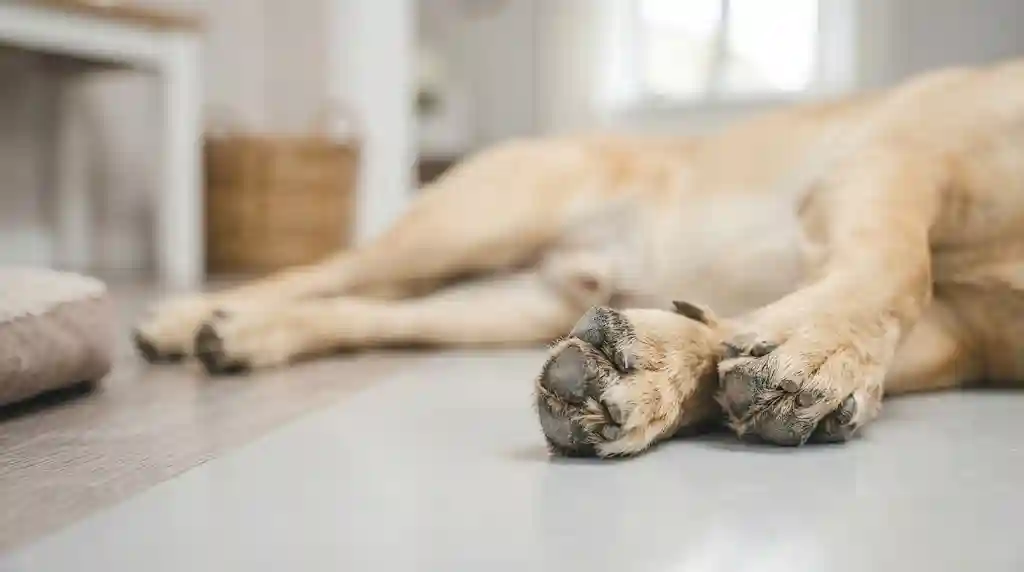
Once you and your dog are back inside from your winter adventure, a systematic approach to paw cleaning will ensure all harmful substances are removed and their paws are cared for properly.
- Prepare Your Cleaning Station: Before opening the door, have your chosen cleaning tools ready. If using a basin or paw washer, fill it with lukewarm water. Lay out towels on a mat or old sheet to catch any drips.
- Initial Wipe-Down (Optional but Recommended): As soon as you enter, use a dedicated entry towel to gently wipe off excess snow, ice, or surface dirt from your dog’s paws. This prevents tracking and removes some of the immediate contaminants.
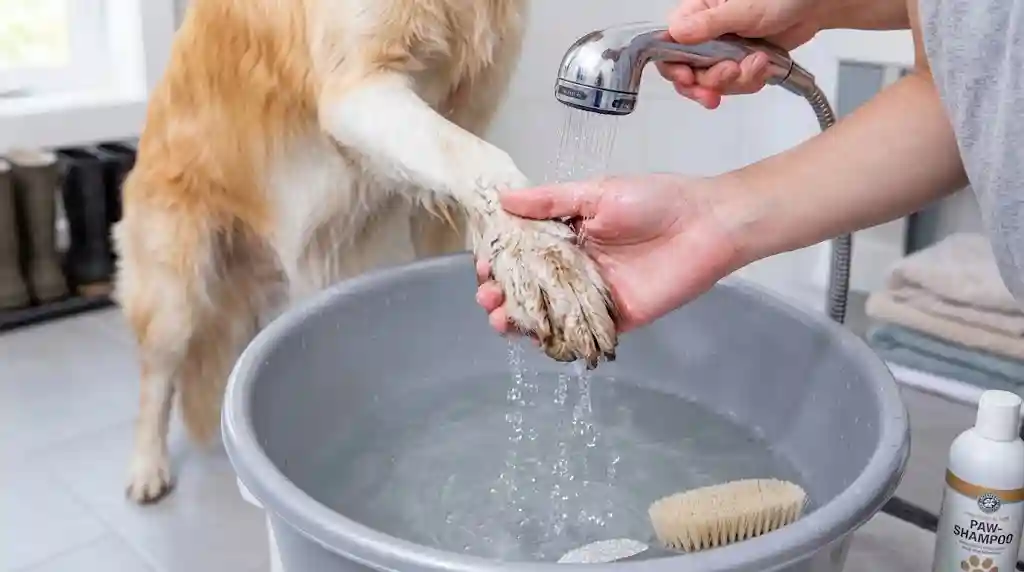
- Rinsing with Warm Water: This is the most critical step. Using a basin or bucket, gently place one paw at a time into the basin of lukewarm water. Swish it around for a few seconds, ensuring the water reaches between the pads and toes to dissolve salt and ice melt. If using soap, gently massage the paw to create a lather. Alternatively, use a paw washer cup by inserting a paw into the cup, twisting it gently back and forth to allow the bristles to clean, then remove. Repeat for all paws. For dogs tolerant of it, a spray bottle with warm water or a low-pressure hose in a utility sink can also be effective. The goal is to thoroughly rinse away all traces of salt, chemicals, and any embedded ice or snow.
- Thorough Drying: After rinsing each paw, immediately dry it thoroughly with a clean, soft towel. Pay particular attention to the areas between the paw pads and toes, as moisture left here can lead to irritation or fungal growth. Blot and gently squeeze, rather than rubbing vigorously.
- Inspect Paws: Once dry, carefully inspect each paw. Look for any signs of redness, cracking, cuts, punctures, or swelling. Check for any remaining ice, snow, or foreign objects lodged between the pads. If you find any minor cuts or abrasions, clean them gently with an antiseptic wipe suitable for pets. For skin issues, see this guide on dog skin infections.
- Apply Moisturizing Balm: Finish by applying a small amount of pet-safe moisturizing paw balm or wax to each paw pad. Gently massage it in. This step rehydrates the skin, helps prevent dryness and cracking, and creates a protective barrier for future walks.
| Cleaning Method | Pros | Cons | Best For |
|---|---|---|---|
| Basin/Bucket of Warm Water | Simple, inexpensive, effective for dissolving salt/chemicals. | Can be messy, some dogs dislike having paws submerged. | Thorough rinse for all paw types. |
| Paw Washer Cup | Convenient, contains mess, effective at removing debris between pads. | Requires dog’s cooperation, can be awkward for very large paws. | Dogs with long paw hair, removing embedded debris. |
| Pet-Safe Paw Wipes | Quick, easy, portable, good for minor clean-ups. | Less effective for heavy salt/chemical exposure or embedded ice. | Light cleaning, travel, quick touch-ups. |
| Snow/Ice Melt Mat (Entrance) | Reduces initial tracking, helps melt off some snow. | Not a substitute for full cleaning, doesn’t remove chemicals. | Reducing mess, initial stage of cleaning process. |
Special Considerations for Different Paw Problems
Even with diligent care, winter conditions can sometimes lead to specific paw problems. Knowing how to address these can prevent them from escalating.
- Cracked or Dry Pads: If your dog’s paw pads are already dry or cracked, consistent application of a high-quality, deeply moisturizing paw balm is essential. Apply it several times a day, not just after walks, to help heal and soften the pads. Consider using dog socks overnight to allow the balm to absorb fully without being licked off, though always monitor for comfort. Severe cracks that bleed or are very painful should be seen by a vet.
- Irritation or Redness: Persistent redness, itching, or swelling on the paws after cleaning could indicate an allergic reaction to de-icing chemicals or a developing infection. Thorough rinsing is key. You can also try applying a soothing, pet-safe anti-itch spray or balm. If symptoms don’t improve within a day or two, or if they worsen, consult your veterinarian. For more on allergies, see this guide on dog allergies.
- Ingested Chemicals (Licking Paws): If you suspect your dog has ingested a significant amount of de-icing chemicals by licking their paws, monitor them closely for symptoms such as vomiting, diarrhea, lethargy, drooling, or excessive thirst. If these symptoms appear, contact your veterinarian or an animal poison control center immediately. Preventing ingestion is why thorough cleaning is so critical. If your dog develops diarrhea, see this comprehensive guide on dog diarrhea.
- Minor Cuts or Abrasions: If you find small cuts or abrasions during your paw inspection, clean the area gently with warm water and a mild antiseptic solution designed for pets. You can apply a small amount of pet-safe antibiotic ointment. Keep the area clean and dry, and monitor for signs of infection. For deeper cuts, excessive bleeding, or wounds that don’t heal, veterinary attention is necessary.
Preventative Measures: Protecting Paws Before and During Walks
The best approach to winter paw care is prevention. By taking steps before and during your walks, you can significantly reduce the need for intensive cleaning and minimize the risks to your dog’s paws.
- Consistent Paw Balm Application: Make applying paw balm a regular part of your winter routine, not just before walks. Daily application can help keep pads moisturized, supple, and more resilient to harsh conditions. For a complete grooming routine, see this dog grooming checklist for first-time owners.
- Proper Dog Boot Selection and Fitting: If you opt for boots, invest in a good quality pair that fits correctly. A boot that is too loose will fall off or chafe, while one that is too tight can cut off circulation. Practice wearing them indoors first to get your dog accustomed to them. They should cover the entire paw and fasten securely above the ankle. For anxious dogs, this guide on dog grooming tips for anxious dogs can be very helpful.
- Choosing Safe Walking Routes: Whenever possible, try to walk your dog in areas where less road salt and de-icing chemicals are used. Opt for grassy verges, parks, or areas that are naturally cleared of snow and ice, rather than heavily salted sidewalks or roads.
- Shorter Walks in Extreme Cold: On days with extremely low temperatures, strong winds, or heavy snowfall, shorten the duration of your walks. Prolonged exposure to bitter cold can lead to frostbite even with protective measures. Consider indoor activities or shorter, more frequent bathroom breaks outdoors.
- Awareness of Surfaces: Pay attention to the surfaces your dog is walking on. Avoid letting them walk directly through piles of rock salt or large puddles where de-icing chemicals might be concentrated. Lift them over particularly hazardous patches if necessary.
For more information on pet safety in winter, you can refer to resources like the American Veterinary Medical Association (AVMA), which offers valuable guidance on responsible pet ownership during cold weather.
When to Seek Veterinary Advice
While diligent home care can address many paw concerns, there are situations where professional veterinary attention is crucial. Recognizing these signs can prevent minor issues from becoming serious health problems.
- Persistent Limping or Reluctance to Walk: If your dog continues to limp, is reluctant to bear weight on a paw, or shows signs of pain after several hours of rest and care, it could indicate a deeper injury, severe irritation, or a foreign object lodged that you cannot see.
- Deep Cuts, Punctures, or Excessive Bleeding: Any significant wound on the paw pad that is deep, wide, bleeds profusely, or doesn’t stop bleeding after applying pressure requires immediate veterinary attention. These can lead to serious infections if not properly cleaned and treated.
- Severe Redness, Swelling, or Blistering: These symptoms, especially if accompanied by heat, pus, or foul odor, could indicate a chemical burn, severe frostbite, or a bacterial infection. A vet can accurately diagnose the cause and prescribe appropriate medication.
- Signs of Chemical Ingestion: As mentioned, if your dog exhibits symptoms like persistent vomiting, diarrhea, lethargy, tremors, excessive drooling, or unusual behavior after potentially ingesting de-icing chemicals, contact your emergency veterinarian or a pet poison control center without delay.
- Non-Healing Sores or Wounds: If a minor cut or abrasion on the paw doesn’t show signs of healing within a few days, or if it appears to worsen despite your care, it’s best to have a vet examine it. Persistent wounds can be a sign of infection or an underlying issue.
- Discoloration or Numbness: Any unusual discoloration of the paw pads (e.g., black spots that weren’t there before), extreme coldness to the touch, or lack of sensation could be signs of severe frostbite requiring immediate medical intervention.
Conclusion
Proper paw care for dogs after a winter walk is not merely a seasonal chore but an indispensable aspect of responsible pet ownership. The myriad of hazards present during colder months, from corrosive de-icing chemicals to painful ice balls and sharp ice shards, necessitates a proactive and diligent approach to paw hygiene. By understanding these dangers, taking preparatory steps like trimming paw hair and applying protective balms, and arming yourself with the right cleaning tools, you can significantly mitigate the risks to your dog’s sensitive paw pads. The step-by-step cleaning regimen ensures that harmful residues are thoroughly removed, preventing irritation, chemical burns, and potential ingestion of toxic substances. Furthermore, recognizing specific paw problems and knowing when to seek veterinary advice empowers you to act swiftly and appropriately, safeguarding your companion’s health. Ultimately, investing time and effort into your dog’s paw care after every winter walk ensures their comfort, protects them from injury and illness, and allows both of you to enjoy the beauty of the winter season without worry. For more on coat and paw care, see this guide on how to groom a double-coated dog at home. For drying techniques after a wet walk, this guide on the best drying technique for long-haired dogs is useful. And for a complete nutrition overview, see this ultimate pet nutrition guide. If your dog has a sensitive stomach, this guide to the best dry dog food for sensitive stomachs can help. For puppies, this guide to the best puppy food for large breed puppies is valuable. And for excessive barking, this guide on how to stop excessive dog barking may be useful.