Dog with Growth: 8 Warning Signs You Should Never Ignore
Table of Contents
Dog with growth is a concern that frequently brings pet owners to veterinary clinics. Discovering a lump or bump on your beloved canine companion can be alarming, and it’s natural to immediately worry about its nature and implications for their health. These growths, often referred to as masses, tumors, or lesions, can range from harmless, benign conditions to serious, life-threatening malignancies. Understanding the various types of growths, their potential causes, and the importance of early detection and veterinary intervention is crucial for ensuring the best possible outcome for your dog. This comprehensive guide will explore everything you need to know about growths in dogs, from identification and diagnosis to treatment and long-term care, empowering you to make informed decisions about your pet’s well-being.
Introduction: What is a Dog with Growth?

A growth on a dog refers to any abnormal mass or lump that appears on or within the body. These can manifest in various locations, including the skin, under the skin, or internally on organs. While some growths are immediately visible and palpable, others may only be detected through routine veterinary examinations or diagnostic imaging when they start causing symptoms. The term “growth” is broad and encompasses a wide spectrum of conditions, making it essential for a veterinarian to properly assess and diagnose any new or changing mass. Pet owners might notice these lumps while petting their dog, during grooming, or even accidentally. The size, texture, mobility, and rate of growth can all provide initial clues, but a definitive diagnosis always requires professional medical evaluation.
Types of Growths in Dogs: Benign vs. Malignant
Growths in dogs are broadly categorized into two main types: benign and malignant. Understanding the distinction between these two is fundamental, as it dictates the prognosis and treatment strategy.
Benign Growths
Benign growths are non-cancerous and typically do not spread to other parts of the body. While they can still cause problems if they grow too large, become infected, or interfere with bodily functions, they are generally not life-threatening. Common benign growths include:
- Lipomas: These are fatty tumors that are soft, movable, and typically found just under the skin. They are very common, especially in older and overweight dogs, and are usually harmless unless they grow excessively large or are in an inconvenient location.
- Cysts: Cysts are sacs filled with fluid, pus, or other material. They can be sebaceous (resulting from blocked oil glands), follicular, or dermoid. While often benign, they can rupture and become infected, requiring veterinary attention.
- Warts (Papillomas): Caused by the canine papillomavirus, warts are typically small, cauliflower-like growths found on the skin, especially around the mouth and eyes of young dogs. They often regress on their own.
- Histiocytomas: These are benign skin tumors that commonly affect young dogs. They are red, raised, hairless, and often appear suddenly. Most histiocytomas resolve spontaneously within a few months.
- Skin Tags: Small, flesh-colored or pigmented growths that are usually harmless and consist of a small flap of skin.
Malignant Growths (Cancer)
Malignant growths are cancerous and have the potential to invade surrounding tissues and spread to other parts of the body through a process called metastasis. These types of growths are a serious health concern and often require aggressive treatment. Some common malignant growths in dogs include:
- Mast Cell Tumors: These are one of the most common types of skin cancer in dogs, but they can also occur internally. They vary widely in appearance and behavior, from benign-looking skin lumps to highly aggressive forms.
- Melanoma: While some melanomas are benign, malignant melanoma is an aggressive cancer that often affects the mouth, toes, and skin. It is more common in dogs with darkly pigmented skin.
- Lymphoma: This cancer affects the lymphocytes, a type of white blood cell, and can manifest as swollen lymph nodes, or masses in various organs like the spleen, liver, or gastrointestinal tract.
- Osteosarcoma: A highly aggressive bone cancer that most commonly affects large and giant breed dogs, usually in the limbs.
- Hemangiosarcoma: This is a highly malignant cancer of the blood vessel lining, often affecting the spleen, heart, or skin. It can be particularly dangerous due to its tendency to rupture and cause internal bleeding.
Common Causes and Risk Factors for Canine Growths
The exact causes of many growths in dogs are not fully understood, but a combination of genetic, environmental, and lifestyle factors are believed to play a role.
- Genetics and Breed Predisposition: Certain dog breeds have a higher predisposition to developing specific types of growths. For example, Golden Retrievers, Boxers, Boston Terriers, and Pugs are known to be more susceptible to mast cell tumors. Scottish Terriers are prone to bladder cancer, and large breeds like Great Danes and Rottweilers have a higher risk of osteosarcoma.
- Age: Older dogs are generally more prone to developing growths, both benign and malignant, as their cells have had more time to accumulate damage and mutations.
- Environmental Carcinogens: Exposure to certain chemicals, pesticides, herbicides, and even excessive sunlight can contribute to the development of some cancers. For instance, UV radiation can increase the risk of skin tumors.
- Hormonal Factors: Hormones can influence the growth of certain tumors. For example, mammary tumors in unspayed female dogs are often hormone-dependent.
- Chronic Inflammation and Irritation: Persistent inflammation or irritation in a specific area can sometimes lead to cellular changes that may result in tumor formation.
- Viruses: As seen with canine papillomavirus causing warts, some viruses can directly cause growths.
- Diet and Obesity: While not a direct cause, poor nutrition and obesity can contribute to a compromised immune system and chronic inflammation, potentially increasing cancer risk.
Symptoms and Early Detection: When to See Your Vet
Early detection is paramount for successfully treating many types of growths, especially malignant ones. Regularly checking your Dog with Growth for new lumps or changes in existing ones is a vital part of pet ownership. Here are symptoms to look out for and when to seek veterinary advice:
- New Lumps or Bumps: Any new mass, regardless of size, should be evaluated. Pay attention to its location, size, and whether it’s soft or firm, movable or fixed.
- Changes in Existing Growths: If a previously identified benign growth changes in size, shape, color, or texture, or if it becomes painful, red, ulcerated, or starts to bleed, it warrants immediate veterinary attention.
- Limping or Lameness: Growths on bones or joints can cause pain and affect mobility.
- Difficulty Eating or Swallowing: Lumps in the mouth, throat, or neck can interfere with normal eating.
- Changes in Urination or Defecation: Internal growths impacting the urinary or digestive tract can lead to straining, blood in urine/stool, or changes in habits.
- Unexplained Weight Loss: Malignant growths can cause cachexia (wasting syndrome), leading to significant weight loss despite a normal appetite.
- Lethargy or Weakness: General malaise, decreased energy levels, and unusual weakness can be signs of internal disease, including cancer.
- Swelling: Unexplained swelling in any part of the body.
- Non-healing Sores: Wounds or sores that don’t heal, especially if they are irregular in shape or bleed easily.
If you notice any of these signs, particularly a new or changing lump, it is crucial to schedule a veterinary appointment promptly. Do not attempt to self-diagnose or treat the growth at home.
Diagnostic Procedures: How Vets Identify Growths
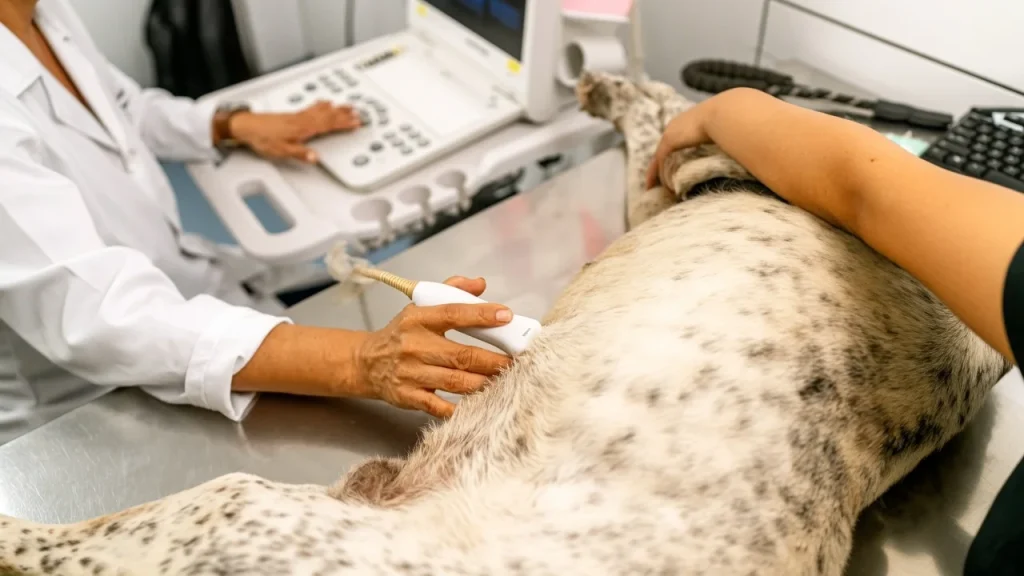
When a veterinarian encounters a growth on a Dog with Growth , they will typically follow a systematic approach to determine its nature. This process often involves several diagnostic steps:
| Diagnostic Procedure | Description | Purpose |
|---|---|---|
| Physical Examination | The vet will palpate the growth, assess its size, location, consistency (soft, firm, hard), mobility (fixed or movable), and note any pain or ulceration. They will also check regional lymph nodes and perform a full body examination. | Initial assessment and identification of other abnormalities. |
| Fine Needle Aspiration (FNA) | A small needle is inserted into the growth to collect a sample of cells. These cells are then spread on a slide and examined under a microscope by a pathologist (cytology). | To differentiate between inflammatory, benign, or malignant cells. Often a quick and minimally invasive first step. |
| Biopsy | A small piece of the growth tissue is surgically removed. There are different types, including incisional (part of the mass) and excisional (entire mass removal). The tissue is then sent for histopathology. | Provides a definitive diagnosis, including tumor type, grade (aggressiveness), and margins (for excisional biopsies). Essential for guiding treatment. |
| Diagnostic Imaging | Includes X-rays, ultrasound, CT scans, and MRI. X-rays can detect bone tumors or chest metastases. Ultrasound helps visualize internal organ masses. CT/MRI provide detailed images of tumors and their extent. | To assess the extent of the growth, check for spread (metastasis), and plan surgical removal. |
| Blood and Urine Tests | Complete blood count (CBC), biochemistry profile, and urinalysis. | To assess overall health, check organ function, and identify any systemic effects of the growth or underlying conditions before anesthesia or treatment. |
Each diagnostic step provides valuable information, building a comprehensive picture of the growth. The veterinarian will recommend the most appropriate tests based on the initial physical examination and the Dog with Growth overall health.
Treatment Options for Dogs with Growths

Treatment for a Dog with Growth with a growth depends heavily on whether it is benign or malignant, its type, location, size, and whether it has spread, as well as the Dog with Growth overall health.
Treatment for Benign Growths
Many benign growths, like small lipomas or warts, may not require treatment and can simply be monitored. However, if a benign growth:
- Grows very large or obstructs movement or vital functions.
- Becomes ulcerated, infected, or causes discomfort.
- Its appearance makes definitive differentiation from malignancy difficult.
In such cases, surgical removal is the most common treatment. This provides a cure and allows for histopathology to confirm its benign nature.
Treatment for Malignant Growths (Cancer)
The treatment for malignant growths is more complex and often involves a multimodal approach:
- Surgery: Surgical removal is often the primary treatment for solid tumors. The goal is to remove the entire tumor with wide, clean margins of healthy tissue to minimize recurrence. In some cases, amputation may be necessary for bone cancers.
- Chemotherapy: This involves using drugs to kill cancer cells throughout the body. It can be used after surgery to target any remaining cells, before surgery to shrink tumors, or as a standalone treatment for cancers that are not amenable to surgery (e.g., lymphoma).
- Radiation Therapy: Radiation uses high-energy rays to damage and kill cancer cells. It can be used to shrink tumors before surgery, destroy residual cancer cells after incomplete surgery, or as a palliative measure to reduce pain and improve quality of life.
- Stereotactic Radiosurgery (SRS): A highly precise form of radiation therapy that delivers high doses of radiation to the tumor with minimal damage to surrounding healthy tissue.
- Immunotherapy: This emerging field involves stimulating the Dog with Growth own immune system to recognize and fight cancer cells. It can include cancer vaccines or other immune-modulating drugs.
- Targeted Therapy: These drugs specifically target pathways involved in cancer growth and progression, often with fewer side effects than traditional chemotherapy.
- Palliative Care: For advanced cancers where a cure is not possible, palliative care focuses on managing pain, improving comfort, and maintaining the best possible quality of life for the Dog with Growth . This can include pain medication, anti-inflammatory drugs, and nutritional support.
A veterinary oncologist, a specialist in cancer treatment, will typically develop a personalized treatment plan based on the specific type of cancer, its stage, and the Dog with Growth overall health and prognosis. More information on canine cancer can be found on reputable veterinary oncology resources. For example, the Wikipedia article on Cancer in dogs provides a broad overview of the disease.
Post-Treatment Care and Management
After treatment for a growth, whether benign or malignant, diligent post-treatment care and monitoring are essential for your Dog with Growth recovery and long-term health.
- Wound Care: If surgery was performed, meticulous wound care is crucial to prevent infection and promote healing. This may involve keeping the incision site clean and dry, administering prescribed antibiotics, and preventing the Dog with Growth from licking or chewing the wound (e.g., using an Elizabethan collar).
- Medication Management: Follow your veterinarian’s instructions precisely regarding pain medication, anti-inflammatory drugs, antibiotics, or any other post-operative or chemotherapy medications.
- Nutritional Support: A balanced, high-quality diet is vital for recovery. In some cases, a special diet may be recommended, especially during chemotherapy or if the growth affected digestion.
- Rest and Restricted Activity: Depending on the procedure, your Dog with Growth may need restricted activity for a period to allow for proper healing and prevent complications.
- Regular Follow-up Appointments: Frequent re-check appointments are necessary to monitor healing, assess for any recurrence, and manage potential side effects of treatment. For malignant growths, these follow-ups often include repeat diagnostics like X-rays or ultrasounds to check for metastasis.
- Monitoring for Recurrence: Even after successful removal, some growths, especially malignant ones, can recur. Continue to routinely check your Dog with Growth for new lumps or changes and report any concerns to your vet immediately.
- Emotional Support: Your Dog with Growth may be stressed or uncomfortable during recovery. Provide a quiet, comfortable environment, gentle attention, and reassurance.
Comprehensive care ensures not only physical healing but also supports your Dog with Growth mental well-being throughout the recovery process.
Preventative Measures and Long-Term Health
While it’s impossible to entirely prevent all growths in Dog with Growth , especially those with strong genetic predispositions, several measures can help reduce risk and promote overall long-term health:
- Regular Veterinary Check-ups: Annual or semi-annual check-ups allow your veterinarian to perform thorough physical examinations, potentially catching growths when they are small and more treatable.
- Spaying and Neutering: Spaying female Dog with Growth before their first heat cycle significantly reduces the risk of mammary tumors. Neutering male Dog with Growth eliminates the risk of testicular cancer and can reduce the risk of prostate issues.
- Maintain a Healthy Weight: Obesity is linked to increased cancer risk in both humans and animals. Feeding a balanced diet and providing adequate exercise helps maintain a healthy weight and overall well-being.
- High-Quality Nutrition: Provide a complete and balanced diet appropriate for your Dog with Growth age, breed, and activity level. Some research suggests that diets rich in antioxidants and omega-3 fatty acids may support cellular health.
- Minimize Exposure to Carcinogens: Limit your Dog with Growth exposure to environmental toxins such as secondhand smoke, pesticides, herbicides, and excessive sun exposure (especially for Dog with Growth with light-colored skin or sparse fur).
- Home Exams: Regularly perform “lump checks” at home, thoroughly petting and feeling your Dog with Growth body for any new bumps, changes in skin texture, or abnormalities. Pay attention during grooming sessions.
- Dental Hygiene: Regular dental care can prevent oral growths and other health issues associated with poor dental health.
- Awareness of Breed-Specific Risks: If you have a breed prone to certain growths, be extra vigilant and discuss specific preventative strategies with your vet.
A proactive approach to your Dog with Growth health, combining regular veterinary care with attentive home observation and a healthy lifestyle, is the best strategy for managing the risk of growths and ensuring a long, healthy life for your companion.
Conclusion
Discovering a growth on your Dog with Growth is undoubtedly a source of anxiety, but it’s important to remember that not all lumps are cause for panic. Many growths are benign and easily managed. However, the potential for malignancy underscores the critical importance of prompt veterinary evaluation for any new or changing mass. Early detection, accurate diagnosis through procedures like FNA and biopsy, and appropriate treatment—whether surgical removal, chemotherapy, radiation, or a combination—are key to achieving the best possible outcome. By understanding the different types of growths, their causes, and the signs to watch for, pet owners can play an active role in their dog’s health. Regular home checks, routine veterinary visits, and a commitment to a healthy lifestyle are your best tools in preventing, identifying, and addressing any growth that may arise, ensuring your beloved canine companion receives the care they need to thrive.