Dog Growth on Lip: 8 Warning Signs You Should Never Ignore
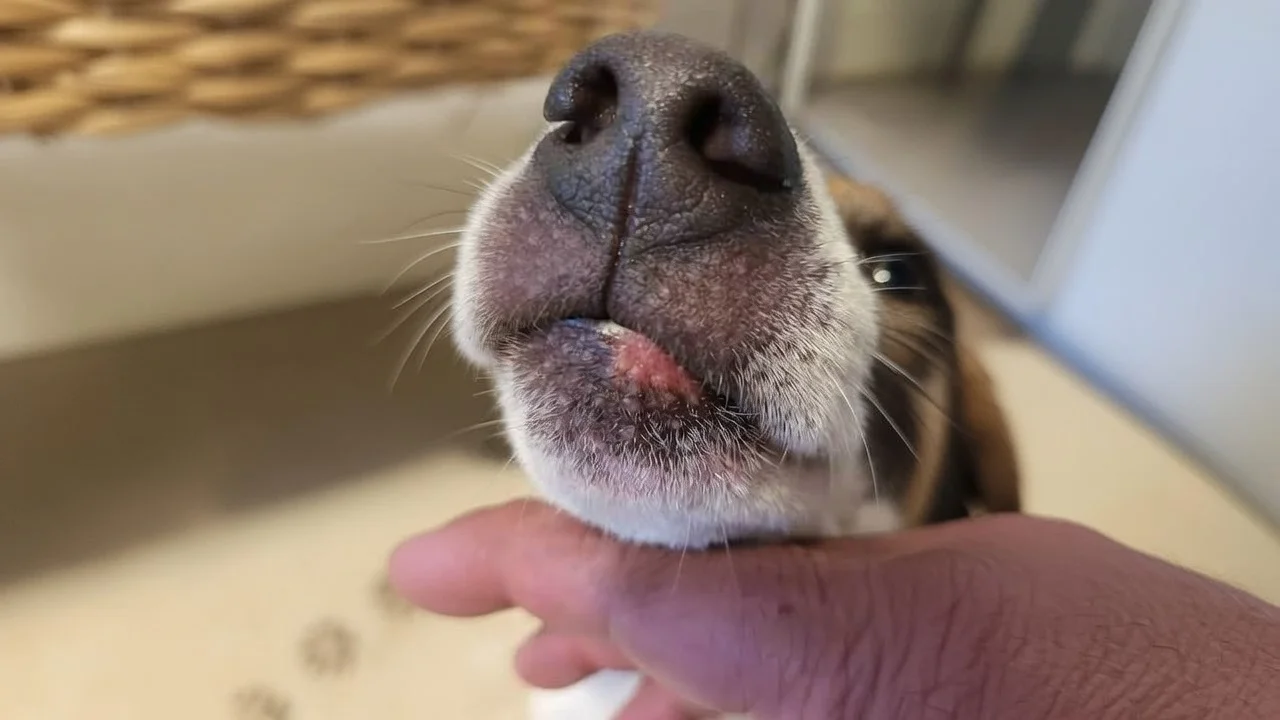
Table of Contents
Dog growth on lip is a common concern that can send any pet owner into a state of worry. Discovering an unusual lump, bump, or mass on your dog’s lip can be alarming, and rightly so, as these growths can range from harmless benign conditions to serious malignant tumors. The canine mouth, including the lips, is an area susceptible to a variety of growths, each with its own set of characteristics, potential causes, and implications for your dog’s health. Understanding these different types, their associated symptoms, and the crucial steps for diagnosis and treatment is paramount for ensuring your beloved companion receives the best possible care.
Understanding the Anatomy: Why Dog Growth on Lip
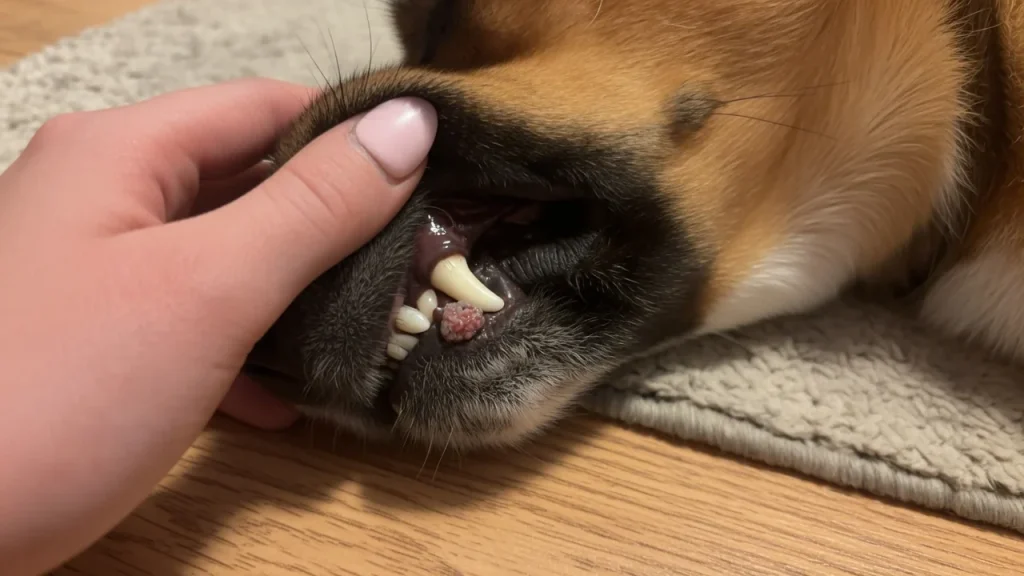
The lips of a dog are complex structures, forming part of the oral cavity and playing vital roles in eating, drinking, vocalization, and tactile exploration. They consist of skin, muscle, mucous membranes, and various glands, all of which can be sites for abnormal cellular growth. Growths on a dog’s lip can arise from any of these tissues, and their nature — whether benign or malignant — depends on the type of cells involved and how they proliferate. The oral cavity is a very common place to encounter neoplastic growths, which may range from benign to malignant.
Factors such as age, breed predisposition, immune system status, and even chronic irritation can influence the development of these growths. For instance, young dogs are more prone to certain viral-induced warts due to their developing immune systems, while older dogs face a higher risk of various cancers. Regular oral examinations, both at home and by a veterinarian, are crucial for early detection, which significantly improves the prognosis for many conditions. Maintaining good oral hygiene can also play a role in preventing some types of irritant-induced growths.
Common Benign Growths on a Dog’s Lip
Fortunately, not all growths on a dog’s lip are cancerous. Many are benign, meaning they do not spread to other parts of the body and are generally less aggressive. However, even benign growths can cause discomfort, interfere with eating, or become infected, necessitating veterinary intervention. In dogs, most of the time, an oral mass is found to be benign. The most common benign oral growths diagnosed in dogs are benign overgrowth of normal gingival tissue, peripheral odontogenic fibromas, and canine acanthomatous ameloblastomas.
Canine Oral Papillomas (Warts)
Canine oral papillomas, often referred to simply as oral warts, are small, benign tumors caused by the papilloma virus. They commonly affect young dogs, typically those under two years of age, whose immune systems are still developing. These warts are found on the lips, gums, tongue, and other mucous membranes, appearing as round, irregular masses with a characteristic cauliflower or sea anemone-like surface. They usually grow in clusters and are transmitted between dogs through direct contact, such as when they greet each other or share toys and bowls.
In most cases, oral papillomas are asymptomatic and tend to regress spontaneously within one to five months as the dog’s immune system matures and develops antibodies against the virus. However, if papillomas become infected, traumatized, or grow excessively large, they can cause pain, swelling, and bad breath, and may interfere with eating. In such instances, treatment options may include surgical excision, cryotherapy (freezing), or crushing the lesions to stimulate an immune response.
Histiocytomas
Histiocytomas are another common type of benign skin tumor frequently found on the head, including the lips, ears, and nose, as well as the front legs and paws of young dogs, usually under three years old. These growths originate from histiocytes, which are immune cells residing in the skin. They typically present as solitary, raised, red, hairless, and often button-shaped bumps that are generally less than an inch wide.
Similar to papillomas, histiocytomas often resolve on their own within two to three months as the dog’s immune system clears them. While usually harmless, they can become irritating, leading the dog to lick or chew at the area, potentially causing bleeding and ulceration. If a histiocytoma causes discomfort, doesn’t regress, or becomes infected, a veterinarian might recommend surgical removal or cryotherapy.
Epulides: Gingival Growths Extending to the Lip
Epulides (plural of epulis) are common benign growths that primarily develop on a dog’s gums but can sometimes extend to involve the lip tissue. They are often a reaction to chronic irritation, such as plaque and tartar accumulation, and are more common in middle-aged to older dogs, especially brachycephalic breeds like Boxers and English Bulldogs. There are typically three main types:
- Fibromatous Epulis: These appear as a smooth, pink, non-ulcerated mass, sometimes on a stalk (mushroom-like), often near the incisor, canine, or premolar teeth.
- Peripheral Odontogenic Fibroma (formerly Ossifying Epulis): Similar in appearance to the fibromatous type but contains bone cells, giving it a firmer texture.
- Acanthomatous Ameloblastoma (formerly Acanthomatous Epulis): While technically benign as it does not metastasize, this type is locally aggressive and can invade and destroy adjacent bone. It often has a rough, cauliflower-like, and sometimes ulcerated surface.
Diagnosis of epulides usually involves a visual examination, dental X-rays to assess bone involvement, and a biopsy for histopathological confirmation. Treatment almost always involves surgical removal, often requiring the extraction of adjacent teeth and sometimes removal of underlying bone, especially for acanthomatous ameloblastomas to prevent local recurrence.
Other Benign Lumps: Lipomas and Gingival Hyperplasia
Other benign growths that can appear on or near a Dog Growth on Lip include:
- Lipomas: These are benign fatty tumors that are typically soft, movable lumps located under the skin. While they can occur anywhere on the body, they may occasionally be found on the lips or facial area.
- Gingival Hyperplasia: This is an excessive overgrowth of normal gum tissue, often a response to chronic inflammation from periodontal disease or certain medications. It can appear as thickened, bulky gum tissue that might protrude and be mistaken for a tumor. It is particularly common in breeds predisposed to excessive gum growth, such as Boxers. Treatment often involves surgical reduction of the excess tissue.
Malignant Growths: Recognizing the Red Flags
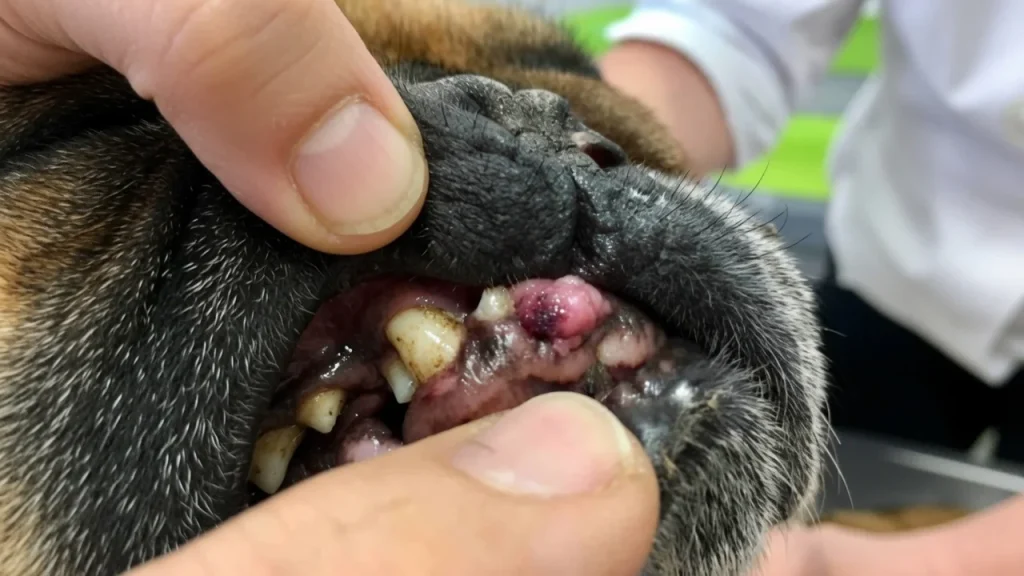
Malignant growths, or cancers, are a more serious concern when found on a Dog Growth on Lip. These tumors are characterized by their aggressive nature, potential for local invasion, and ability to metastasize (spread) to other parts of the body, such as lymph nodes and lungs. Early detection and aggressive treatment are critical for improving outcomes for malignant oral tumors. The incidence of malignant oral tumors is higher in Dog Growth on Lip over 8 years old.
Canine Oral Melanoma
Oral melanoma is the most common malignant oral tumor in Dog Growth on Lip and is highly aggressive, with a significant potential for metastasis. These tumors originate from melanocytes, the pigment-producing cells, and can be darkly pigmented (black) or amelanotic (non-pigmented, appearing pink or flesh-colored). Melanomas can be found anywhere in the mouth, including the lips, gums, tongue, and palate.
Oral melanomas are more prevalent in older Dog Growth on Lip(typically over 10 years of age) and certain breeds, including Cocker Spaniels, Chow Chows, Scottish Terriers, Poodles, Golden Retrievers, and Dachshunds. Symptoms often include a visible mass, increased salivation, difficulty eating, bad breath, facial swelling, and sometimes bleeding. While aggressive, tumors located on the lip tend to have a more favorable prognosis compared to those in other oral locations.
Squamous Cell Carcinoma (SCC)
Squamous cell carcinoma is the second most common malignant oral tumor in Dog Growth on Lip. These tumors arise from the cells lining the outer layer of the skin and mucous membranes. They are locally aggressive and have a tendency to invade underlying bone rapidly. SCCs often appear as pink or red, irritated masses that may have a cauliflower-like or ulcerated surface and can bleed easily.
Clinical signs are varied and can include bad breath, drooling (possibly bloody), difficulty eating, facial swelling, pain, and loose teeth. Tonsillar SCC is particularly aggressive and has a high rate of metastasis to local lymph nodes. Early and aggressive surgical removal is the primary treatment, often combined with radiation therapy.
Fibrosarcoma
Fibrosarcoma is the third most common malignant oral tumor in Dog Growth on Lip. These tumors are highly invasive locally and can also metastasize, though often later than melanomas. They frequently affect the gums, lips, cheeks, palate, and jaw bone. Fibrosarcomas tend to be flat and firm but can also be ulcerated and multilobular. They are seen in young adult to middle-aged large breeds and older small breeds. Aggressive surgical excision is typically recommended, often with wide margins to control local recurrence, and may be supplemented with radiation therapy.
| Type of Growth | Characteristics | Common Location | Typical Age Group | Prognosis |
|---|---|---|---|---|
| Oral Papilloma (Wart) | Cauliflower-like, benign, viral-induced | Lips, gums, tongue | Young Dog Growth on Lip(< 2 yrs) | Good; often self-resolving |
| Histiocytoma | Red, raised, button-like, benign, immune-cell related | Lips, ears, nose, front legs | Young Dog Growth on Lip(< 3 yrs) | Excellent; usually self-resolving |
| Epulis (Fibromatous/POF) | Smooth, pink, benign, gum overgrowth | Gums (can extend to lips) | Middle-aged to older Dog Growth on Lip | Good with surgical removal |
| Epulis (Acanthomatous) | Cauliflower-like, locally aggressive benign, invades bone | Gums (can extend to lips) | Middle-aged to older Dog Growth on Lip | Guarded; aggressive surgery needed |
| Malignant Melanoma | Pigmented or non-pigmented, aggressive, high metastasis | Lips, gums, tongue, palate | Older Dog Growth on Lip(> 10 yrs) | Poor to guarded; depends on location, size, and spread |
| Squamous Cell Carcinoma (SCC) | Pink/red, irritated, locally aggressive, invades bone | Gums, tongue, tonsils (can affect lips) | Older Dog Growth on Lip | Varies; better for rostral tumors, poorer for tonsillar |
| Fibrosarcoma | Firm, invasive locally, can metastasize | Gums, lips, cheeks, palate, jaw bone | Young adult to older Dog Growth on Lip | Guarded; aggressive surgery needed |
Recognizing the Signs: Symptoms of Lip Growths
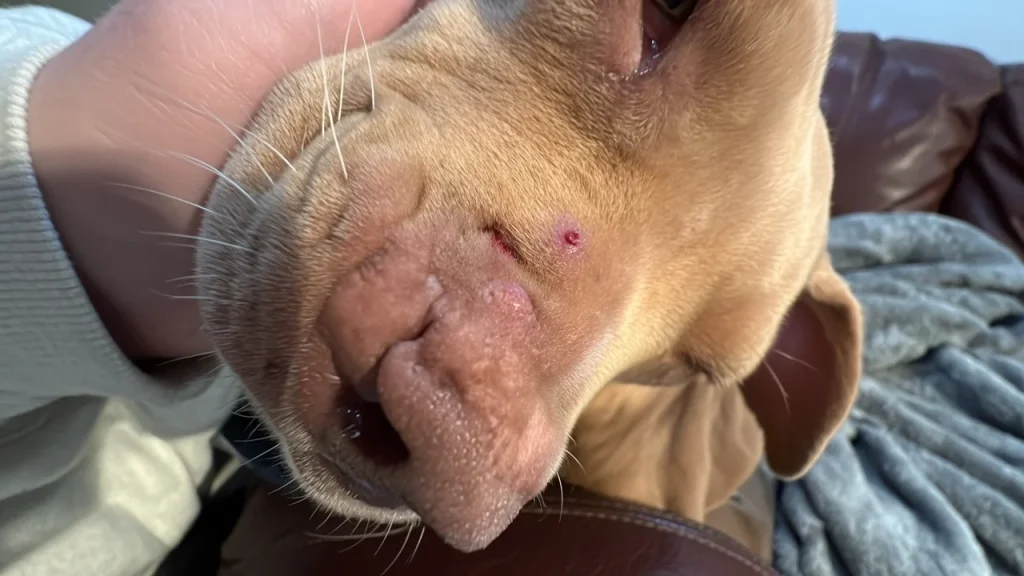
Detecting a growth on your Dog Growth on Lip often begins with noticing visible changes or behavioral cues. While some growths may be obvious, others can be subtle, especially if they are small or located in less accessible areas of the lip or mouth. Regular inspection of your Dog Growth on Lip mouth, perhaps during brushing or playtime, is invaluable for early detection. Many tumors do not have any symptoms other than a visible growth in the mouth. Common symptoms associated with lip growths include:
- Visible Lump or Mass: The most straightforward sign, which can vary in size, shape, color (pink, red, black), and texture (smooth, rough, cauliflower-like).
- Changes in Oral Hygiene and Comfort:
- Bad Breath (Halitosis): A sudden onset of unusually foul breath, especially if persistent, can indicate an infection or necrotic tissue associated with a growth.
- Excessive Drooling (Ptyalism): Increased saliva production, sometimes with blood streaks, can be a sign of discomfort or irritation caused by a growth.
- Bleeding: Blood in saliva, on toys, in food or water bowls, or directly from the mass itself.
- Difficulty Eating or Drinking:
- Reluctance to Eat or Decreased Appetite: Pain or mechanical obstruction from a growth can make eating difficult or unpleasant.
- Dropping Food: Dog Growth on Lip with oral discomfort might struggle to pick up or retain food in their mouths.
- Chewing on One Side: Favoring one side of the mouth due to pain or a mass on the other.
- Pain and Discomfort:
- Vocalizing When Eating or Yawning: Signs of pain when opening the mouth wide or chewing.
- Reluctance to be Touched on the Head or Face: A common indicator of oral pain.
- Licking or Chewing at the Area: Especially with irritating growths like histiocytomas, leading to inflammation or secondary infection.
- Facial Changes:
- Facial Swelling or Asymmetry: A growth can cause visible swelling or a noticeable difference in the appearance of the face.
- Loose or Missing Teeth: Aggressive tumors can invade bone and lead to dental issues.
- Swollen Lymph Nodes: Especially under the jaw or along the neck, indicating potential spread of cancer.
Any of these signs warrant immediate veterinary attention. It is always a good idea to bring your Dog Growth on Lip to the veterinarian if you ever notice any lump or bump.
The Diagnostic Process: Uncovering the Truth
Once a lip growth is identified, a thorough diagnostic process is essential to determine its nature (benign or malignant), type, extent, and the most appropriate course of treatment. Visual appearance alone is rarely sufficient for a definitive diagnosis, as many different types of growths can look similar. The diagnostic journey typically involves several steps:
- Comprehensive Oral Examination: The veterinarian will perform a detailed examination of your Dog Growth on Lip entire oral cavity, often under sedation, to assess the size, location, attachment, and other characteristics of the growth.
- Biopsy and Histopathology: This is the most crucial step for definitive diagnosis. A small piece of the growth (incisional biopsy) or the entire growth (excisional biopsy, if small) is surgically removed and sent to a veterinary pathologist for microscopic examination. Histopathology determines the specific type of cells involved, whether the growth is benign or malignant, and provides crucial information about its behavior and prognosis. It is important that the initial biopsy should not be used as an opportunity to remove the growth at the first visit the vast majority of the time; initial biopsy samples should almost always be incisional.
- Diagnostic Imaging:
- Dental Radiographs (X-rays): These are vital to assess whether the growth has invaded the underlying bone, which is common for aggressive tumors like acanthomatous ameloblastomas, melanomas, and squamous cell carcinomas.
- Computed Tomography (CT) Scan or Magnetic Resonance Imaging (MRI): For larger or more invasive tumors, a CT scan or MRI of the head and neck may be recommended. These advanced imaging techniques provide detailed cross-sectional images, allowing the veterinarian to accurately determine the tumor’s extent, bone involvement, and for surgical planning.
- Staging (for suspected malignant tumors): If a malignant tumor is suspected or confirmed, further tests are necessary to determine if the cancer has spread to other parts of the body. This “staging” process may include:
- Bloodwork and Urinalysis: To assess overall health and organ function.
- Chest X-rays: To check for metastasis to the lungs, a common site for spread of oral cancers.
- Abdominal Ultrasound: To check for spread to abdominal organs.
- Fine Needle Aspirate (FNA) or Biopsy of Regional Lymph Nodes: Lymph nodes are often the first site of metastasis for oral cancers. Sampling them helps determine if the cancer has spread.
An accurate diagnosis is the cornerstone of effective treatment, enabling veterinarians to formulate a targeted and personalized plan for your Dog Growth on Lip . Regular veterinary check-ups are key to early diagnosis and treatment.
Treatment Options: Tailoring Care for Your Canine Companion
The treatment approach for a dog growth on the lip depends heavily on the diagnosis, including whether the growth is benign or malignant, its specific type, size, location, and whether it has spread. The best therapy for oral masses is complete surgical resection. A multidisciplinary approach, often involving surgery, radiation, and sometimes chemotherapy, provides the best outcomes for many malignant oral tumors. The key to successful therapy of oral masses is early detection and definitive diagnosis.
Surgical Intervention
Surgery is the most common and often the primary recommended treatment for both benign and malignant lip and oral growths.
- Excisional Biopsy/Local Excision: For small, easily accessible, and clearly benign growths like many papillomas or small fibromatous epulides, the entire mass can often be removed surgically at the time of biopsy.
- Wide Surgical Resection: For malignant tumors or locally aggressive benign ones like acanthomatous ameloblastomas, wider surgical margins are necessary to ensure complete removal of cancerous cells and prevent recurrence. This may involve removing surrounding healthy tissue, teeth, and sometimes even portions of the jawbone (maxillectomy or mandibulectomy) if the tumor has invaded bone. While this may sound daunting, Dog Growth on Lip typically recover remarkably well and maintain good quality of life after such procedures.
- Cryotherapy: Freezing the growth with liquid nitrogen can be an option for some smaller, benign growths such as papillomas or histiocytomas, particularly when surgical excision is challenging or less invasive options are preferred.
Medical and Adjunctive Therapies
In addition to surgery, other treatments may be employed, especially for malignant tumors or complicated benign growths:
- Antibiotics and Pain Management: For infected or painful growths, antibiotics can treat secondary bacterial infections, and pain medication can improve your Dog Growth on Lip comfort.
- Radiation Therapy: Radiation can be used as a primary treatment if surgery is not feasible, or as an adjunctive therapy after surgery (e.g., if surgical margins are incomplete) to eliminate remaining cancer cells. Oral melanomas and squamous cell carcinomas can respond well to radiation therapy.
- Chemotherapy: While generally having limited efficacy for many oral tumors when used alone, chemotherapy may be considered in combination with surgery and/or radiation, particularly for tumors with a high metastatic potential or if the cancer has spread.
- Melanoma Vaccine (Oncept®): For Dog Growth on Lip diagnosed with malignant melanoma, a specialized vaccine can be used to stimulate the dog’s immune system to fight the cancer, often leading to improved survival times when used in conjunction with surgical removal.
- “Watch and Wait” Approach: For self-limiting benign growths like oral papillomas and histiocytomas in young Dog Growth on Lip , a veterinarian may recommend closely monitoring the growth for spontaneous regression, intervening only if it causes problems.
Prognosis and Long-Term Management
The prognosis for a Dog Growth on Lip with a lip growth varies widely depending on the type of growth. Benign growths generally have an excellent prognosis with complete surgical removal or often resolve spontaneously. For malignant tumors, the prognosis depends on factors such as tumor type, size, location (e.g., lip tumors may have a better prognosis than those further back in the mouth), presence of bone invasion, and whether metastasis has occurred.
Early detection and aggressive, appropriate treatment are the most critical factors influencing a positive outcome. Regular follow-up examinations are essential, particularly for malignant tumors, to monitor for recurrence or metastasis. Pet owners should also continue to perform at-home oral checks and be vigilant for any new lumps or changes. The overall goal is to maintain the Dog Growth on Lip comfort and quality of life for as long as possible. For more detailed information on various types of canine tumors, you can refer to authoritative resources like Wikipedia’s article on dog tumors.
Conclusion
Discovering a dog growth on the lip can be a distressing experience for any pet owner. While many of these growths are benign and easily treatable, some can be aggressive malignant tumors requiring urgent and comprehensive veterinary care. From the common, self-resolving oral papillomas and histiocytomas in young Dog Growth on Lip to more concerning epulides and the highly aggressive oral melanomas, squamous cell carcinomas, and fibrosarcomas in older animals, a wide spectrum of conditions can affect a Dog Growth on Lip and oral cavity. Recognizing the diverse symptoms, from visible masses and bad breath to difficulty eating and facial swelling, is the first critical step toward prompt action. The diagnostic process, typically involving thorough examination, biopsy, and advanced imaging, is essential for an accurate diagnosis, which in turn guides the most effective treatment plan. Whether it’s surgical removal, radiation, chemotherapy, or a watchful waiting approach, tailoring the care to your canine companion’s specific needs is paramount. Ultimately, proactive monitoring, regular veterinary check-ups, and a commitment to early intervention are your best allies in safeguarding your dog’s oral health and overall well-being.