15 Amazing Diverse Dog Breeds: Best Companions and Workers
Table of Contents
Diverse Dog Breeds present a fascinating spectrum of characteristics, temperaments, and histories, each shaped by centuries of selective breeding for specific purposes. From the most amicable lapdogs to robust working animals and elegant hunters, the diversity within the canine world is truly remarkable. Understanding these distinctions is crucial for prospective owners seeking a companion that aligns with their lifestyle, as well as for enthusiasts keen to appreciate the unique legacies of different breeds. This article delves into the various facets of canine diversity, focusing on friendly dog breeds, the rich heritage of Hungarian dogs, breeds sharing traits with the beloved Golden Retriever, the working and companion dogs of the Netherlands, and the elegant Setter breeds.
The Enduring Appeal of Friendly Diverse Dog Breeds
The concept of “friendly dog breeds” often conjures images of outgoing, affectionate, and easygoing canines that readily interact with humans and other animals. While individual personalities vary greatly within any breed, some dog breeds have been selectively bred over generations to exhibit a higher propensity for sociability, trainability, and a lack of aggression. These traits make them ideal family pets and wonderful companions for various living situations.
What makes a dog friendly? Generally, friendly dog breeds are characterized by their eagerness to please, gentle demeanor, and patience. They often possess a stable temperament, making them tolerant of children and comfortable in diverse social settings. Early socialization and consistent positive reinforcement training play a vital role in nurturing these inherent qualities, helping any dog develop into a well-adjusted and confident companion.
Among the most frequently cited friendly dog breeds are the Labrador Retriever and the Golden Retriever. Labrador Retrievers, known for their affectionate nature and outgoing personality, excel in social settings and are often employed as guide, rescue, and therapy dogs due to their biddable nature. Similarly, Golden Retrievers are celebrated for their tolerant and gentle demeanor, making them excellent with children and other pets, and their eagerness to please makes them highly trainable. For a deeper look at this beloved breed, see this comprehensive guide to Golden Retrievers.
Other breeds recognized for their friendly disposition include the Poodle, often misunderstood but highly affectionate and intelligent, and the Beagle, a social dog that thrives in a family environment. Boxers, despite their origins as guard dogs, are known for their protective yet social and caring nature towards their families. Even smaller breeds like the Cavalier King Charles Spaniel, Bichon Frise, and Havanese are specifically bred for human connection, making them inherently friendly and charming companions. The English Setter also stands out with its gentle, affectionate, and people-oriented temperament, bonding deeply with its family. If you are looking for more easygoing companions, these low-maintenance dog breeds are worth exploring.
A Glimpse into Hungarian Dog Breeds: History and Traits
Hungary, a country with a rich cultural heritage, has given the world several distinctive dog breeds, each deeply intertwined with the nation’s history and traditional way of life. These Hungarian dog breeds were developed over centuries to fulfill specific roles, primarily as hunters, herders, and guardians, thriving in the challenging landscapes of the Carpathian Basin. Their loyalty, intelligence, and strong work ethic are common threads woven through their genetic makeup.
One of Hungary’s most famous contributions to the canine world is the Vizsla, often referred to as Hungary’s National Treasure. This versatile breed, with its striking golden-rust coat and sleek physique, excels in hunting, pointing, and retrieving. Vizslas are known for their loyalty, intelligence, and affectionate nature, thriving on human companionship and requiring plenty of activity to match their energetic temperament. The Wirehaired Vizsla, a more recent development from the 1930s, shares many of these traits but possesses a distinctive wiry coat.
Among the herding breeds, the Puli is instantly recognizable by its unique corded coat, which provides protection against harsh weather. Bred for herding sheep, Pulis are highly intelligent, agile, and possess excellent problem-solving skills, making them devoted family companions and enthusiastic working dogs. Similarly, the Komondor, a large and powerful guardian dog, is also known for its corded coat. Historically, Komondors were bred to protect flocks of sheep from predators, exhibiting fearless, protective, and territorial instincts. While formidable guardians, with proper training and socialization, they can also be affectionate and loyal family companions.
Other notable Hungarian breeds include the Pumi, a lively and intelligent herding dog with a distinctive curly coat, which emerged from the mixing of ancestral Puli with French and German herding dogs around 300 years ago. The Mudi is another agile and active Hungarian herding dog, closely related to the Puli and Pumi. The Magyar Agár, or Hungarian Greyhound, is a sighthound bred for speed and stamina in hunting, yet also makes an affectionate and loyal family pet. The Transylvanian Hound (Erdélyi Kopó) is a robust scent hound with a long history in hunting large game, rescued from near extinction through dedicated breeding efforts.
Dog Breeds Like Golden Retrievers: The Quintessential Family Companion
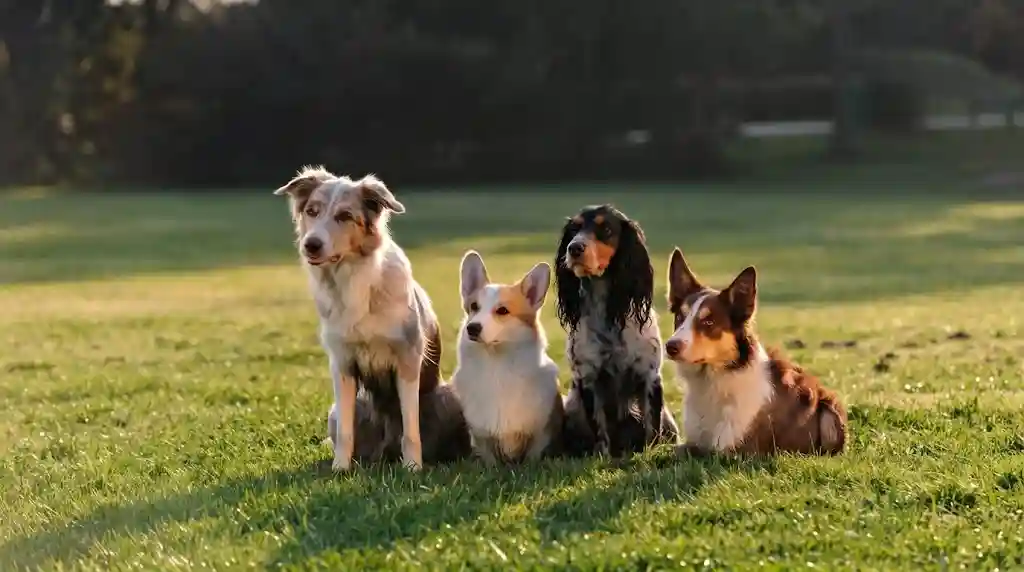
The Golden Retriever has earned its reputation as one of the most beloved family dogs, cherished for its gentle nature, intelligence, and unwavering loyalty. Many prospective dog owners seek dog breeds like Golden Retrievers, looking for similar combinations of temperament, appearance, and suitability for family life. These breeds often share characteristics such as an outgoing and friendly disposition, a moderate to high energy level, a strong desire to please, and a loving attitude towards children and other pets.
The Labrador Retriever is arguably the closest match to the Golden Retriever in terms of personality and overall family fit. Labs are renowned for being friendly, outgoing, eager to please, and gentle with kids, consistently ranking among the most popular dog breeds for decades. While their coats are shorter and denser, requiring less grooming than a Golden’s, they share a similar enthusiastic and affectionate nature, making them ready for any adventure.
Another breed often compared to the Golden Retriever is the Flat-Coated Retriever. These dogs possess a joyful and optimistic demeanor, often described as “perpetual puppies” due to their playful spirit that extends into adulthood. They share the Golden’s beautiful, flowing coat, though typically black or liver, and an intelligent, sensitive nature that thrives on human interaction.
The Chesapeake Bay Retriever, while possessing a more rugged appearance and a strong working drive, shares the Golden’s intelligence and affectionate side. Known for their waterproof coat and dedication as world-class hunters, “Chessies” are bright and sensitive, bonding deeply with their families.
For those considering a slightly smaller option that retains the Golden’s joyful spirit, the Nova Scotia Duck Tolling Retriever is an excellent choice. It is the smallest of the retriever breeds, known for being outgoing and high-energy, and generally gets along well with children and strangers.
Even though they look quite different, the Standard Poodle shares several key personality traits with Golden Retrievers, including high intelligence, trainability, and an affectionate nature. Poodles are adaptable and thrive on mental and physical stimulation, making them excellent family dogs, especially for those with allergy concerns due to their low-shedding coats. You can read more about Poodles in this comprehensive breed guide.
Distinctive Dog Breeds from the Netherlands
The Netherlands, with its history of agriculture and pastoral living, has produced several distinctive dog breeds primarily known for their working abilities, intelligence, and loyalty. These Dutch dog breeds were developed to be versatile, capable of herding, guarding, and assisting farmers with various tasks, often adapting to harsh conditions. Their unwavering dedication and adaptability have allowed them to transition into beloved companions and high-performing sport dogs in modern times.
The Dutch Shepherd is perhaps the most prominent of the Netherlands’ native breeds. Originally developed in the 18th century as an all-purpose farm dog, it excelled at herding sheep, guarding property, and assisting farmers. Today, Dutch Shepherds are renowned for their loyalty, agility, and strong work ethic, making them highly valued in police work, military service, search and rescue, and various dog sports. They are highly intelligent, quick learners, and deeply bonded to their families, though they can be reserved with strangers, emphasizing the need for early and ongoing socialization. Their distinctive brindle coats come in short-haired, long-haired, and rough-haired varieties. Like many working breeds, they benefit from the training approaches outlined in this guide to the smartest dog breeds for training.
Another beloved Dutch breed is the Schapendoes, often referred to as the Dutch Sheepdog. This medium-sized, shaggy herding dog is known for its tousled coat, expressive dark eyes, and a friendly, animated personality. Schapendoes thrive on physical and mental stimulation, making them excellent companions for active families. They are characterized by their agility, intelligence, and reliability as herders.
The Kooikerhondje, a cheerful and agile dog, was historically used to lure ducks into traps. These small, distinctive dogs with their orange-red patches and feathered tails are known for their intelligence, eagerness to please, and playful nature. They are active dogs that enjoy water, making swimming and retrieving games excellent forms of exercise for them.
The Saarloos Wolfdog, a striking breed with a wolf-like appearance, originated in the early 20th century from a cross between a German Shepherd and a Eurasian wolf. While loyal and independent, they possess a reserved temperament reminiscent of their wild ancestry, requiring experienced owners and extensive socialization.
The Stabyhoun is a versatile gun dog from Friesland, known for its gentle nature and keen hunting abilities. They are affectionate family dogs that are good with children and make excellent companions for active households.
Finally, the Dutch Smoushond, a breed of the Pinscher and Schnauzer type, was historically a companion dog often found in stables. This active companion breed was reconstructed in the late 20th century after nearly becoming extinct, with a focus on health and temperament.
| Breed Group | Breed Name | Origin | Primary Historical Role | Key Temperament Traits |
|---|---|---|---|---|
| Sporting | Golden Retriever | Scotland | Retrieving game birds | Friendly, intelligent, devoted, eager to please |
| Sporting | Vizsla | Hungary | Hunting (pointing, retrieving) | Energetic, affectionate, loyal, intelligent |
| Herding | Dutch Shepherd | Netherlands | Herding sheep, guarding farms | Loyal, intelligent, active, protective |
| Working | Komondor | Hungary | Livestock guardian | Protective, fearless, territorial, calm with family |
| Sporting | English Setter | England | Bird hunting (setting) | Gentle, affectionate, eager, sensitive |
| Herding | Puli | Hungary | Herding sheep | Intelligent, agile, problem-solver, devoted |
| Sporting | Labrador Retriever | Canada (via UK) | Retrieving game | Outgoing, friendly, patient, enthusiastic |
Setter Dog Breeds: Graceful Hunters and Loyal Friends
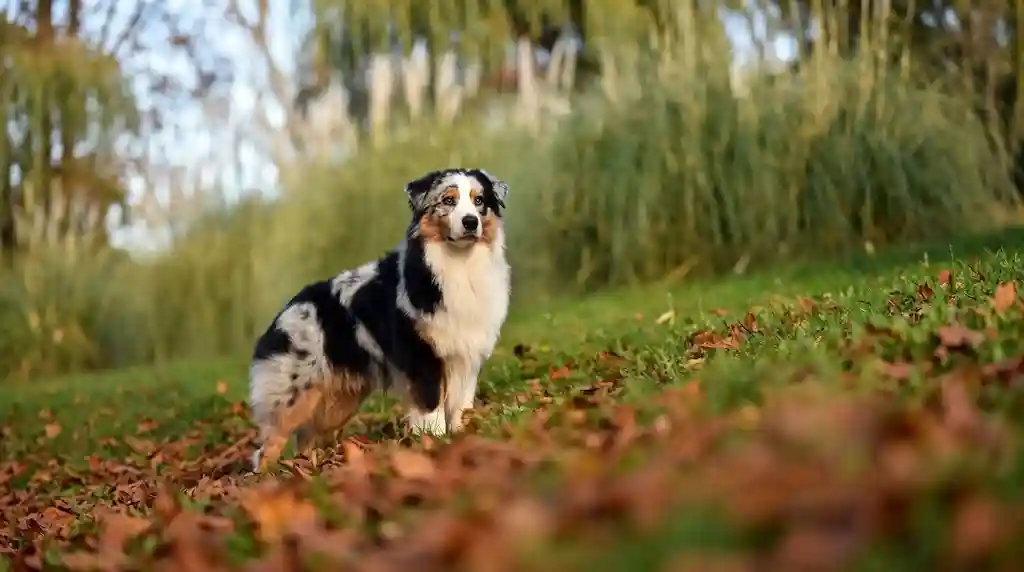
Setter dog breeds are a distinguished group within the Sporting category, renowned for their elegance, athleticism, and distinctive hunting style. Their name derives from their unique “setting” or crouching stance they adopt when they silently locate game birds, indicating the prey’s location to hunters. While historically prized for their field prowess, Setters have also earned a cherished place as loyal and affectionate family companions due to their sociable nature and deep bonds with their owners.
There are primarily four recognized Setter breeds, each possessing distinct features in coat, physique, and temperament. The English Setter is a graceful, moderately sized dog with a beautiful “belton” coat pattern, featuring white fur flecked with various colors like blue, orange, or lemon. Known for its gentle nature, affection, and sensitivity, the English Setter is one of the most people-oriented pointing breeds. They bond deeply with their handler and family, are good with children, and possess a warm, settled demeanor when adequately exercised. Historically developed in 14th century England from Spanish Pointers, Water Spaniels, and Springer Spaniels, they were refined to range wide and find birds.
The Irish Setter is perhaps the most iconic, instantly recognizable by its flowing, rich red coat and feathered legs and tail. These medium-sized dogs are known for their playful and friendly temperament, making them hardy and generally healthy active family dogs that thrive with plenty of exercise and mental challenges. They are cherished for their energetic yet loyal and loving disposition. For a closer look at this breed, here are 15 amazing facts every dog lover should know about the Irish Setter.
The Gordon Setter stands as the largest among the Setter breeds, characterized by its glossy black and rich tan coloring. Robust and muscular, Gordon Setters excel in stamina and possess a bold, confident, and loyal personality. While they retain a strong hunting instinct, they are also deeply devoted to their families, requiring consistent training and socialization to channel their energy positively.
The Irish Red and White Setter shares many physical traits with its solely red Irish cousin but is noticeably more solidly built and, as its name suggests, sports a distinctive two-toned red and white coat. This breed is also a keen hunter and a friendly, enthusiastic companion, often considered a slightly calmer alternative to the full Irish Setter, though still requiring ample activity.
All Setter breeds, due to their strong prey drive and need for exercise, benefit greatly from early socialization and consistent training. They are intelligent and eager to please, responding well to positive reinforcement. Whether an owner seeks an active canine companion, an adept hunting dog, or a loyal family pet, a Setter breed can be an excellent choice for those who appreciate their blend of beauty, energy, and affectionate loyalty. For more information on these remarkable sporting dogs, consult authoritative sources such as The American Kennel Club’s breed information.
Choosing the Right Canine Companion: Beyond Breed Characteristics
While understanding the specific traits of friendly dog breeds, Hungarian dog breeds, those similar to Golden Retrievers, Dutch dog breeds, and Setter breeds is invaluable, selecting the right canine companion involves more than just breed characteristics. A dog’s individual temperament, early experiences, and the environment in which it is raised significantly influence its behavior and overall well-being. Therefore, prospective owners should consider several key factors to ensure a harmonious match between pet and household.
Firstly, lifestyle compatibility is paramount. Highly energetic breeds, such as many of the Hungarian hunting dogs or the Dutch Shepherd, require substantial daily exercise and mental stimulation to prevent boredom and destructive behaviors. Individuals or families with active lifestyles who can commit to regular walks, runs, hikes, or dog sports will be better suited for such breeds. Conversely, those with a more sedentary lifestyle might find a less demanding breed or an older dog a better fit. Breeds that are easier to train, such as those highlighted in this guide to the easiest dog breeds to train, can also be a good starting point for less experienced owners.
Time commitment for training and socialization is another critical aspect. All dogs, regardless of breed, benefit from early and ongoing socialization to develop into well-rounded and confident adults. Consistent positive reinforcement training is essential for teaching manners, building a strong bond, and ensuring the dog understands expectations. Breeds known for their intelligence and eagerness to please, like Golden Retrievers, Labradors, and Poodles, often respond well to training, but even they require dedicated effort. Breeds with more independent streaks, such as some of the herding or guardian types, may require a firmer but always positive approach.
Grooming requirements also vary significantly across breeds. Dogs like the Puli and Komondor with their corded coats, or the long-haired Setter varieties, demand regular and specialized grooming to prevent matting and maintain coat health. Breeds with shorter or wirier coats, like the Dutch Shepherd or Wirehaired Vizsla, may have simpler grooming needs but still require routine care. Regardless of coat type, a consistent grooming routine is essential. You can find a helpful grooming schedule by coat type here.
Furthermore, it’s important to consider potential health issues associated with specific breeds. Reputable breeders will conduct health screenings and provide transparency regarding common ailments. For instance, English Setters can be prone to congenital deafness, and Gordon Setters are at risk of progressive retinal atrophy, highlighting the importance of working with responsible breeders who prioritize genetic health. Understanding common health concerns, such as dog allergies and skin infections, is also part of responsible ownership.
Ultimately, a successful canine-human relationship is built on mutual understanding, respect, and a commitment to meeting the dog’s physical, mental, and emotional needs. Researching specific breeds is a crucial first step, but spending time with individual dogs, consulting with experienced trainers, and considering adoption from shelters or rescues can provide invaluable insights into finding the perfect companion.
Conclusion
The world of dog breeds is incredibly rich and diverse, offering a wide array of choices for potential owners. From the universally adored friendly dog breeds that excel as family companions, such as the Golden and Labrador Retrievers, to the historically significant Hungarian dog breeds like the versatile Vizsla and the protective Komondor, each group brings its unique set of characteristics. The working heritage of Dutch dog breeds, exemplified by the intelligent Dutch Shepherd, showcases canine adaptability and loyalty. Meanwhile, Setter dog breeds, with their graceful hunting instincts and affectionate temperaments, demonstrate how specialized skills can coexist with deep companionship. While breed characteristics provide a valuable guide, successful pet ownership ultimately hinges on thoughtful consideration of lifestyle, dedication to training and socialization, and a commitment to providing a loving and stimulating environment. By understanding these diverse facets, individuals can make informed decisions, fostering fulfilling relationships with their canine friends that enrich lives on both ends of the leash.
