Dog Breeds: A Comprehensive Exploration of Indian, Snow-Loving, Top 10, Attack Statistics, and Curly-Coated Canines
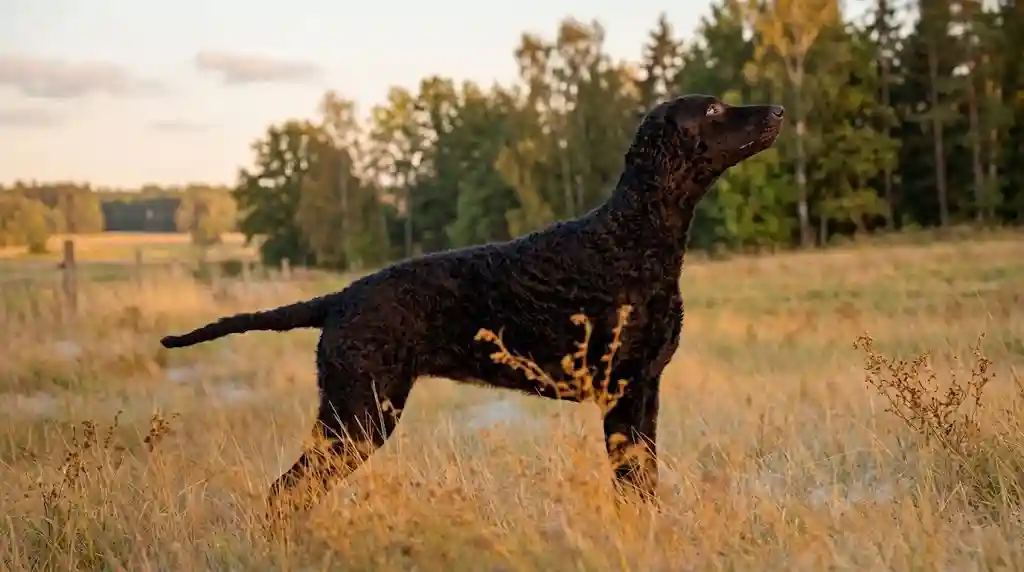
Table of Contents
Dog breeds represent a fascinating tapestry of canine evolution, human companionship, and selective breeding. From ancient working dogs honed for specific tasks to modern companions cherished for their unique appearances and temperaments, the diversity among dog breeds is truly astounding. This comprehensive article delves into various aspects of this rich world, exploring the unique native dog breeds of India, the remarkable adaptations of dogs built for snowy environments, the ever-popular top 10 breeds that capture hearts worldwide, a nuanced look at dog breed attack statistics, and the distinctive charm of curly-coated canines.
Native Dog Breeds of India: A Legacy of Loyalty and Resilience
India, a land renowned for its vibrant culture and rich biodiversity, also boasts a remarkable array of indigenous dog breeds, many of which have been shaped by centuries of adaptation to diverse climates and specific working roles. These native Indian dog breeds are often characterized by their hardiness, intelligence, and deep loyalty, making them exceptional companions and working animals. They represent a significant part of India’s natural heritage, though some face challenges in recognition and preservation amidst the growing popularity of imported breeds.
Prominent Indian Dog Breeds:
Indian Pariah Dog (Desi Dog): Considered one of the oldest and most primitive dog breeds globally, the Indian Pariah Dog is known for its agility, adaptability, and fierce loyalty. These hardy dogs exhibit strong survival instincts and possess a naturally high level of immunity against many common diseases and parasites, making them low-maintenance pets with robust health. They are often used for hunting and herding in rural areas.
Rajapalayam: Hailing from the southern state of Tamil Nadu, the Rajapalayam is a majestic sighthound with a graceful build and a striking white coat. Bred historically for hunting and guarding, they are known for their intelligence, loyalty, and unparalleled bravery. Due to their protective nature, early socialization and training are crucial for this breed. They have even served in the Indian army.
Mudhol Hound (Caravan Hound): Native to Karnataka, the Mudhol Hound is an ancient sighthound breed, historically favored by royalty and warriors for its exceptional speed, stamina, and hunting prowess, particularly in hot, arid environments. They are naturally athletic and agile, making them ideal for active owners or those with large properties.
Kombai: An ancient Indian dog breed from Tamil Nadu, the Kombai is a powerful and courageous dog, traditionally used for guarding property and hunting wild boar. They are known for their loyalty and energetic nature, requiring ample activity.
Chippiparai: Another sighthound from Tamil Nadu, the Chippiparai was historically used by South Indian royalty for hunting deer, hare, and wild boar. These dogs are known for their attractive appearance, docile character, and strong bond with their owners.
Himalayan Sheepdog / Bakharwal Dog / Gaddi Kutta: These robust mastiff-type breeds originate from the high mountains of the Himalayas. Known for their incredible stamina, thick coats, and alert demeanor, they have long been valued as livestock guardian dogs, protecting against predators like bears and wolves. They require serious training and are not typically indoor dogs.
While breeds like the Labrador Retriever and Golden Retriever have gained immense popularity in India, the native breeds offer a unique blend of historical significance, adaptability, and resilience, perfectly suited to the diverse Indian landscape. If you are considering a Golden Retriever, you can read this comprehensive guide to Golden Retrievers.
Snow Dog Breeds: Canines Built for the Cold and Winter Wonderland
For those living in cold climates or with a love for winter activities, certain dog breeds are exceptionally well-suited to snowy environments. These ‘snow dogs’ possess unique physical adaptations that allow them to not only tolerate but thrive in frigid temperatures. Their ancestors often hail from Arctic or mountainous regions, where they were bred for tasks like sled pulling, herding, and guarding in harsh conditions.
Key Adaptations of Snow Dog Breeds:
- Thick Double Coats: The most defining feature, a dense undercoat traps heat, while a coarser outer coat repels snow and moisture, preventing it from seeping to the skin. This “stand-off” coat effectively insulates them from the cold.
- Snowshoe-Like Paws: Many snow breeds have broad, bear-like paws with extra padding and thick fur between the toes. This provides traction on ice, distributes weight across a larger surface area to prevent sinking in snow, and protects against frostbite.
- Bushy, Plumed Tails: A bushy tail can serve as a natural face warmer. When sleeping, dogs can curl up and tuck their noses under their tails, pre-warming the air they inhale and protecting delicate tissues from frigid temperatures.
- Small, Thick Ears: Compact, hair-covered ears reduce the surface area exposed to the elements, minimizing the risk of frostbite.
Notable Snow-Loving Dog Breeds:
Siberian Husky: Perhaps the most iconic snow dog, originating from Siberia, Huskies were bred to pull sleds over vast, frozen tundras. They are known for their striking eyes, thick double coats, high energy, and independent nature.
Alaskan Malamute: One of the oldest breeds from North America, Malamutes are larger and more powerful than Huskies, bred for hauling heavy freight. They possess dense double coats and large, snowshoe-type feet, making them perfectly equipped for extreme cold.
Samoyed: Named after nomadic reindeer herders in Siberia, Samoyeds are famous for their fluffy white coats and “Sammy smiles.” They are excellent herders and sled pullers, thriving in cold climates while also being affectionate companions.
Saint Bernard: Originating in the Swiss Alps, Saint Bernards are large working dogs recognized for their search-and-rescue efforts in snow-covered mountains. Their thick, heavy coats protect them from harsh winters, and they are known for their gentle, calm demeanor.
Great Pyrenees: Bred to guard livestock against predators in the Pyrenees Mountains, these regal dogs have thick double coats and are rugged enough to withstand chilly nights. They are known for being gentle with children.
Newfoundland: Hailing from Newfoundland, Canada, these gentle giants are powerful dogs well-suited to winter, historically assisting sailors and pulling carts. They possess a thick, water-resistant double coat.
Bernese Mountain Dog: From the cold mountains of Switzerland, these strong and sturdy dogs are excellent in snowy conditions and are known for their affectionate nature.
Akita: Originating from a snowy mountain region in Japan, Akitas were historically cold-weather hunting companions. They love cold weather and are often happiest outdoors when temperatures drop.
While these breeds are well-equipped for cold, responsible pet ownership dictates providing adequate shelter, monitoring for extreme temperatures, and ensuring proper nutrition to match their energy needs. For more tips on keeping your dog healthy, check out this ultimate pet nutrition guide.
Top 10 Dog Breeds: Popularity and Enduring Appeal
The popularity of dog breeds can fluctuate, but certain characteristics consistently place breeds among the top choices for families and individuals. The American Kennel Club (AKC) frequently releases lists of the most popular dog breeds based on registration statistics, providing insight into current trends. For several years, a few breeds have consistently dominated these rankings, showcasing their widespread appeal and adaptability to various lifestyles.
According to recent reports, including those from 2024, 2025, and 2026, the French Bulldog has held the top spot in the United States for the fourth consecutive year, dethroning the Labrador Retriever’s long-standing reign.
Here’s a look at some of the most consistently popular dog breeds, reflecting their enduring charm and suitability as companions:
| Rank (Approx. 2025-2026) | Breed | Key Characteristics | Suitability |
|---|---|---|---|
| 1 | French Bulldog | Affectionate, playful, adaptable, distinctive “bat-like” ears. | Excellent for urban dwellers, apartments, and first-time owners due to small size and low energy needs. |
| 2 | Labrador Retriever | Friendly, outgoing, intelligent, loyal, playful. | Outstanding family dogs, versatile in various roles like service, therapy, and hunting. |
| 3 | Golden Retriever | Intelligent, gentle, loyal, highly trainable. | Classic family pets, excel in therapy, search and rescue. |
| 4 | German Shepherd Dog | Intelligent, confident, loyal, brave, strong work ethic. | Excellent working dogs (police, military, search and rescue), protective family guardians. |
| 5 | Poodle (all sizes) | Highly intelligent, elegant, calm, friendly, patient. | Versatile family dogs, often considered hypoallergenic (low-shedding). |
| 6 | Dachshund | Lively, curious, friendly, known for their long bodies. | Good companions for various households, adaptable to apartment living. |
| 7 | Bulldog | Calm, easy-going, affectionate, loyal. | Great for families seeking a relaxed companion, relatively low exercise needs. |
| 8 | Beagle | Joyful disposition, loyal, intelligent, curious. | Excellent family pets, known for their strong sense of smell and energy. |
| 9 | Rottweiler | Strong, confident, protective, loyal, affectionate with family. | Excellent guardians, require early socialization and training. |
| 10 | German Shorthaired Pointer | Energetic, intelligent, friendly, eager to please. | Ideal for active individuals or families who can provide ample exercise and mental stimulation. |
These breeds represent a broad spectrum of sizes, temperaments, and care requirements, highlighting that prospective owners often consider a blend of factors, including disposition, ease of training, grooming needs, and adaptability to their living situation, when choosing a canine companion. For those who prefer a more low-maintenance companion, these low-maintenance dog breeds are worth exploring.
Understanding Dog Breeds and Attack Statistics: Beyond Simplistic Narratives
The topic of dog bite statistics and breed-specific aggression is complex and often subject to misinterpretation. While certain breeds, notably pit bull-type dogs and Rottweilers, are frequently mentioned in studies concerning severe dog bite injuries, it is crucial to understand that breed alone is not a reliable predictor of a dog’s propensity to bite or its level of aggression.
Factors Influencing Dog Aggression:
Numerous studies and experts, including the American Veterinary Medical Association (AVMA) and the Centers for Disease Control and Prevention (CDC), emphasize that a multitude of factors beyond breed contribute significantly to canine aggression and the likelihood of a bite incident. These include:
- Owner Responsibility: First-time ownership, failure to provide obedience training, spoiling or pampering the dog, buying a dog on impulse, and spending little time with the dog are all linked to increased aggression.
- Early Socialization: Puppies exposed to a variety of people, dogs, environments, and experiences early in life are less likely to develop aggressive behaviors.
- Environment and Living Conditions: Dogs that live outdoors most of the time have significantly higher odds of being highly aggressive toward other dogs. The dog’s overall living environment and social interactions play a vital role.
- Training and Management: Lack of proper training and inconsistent management can contribute to behavioral issues, including aggression. Positive reinforcement training and consistent boundaries are essential. If you need help finding a trainer, this guide to pet training near me can help.
- Health and Pain: Underlying health issues, pain, and sensory deterioration (e.g., poor eyesight or hearing in older dogs) can significantly increase a dog’s likelihood of displaying aggression. A veterinary check-up is crucial if a dog’s behavior suddenly changes.
- Genetics: While not the sole determinant, genetic predisposition can play a role, as certain breeds were historically developed for guarding or protective roles.
- Fear and Stress: Fear and stress are often the underlying motivational factors for aggressive behavior in dogs.
- Owner-Dog Relationship: The dynamic between a dog’s natural temperament and the psychological profile of its owner can influence behavior. Dogs whose owners play with them and take them for walks are less likely to be aggressive towards their owners and strangers.
Nuance in Statistics:
When examining dog bite statistics, it’s important to consider the limitations of the data. The CDC stopped collecting breed data on fatal dog attacks after its 1979-1998 study, with the authors themselves noting that without knowing the total population of each breed, it’s impossible to calculate a “bite rate” or infer that certain breeds are inherently more dangerous. Visual identification of breeds, often relied upon in media reports, can also be inaccurate.
Studies show that German Shepherd and Pit Bull-type breeds are consistently implicated in causing more serious injuries in the medical literature. For instance, one study found that pit bull-type dogs were most associated with severe bites requiring surgical treatment, and German Shepherds were responsible for a high number of injuries. However, these findings do not account for the prevalence of these breeds in the general population, the circumstances of the bites, or the owner-related factors involved. The AVMA explicitly states that breed does not predict behavior and a bite rate cannot be calculated for any breed. The American Veterinary Medical Association (AVMA) provides comprehensive information on dog bite risk and prevention, emphasizing that public education should focus on responsible dog ownership and bite prevention rather than breed-specific legislation.
Curly-Coated Dog Breeds: Style, Function, and Grooming
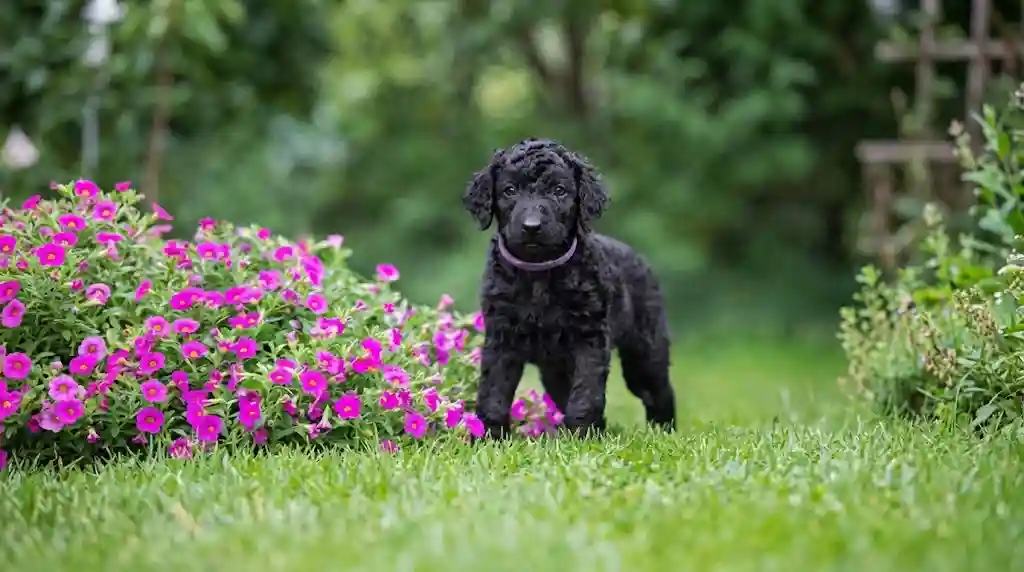
Curly-coated dog breeds are admired for their distinctive appearance and often for their functional attributes, such as water resistance and low-shedding qualities. These unique coats, ranging from tight coils to soft waves, require specific grooming routines to prevent matting and maintain their health and aesthetic appeal. Many curly-haired breeds were historically bred for water retrieval or working in various climates, where their coats provided essential protection.
Characteristics of Curly Coats:
- Water Resistance: The texture of curly coats often provides a natural barrier against water, making many of these breeds excellent swimmers and retrievers.
- Warmth and Insulation: The dense nature of many curly coats offers significant warmth, suitable for colder environments.
- Low-Shedding/Hypoallergenic Potential: While no dog is truly 100% hypoallergenic, many curly-coated breeds are considered low-shedding because their shed hair often gets caught within the curls rather than falling out, making them a popular choice for allergy sufferers.
Popular Curly-Coated Dog Breeds:
Poodle (Standard, Miniature, Toy): The quintessential curly-coated breed, Poodles are renowned for their dense, tight curls and exceptional intelligence. Their high-maintenance coats require regular brushing, clipping, and professional grooming to prevent matting. You can learn more about this breed in this comprehensive guide to Poodles.
Portuguese Water Dog: This athletic breed has a thick, waterproof coat that curls tightly, historically aiding them in their work with fishermen. Their coats require consistent grooming to prevent tangles.
Bichon Frise: These small, cheerful dogs boast soft, plush white curls that can compact and mat if not regularly attended to. They require frequent brushing, bathing, and professional grooming.
Labradoodle / Goldendoodle: These popular hybrid breeds, a mix of Labrador/Golden Retriever and Poodle, often inherit curly or wavy coats. Their unpredictable coat textures necessitate regular brushing to prevent matting.
Irish Water Spaniel: With crisp ringlets and a naturally oily coat, this breed benefits from regular grooming that respects its curl pattern. They are known for their love of water and keen retrieving abilities.
Lagotto Romagnolo: An ancient Italian breed originally used for truffle hunting, the Lagotto Romagnolo has a dense, curly, wool-like, and water-resistant coat. Their coat is low-shedding and requires regular care to avoid matting.
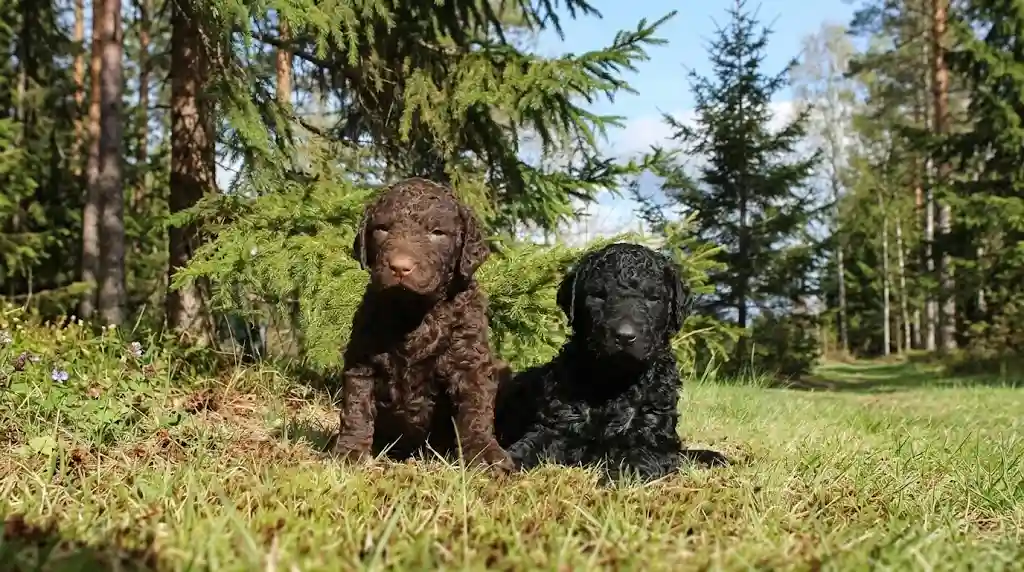
Curly-Coated Retriever: One of the oldest retriever breeds, they are characterized by a coat of tight, crisp curls covering their entire body. They are intelligent, confident, and excel in water activities.
Barbet: A rare French water dog, the Barbet has soft, woolly curls that grow continuously, necessitating consistent grooming.
Bedlington Terrier: With a distinctive lamb-like appearance, Bedlington Terriers have a crisp, curly, and non-shedding coat that requires professional grooming to maintain its unique style.
Maintaining the beauty and health of a curly coat involves consistent brushing, especially with a slicker brush, regular bathing, and often professional grooming every few weeks to prevent mats and tangles. Owners must be dedicated to this routine to ensure their curly-haired companions remain comfortable and well-groomed. For a complete grooming schedule based on coat type, check out this guide: dog grooming schedule by coat type.
Conclusion: Celebrating Canine Diversity and Responsible Ownership
The world of dog breeds is incredibly rich and varied, showcasing the remarkable adaptability and specialized traits developed over centuries. From the resilient native dogs of India, perfectly suited to their regional environments, to the majestic snow dogs built to conquer frigid landscapes, each breed offers a unique story and set of characteristics. The most popular breeds worldwide continue to capture human hearts with their diverse personalities, while the distinctive curly-coated canines combine aesthetic appeal with practical functions. When considering dog breed attack statistics, it becomes clear that responsible ownership, including proper training, socialization, and addressing health concerns, plays a far more significant role in a dog’s behavior than breed alone. Ultimately, understanding and appreciating this vast canine diversity, coupled with a commitment to ethical and responsible care, ensures a harmonious relationship between humans and their beloved four-legged companions.
