15 Amazing Dog Breeds: Best Dreadlocked, Dutch, and Easy-to-Train Dogs
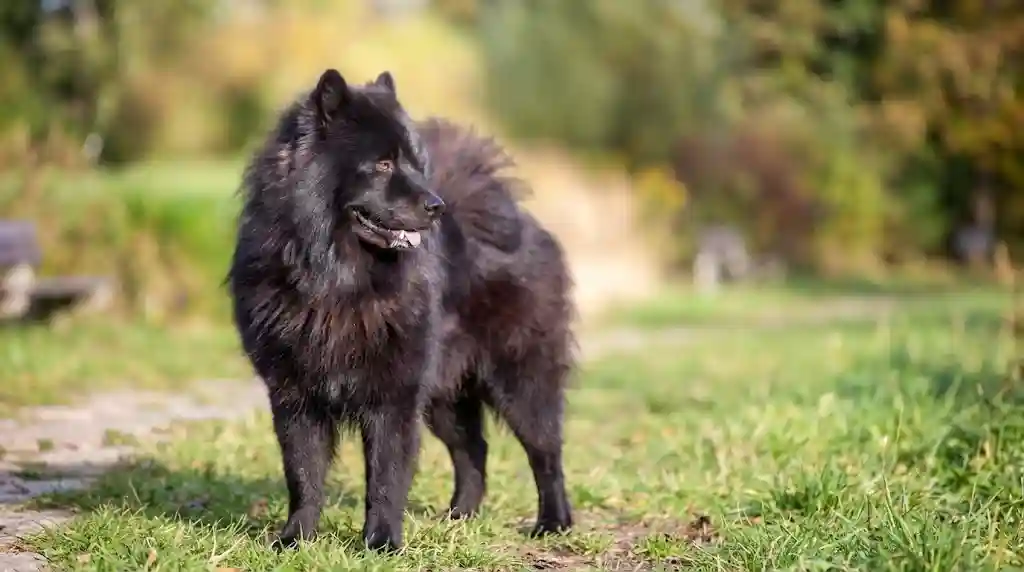
Table of Contents
Dog breeds encompass an astonishing array of shapes, sizes, temperaments, and unique physical attributes. From the striking, corded coats that resemble dreadlocks to breeds with a distinct Dutch heritage, and from those renowned for their eager-to-please nature and ease of training to the serene and captivating Eurasier, the canine world offers a fascinating spectrum for enthusiasts and prospective owners alike. This comprehensive article delves into these diverse categories, providing insights into their characteristics, histories, and what makes each group or individual breed special, ultimately assisting in the informed decision-making process for those seeking a canine companion. Understanding the nuances of each breed is crucial for ensuring a harmonious relationship between pet and owner, as different breeds come with distinct needs, personalities, and care requirements.
Understanding Dog Breeds with Dreadlocks or Corded Coats
When one hears “dreadlocks,” it’s typically associated with human hairstyles, but several dog breeds naturally develop or can be groomed to sport striking corded coats. These distinctive coats are not merely aesthetic; for many breeds, they served practical purposes, such as protection from harsh weather or predators in their ancestral working environments. The term “dreadlocks” for dogs is more accurately referred to as “cords,” “flocks,” or “mats” in the canine world, and they require meticulous care to prevent painful matting and skin issues. The formation of these cords occurs when the outer coat twists with the softer undercoat, creating rope-like strands.
The Puli: An Agile Herder with Iconic Cords
Perhaps the most famous dreadlocked dog breed, the Puli, is a Hungarian herding dog known for its agility, energy, and dense corded coat. These cords begin to form as puppies mature, typically around nine months old, and can be black, white, or gray. Beneath their dramatic coat lies a quick, athletic, and intelligent dog with a strong herding drive. Pulik require weekly cord maintenance, involving careful hand-separation of the cords, to keep them clean and free from mats. Despite their unique appearance, Pulik are lively and demand daily mental and physical stimulation.
The Komondor: A Majestic Guardian with a Protective Coat
Another Hungarian breed, the Komondor, is instantly recognizable by its large size and dense, white, corded coat. Bred over 2,000 years ago as livestock guardians, their corded coat served as effective camouflage among sheep and provided protection from the elements and predators. Komondors are intelligent, adaptable, strong, and protective. Like the Puli, their cords are a natural development, but require careful management to prevent tangles and maintain skin health. The American Kennel Club (AKC) officially recognizes the Komondor as a corded breed.
The Bergamasco Sheepdog: Three Coats for a Unique Look
The Bergamasco Sheepdog, originating from the Italian Alps, also possesses a distinctive corded coat. Unlike the Puli or Komondor, the Bergamasco’s coat is formed by three types of hair: a dense, oily undercoat; long, harsh “goat hair”; and a woolly topcoat. These different textures combine to form large, flat mats or “flocks” rather than round cords, which can be several inches thick. These cords are not only unique but also provide significant protection against harsh mountain weather. Bergamascos are described as sociable yet independent, happy to work in the fields or as family companions.
Other Cord-Capable Breeds
While the Puli, Komondor, and Bergamasco Sheepdog naturally develop corded coats, other breeds can achieve this look with human intervention and dedicated grooming. The Spanish Water Dog, with its curly, woolly coat, can form cords when traditionally cared for. Similarly, Poodles and Havanese, with their curly hair texture, can have their coats intentionally corded. It is crucial to understand that maintaining a corded coat, whether natural or groomed, is labor-intensive and requires consistent attention to prevent hygiene issues and discomfort for the dog. If you are interested in Poodles, you can learn more in this comprehensive guide to Poodles.
Exploring “Dutch” Dog Breeds: Heritage and Characteristics
The Netherlands, with its rich history and diverse cultural heritage, is home to several fascinating dog breeds. These “Dutch” breeds often reflect the nation’s deep-rooted connection to canine companionship, having played integral roles as versatile working dogs, herding companions, and spirited hunting partners. They are generally known for their remarkable loyalty, intelligence, and versatility, often possessing a strong desire to work and a sturdy build.
The Dutch Shepherd: A Versatile Working Dog
The Dutch Shepherd is a highly versatile and hardworking breed, originating in the Netherlands, where it was initially bred for herding sheep. They are renowned for their loyalty, agility, intelligence, and strong work ethic. This breed’s ability to think independently and make quick decisions has made them excellent candidates for demanding roles such as police work, search and rescue, and service dog tasks. Dutch Shepherds come in three coat varieties: short-haired, long-haired, and wire-haired, with a distinctive brindle coat being common. They require consistent guidance and leadership from their owners and thrive with both physical and mental exercise. Like many working breeds, they benefit from the training approaches outlined in this guide to the smartest dog breeds for training.
The Keeshond: A Spirited Companion
While often associated with Germany, the Keeshond, also known as the Wolfspitz, has historical ties to the Netherlands and was sometimes used in the development of other breeds like the Eurasier. Known for its distinctive “spectacles” markings around its eyes and a plush double coat, the Keeshond is a medium-sized spitz-type dog. They are typically cheerful, intelligent, and affectionate, making them excellent family companions. Their alertness makes them good watchdogs, though they are not known for aggression.
The Schapendoes (Dutch Sheepdog): Shaggy and Agile
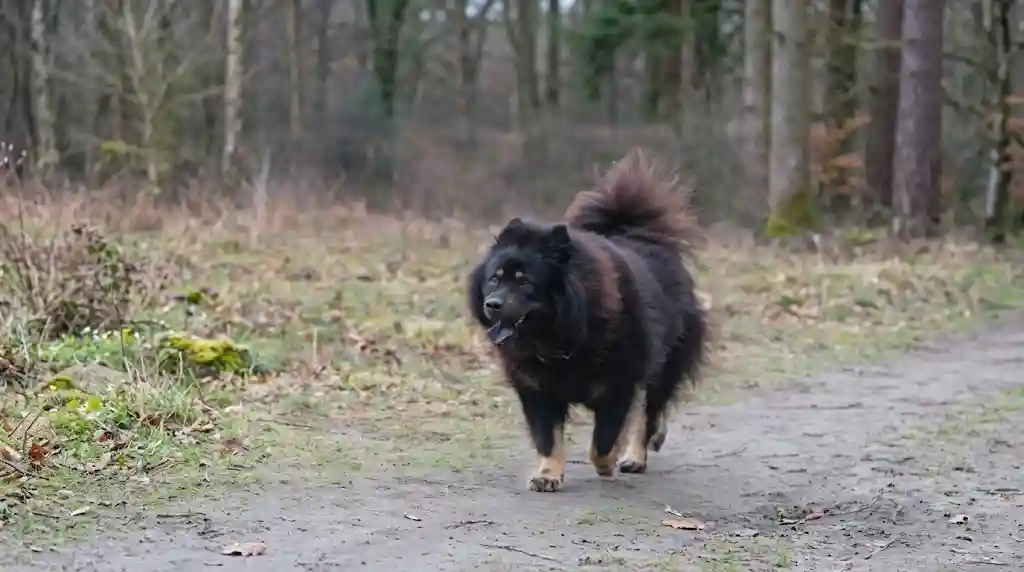
The Schapendoes, often called the Dutch Sheepdog, is a delightful, shaggy herding breed from the Netherlands. This medium-sized dog is characterized by its tousled coat, expressive dark eyes, and a friendly, animated personality, often reflected in its perpetually wagging tail. Originally bred for herding and guarding sheep, the Schapendoes is agile, intelligent, and reliable, thriving on physical and mental stimulation. They are light-boned and possess a thick, slightly wavy coat that protects them from adverse weather conditions.
Other Notable Dutch Breeds
The Netherlands is also home to other unique breeds, each with its own history and characteristics:
- Wirehaired Pointing Griffon: A versatile sporting breed known for its wiry coat and exceptional hunting abilities, particularly for game birds on land and water.
- Wetterhoun (Frisian Water Dog): A robust and unique water dog, bred for hunting otters and waterfowl in marshy regions. They have a curly, water-resistant coat.
- Saarloos Wolfdog: A striking breed developed from a cross between a German Shepherd and a Eurasian wolf, known for its wolf-like appearance and reserved temperament.
- Dutch Smoushond: A small, sturdy companion dog with a shaggy, yellowish coat, originally popular in Amsterdam stables.
Dog Breeds That Are Generally Easy to Train
The concept of “easy to train” can be subjective, as a dog’s trainability is influenced by a combination of genetic factors, environmental influences, and the individual dog’s temperament and personality. However, certain breeds are widely recognized for their intelligence, eagerness to please, and responsiveness to human cues, which generally makes the training process smoother. These dogs often possess traits like attentiveness, impulse control, and a willingness to cooperate, which were historically favored in breeds developed for specific working tasks such as herding or obedience.
Key Traits of Easy-to-Train Dogs
Dogs that are considered easy to train often exhibit several common characteristics:
- High Intelligence: They can understand and remember commands quickly.
- Eagerness to Please: They are motivated by praise and rewards from their owners.
- Good Focus: They can concentrate on tasks without being easily distracted.
- Calm Temperament: They are less prone to anxiety or hyperactivity, which can hinder learning.
- Sociability: Dogs with more sociable and outgoing personalities may respond better to training and socialization efforts.
Examples of Generally Easy-to-Train Breeds
While every dog is an individual, breeds commonly cited for their trainability include:
| Breed | Key Trainability Trait | Common Use/Role |
|---|---|---|
| Labrador Retriever | Eager to please, highly motivated by food/praise | Retrieving, assistance, family pet |
| Golden Retriever | Intelligent, patient, devoted | Retrieving, therapy, family pet |
| Poodle (Standard, Miniature, Toy) | Exceptional intelligence, quick learners | Obedience, agility, companion |
| German Shepherd Dog | Intelligent, loyal, strong work ethic | Police/military, herding, protection, family pet |
| Shetland Sheepdog | Highly intelligent, eager to please, attentive | Herding, obedience, agility, companion |
| Cavalier King Charles Spaniel | Gentle, affectionate, willing to please | Companion, therapy |
| Papillon | Intelligent, energetic, eager to learn | Agility, obedience, companion |
For a deeper look at the breeds that are easiest to train, check out this guide to the easiest dog breeds to train.
The Easiest Dog Breeds to Train: Top Performers in Obedience
While the previous section covered generally easy-to-train breeds, some stand out as exceptionally quick learners, often excelling in competitive obedience, agility, and working roles. These breeds often possess a unique combination of high intelligence, intense focus, and an innate desire to collaborate with humans. Such dogs typically thrive on mental stimulation and respond particularly well to positive reinforcement techniques.
Border Collie: The Canine Einstein
Often topping lists of the most intelligent dog breeds, the Border Collie is renowned for its exceptional trainability and intelligence. Bred for herding sheep, they possess an incredible instinct for control and precision, translating into remarkable aptitude for learning complex commands and tasks. Their intense focus and eagerness to please make them stellar performers in obedience, agility, flyball, and other dog sports. However, their high intelligence and energy levels mean they require significant mental and physical exercise to prevent boredom and destructive behaviors. They need engaging tasks and consistent training to keep them happy and well-adjusted.
Poodle: Brains and Beauty
Beyond their elegant appearance, Poodles (in all sizes: Standard, Miniature, and Toy) are highly intelligent and remarkably easy to train. They were originally bred as water retrievers, a task that demanded quick thinking and problem-solving skills. Poodles excel in obedience, agility, and can be trained for a wide variety of tasks, including service work. Their keen minds and enthusiastic approach to learning make them a joy for experienced and novice trainers alike. Consistency in training and early socialization are crucial for this intelligent breed.
German Shepherd Dog: The Quintessential Working Breed
The German Shepherd Dog is another breed consistently ranked among the easiest to train due to its intelligence, loyalty, and strong protective instincts. Their heritage as herding and police dogs has instilled in them a keen desire to work and a remarkable capacity for understanding and executing commands. German Shepherds thrive on having a purpose and require firm, consistent training and extensive socialization from a young age to channel their energy and intelligence positively. They form strong bonds with their owners and are fiercely devoted, making them highly receptive to guidance.
Golden and Labrador Retrievers: The Friendly and Trainable
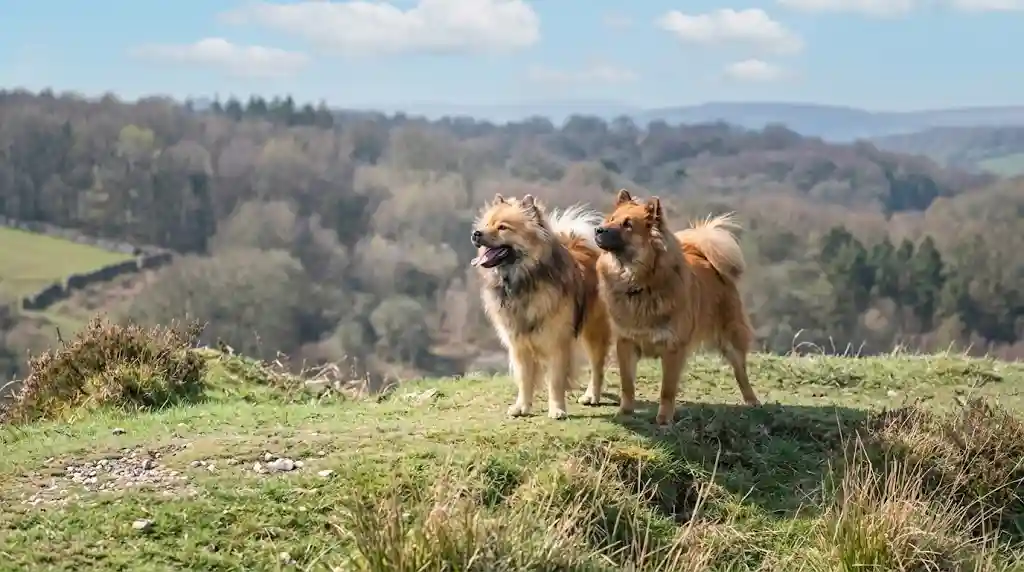
Both the Golden Retriever and Labrador Retriever are celebrated for their friendly dispositions, intelligence, and unwavering eagerness to please. Originally bred for retrieving game, they possess an innate desire to carry things and work cooperatively with humans. Their gentle nature, coupled with their high motivation (often food-driven), makes them highly trainable for a multitude of roles, including family pets, service dogs, therapy dogs, and hunting companions. They respond exceptionally well to positive reinforcement and thrive in environments where they receive ample attention and engaging activities. For a deeper look at the Golden Retriever, see this comprehensive guide to Golden Retrievers.
The Eurasier: A Blend of Beauty and Temperament
The Eurasier is a relatively modern dog breed, developed in Germany in the 1960s with the goal of creating a companion dog that embodied the best qualities of its foundational breeds. The breed name itself, “Eurasier,” signifies its diverse heritage, combining “Europe” and “Asia” to reflect its ancestral roots. The Eurasier’s development involved carefully crossbreeding the Chow Chow, the Keeshond (also known as Wolfspitz), and later, the Samoyed. The breeder, Julius Wipfel, aimed to create a balanced dog with a calm temperament, strong family bonds, and a beautiful coat.
Appearance and Physical Characteristics
Eurasiers are medium-sized dogs, typically standing 19–24 inches tall at the shoulder and weighing between 40–70 pounds. They possess a dense double coat that comes in a variety of colors, except pure white, liver, or black and white. Their coat is medium-long, straight or slightly wavy, and allows their proportions to be seen. Distinctive features include erect, triangular ears and a bushy tail typically carried over the back. The overall impression is one of elegance and strength.
Temperament and Personality
The temperament of the Eurasier is one of its most cherished qualities. They are described as cheerful, confident, and relaxed dogs that form exceptionally strong bonds with their families. They are known for being loyal, gentle, and calm, making them excellent family dogs. Eurasiers are particularly good with children and enjoy being included in daily family life. While devoted to their own family, they tend to be reserved with strangers, making them alert watchdogs without being overly aggressive. They are adaptable and socially savvy, thriving on companionship and participation in family adventures, whether it’s a walk or running errands.
Care, Health, and Training
Eurasiers have moderate energy levels and enjoy daily walks and playtime. They are intelligent dogs that respond well to positive reinforcement training methods, though they can exhibit an independent streak. Early socialization is important to ensure they develop into well-rounded adults, especially given their reserved nature with strangers. Grooming requirements involve regular brushing to maintain their thick double coat and manage seasonal shedding. A consistent grooming routine is essential; you can find a helpful grooming schedule by coat type here. They are generally healthy dogs with a lifespan of 12–16 years. However, like all breeds, they can be predisposed to certain health issues, with autoimmune thyroiditis being the most common, affecting 15%–18% of the breed. Other concerns can include hip dysplasia. Regular veterinary check-ups are essential to monitor their health.
Factors Influencing Dog Trainability and Breed Suitability
While breed characteristics provide a general guideline, a dog’s trainability and suitability as a companion are complex and influenced by various factors. Understanding these elements can help prospective owners make informed decisions and tailor their training approaches.
Genetics and Breed Background
Genetic factors, including breed characteristics and inherent intelligence, play a significant role in a dog’s learning abilities. Breeds developed for specific working tasks, such as herding or retrieving, often possess genetic predispositions that enhance their trainability, including attentiveness to human cues, impulse control, and a willingness to cooperate. However, even within the same breed, individual dogs can vary greatly in their cognitive abilities and response to training.
Environmental Influences and Early Socialization
The environment in which a dog is raised and its early experiences significantly impact its behavior and learning potential. Puppies exposed to a variety of people, animals, sounds, and settings from a young age tend to be more adaptable and easier to train. A calm and controlled training environment helps dogs focus, while chaotic surroundings can be distracting. For professional help, consider this guide to pet training near me.
Individual Temperament and Personality
Each dog has a unique temperament and personality that influences its response to training. Factors like sociability, boldness, fearfulness, and confidence play a role. Confident dogs may approach training with enthusiasm, while shy dogs may require more patience and gentler methods. Understanding a dog’s individual emotional state is crucial, as positive emotions enhance learning, while fear or stress can hinder it.
Trainer-Dog Relationship and Training Methods
The relationship between the dog and its trainer is paramount. A strong, positive bond built on trust and clear communication fosters better learning. Consistency is one of the most important elements of dog education; repeating commands, maintaining a clear structure, and reinforcing the same cues across all household members improve understanding. Positive reinforcement techniques are highly effective, creating positive associations with training sessions and motivating dogs to engage in desired behaviors. Frequent, short training sessions (5-10 minutes) are often more effective than long, irregular ones, and incorporating training into daily routines helps reinforce behaviors naturally.
Age and Developmental Stage
A dog’s age and developmental stage also influence its learning capacity. While puppies are often highly receptive to learning, adult dogs can also be successfully trained, sometimes even more effectively due to their longer attention spans and established routines. However, addressing behavioral issues in adult dogs may require different approaches than teaching basic commands to a puppy.
For more detailed information on canine learning and behavior, resources like Wikipedia’s article on Dog Training provide a comprehensive overview of techniques and scientific principles.
Conclusion
The world of dog breeds offers a captivating diversity, from the striking, naturally corded coats of the Puli and Komondor to the versatile working dogs hailing from the Netherlands like the Dutch Shepherd. Understanding these unique physical traits and historical backgrounds is key to appreciating the roles dogs have played alongside humans. Furthermore, delving into the nuances of trainability reveals that while some breeds, such as the Border Collie, Poodle, and German Shepherd, possess inherent traits that make them exceptionally quick learners, successful training ultimately hinges on a multitude of factors. These include genetics, early socialization, individual temperament, the trainer-dog relationship, and the consistent application of positive reinforcement. The Eurasier stands as a testament to deliberate breeding, combining desirable traits from various ancestors to create a loyal, gentle, and intelligent companion. Ultimately, whether one is drawn to a dog for its unique appearance, its ancestral working heritage, or its renowned trainability, a thorough understanding of breed-specific needs and individual canine psychology is crucial for fostering a fulfilling and harmonious relationship with our four-legged friends.
