Pointy-Eared Dog Breeds: Amazing and Loyal Companions 2026
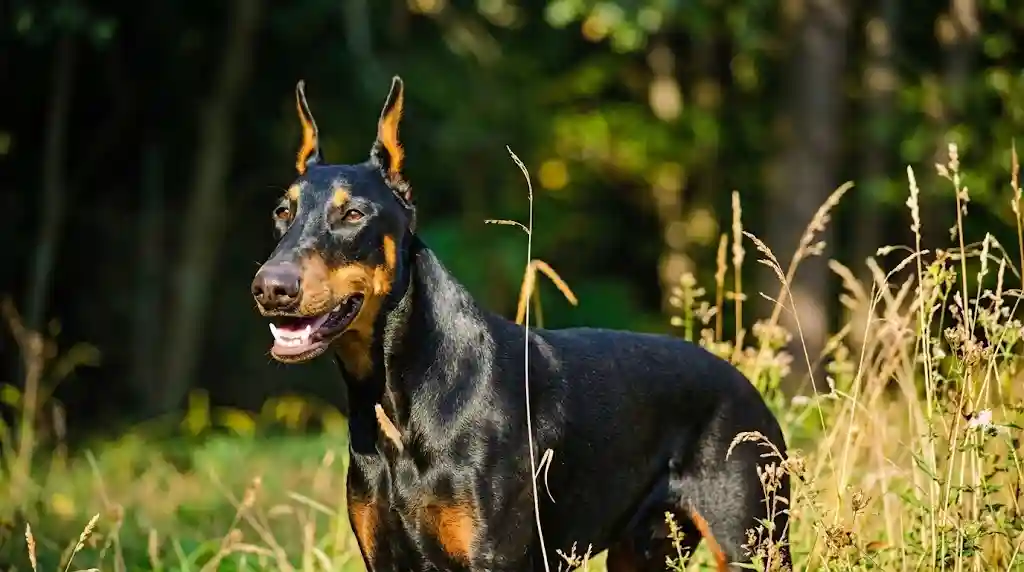
Table of Contents
Pointy-Eared exhibit an astonishing array of physical characteristics and temperaments, each developed over centuries to fulfill specific roles alongside humans. From the striking silhouettes of dogs with upright, pointy ears to the friendly disposition of dedicated retrievers, and the rich historical tapestry of canines originating from Spain, the diversity is truly remarkable. Understanding these categories not only deepens our appreciation for man’s best friend but also helps prospective owners make informed decisions when welcoming a new member into their family.
The Distinctive Appeal of Dog Breeds with Pointy Ears
The presence of pointy, erect ears is a hallmark feature for many dog breeds, often lending an alert and intelligent expression. This physical trait isn’t merely aesthetic; it’s often linked to a breed’s ancestral role, particularly in hunting, herding, or guarding, where keen hearing is paramount. The erect ear structure can help funnel sound more effectively, allowing dogs to pinpoint the origin of noises with greater precision.
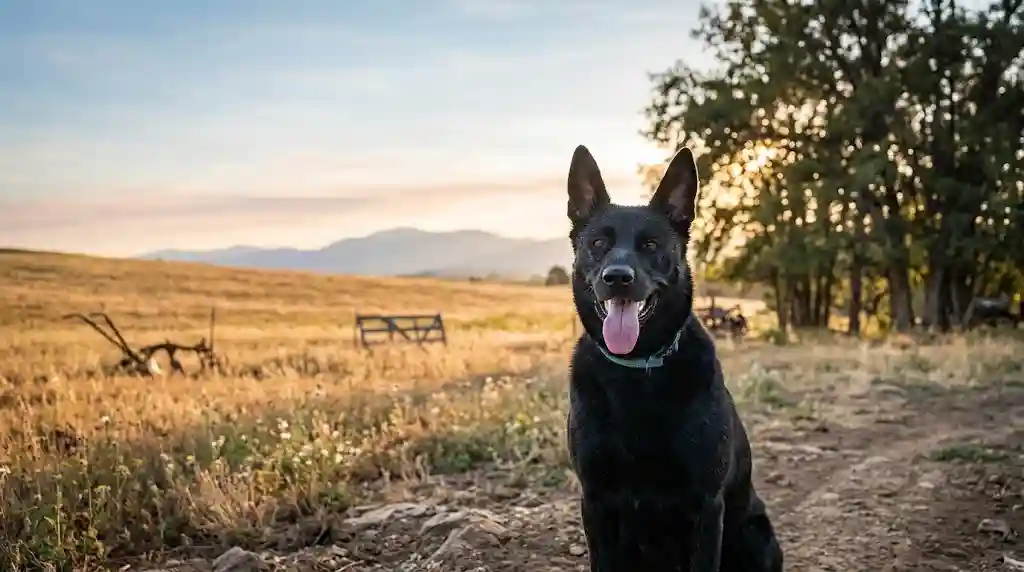
One of the most iconic breeds known for its pointy ears is the German Shepherd. Renowned for their intelligence, trainability, and loyalty, German Shepherds are frequently employed in police, military, and search-and-rescue operations worldwide. Their erect ears contribute to their vigilant appearance and enhanced auditory perception, crucial for their working roles. In fact, they consistently rank among the smartest dog breeds for training, making them a top choice for service and working roles.
Similarly, the Doberman Pinscher, another highly intelligent and formidable guardian breed, possesses naturally erect ears that are often cropped to stand upright, further emphasizing their alert and protective demeanor. However, in many countries, ear cropping is now banned or strongly discouraged due to animal welfare concerns.
Siberian Huskies are another popular breed characterized by their striking blue or multi-colored eyes and prominently erect, triangular ears. These features, along with their dense double coat, are adaptations to their origins in the harsh, cold environments of Siberia. Their pointy ears are well-insulated and contribute to their wolf-like appearance, a reminder of their ancient heritage as sled dogs. To keep their thick coat healthy, owners should follow a proper how to groom a double-coated dog at home routine.
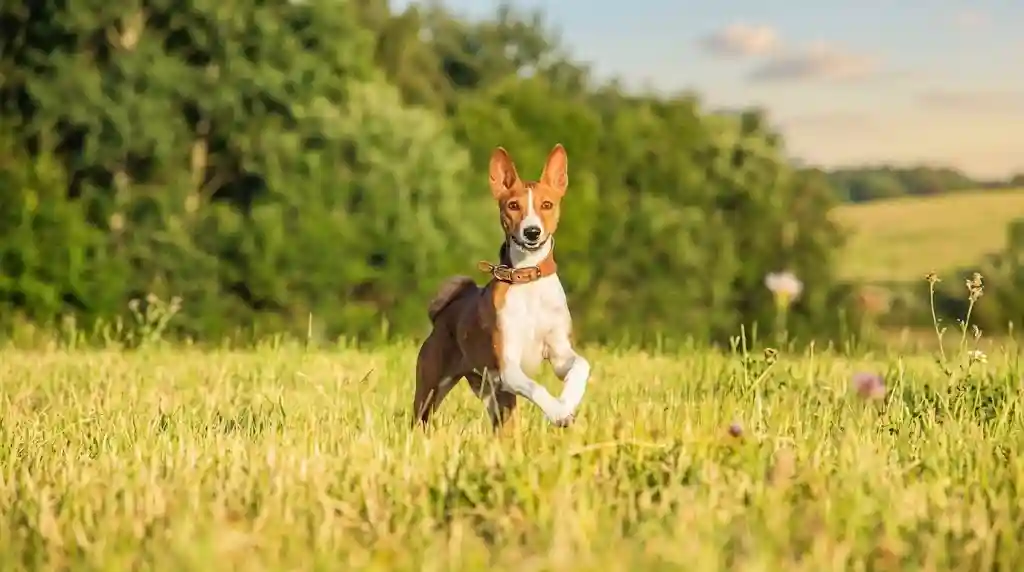
Beyond these well-known examples, many smaller breeds also sport pointy ears, such as the perky-eared Pembroke Welsh Corgi, which despite its smaller stature, maintains an alert and watchful presence, or the agile Basenji, often called the “barkless dog,” whose tightly curled tail and pricked ears give it a distinctive look. Even Chihuahuas often have large, erect ears relative to their tiny heads, enhancing their keen senses despite their diminutive size. For owners of smaller breeds with specific coat types, a comprehensive guide to poodles can offer useful grooming and care insights that apply to many toy and miniature breeds.
The structure of a dog’s ears is determined by genetics, and while some breeds are consistently born with erect ears, others may have floppy ears, or ears that are “rose” or “button” shaped. The breeds with naturally pointy ears typically have strong cartilage that supports the ear upright from an early age, though some puppies’ ears may take a few months to fully stand.
The Unwavering Loyalty and Versatility of Retriever Dog Breeds
Among the vast spectrum of dog breeds, retrievers stand out for their exceptional retrieving abilities, gentle temperaments, and profound loyalty, making them incredibly popular as family pets, hunting companions, and service animals. The term “retriever” refers to a specific type of hunting dog bred to find and bring back shot game to a hunter, typically waterfowl or upland birds, without damaging the quarry. This demanding role requires a soft mouth, strong swimming ability, high intelligence, and an eager-to-please attitude.
The Labrador Retriever is perhaps the most famous and widely owned retriever breed globally. Known for their outgoing nature, intelligence, and boundless energy, Labs excel in various roles, from guide and assistance dogs to search-and-rescue canines and competitive athletes. Their water-resistant coat and “otter tail” are perfectly adapted for swimming and retrieving in cold waters.
Closely following in popularity is the Golden Retriever, celebrated for its shimmering coat, friendly disposition, and remarkable patience. Golden Retrievers are exceptionally gentle and make wonderful family pets, often thriving in therapy and service work due to their calm demeanor and trainability. Their beautiful coats require regular maintenance, and following a proper dog grooming schedule by coat type and how to groom ensures they stay healthy and mat-free.
Other notable retriever breeds include the Chesapeake Bay Retriever, a robust and powerful dog bred to endure icy waters and retrieve large fowl, known for its protective instincts and curly coat. The Flat-Coated Retriever, with its elegant appearance and perpetually wagging tail, is a cheerful and energetic companion, requiring significant exercise. The Nova Scotia Duck Tolling Retriever, a smaller and highly intelligent breed, uses its playful actions to “toll” or lure ducks into gun range before retrieving them. These breeds share a common heritage rooted in working alongside humans in demanding environments, resulting in dogs that are not only highly capable but also deeply affectionate and devoted companions.
A Glimpse into the Diverse World of Spanish Dog Breeds
Spain, with its diverse geography and rich cultural history, has given rise to a fascinating array of dog breeds, each uniquely adapted to the country’s varied landscapes and human needs. From powerful livestock guardians to agile sighthounds and versatile water dogs, Spanish breeds reflect a heritage deeply intertwined with rural life, hunting traditions, and regional distinctiveness.
One of the most recognizable Spanish breeds is the Galgo Español, or Spanish Greyhound. These elegant sighthounds are built for speed and endurance, traditionally used for hunting hare in the vast plains of Spain. Known for their gentle and calm nature indoors, they are often described as “45 mph couch potatoes,” enjoying quiet companionship after a good run. Another ancient Spanish sighthound is the Ibizan Hound (Podenco Ibicenco), originating from the Balearic Islands. With their large, erect ears and slender build, they are exceptional hunters of rabbits and small game, known for their agility and independent spirit. The Podenco Canario, hailing from the Canary Islands, shares similar physical traits and hunting prowess, adapted to the rugged volcanic terrains.
In terms of working dogs, the Mastín Español, or Spanish Mastiff, is a magnificent and ancient breed bred to guard livestock against wolves and other predators. These colossal dogs possess an imposing presence, immense strength, and a deeply protective instinct, yet are known for their calm and loyal temperament with their families. They are a testament to centuries of selective breeding for resilience and guardianship in challenging environments. The Catalan Sheepdog (Gos d’Atura Català) is a nimble and intelligent herding breed from Catalonia, adept at managing flocks in mountainous terrain. Smaller yet equally capable, these dogs are highly trainable and make devoted companions.
The origins of many of these breeds can be traced back thousands of years, with influences from various cultures that have traversed the Iberian Peninsula, including Phoenicians, Romans, and Moors. This historical intermingling has contributed to the unique genetic tapestry found in Spanish dog breeds today. For those interested in learning more about the historical significance of various dog breeds and their evolution, a detailed list of dog breeds on Wikipedia provides a comprehensive resource covering origins and characteristics of countless canines, including many from Spain.
The Spanish Water Dog: A Versatile, Ancient Breed
Among the captivating array of dog breeds from Spain, the Spanish Water Dog (Perro de Agua Español) stands out as a particularly versatile and ancient working breed. This rustic, medium-sized dog is easily recognized by its distinctive curly, woolly coat, which forms cords if allowed to grow long, and its expressive, often dark eyes. Traditionally used for herding sheep and goats, fishing, and retrieving game from water, the Spanish Water Dog is a true all-rounder, embodying intelligence, agility, and a strong work ethic.
The exact origins of the Spanish Water Dog are debated, but it is believed they have been present on the Iberian Peninsula for centuries, possibly arriving with the Moors or brought by traders from Turkey or North Africa. Their dense, water-resistant coat is a functional adaptation, protecting them from the elements whether working in the marshes, on fishing boats, or in mountainous terrain. This coat requires specific grooming to prevent matting, often involving shearing rather than brushing to maintain its characteristic texture. For long-haired and curly-coated breeds, mastering the best drying technique for long-haired dogs is essential to prevent skin issues and mat formation.
Temperamentally, the Spanish Water Dog is known for its loyalty, intelligence, and lively nature. They form strong bonds with their families and are eager to please, making them highly trainable. However, their intelligence also means they require consistent mental stimulation and physical exercise to prevent boredom, which can lead to destructive behaviors. They thrive in active households where they can participate in various activities such as agility, obedience, dock diving, or even real-life herding tasks. Their protective instincts can make them wary of strangers, so early socialization is crucial to ensure they develop into well-adjusted adults.
The Spanish Water Dog is a robust and generally healthy breed, though like all purebred dogs, they can be predisposed to certain genetic conditions, including hip dysplasia, progressive retinal atrophy, and hypothyroidism. Responsible breeding practices and health screenings are essential to minimize the incidence of these issues.
Breed Comparison Table
| Breed Name | Primary Characteristic | Origin | Common Roles / Temperament | Ear Type |
|---|---|---|---|---|
| German Shepherd | Pointy Ears, Working Dog | Germany | Police/Military, Herding, Family Pet; Intelligent, Loyal | Erect/Pointy |
| Doberman Pinscher | Pointy Ears, Guardian | Germany | Guard Dog, Companion; Alert, Protective | Erect/Pointy (often cropped) |
| Siberian Husky | Pointy Ears, Sled Dog | Siberia (Russia) | Sledding, Companion; Energetic, Independent | Erect/Pointy |
| Labrador Retriever | Retriever, Family Dog | Newfoundland (Canada) | Retrieving, Service Dog, Family Pet; Friendly, Energetic | Dropped/Floppy |
| Golden Retriever | Retriever, Gentle Companion | Scotland | Retrieving, Therapy Dog, Family Pet; Gentle, Eager-to-please | Dropped/Floppy |
| Spanish Water Dog | Spanish Breed, Water Dog | Spain | Herding, Fishing, Retrieving; Intelligent, Loyal, Energetic | Dropped/V-shaped (can be semi-prick) |
| Galgo Español | Spanish Breed, Sighthound | Spain | Hunting (Hare), Companion; Calm, Agile | Rose/Semi-prick |
| Mastín Español | Spanish Breed, Livestock Guardian | Spain | Livestock Guardian; Protective, Calm | Dropped/Floppy |
Care and Considerations for These Distinctive Dog Breeds
Regardless of whether a dog boasts pointy ears, belongs to the retriever group, or hails from Spain, responsible ownership entails understanding and addressing their specific care requirements. These needs often stem from their genetic heritage, intended roles, and physical attributes. For instance, breeds with pointy ears, such as German Shepherds and Huskies, generally require minimal ear care beyond regular checks for cleanliness and signs of infection. However, their active natures demand significant exercise and mental stimulation to thrive. German Shepherds also benefit from consistent training due to their intelligence and protective instincts, while Huskies need an outlet for their strong prey drive and desire to run.
Retriever breeds, while generally robust, are prone to certain health issues like hip and elbow dysplasia, common in larger, active dogs. Regular veterinary check-ups, a balanced diet, and appropriate exercise are crucial for maintaining their joint health. Their dense coats, especially in Golden Retrievers, require regular brushing to prevent mats and reduce shedding. If you notice your dog losing more hair than usual, understanding why is my dog shedding more than usual can help you address potential underlying issues. Furthermore, their innate desire to retrieve means they benefit greatly from games of fetch, swimming, and other activities that engage their natural instincts.
Spanish dog breeds, given their diverse backgrounds, present a wide range of care needs. The Spanish Water Dog, with its unique corded or curly coat, requires specific grooming – often shearing rather than conventional brushing – to maintain coat health and prevent matting. Its high energy and intelligence necessitate ample exercise and mental challenges. Sighthounds like the Galgo Español, while needing intense bursts of exercise, are often quite content to relax indoors. Their lean build means they can be sensitive to cold and may require coats in cooler weather. Large guardian breeds like the Mastín Español need spacious environments and early, extensive socialization to channel their protective instincts appropriately.
Choosing Your Canine Companion: Matching Breed to Lifestyle
Selecting a dog breed that aligns with your lifestyle is paramount for a harmonious relationship. The categories of pointy-eared dogs, retrievers, and Spanish breeds offer a starting point, but delving deeper into individual breed characteristics is essential. For those seeking an alert, trainable working dog, a German Shepherd or Doberman Pinscher might be a strong contender, provided you can commit to their training and exercise needs. If a loyal, affectionate family pet with a love for outdoor activities is what you desire, a Labrador or Golden Retriever could be an excellent match, though be prepared for their energy levels and grooming requirements.
Exploration into Spanish breeds can reveal a perfect fit for specific niches. An active individual or family might find the spirited Spanish Water Dog an ideal companion for hiking, swimming, and dog sports. Conversely, someone looking for a calm, elegant indoor companion who still enjoys a good sprint might be drawn to the Galgo Español, especially if they are considering adopting a rescued sighthound. Each breed, regardless of its country of origin or ear shape, carries a unique set of needs and traits. Considerations should include:
- Activity Level: Do you lead an active lifestyle or prefer a more sedentary companion?
- Grooming Needs: Are you prepared for daily brushing, professional grooming, or specific coat care?
- Training Commitment: Can you dedicate time to consistent training and socialization? If you need professional help, a pet training near me guide can point you in the right direction. For those seeking naturally obedient breeds, exploring dog breeds that are easiest to train is a great starting point.
- Living Environment: Do you have ample space, a secure yard, or suitable access to outdoor areas?
- Family Dynamics: How well does the breed typically interact with children or other pets?
By carefully evaluating these factors against the specific characteristics of pointy-eared, retriever, and Spanish dog breeds, prospective owners can ensure they choose a companion with whom they can share a fulfilling and joyful life. Every dog is an individual, but understanding breed tendencies provides a valuable foundation for building a strong bond.
Conclusion
The world of dog breeds is a rich tapestry woven with threads of history, utility, and companionship. Whether drawn to the striking alertness conveyed by pointy ears, the unwavering devotion of a retriever, or the unique heritage of Spanish canines, each category offers a diverse range of choices. From the German Shepherd’s protective vigilance to the Golden Retriever’s gentle heart and the Spanish Water Dog’s energetic versatility, these breeds exemplify the incredible adaptability and specialized roles dogs have played throughout human history. Understanding their origins, physical traits, and behavioral tendencies is key to appreciating their distinct qualities and ensuring a responsible, loving partnership. As we continue to explore the vast array of dog breeds, it becomes clear that the perfect canine companion is out there for nearly every lifestyle, waiting to offer loyalty, joy, and unconditional love.
