Hypoallergenic Small Dog Breeds: Amazing Low-Shedding Companions 2026

Exploring diverse dog breeds is a fascinating journey that often begins with a specific set of criteria. Whether you’re seeking a compact, low-allergen companion, a stately short-haired giant, a dog with distinctive long ears, or a versatile medium-sized friend with a short coat, the canine world offers an incredible array of choices. This comprehensive guide delves into some of the most sought-after categories, helping prospective owners understand the unique characteristics, temperaments, and care requirements associated with various breeds to ensure a harmonious match with their lifestyle.
Understanding Hypoallergenic Small Dog Breeds
The term “hypoallergenic” is often misunderstood when applied to dog breeds. No dog is truly 100% hypoallergenic, as all dogs produce dander, saliva, and urine, which contain the proteins that trigger allergic reactions in sensitive individuals. However, some breeds are considered “low-shedding” or “non-shedding,” meaning they release less dander into the environment, making them more tolerable for people with allergies. Small dog breeds that fall into this category are particularly popular for apartment dwellers or those seeking a lap-sized companion that won’t exacerbate their sniffles and sneezes.
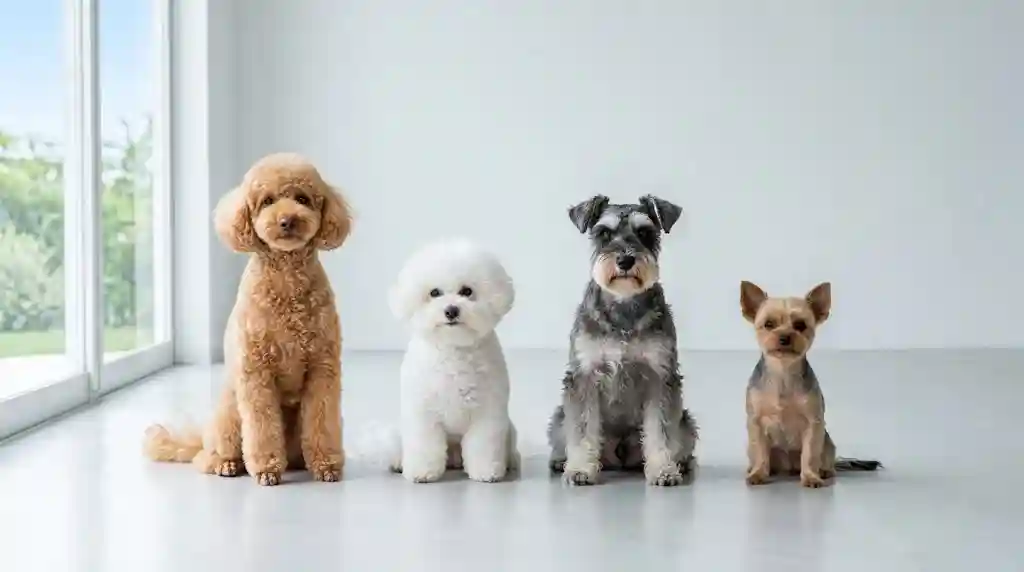
Among the most well-known hypoallergenic small dog breeds, the Bichon Frise stands out with its fluffy, white, powder-puff coat that sheds minimally. These cheerful and playful dogs are known for their lively personalities and require regular grooming to prevent matting. Another excellent choice is the Maltese, a tiny, elegant dog with a long, silky white coat. Despite its luxurious appearance, the Maltese is a low-shedding breed that needs daily brushing to maintain its beautiful fur.
The Poodle, in its miniature and toy varieties, is perhaps the quintessential hypoallergenic breed. Poodles possess a curly, dense coat that traps loose hair and dander, significantly reducing its spread. They are highly intelligent, trainable, and come in various colors, making them adaptable to many preferences. For a deeper dive into this remarkable breed, a comprehensive guide to poodles covers everything from grooming to temperament. Similarly, the Shih Tzu, with its flowing double coat, sheds very little. These affectionate “lion dogs” are known for their friendly demeanor and require consistent grooming to keep their long hair in good condition.
Other notable small, low-shedding breeds include the Yorkshire Terrier, known for its small size and long, silky hair that resembles human hair; the Coton de Tulear, often called the “Royal Dog of Madagascar,” with its soft, cotton-like coat; and the Havanese, the national dog of Cuba, celebrated for its cheerful personality and silky double coat. Each of these breeds offers a unique set of traits, but all share the advantage of being potentially more agreeable for allergy sufferers due to their grooming needs and coat types. If you’re struggling with allergic reactions, understanding dog allergy understanding managing and living can provide valuable insights for living comfortably with a canine companion.
Majestic Large Short-Haired Dog Breeds
For those who admire impressive stature but prefer the ease of a short coat, large short-haired dog breeds present a formidable and often low-maintenance option. These breeds typically require less extensive grooming compared to their long-haired counterparts, though they still benefit from regular brushing to remove loose hair and maintain coat health. Their short coats often highlight their muscular builds and athletic physiques.
The Great Dane, often referred to as a “gentle giant,” is an iconic large short-haired breed. Despite their imposing size, Great Danes are known for their friendly, patient, and devoted nature, making them excellent family pets. Their sleek, short coat comes in various colors, including fawn, brindle, blue, black, and harlequin. Another powerful and popular large short-haired breed is the Rottweiler. Renowned for their strength, intelligence, and protective instincts, Rottweilers are loyal companions that thrive with consistent training and socialization. Their short, coarse black coat with rust markings is unmistakable.
The Doberman Pinscher is another elegant and athletic large dog with a short, smooth coat. Known for their intelligence, alertness, and loyalty, Dobermans are excellent guard dogs and active companions. Their striking appearance, often black or red with rust markings, coupled with their dignified posture, makes them truly stand out. The Boxer, with its distinctive brachycephalic (short-nosed) head and muscular build, is a playful and energetic short-haired breed. Boxers are known for their boundless energy, devotion to their families, and comical antics, making them beloved pets for active households.
Other impressive large short-haired breeds include the German Shorthaired Pointer, a versatile hunting dog with a striking liver and white coat, known for its intelligence and athleticism; the Mastiff, a truly colossal breed with a short, dense coat, famous for its gentle disposition and protective nature; and the Greyhound, the epitome of speed and grace, with a very short, fine coat. These breeds, while requiring less brushing, still benefit from regular baths and inspections for skin health, and their impressive sizes often mean they need ample space and exercise. For owners dealing with coat-related issues, a guide on why is my dog shedding more than usual can help identify underlying causes.
Charming Dog Breeds with Long Ears
The visual appeal of dog breeds with long ears, often called “hound ears” or “pendulous ears,” adds a distinctive charm to many beloved companions. These long, floppy ears serve various purposes, from enhancing scent tracking abilities in hunting breeds to simply adding to their adorable aesthetic. However, dogs with long ears require specific care to prevent ear infections, as the covered ear canal can retain moisture and heat.
The Basset Hound is perhaps the most iconic long-eared breed, known for its exceptionally long, velvety ears that nearly drag on the ground. These gentle and placid dogs possess an extraordinary sense of smell, making them excellent scent hounds. Their sad-eyed expression and low-slung body contribute to their unique charm. Similarly, the Cocker Spaniel, in both American and English varieties, boasts beautiful long, feathered ears that frame their sweet faces. These affectionate and merry dogs are popular family pets, known for their eagerness to please and playful nature.
The Beagle, a medium-sized hound, is another well-loved breed with distinctively long, rounded ears. Beagles are cheerful, curious, and friendly dogs, often recognized by their melodic bay. Their keen sense of smell makes them excellent at tracking, and their playful disposition makes them wonderful companions. The Dachshund, especially the standard and miniature long-haired varieties, also features long, floppy ears that complement their elongated bodies. These courageous and lively dogs are known for their endearing personalities and sometimes stubborn streaks.
Other breeds with charming long ears include the elegant Bloodhound, known for its unmatched tracking abilities and profoundly wrinkled face; the noble Irish Setter, with its striking red coat and long, silken ears; and the energetic Springer Spaniel, a versatile gundog with medium-length, feathered ears. Owners of long-eared dogs should regularly check and clean their pets’ ears to prevent wax buildup and infections, ensuring their distinctive feature remains healthy. For comprehensive information on canine ear health and breed-specific care, the American Kennel Club’s official dog breed directory is an authoritative resource.
Versatile Medium Short-Haired Dog Breeds
Medium short-haired dog breeds strike an excellent balance between manageable size and relatively low grooming requirements, making them a popular choice for a wide range of lifestyles. These dogs are often robust, adaptable, and come with a variety of temperaments, suitable for active families, individuals, or those seeking a loyal, moderate-sized companion. Their short coats typically shed less than long-haired breeds and are easier to maintain.
The Bulldog, with its distinctive muscular build, wrinkled face, and calm demeanor, is a classic example of a medium short-haired breed. Bulldogs are known for their gentle nature and make wonderful family pets, though they require care to manage their unique facial folds and prevent overheating. Another highly intelligent and versatile medium short-haired dog is the Australian Cattle Dog. These energetic dogs thrive on activity and mental stimulation, boasting a dense, short double coat that is surprisingly easy to care for, requiring only occasional brushing.
The Siberian Husky, while often appearing fluffy due to its dense undercoat, technically has a medium-length, straight outer coat. However, it’s often grouped with breeds chosen for manageable hair, as its grooming needs are more about shedding management than intricate styling. Known for their striking blue eyes and boundless energy, Huskies are friendly and adventurous. For proper coat maintenance, following a how to groom a double-coated dog at home routine is essential. The Basenji, often called the “barkless dog,” is a unique medium short-haired breed from Africa. Known for its elegant appearance, distinctive wrinkled forehead, and cat-like grooming habits, the Basenji has a very short, fine coat that requires minimal care.
Other notable medium short-haired breeds include the playful Staffordshire Bull Terrier, a courageous and affectionate dog with a smooth, short coat; the sturdy Border Collie, an exceptionally intelligent herding dog that can have a medium-length smooth or rough coat; and the loyal Shar-Pei, famous for its deep wrinkles and short, bristly coat. These breeds demonstrate the variety within the medium short-haired category, offering options for different levels of activity and companionship, all benefiting from their relatively easy-to-maintain coats.
The Value of Visuals: Dog Breeds List with Pictures
While this article focuses on descriptive text, it’s impossible to discuss dog breeds list with pictures without acknowledging the immense value that visual aids bring to understanding and appreciating canine diversity. A picture can instantly convey the unique conformation, coat texture, ear set, and overall appearance of a breed far more effectively than words alone. For aspiring dog owners, seeing a breed can confirm whether its physical traits align with their aesthetic preferences and practical considerations, such as expected size and coat type. Furthermore, pictures can highlight subtle differences between similar breeds, helping in accurate identification and appreciation of each breed’s distinct lineage.
When exploring a comprehensive dog breeds list, visual references often go hand-in-hand with detailed descriptions. They help to illustrate the variations in:
- Size and Stature: Clearly showing the difference between a Toy Poodle and a Standard Poodle, or a Beagle and a Basset Hound.
- Coat Type and Color: Demonstrating the wiry texture of a Terrier versus the silky flow of a Maltese, or the vibrant colors of a brindle Boxer.
- Facial Features: Highlighting the expressive eyes of a Cocker Spaniel, the distinctive wrinkles of a Bulldog, or the alert ears of a German Shepherd.
- Overall Proportions: Illustrating the long back of a Dachshund or the powerful build of a Rottweiler.
Accessing a detailed directory of breeds alongside high-quality photographs is invaluable for anyone embarking on the journey of choosing a canine companion. It transforms abstract descriptions into tangible representations, fostering a deeper connection and understanding of each breed’s unique qualities before even meeting one in person.
Breed Category Comparison Table
| Breed Category | Examples of Breeds | Key Characteristics | Grooming/Care Notes |
|---|---|---|---|
| Hypoallergenic Small | Bichon Frise, Maltese, Toy Poodle, Shih Tzu, Yorkshire Terrier | Low-shedding, often playful and affectionate, suitable for apartments | Regular brushing to prevent matting, professional grooming often needed |
| Large Short-Haired | Great Dane, Rottweiler, Doberman Pinscher, Boxer, German Shorthaired Pointer | Muscular, often protective, energetic (depending on breed), stately | Minimal brushing, occasional bathing, short coat highlights physique |
| Long-Eared | Basset Hound, Cocker Spaniel, Beagle, Dachshund, Bloodhound | Often scent-driven, charming appearance, varied temperaments | Regular ear cleaning to prevent infections, some require more coat grooming |
| Medium Short-Haired | Bulldog, Australian Cattle Dog, Basenji, Staffordshire Bull Terrier | Versatile, adaptable, moderate size, diverse temperaments | Generally low grooming needs, occasional brushing and bathing |
Choosing Your Ideal Canine Companion

Selecting the right dog breed is a significant decision that impacts many years of companionship. It goes beyond merely admiring a breed’s appearance or reputation; it involves a thorough evaluation of your lifestyle, living situation, and capacity for commitment. When exploring the vast world of dog breeds, consider the following critical factors:
- Activity Level: Do you lead an active lifestyle that can accommodate an energetic breed like a Boxer or German Shorthaired Pointer, or would a more placid companion like a Bulldog or Basset Hound be a better fit for your routine?
- Grooming Requirements: Are you prepared for daily brushing and regular professional grooming needed for breeds like the Bichon Frise or Shih Tzu, or do you prefer the lower-maintenance short coats of a Rottweiler or Basenji? Following a proper dog grooming schedule by coat type and how to groom can simplify this process.
- Size and Space: Do you have ample space, a large yard, and the ability to handle a powerful large breed such as a Great Dane, or is a small, compact breed more suitable for your home environment?
- Temperament and Training: Research the typical temperament of a breed. Some breeds are notoriously independent (like the Basenji), while others are highly eager to please (like the Poodle). Consider if you have the time and patience for consistent training and socialization. If you need professional guidance, a pet training near me resource can connect you with local experts.
- Health Considerations: Understand the common health issues associated with specific breeds. For instance, brachycephalic breeds like Bulldogs may have respiratory challenges, and long-eared breeds are prone to ear infections. Digestive issues like dog diarrhea a comprehensive guide for concerned pet can affect any breed and should be monitored.
- Allergy Sensitivity: If allergies are a concern, while no dog is truly hypoallergenic, opting for low-shedding breeds is a practical step. However, spend time with the specific breed (and even individual dog) to gauge your reaction before making a commitment.
Engaging with breed-specific rescue groups, reputable breeders, and veterinary professionals can provide invaluable insights. They can offer firsthand experience and guidance tailored to your specific needs and help you understand the nuances of owning a particular breed. Remember that every dog is an individual, and while breed characteristics provide a good guideline, proper training, socialization, and a loving environment are paramount to developing a well-adjusted and happy pet. For those who prefer naturally obedient companions, exploring dog breeds that are easiest to train can narrow down your options.
Conclusion
The world of dog breeds is remarkably diverse, offering a perfect companion for nearly every preference and lifestyle. From the low-allergen charm of a small, fluffy Bichon Frise to the majestic presence of a short-haired Great Dane, the keen tracking abilities of a long-eared Beagle, or the versatile companionship of a medium short-haired Bulldog, each category brings its own unique set of attributes. By carefully considering factors such as size, coat type, temperament, and care requirements, prospective dog owners can make an informed decision that leads to years of joy and a fulfilling relationship with their chosen canine friend. Understanding these distinctions is the first step toward welcoming a beloved new member into your home.
